
Nikon D750 f/7.1 1/2s 24mm 100 ISO
Nikon D750 f/7.1 1/2s 24mm 100 ISO
Rhythm, a vital element within music, dance, and poetry, is also important in photography. Ted Forbes writes that visual pulses are within all visual compositions.

Repetition is easy to find…all around us are shapes that are pretty basic and similar to each other. We will see them repeating at regular intervals within nature, design, works of art, architecture, and photography.

Standard rhythm involves the same or similar elements repeating at regular intervals — think of equally spaced light posts extending from left to right across the frame, the slats of a crib, or a series of windows on the side of a city apartment building. These patterns can be thought of as a subset of rhythm in that patterns always have rhythm, but rhythm doesn’t always have patterns.

Rhythm affects the quality of our viewing experience and helps draw and keep the observer’s eye within the frame. Visual rhythm is often most powerfully used as a vehicle for or backdrop to your central story or primary subject.

After a week of studying rhythm, I’m finding a need to stay with this topic as the extension of rhythm within sound and physical sensations to a visual format is like…hmm…sitting in an introduction to physics class. Well, maybe not exactly like a physics class…maybe more like an introduction to “imaginary numbers.”

In the meanwhile, I’ve concluded this week’s photo study blog with a Ted Forbes’ video rhythm in visual composition. I would enjoy hearing your thoughts and understanding about rhythm as well as seeing some of your creative use of repeating patterns.


The human body speaks…very loudly through its postures and movements. More and more I’m finding that photographers who create street images from perspectives other than direct portraiture opens me to ponder individual humans stories that speak through the body’s emotional expressions which often are distracted from by a smile, an eye glimmer, a hair cut, a style of dress, etc.
images submitted in response to Erica’s photo challenge: A Face in the Crowd
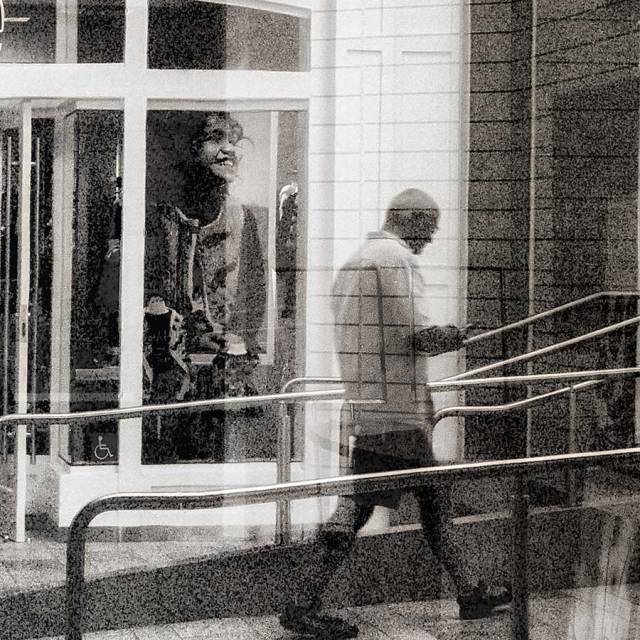
Lumix GX85 f/5.6 1/80 32mm

Lumix GX85 f/7.1 1/200 32mm

Intermixed Lumix GX85 f/5.6 1/125 32mm

Lumix f/14 1/60 38mm
Lost in Translation photo challenge: thursday’s special
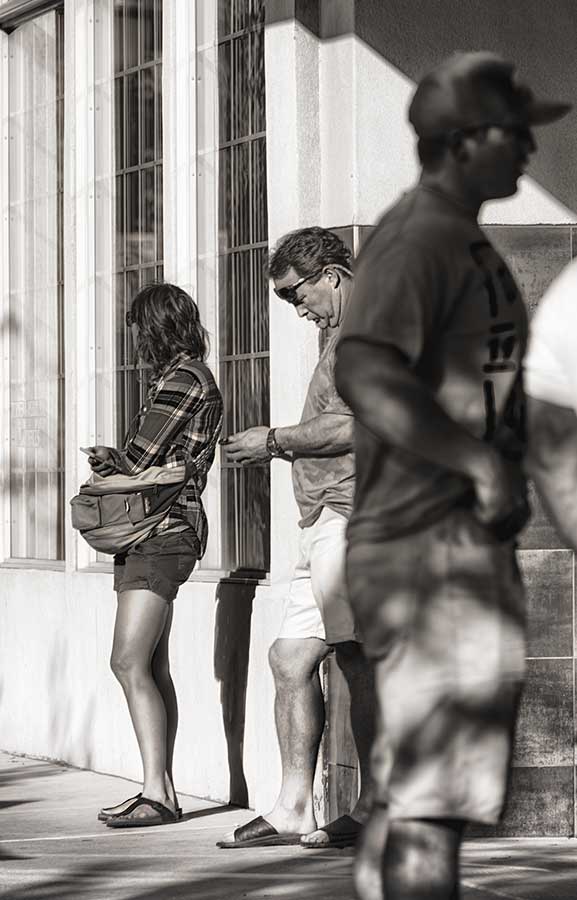
Nikon D750 f/8 1/125 250mm

Imagine the dimension of time as a vertical line. Place yourself in the present on that line with the past above you and the future below you. Establish yourself in time. See all your ancestors that have come before you. The youngest generation of your ancestors is your parents. All of them are above you on this line of time. Then below you, see all your dependents, your children, your grandchildren, and all their future descendants. If you have no children, your descendants are the people you have touched in your life, and all the people they in turn influence.
In you are both your blood ancestors and your spiritual ancestors. You touch the presence of your father and mother in each cell of your body. They are truly in you, along with your grandparents and great-grandparents. Doing this, you realize their continuation. You may have thought that your ancestors no longer existed, but even scientist will say that they are present in you, in your genetic heritage, which is in every cell of your body.

Look into a plum tree. In each plum on the tree there is a pit. That pit contains the plum tree and all previous generations of plum tree. The plum pit contains an eternity of plum trees. Inside the pit is an intelligence and wisdom that knows how to become a plum tree, how to produce branches, leaves, flowers, and plums. It cannot do this on its own. It can only do this because it has received the experience and heritage of so many generations of ancestors. You are the same. ~Thich Nhat Hanh (No Death, No Fear, 137-138)

This posting was created in memory of Dustin, Bob, Elberta, Donna, Chris, Larry, and Margaret who all live on within the lives of my beloved.
my hut–
it’s a crooked path
to the New Year’s shelf
~Issa (www.haikuguy.com)

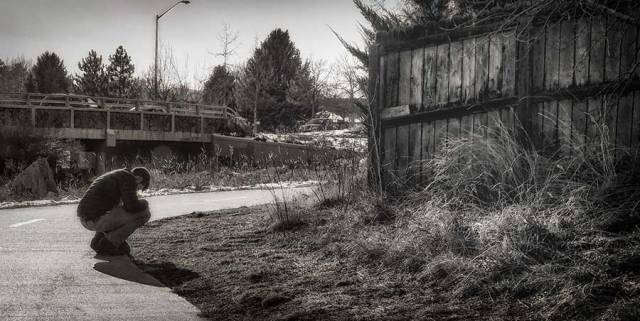
Nikon D750 f/8 1/3,200s 28mm ISO 800
This week my year-long commitment to study various elements of photography composition introduced me to lines: horizontal, vertical, diagonal, organic, and implied. Ted Forbes (The Art of Photography) wrote that while lines don’t actually exist in nature they are most likely the most basic element of visual composition. He further noted:
Lines serve many purposes in visual composition. They can divide the composition, they can direct the viewers eye, they can define shapes and they can make a statement to the feel or interpretation of the image by the viewer. Line’s speaking to the feel of a composition is extremely important.
horizontal

vertical
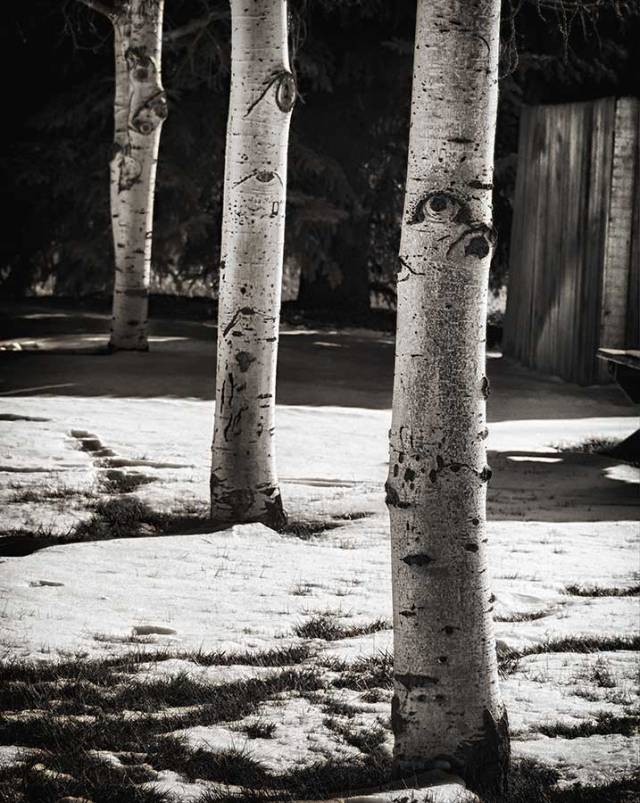
diagonal

organic
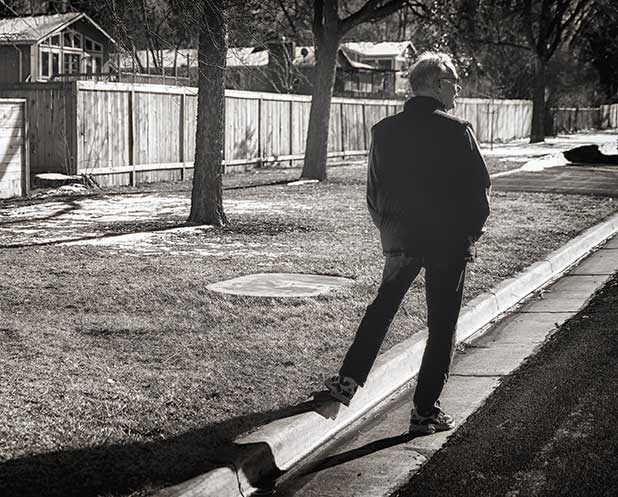
implied
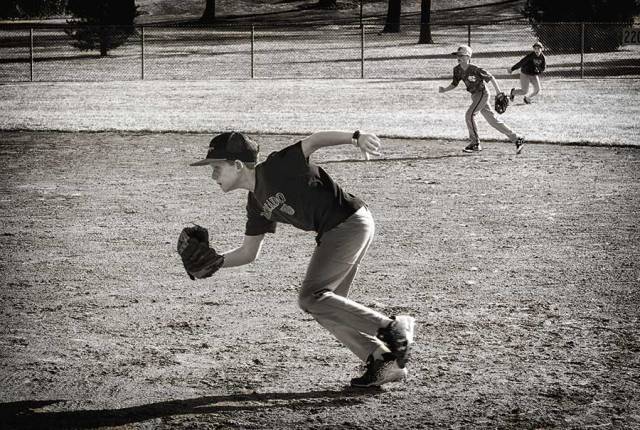
After this week, I am finding myself wondering about leading and curving lines as well finding myself in a bit of muddy water in regards to the differences between lines and shapes. Am I overthinking?
Would love to hear your thoughts and please feel free to join in.
To sum up this week here is Ted Forbes’, Photography Composition: Line.
 a meditative journey
You must be logged in to post a comment.