Replacing the rays
of late sun,
that streamed in the window,
shedding a different light
an early evening moon
~Saigyō (B Watson, Poems of a Mountain Home)

Richo GX100 f/4.1 1/200s 5.1mm ISO 80
Replacing the rays
of late sun,
that streamed in the window,
shedding a different light
an early evening moon
~Saigyō (B Watson, Poems of a Mountain Home)
Richo GX100 f/4.1 1/200s 5.1mm ISO 80
What is street photography?
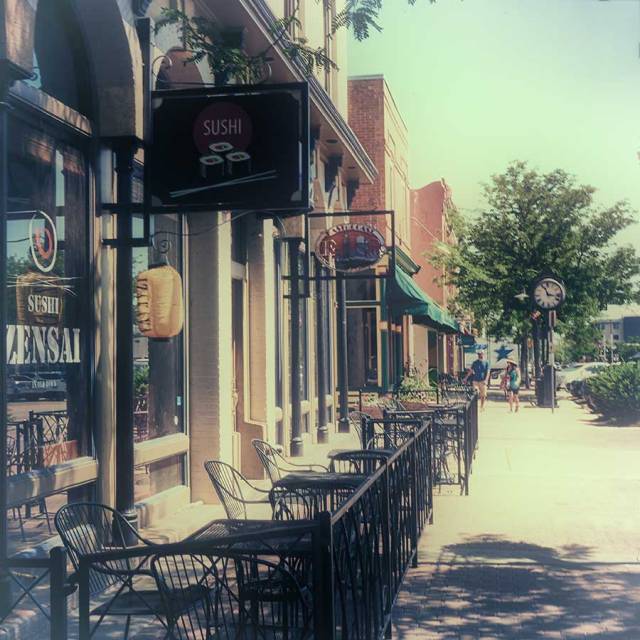
Nikon D750 f/22 1/25s 35mm 800 ISO
Nick Turpin writes that “…When a child picks up a camera and pushes the button that simple spontaneous image is a Street Photograph, it is, first of all, a raw reaction to the scene in front of it, a person, a car, a color. That primitive urge to react, to make a picture is at the heart of Street Photography beyond any other area of picture making, it comes before any other agenda.
“So we are all Street Photographers before we narrow our sights and impose conditions and rules on ourselves to become Portrait photographers, Fashion Photographers, Landscape Photographers, Art Photographers (whatever that really means) etc.”

Nikon D750 f/20 1/25s 35mm 800 ISO
Eric Kim defines street photography as the “…candid photography of life and human nature. It is a way for us to show our surroundings, and how we as photographers relate to them. We are filtering what we see, to find the moments that intrigue us, and to then share them with others. It’s like daydreaming with a camera.”

Nikon D750 f/1.8 1/10s 35mm 800 ISO
Within “The Ultimate Guide to Street Photography” James Maher writes “…the best image of your life can pop right in front of you on the way to get your morning coffee. This spontaneity is what’s celebrated. That is why grainy images, slightly off-kilter framing a-la Garry Winogrand, or import focus will not alway ruin a street photography. Sometimes they will, and we must aim for technical mastery, but other times they can add to the realness of the moment. Sometimes these deficiencies may actually improve the image.”
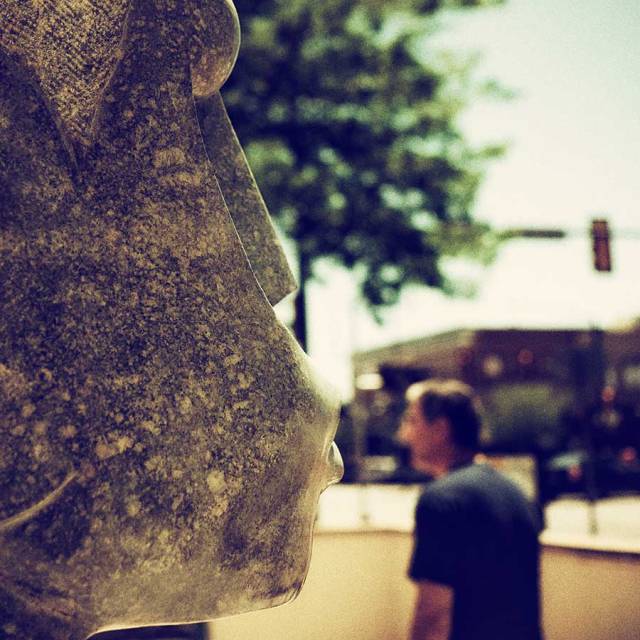
Nikon D750 f/2.5 1/2,500 35mm 800 ISO
Sometimes the best way to understand something is to put aside the book, silence the mind, and visually explore the creative works of others. With this in mind, I would like to introduce three of my favorite street photographers.
To journey through Salle de Shoot — Photographie’s blog is to inspired by his creative and unique examples of street photography.
The Streets of Nuremberg.com identifies street photography as “…a free creative design in which the artist’s impression…experiences are brought to life…the aim of street photography to depict reality unadulterated, whereby the specific artistic aspect is expressed in the conscious selection of the detail of reality and the design with photographic means.” To take the time to visit this blog is to view amazing street images as well as educational posts.
And finally, Reinhold Staden Photography’s gifts us with inspiring photography as well as a super visual journey through Berlin.
How do you understand street photography? Do you have one or three street photographers that inspire you? I would love to see your street images and read your ideas about street photography. Let’s tag with #aphotostudy.
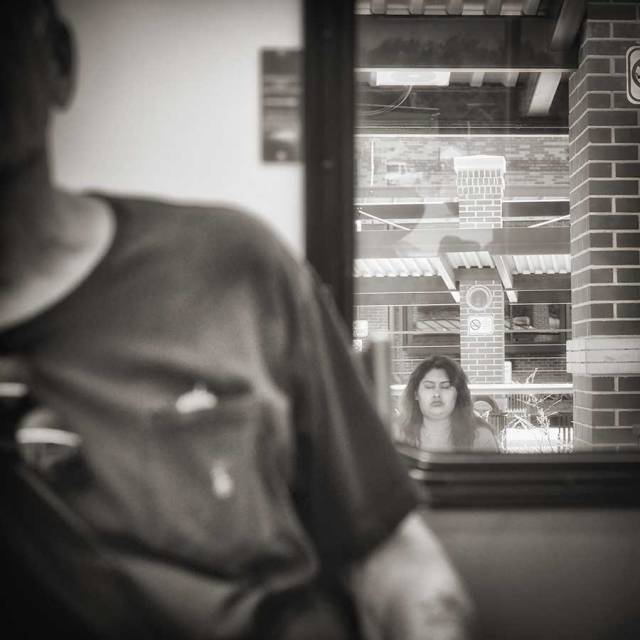
Nikon D750 f/2.5 1/40s 35mm 800 ISO

Nikon D750 f/22 1/25 35mm 800 ISO
“Playing with point of view, with the position of the figures and the wide palette of grays, he proved that photography, like painting, is–to borrow Maurice Denis’ famous dictum–‘essentially a surface plane covered with color in a certain assembled order.'”
cited: C Chérous, aperture masters of photography, Henri Cartier-Bresson, pg. 84
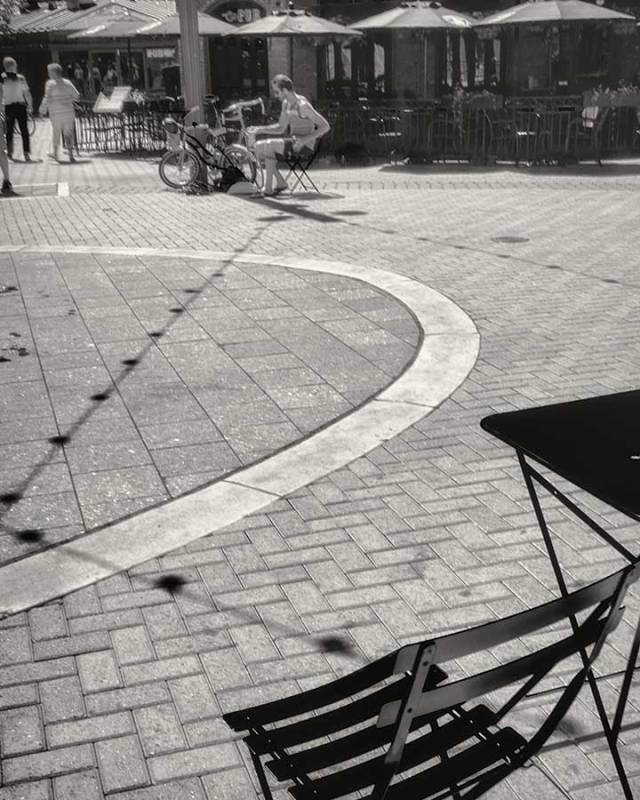
Nikon D750 f/22 1/25 35mm 800 ISO
“…after trying for so long to program computers to make drawings autonomously, I noticed one key factor that distinguished me from the machine: I wanted to make a good drawing. The first step in making a good drawing is recognizing and giving voice to the desire to create. The creative urge is the engine that will drive the great effort it takes to pursue art over the long term, and understanding the nature of this desire will be critical in staying motivated long enough to develop good work.
“…What makes a drawing good? It would be impossible to list all the qualities of a good drawing, and in any case the list would be different for each of us and each artwork we liked. Luckily, we don’t need a precise definition. We understand how to proceed with our creative work by developing our intuition and learning to pay attention to what we value and respond to.”
~J F Simon, Jr (Drawing Your Own Path)
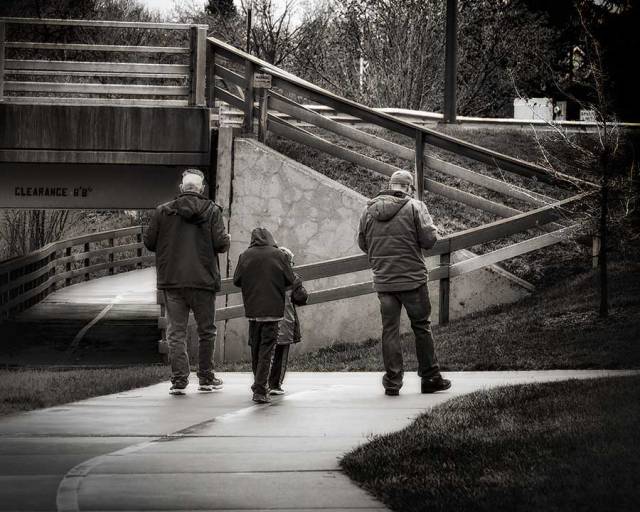
This week’s photo challenge has been inspired by Ted Forbes’ Using Low Angle video. Low-angle composition invites the photographer to create images with different and unique perspectives.


We generally experience our daily lives at eye level and often feel more comfortable photographing at eye level. Low angle photography invites us to look up…to create images from any point below eye level which gives the effect of looking up at an object or person. Also you can go to the extreme and show a worm’s eye view of the world.
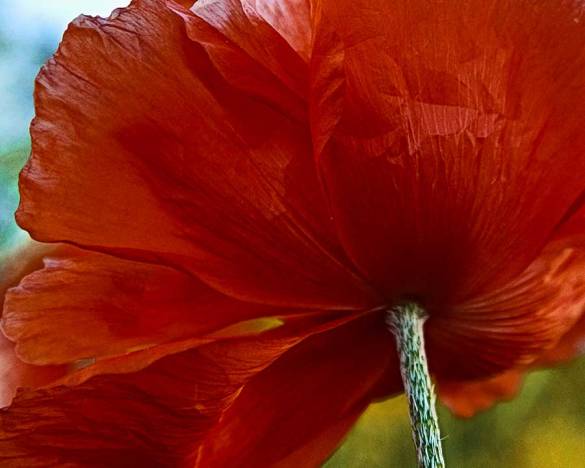
A worm’s-eye view is a view of an object from below, as though the observer were a worm; the opposite of a bird’s-eye view. It can be used to look up to something to make an object look tall, strong, and mighty while the viewer feels child-like or powerless. A worm’s eye view commonly uses three-point perspective, with one vanishing point on top, one on the left, and one on the right.
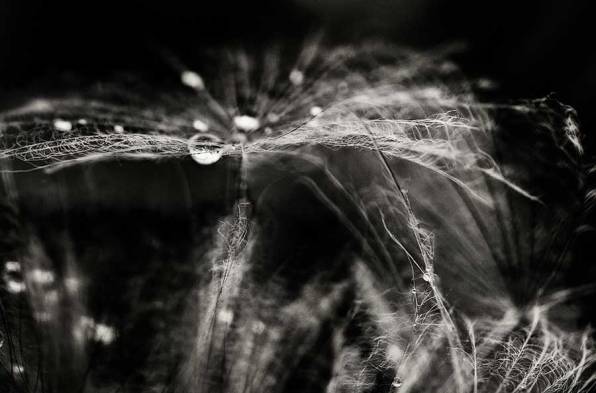
To photograph low angle composition, you will need to crouch, bend, or get down onto the floor. A personal note ― have found that when crouching I need to find a way to brace myself as without there often is a slight tremble which, sigh, results in a blurred image.
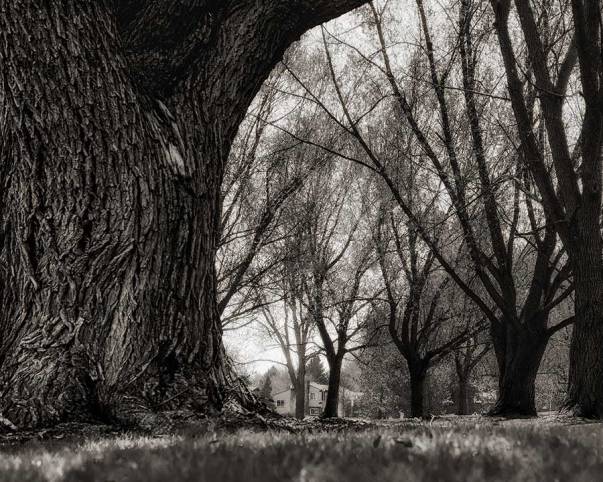
A low angle perspective increases the height of the subject.
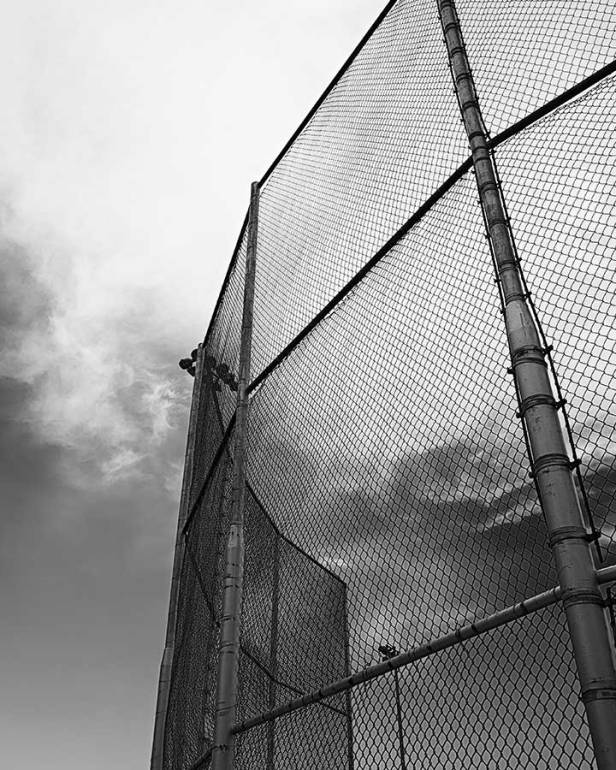
It creates an image where the subject appears more powerful and dramatic.
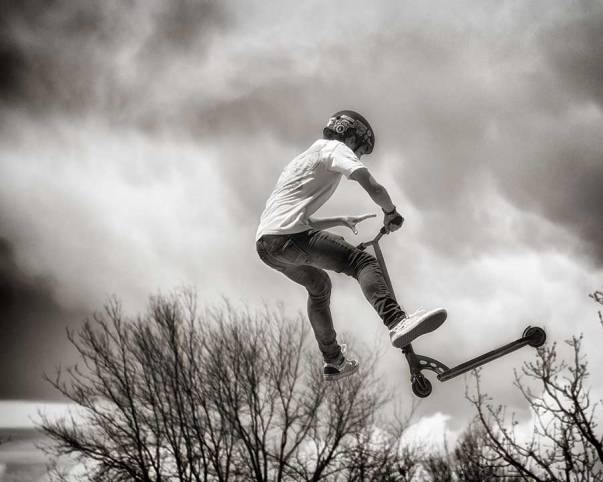
It lends empathy to a viewer as through a shared experience of a toddler’s world within a playground setting or standing before three-feet ocean waves.


This angle is also great when you wish to capture the mood.
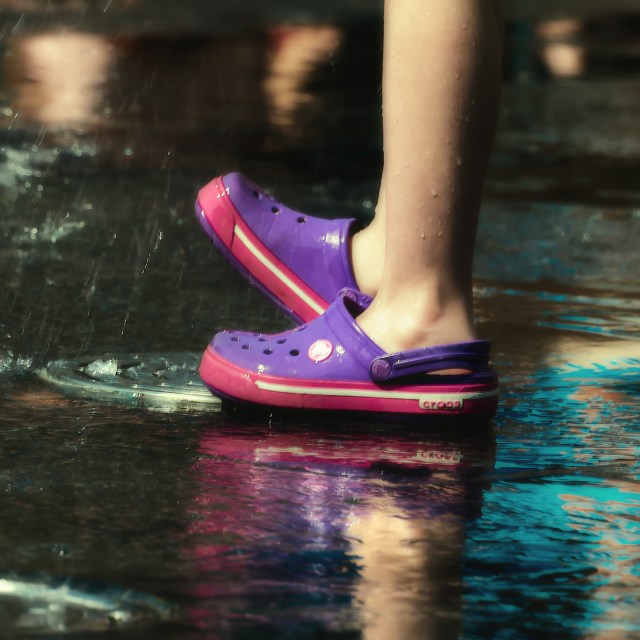
I began this photo study project about 18 weeks ago with an intention to develop, expand, and share my understanding of photography throughout 2018. Regrettably, I am finding that this project is being negatively impacted by some vision difficulties which may require eye surgery within the next couple of months. Consequently, I have decided to reblog some photo educational posts from other bloggers…sorta like using blogs as substitute teachers. I hope you will find them as inspiring and informative as I have.
To close this week’s photo study, please enjoy these two Ted Forbes’ videos on low angle photography.
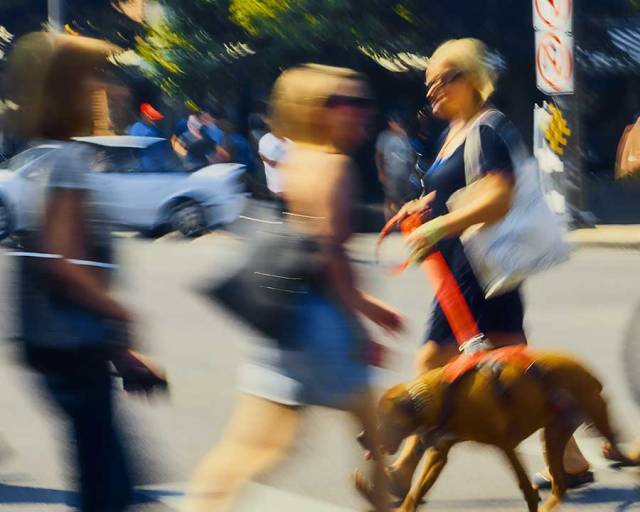
Nikon D750 f/32 1/15 65mm 100 ISO
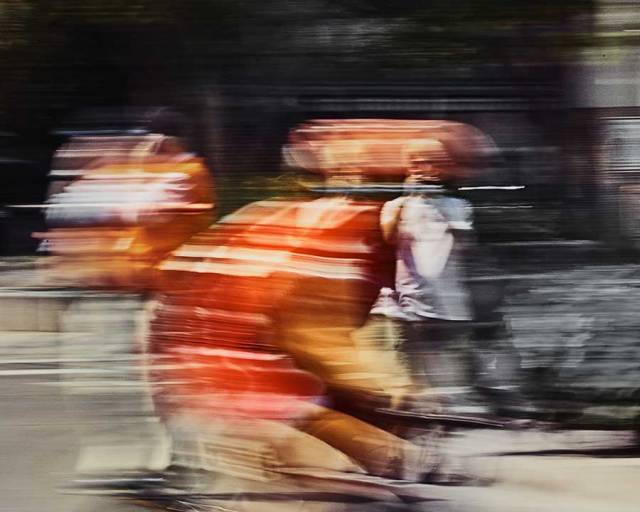
Nikon D750 f/36 1/16s 135mm 100 ISO
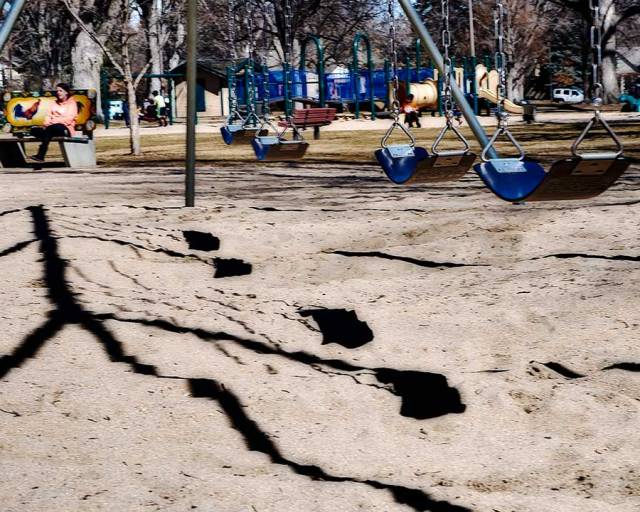
Nikon D750 f/7.1 1/20 35mm 100 ISO

Nikon D750 f/4 1/160 s 55 mm 800 ISO

Looking for curves…Nikon D750 f/7.1 1/80s 35mm 100 ISO
“Photography is a medium where one admires the work done by others…It is great to admire the work of other people, but it’s necessary to have one’s own distinctive style…I would rather be a mediocre photographer than an excellent imitator..the best thing I have ever heard about my work is when someone said, “that is unmistakably a Ralph Gibson photograph…” ~Ralph Gibson
During a taped interview with COOPH, Ralph Gibson shares a koan that was offered to him by Dorothea Lange, “Oh, I see your problem Ralph you have no point of departure.”
To which Ralph replied, “That’s true Dorothea. What is the point of departure?
“Well if you have your camera and you’re going down to the drugstore to buy toothpaste…you have an objective to buy toothpaste…you might then intersect something worth photographing. But if you just walk around the street looking for something to shoot you will never achieve very much.”
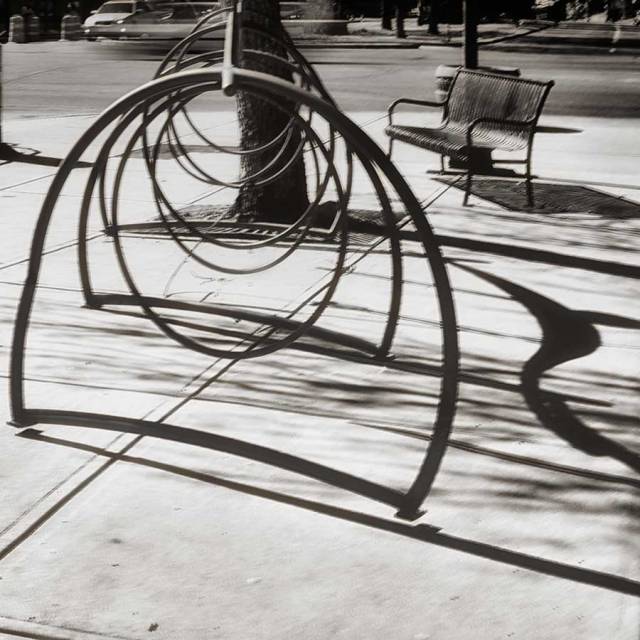
Looking for geometric shapes….Nikon D750 f/7.1 0.4s 24mm 100 ISO
Ralph Gibson has expanded his initial understanding of a point of departure. It guides him to be looking for an unusual point of interest or perspective in an ordinary frame. To help achieve this point of departure, he notes, “Take your camera everywhere with you… If you have your camera in tow, chances are that you might come across a striking frame. But, if you just stand at the corner of a street and wait for something to happen, you will never get a picture.”
“To have a point of departure is not to go out and shoot. It’s to have a project in mind and going out looking for a shot that represents or showcases this emotion or concept that your project is about.” ~Ralph Gibson
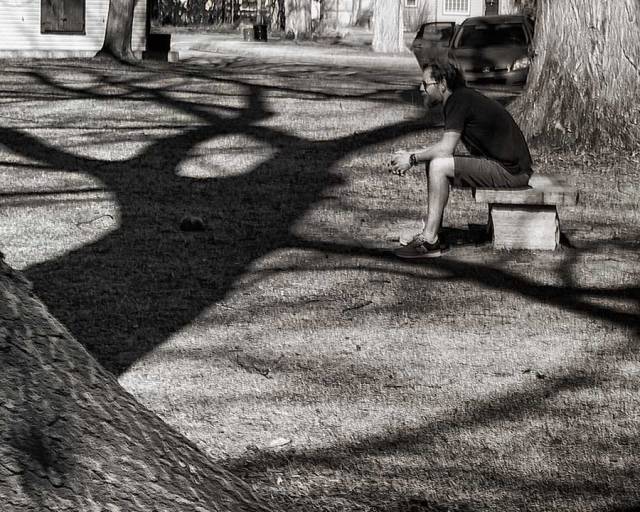
looking for shadows…Nikon D750 f/7.1 1/30s 35mm 100 ISO
“From now on, before I go shoot, I’ll consult internally to focus on one thing I want to capture, and have that point of departure. It’ll give purpose to my work and me being out there. The advantages are that I’ll learn patience, presence and a deeper sense of observation. This is a powerful and deep message…have a point of departure.” ~Ralph Gibson

looking for shadows…Nikon 750 f/7.1 1/15s 35mm 100 ISO
“I have investigated a lot of ideas—I love taking pictures of nothing, of ordinary objects, maybe even just the corner of a room. I love flattening and even reducing things. When I photograph flesh, I like to make it look like a stone. But, when I am photographing a stone, I like to make it look alive. I love re-contextualising the quality of my subjects.”~Ralph Gibson
Why not take a few minutes to wander about a gallery of Ralph Gibson’s work: http://www.ralphgibson.com/gallery.html
As I’ve noted before, I have enjoyed the process of sharing ideas and images. I’m looking forward to reading your thoughts about point of departure.
 a meditative journey
You must be logged in to post a comment.