In the summer night
The evening still seems present,
But the dawn is here.
To what region of the clouds
Has the wandering moon come home? ~Kiyohara no Fukayabu
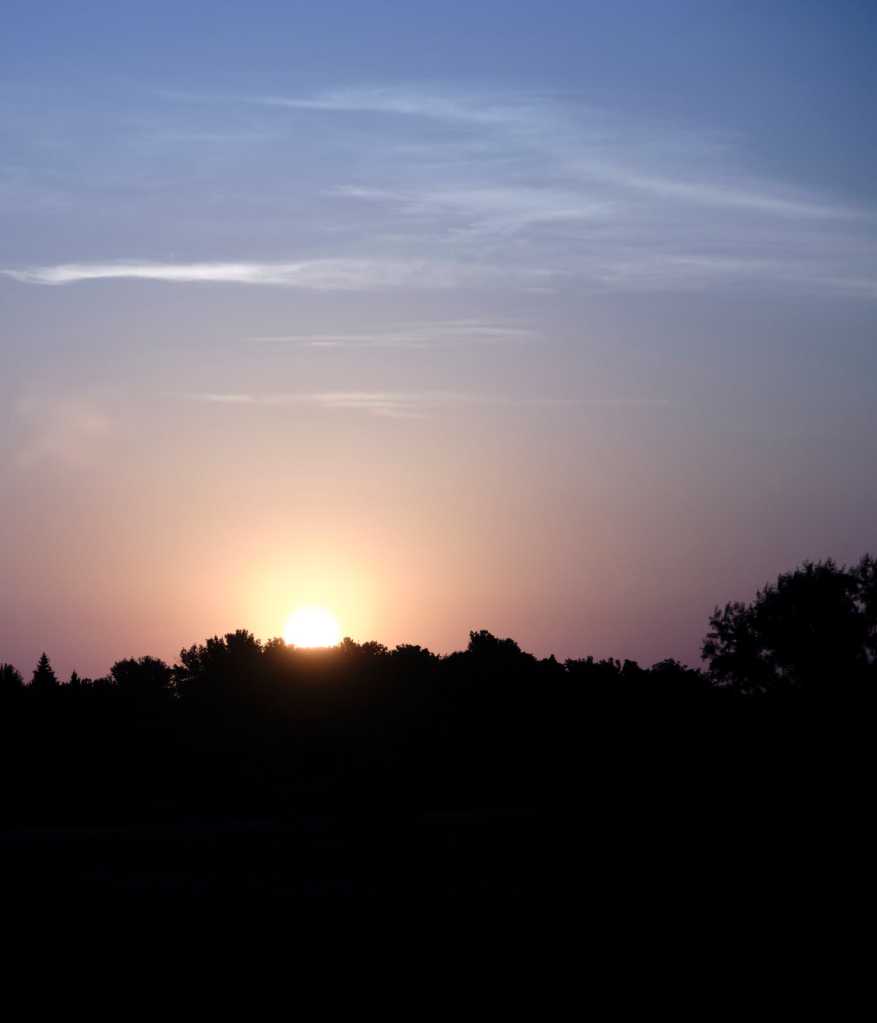
Hammad Rais’ Weekend Sky

In the summer night
The evening still seems present,
But the dawn is here.
To what region of the clouds
Has the wandering moon come home? ~Kiyohara no Fukayabu
Hammad Rais’ Weekend Sky

When the swallows returned last year they made their nest in the embroidery room. They gathered clay from the flower-garden, and scattered dust over harp and books.
When the swallows returned this year, no one heard their twittering speech. She who had rolled up the screen for them was there no more… in the amber twilight a soft pattering rain.~Hsin Ch’i-chi*

Hammad Rais‘ Weekend Sky
*cited: Trans. Anonymous. The Jade Flute Chinese Poems in Prose. The Project Gutenberg Ebook of The Jade Flute.

Let the winds of heaven
Blow through the paths among the clouds
And close their gates.
Then for a while I could detain
These messengers in maiden form.~Sôjô Henjô
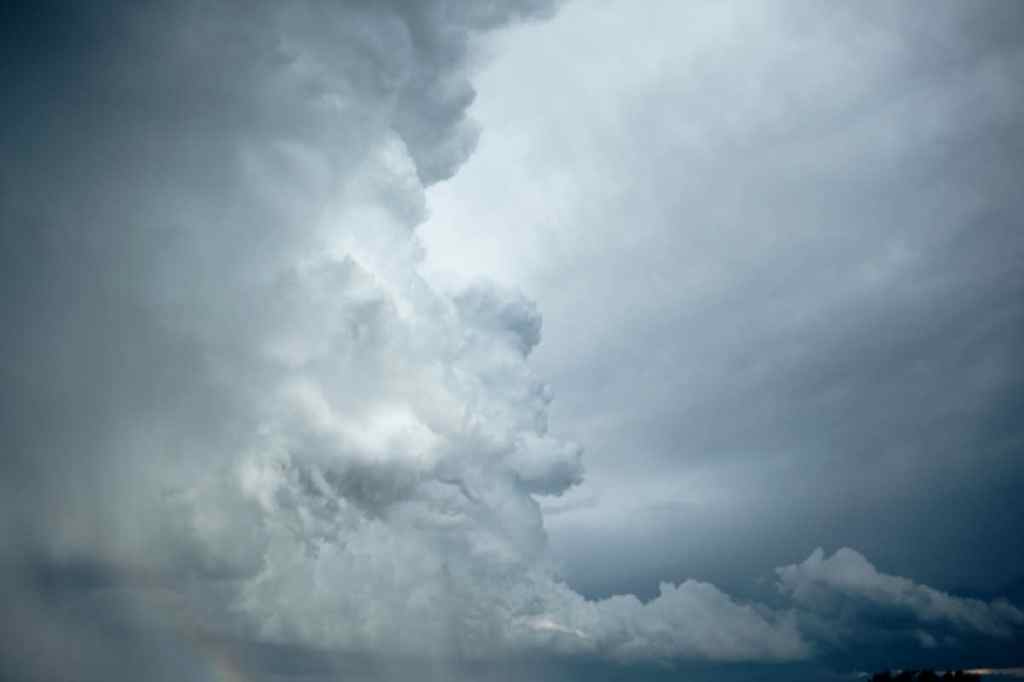
Hammad Rais’ Weekend Sky
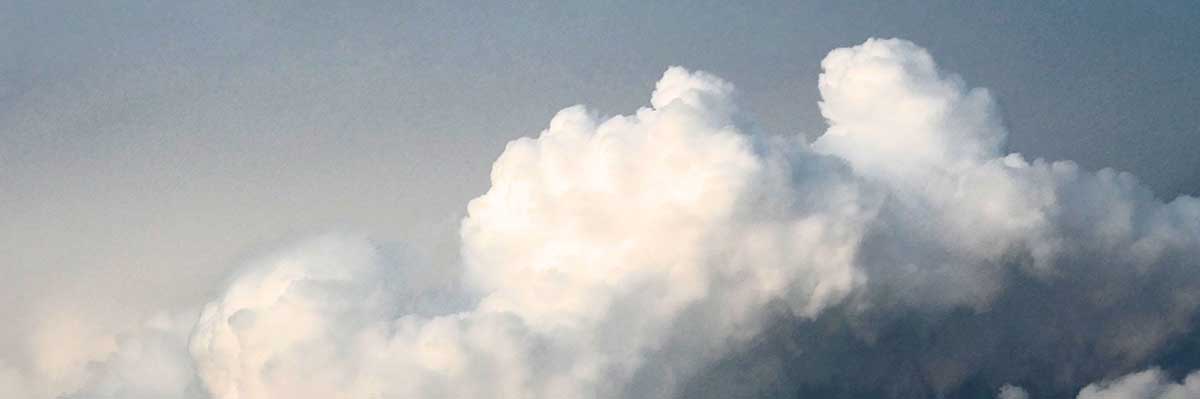
Twilight watering…
and please,
a cooling sprinkle
for wrens and crickets ~Kikaku*

Hammad Rais’ Weekend Sky
*cited: The Eternal Grasshopper

An Elder Dragon
is a tiny Dragon
who never gave up.~James Norbury (Big Panda and Tiny Dragon)

Hammad Rais’ Weekend Sky
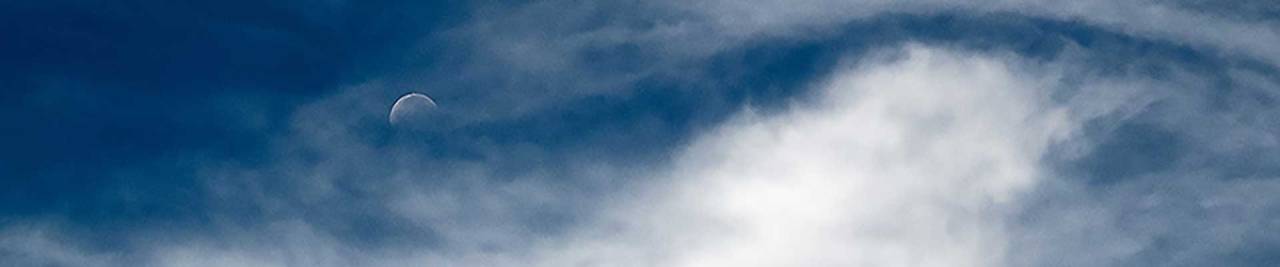

“I’m tired,” sighed Tiny Dragon.
“Then it’s time to stop,” said Big Panda.
“Watch the stars, and have a cup of hot tea.”*

Hammand Rais‘ Weekend Sky
*cited: James Norbury, Big Panda and Tiny Dragon.
The temple bell roused me from dreams
And waiting for the starlit dawn
The night, alas! was long as are
One hundred autumn nights.~The Sarashina Diary*
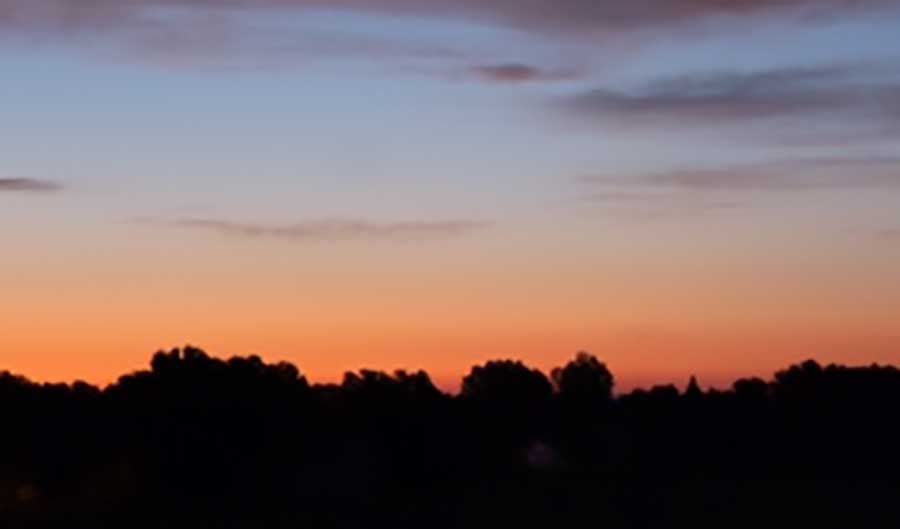
*cited: Translated: Annie Shipley Omoni & Kōchi Doe. Diaries of Court Ladies of Old Japan Boston and New York: Houghton Mifflin Co., 1920.
by firelight
listening to the silence
of things we can’t see ~Larry Gross*

*cited: Jackie Hardy, Haiku Poetry Ancient & Modern
“One of the first questions a curious child often asks about the natural world is “why is the sky blue?” Yet despite how widespread this question is, there are many misconceptions and incorrect answers bandied about — because it reflects the ocean; because oxygen is a blue-colored gas; because sunlight has a blue tint — while the right answer is often thoroughly overlooked. In truth, the reason the sky is blue is because of three simple factors put together: that sunlight is made out of light of many different wavelengths, that Earth’s atmosphere is made out of molecules that scatter different-wavelength light by different amounts, and the sensitivity of our eyes. Put these three things together, and a blue sky is inevitable.”
(cited:Forbes, Ethan Siegel & Starts With A Bang, Why the Sky is Blue, According to Science: Forbes)
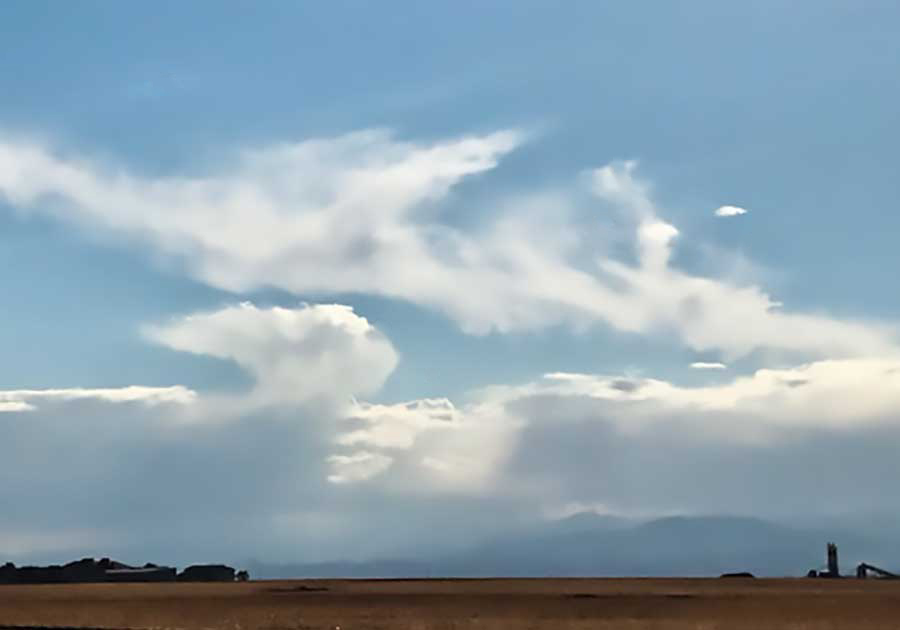
Skyscape submitted in response to Blog of Hammad Rais’ Weekend Skies #45
“Have you ever wondered how much a cloud weighs? Because they float so effortlessly, it would be easy to assume they are almost weightless. But, they are most certainly not.”
According to scientists, the weight of the average cumulus cloud is 1.1 million pounds! Think about that for a moment. This means that at any given moment, there are millions of pounds of water floating above your head. That’s the equivalent of 100 elephants.
So, how does that much weight stay afloat? For one thing, the weight is spread out into millions of droplets over a really big space. Some of the droplets are so small that you would need a million of them to make a single raindrop.” cited: headsup.scoutlife.org

image and a bit of science submitted in response to Blog of Hammad Rais’ Weekend Skies

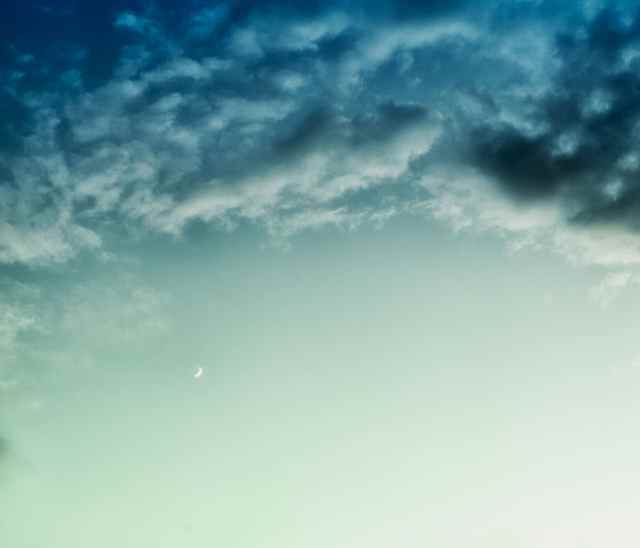
 a meditative journey
You must be logged in to post a comment.