early morning reading

“Klaas, all really wanted to say is this: we have so much work to do on ourselves that we shouldn’t even be thinking of hating our so-called enemies. We are hurtful enough to one another as it is. And I don’t really know what I mean when I say that there are bullies and bad characters among our own people, for no one is really ‘bad’ deep down. I should have liked to reach out to that man with all his fears, I should have liked to trace the source of his panic, to drive him ever deeper into himself, that is the only thing we can do, Klass, in times like these.

“And you, Klass, give a tired and despondent wave and say, ‘But what you propose to do takes such a long time and we don’t really have all that much time, do we? …

“And I repeat with the same old passion, although I am gradually beginning to think that I am being tiresome, ‘It is the only thing we can do, Klass, I see no alternative, each of us must turn inwards and destroy in himself all that he thinks he ought to destroy in others. And remember that every atom of hate we add to this world makes it still more inhospitable. …'”

cited: The Interrupted Life The Diaries of Etty Hillesum, pp.179-180.

Trans: Arno Pomerans

head pillowed on arm…

head pillowed on arm, 

such affection for myself?

and this smoky moon

                                                             ~Buson*

*cited in

The Sound of Water

Trans: Sam Hamil

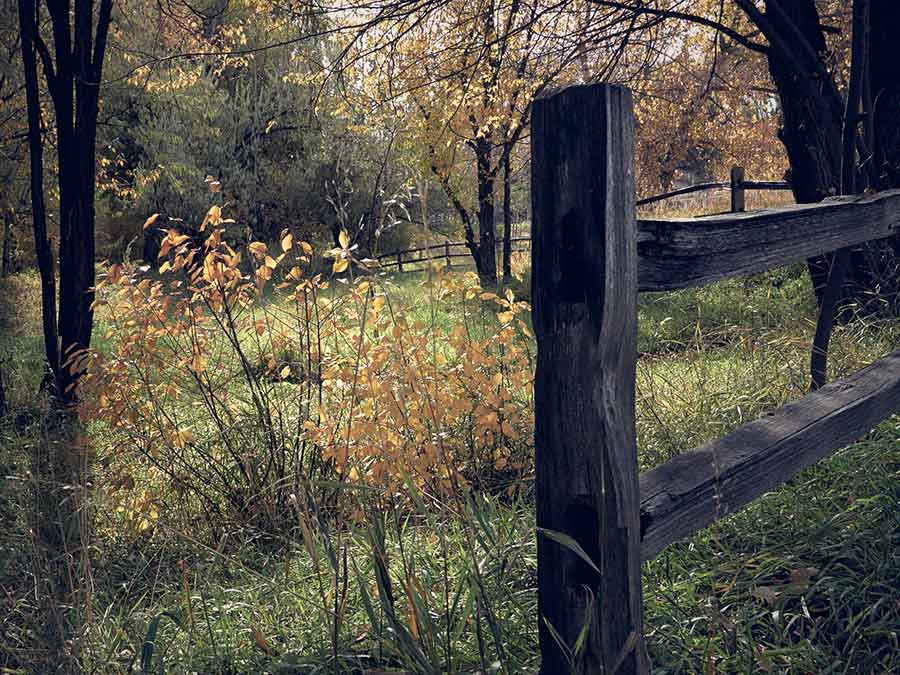
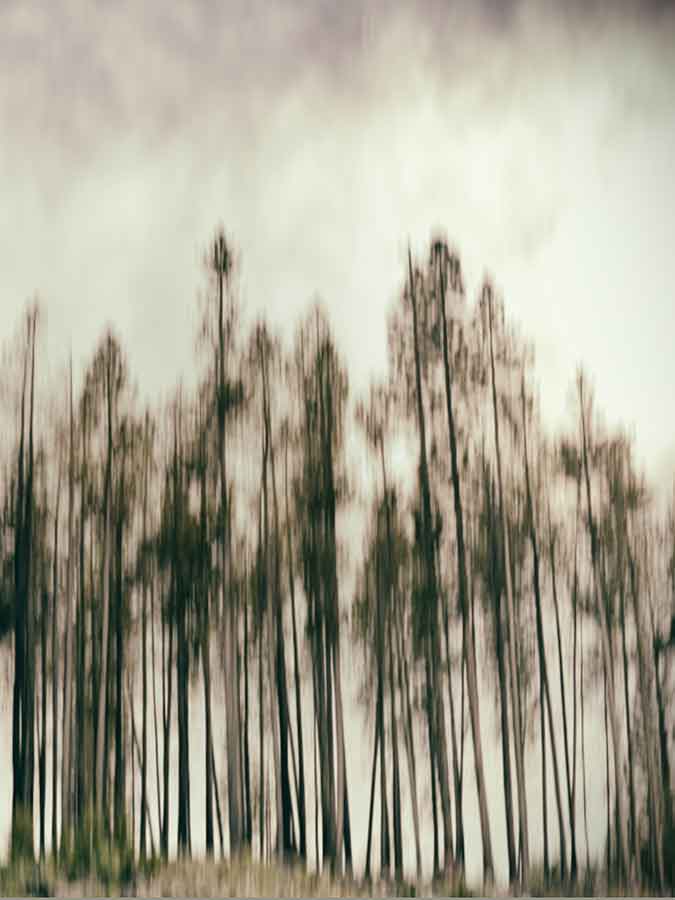
As I was reviewing old post, these were two WP images and one haiku that were posted in April, 2013

lens-artist photo challenge: layered

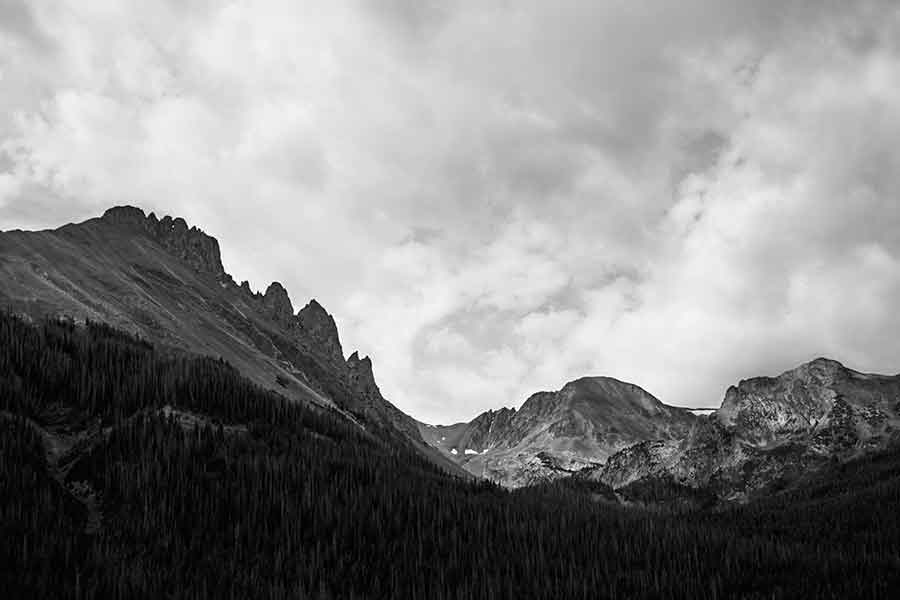
Ceaseless tears–clouded mind: 
Bright scene–moon-shadow.

~The Sarashina Diary

(cited: Trans: AS Omori & K Doi, Diaries of Court Ladies of Old Japan)

Cameron Pass, Colorado 2018 Nikon D750 f/4.5 1/800s 24mm 100 ISO

Image and poem submitted in response to Lens-Artists Photo Challenge: layered

earth friday

Communities in the Four Corners — where the borders of Colorado, Utah, New Mexico and Arizona meet — have been bouncing between desperately dry and record-breaking moisture since the winter of 2017, forcing people dependent on the reliability and predictability of water to adapt

“We’ve set records almost every year, good or bad. So hot, so dry. So much snow, the river’s too high. It’s just incredibly bipolar”

Luke Runyon, KUNC . “Climate Whiplash Test Four Corners Communities’ Ability to Adapt.” October 9, 2019.

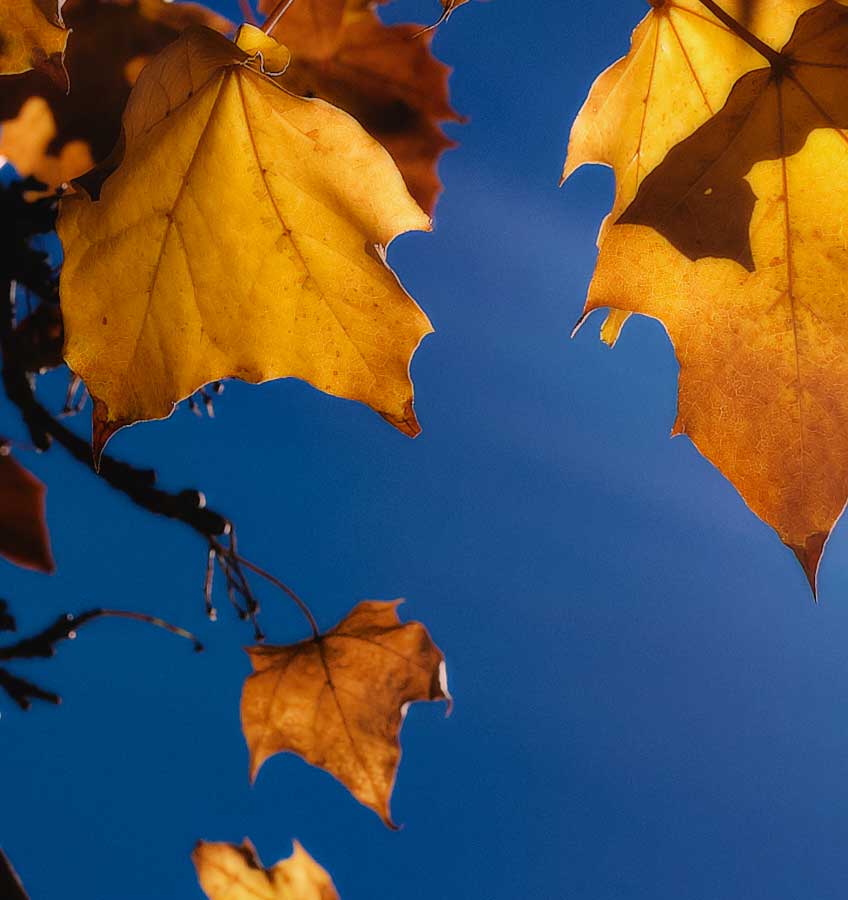
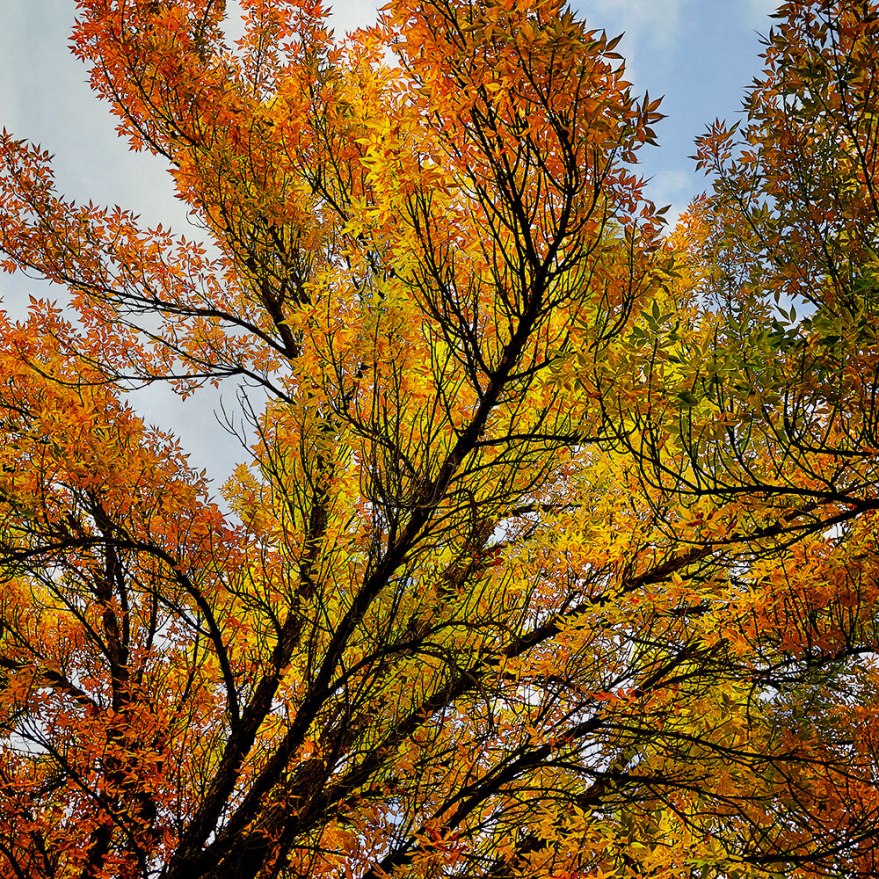
Autumn

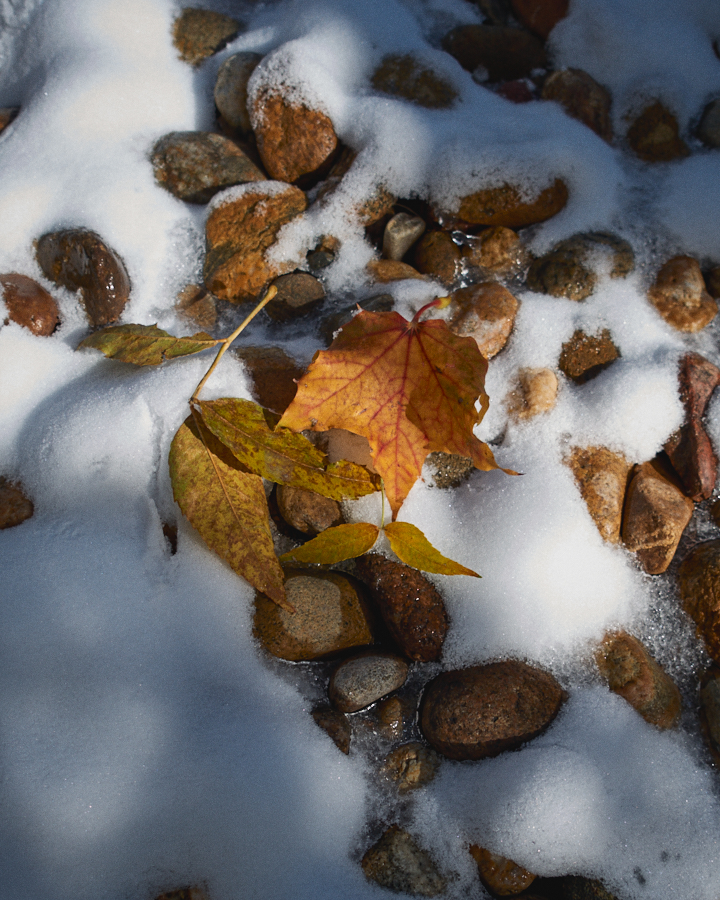
autumn 2019 Sony RX1003 f/2.8 1/125s 12.2mm 80 ISO

Land Acknowedment:

Colorado State University acknowledges, with respect, that the land we are on today is the traditional and ancestral homelands of the Arapaho, Cheyenne, and Ute Nations and Peoples. This was also a site of trade, gathering, and healing for numerous other native tribes. We recognize the indigenous peoples as original steward of this land and all the relatives within it. As these words of acknowledgment are spoken and heard, the ties nations have to their traditional homelands are renewed and reaffirmed.

earth friday

If there be no little pines in the field
How shall I find the symbol of 1000 ages?

~The Diary of Murasaki Shikibu (cited: Diaries of Court Ladies of Old Japan)

Snowy Range, Wyoming (2018) … Nikon D750 f/4 1/2000 34mm

“These lands, siblings of the Rockies,

hold many lessons and ways of being.”

D Martinez & L Schnider (CSU) The Land Holds Memories, September 2019

“Where the prairie converges with the plains, the foothills watch. They have long been the relatives of these lands and witnesses to all adventures, explorations, and settlings. The plains and prairie have also long been partners in this space; they are the original innovators, the knowers and teachers. The foothills remain present as protectors of those west winds and incubators of the snow and rain that feed these spaces, peoples, and purposes.

Our sense of this place, our sense of this land, is beckoned through this convergence and their an­cestral traditions. Waters flow in snake rivers, are cradled in valleys where corn and long grasses, such as Indian ricegrass and needlegrass, grew and grow, dozens of flowers, includ­ing prickly poppy, yucca, rabbitbrush, and prairie sunflowers, bloom and nestle; these are the homes for the bison, prong­horn, and deer, as well as swift fox, burrowing owls, and gold­en eagles.

These lands, siblings of the Rockies, hold many lessons and ways of being. The clay still holds knowledge and foot­prints of beings, events, and experiences. It, the clay, waits for new stories and new understandings. Communities were here over 12,000 years ago; those were the times of the mammoth. And, although they are often called the Paleo-Indians, they were here: relatives, ancestors of societies and knowers of land, sensors of place, and practitioners of purpose….”