Leaves on the reeds
will be suffering to –
after a storm
~Ikkado Joa (S Carter, Haiku before Haiku)

Leaves on the reeds
will be suffering to –
after a storm
~Ikkado Joa (S Carter, Haiku before Haiku)
Being alone
may also be pleasant –
autumn dusk.
~Buson (Y Sawa, Haiku Master Buson)

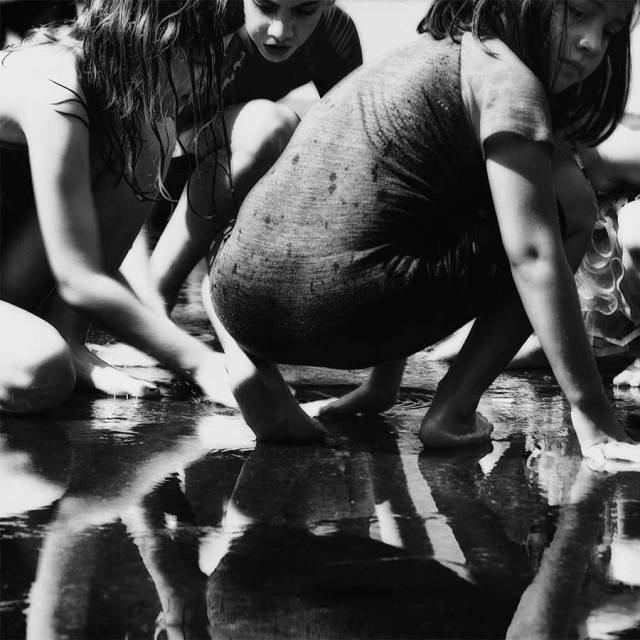
Nick Cave and Warren Ellis create film and theatre scores that are elegantly minimal, hauntingly beautiful and instantly recognisable as theirs alone. Full of light and shade, creeping dread and inconsolable yearning, these heavily instrumental sound paintings inject aching humanity into ghostly frontier towns, parched desert vistas and post-apocalyptic war zones. Most are built around the duo’s intertwined piano and violin melodies, with sporadic use of guitar, flute, mandolin, celeste, percussion and other elements. Vocals are rare and sparing. But even without lyrics, they are always lyrical.

Nikon D750 f/3.2 1/1,000 s 40 mm ISO 100
A raindrop resting upon the fragile lace of goats beard, a pesky weed, an amazing umbrella for Thumbelina. It has been told that an old widowed woman planted a seed given to her from a good witch and within the flower that grew from that seed was a little girl no bigger than the old woman’s thumb. Fairy tales can be somewhat dark, but not the story of Thumbelina.

Sea Prayer: a 360 illustrated film by award-winning novelist Khaled Hosseini. Please note that that 360 videos are not supported on Safari. Chrome is recommended.

You can learn about the pine only from the pine, or about the bamboo only from bamboo. When you see an object, you must leave your subjective pre-occupation with yourself; otherwise you impose yourself on the object, and do not learn. The object and yourself must become one, and from that feeling of oneness issues your poetry. However well phrased it may be, if your feeling is not natural—if the object and our self are separate—then your poetry is not true poetry but merely your subjective counterfeit.
~ Basho*
Keith Kenniff is an American composer, multi-instrumentalist, and electronic music producer. He composes ambient/electronic music under the moniker Helios and post-classical piano music under Goldmund.

Year by year, season by season, day by day
quietly in the memories of children I live.
In my sleeves, drifting in peaceful slumber
tiny whispered wishes, two or three.
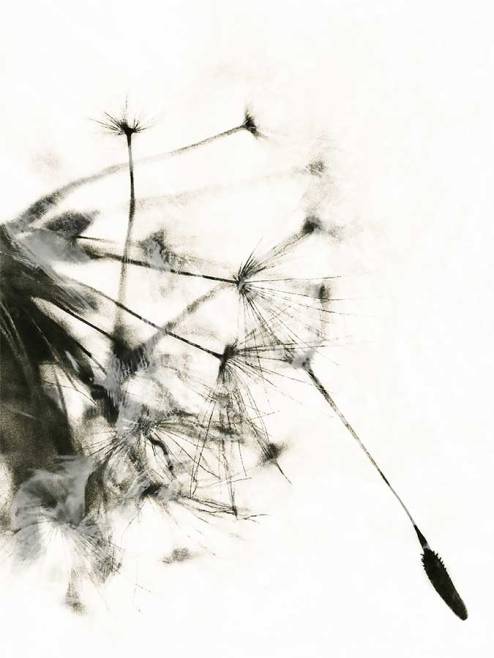
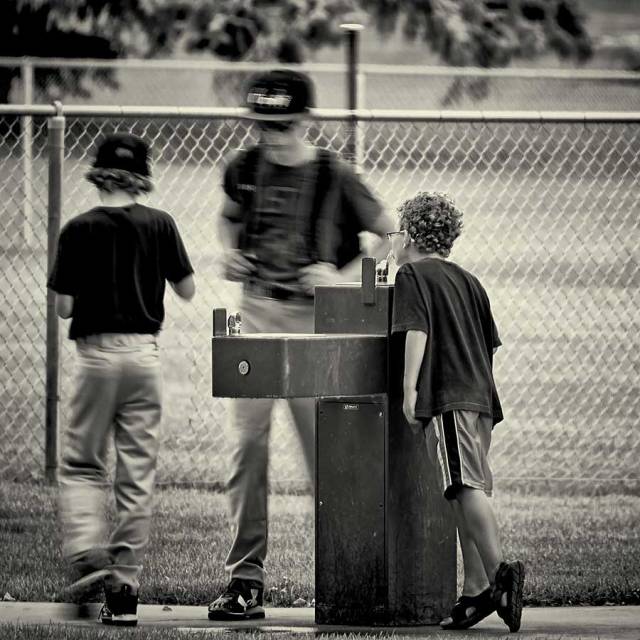
summer’s ending
Max Richter was born on March 22, 1966 in Hamelin, Lower Saxony, West Germany. He was nominated for Breakout Composer of the year in 2008 by the International Film Music Critics Association (IFMCA).
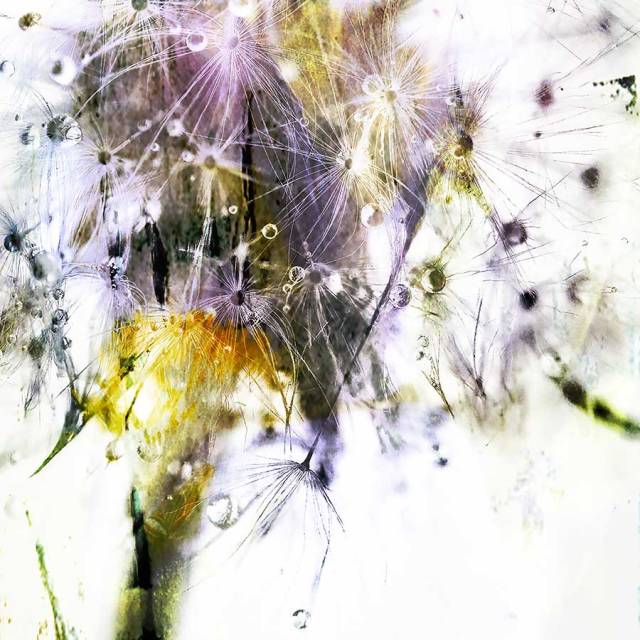
tears
The Belgian composer Wim Mertens (born 1953) is an international recording and performing artist who has given countless concerts, as a soloist and with his ensemble, all over Europe, North and Central America, Japan, Thailand and in Russia. He initially studied at the Conservatory of Brussels and graduated in political and social sciences at the K.U. Leuven and Musicology at the R.U. Gent. In 1998, Mertens became the Cultural Ambassador of Flanders.
Again
I sneak into your garden
to eat arena berries.
(Please keep yourself hidden
until I go away!)
~Ryokan, cited in: K Tanahashi, Sky Above, Great Wind
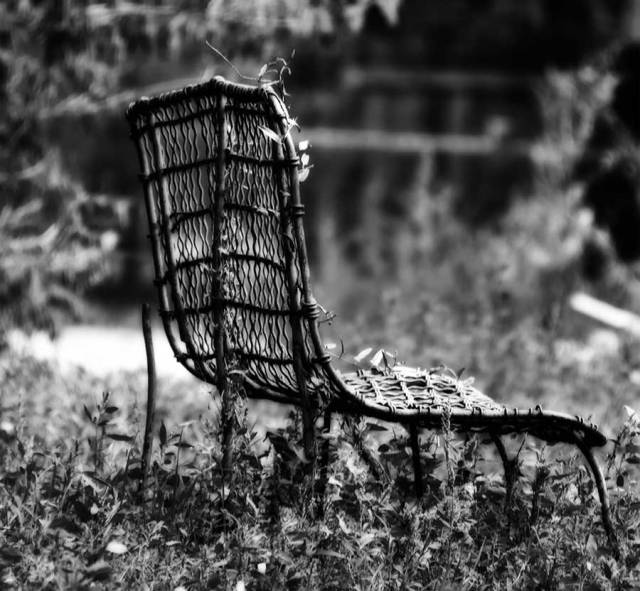
During a recent photo walk, I found myself ignoring a “no trespassing” sign while silently rehearsing innocent detail. If I had not been somewhat oppositional, I would have missed this interesting chair being re-weaved by nature as well as a water lily pond and a kingfisher. Much the same as Ryokan, 190+ years ago, I found myself hoping the homeowners would keep themselves hidden until I went away.




You must be logged in to post a comment.