art
Have you ever pretended things?
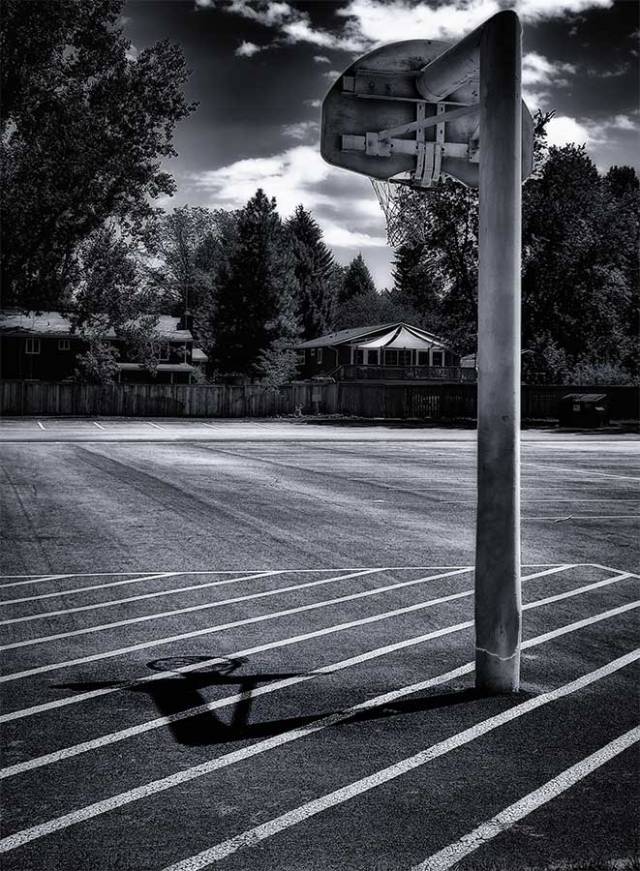
Shadow Basketball
“Why, any one can make up things,” she said. “Have you ever tried?”
She put her hand warningly on Emengarde’s.
“Let us go very quietly to the door,” she whispered, “and then I will open it quite suddenly, perhaps we may catch her.”
She has half laughing, but there was a touch of mysterious hope in her eyes which, fascinated Emengarde, though she had not the remotest idea what it meant, or whom it was she wanted to “catch,” or why she wanted to catch her. Whatsoever she meant, Emengarde was sure it was something delightfully exciting. So, quite thrilled with expectation, she followed her on tiptoe along the passage. They made not the least noise until they reached the door. Then Sara suddenly turned the handle, and threw it wide open. Its opening revealed the room quite neat and quiet, a fire gently burning in the grate, and a wonderful doll sitting in a chair by it, apparently reading a book.
“Oh, she got back to her seat before we could see her?”
Sara exclaimed, “Oh course they always do. They are as quick as lightning.”
Emengarde looked from her to the doll and back again.
“Can she — walk?” she asked breathlessly.
“Yes,” answered Sara. “At least I believe she can. At least I pretend I believe she can. And that makes it seem as if it were true. Have you ever pretended things?”
~Frances Hodgson Burnett, A Little Princess
wandering
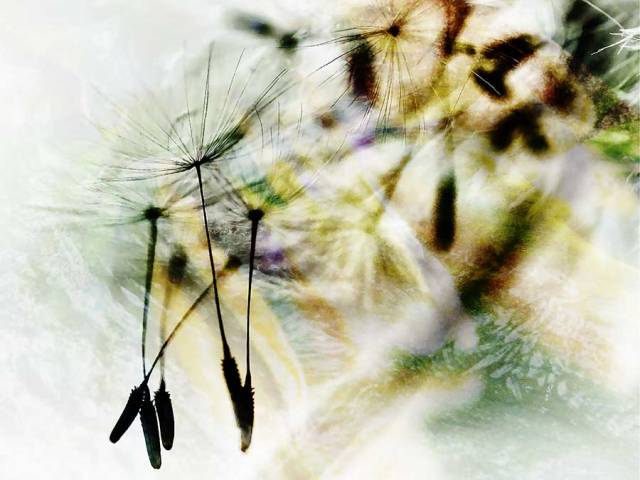
dandelion project
“Bodhi means being awake, and satttva means a living being, so bodhisattva means an awakened being. All of us are sometimes bodhisattvas, and sometimes not.

“Understanding is like water flowing in a stream. Wisdom and knowledge are solid and can block our understanding. In Buddhism, knowledge is regarded as an obstacle for understanding. If we take something to be the truth, we may cling to it so much that even if the truth comes and knocks at our door, we won’t want to let it in.”
Thich Nhat Hanh, The Heart of Understanding
wandering
A stick of incense stands by my pillow.
When the lantern dims, I pour some oil.
I add more clothes as the night deepens.
If you don’t mind my bare hospitality,
please keep wandering in.
~Ryokan (K Tanahashi, Sky Above, Great Wind)

twilight bell
The twilight bell
I waited for
is sounding —
if tomorrow is granted me,
I’ll listen for it again.
~Saigyo (B Watson: Poems of a Mountain Home)

moon painting
Won’t you sing?
I will get up and dance.
How can I sleep
with the timeless
moon this evening?
~Ryokan (K Tanahashi: Sky Above, Great Wind)
glimmer
In the mountain shade,
water in the moss
drips between rocks.
I feel a glimmer of clarity.
~Ryokan (K Tanahashi: Sky Above, Great Wind)

black & white sunday: after and before
See and realize
that this world
is not permanent.
Neither late nor early flowers
will remain.
~Ryokan (K Tanahashi: Sky Above, Great Wind)

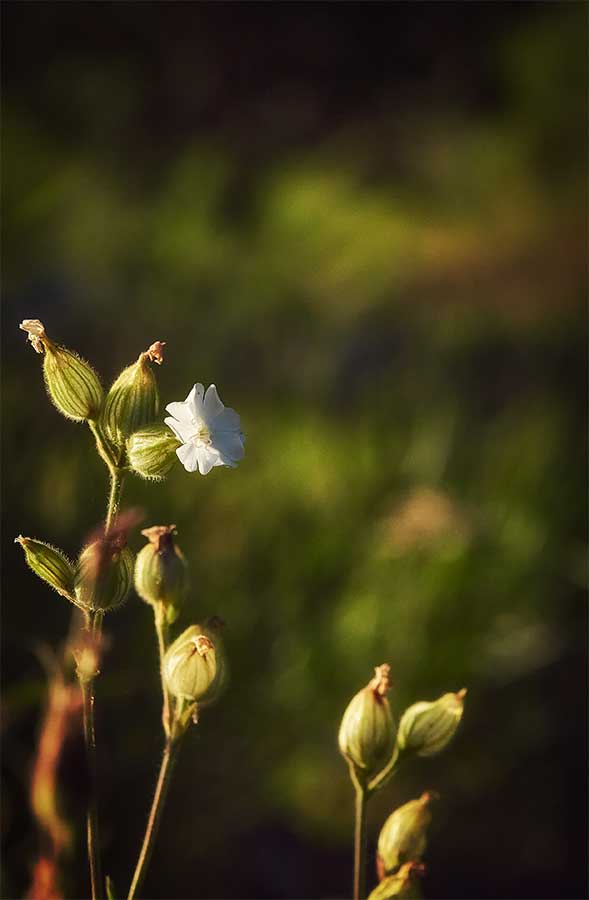
An early summer morning in Poudre Canyon…submitted in response to Lost in Translation’s photo challenge
morning sky
Chat about the snow
on Fuji’s peak–
and summer is no more
~Sanjonishi Sanetaka (S Carter, Haiku before Haiku)
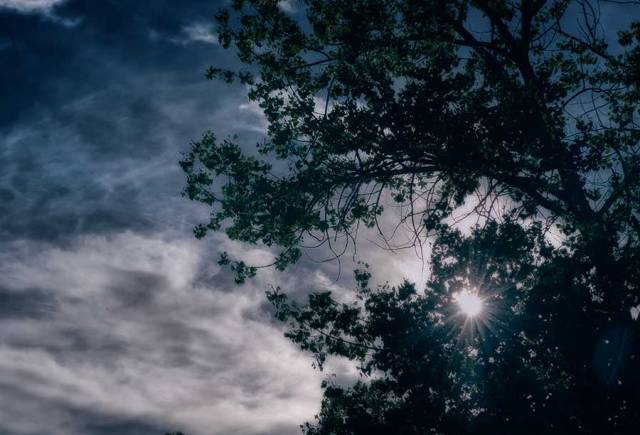 “When I look at the trees in front of me, my mind does not go outside of me into the forest, nor does it open a door to let the trees in. My mind fixes on the trees, but they are not a distant object. My mind and trees are one. The trees are only one of the miraculous manifestations of the mind.”
~Thich Nhat Hanh (The Sun My Heart)
beauty in patterns of shadows
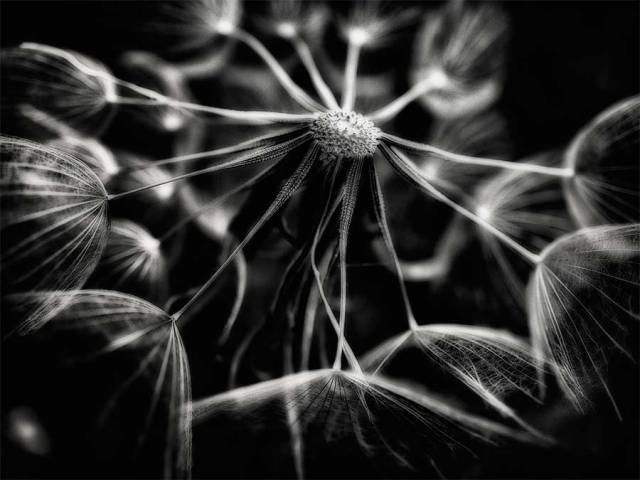
“My mother was remarkably slight, under five feet I should say, and I do not think that she was unusual for her time. I can put the matter strongly: women in those days had almost no flesh. I remember my mother’s face and hands, I can clearly remember her feet, but I can remember nothing about her body. She reminds me of the statue of Kannon in the Chuguji, whose body must be typical of most Japanese women of the past. The chest as flat as a board, breasts paper-thin, back, hips, and buttocks forming an undeviating straight line, the whole body so lean and gaunt as to seem out of proportion with the face, hands, and feet, so lacking in substance as to give the impression not of flesh but of a stick–must not the traditional Japanese woman have had just a physique? A few are still about–the aged lady in an old-fashioned household, some few geisha. They remind me of stick dolls, for in fact they are nothing more than poles upon which to hang clothes. As with the dolls their substance is made up of layer of clothing, bereft of which only an ungainly pole remains. But in the past this was sufficient. For a woman who lived in the dark it was enough if she had a faint, while face–a full body was unnecessary. …we…create a kind of beauty of the shadows we made in out-of-the-way places…we find beauty not in the thing itself but in the patterns of shadows, the light and the darkness, that one thing against another creates.”
~Jun’ichiro Tanizaki, (In Praise of Shadows, pp.29-30)
hitchin’ a ride


You must be logged in to post a comment.