
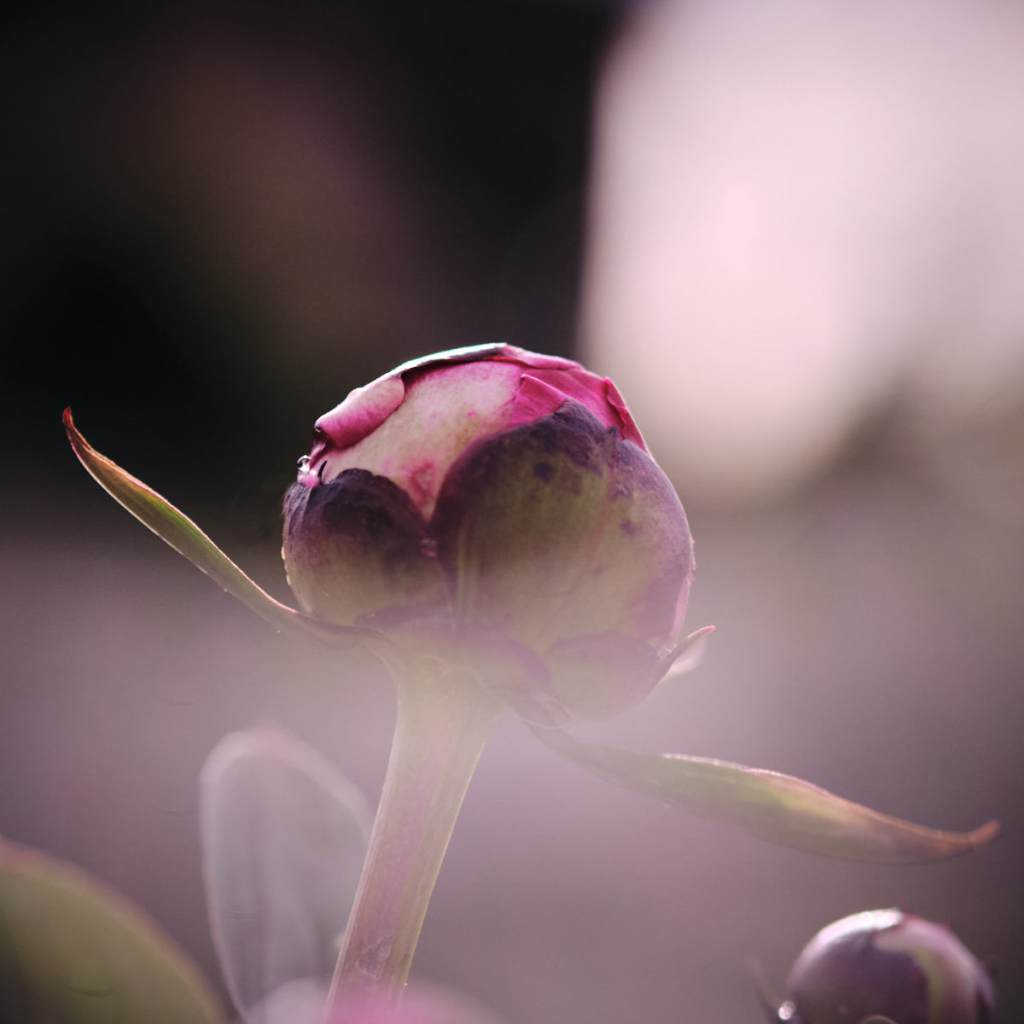
Photographias invites artists to “have a celebration of flowers.”
Photographias invites artists to “have a celebration of flowers.”
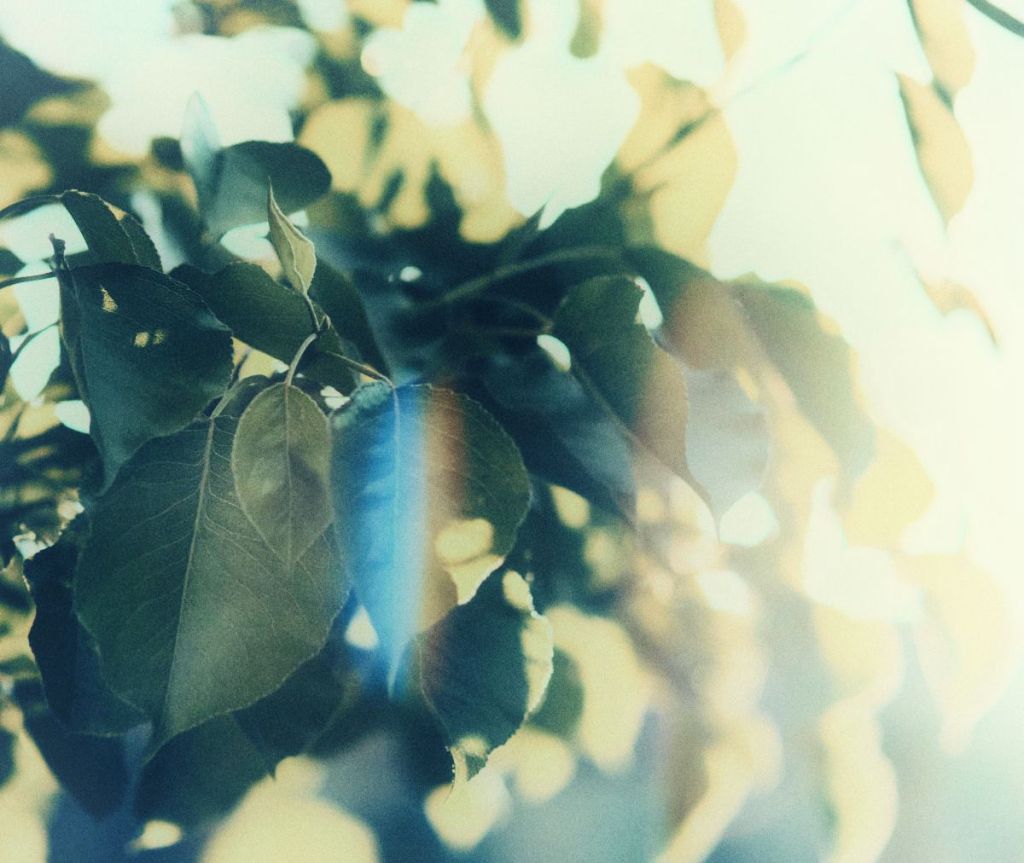
Spring is a time of renewal … the continuation of awakening after winter’s sleep

to join May’s square challenge visit The Life of B

Fujifilm X-T4 f/5.6 1/60 s 60.8 mm 800 ISO
“In a world where time is a sense, like sight or like taste, sequence of episodes may be quick or may be slow, dim or intense, salty or sweet, causal or without cause, orderly or random, depending on the prior history of the viewer. Philosophers sit in cafés on Amthausgasse and argue whether time really exists outside human perception. Who can say if an event happens fast or slow, causally or without cause, in the past or future? Who can say if events happen at all? The philosophers sit with half-opened eyes and compare their aesthetics of time.

Fujifilm X-T4 f/5.6 1/60 s 46.6 mm 800 ISO
Some few people are born without any sene of time. As consequence, their sense of place becomes heightened to excruciating degree. They lie in tall grass and are questioned by poets and painters from all over the world. These time-deaf are beseeched to describe the precise placement of trees in the spring, the shape of snow on the Alps, the angle of sun on a couch, the position of rivers, the location of moss, the pattern of birds in flock. Yet the time-deaf are unable to speak what they know. For speech needs a sequence of words, spoken in time.”*
*cited: Alan Lightman, Einstein’s Dreams

Fujifilm X-T4: f/2.8 60mm 1/900s 640ISO
Hope rising on Mother’s Day … a lens-artist’s challenge offered by Patti
green moss–
all the way to my lap
spring’s rainbow ~Issa*

Leica V-Lux 5: f/4 1/2500 s 10.1 mm 125 ISO
*cited: http://www.haikuguy.com “love note to Planet Earth. Spring’s dazzling colors touch and include Issa. He gazes and realizes: I am (we are) part of this glory!f”
carving aged faces
sunset by sunset – whitening streaked hair
days of yesterdays

A cairn is a human-made pile (or stack) of stones raised for a purpose, usually as a marker or as a burial mound. The word cairn comes from the Scottish Gaelic: càrn [ˈkʰaːrˠn̪ˠ] (plural càirn [ˈkʰaːrˠɲ]).
Cairns have been and are used for a broad variety of purposes. In prehistory, they were raised as markers, as memorials and as burial monuments (some of which contained chambers). In the modern era, cairns are often raised as landmarks, especially to mark the summits of mountains. Cairns are also used as trail markers. They vary in size from small stone markers to entire artificial hills, and in complexity from loose conical rock piles to elaborate megalithic structures. Cairns may be painted or otherwise decorated, whether for increased visibility or for religious reasons.
A variant is the inuksuk (plural inuksuit), used by the Inuit and other peoples of the Arctic region of North America.*
*cited: Wikipedia
Video of Erin building a cairn submitted in response to Donna @ WindKisses’ lens-artists challenge: rock your world
When I look up at
The wide-stretched plain of heaven,
Is the moon the same
That rose on Mount Mikasa
In the land of Kasuga? ~Abe-no Nakamaro*
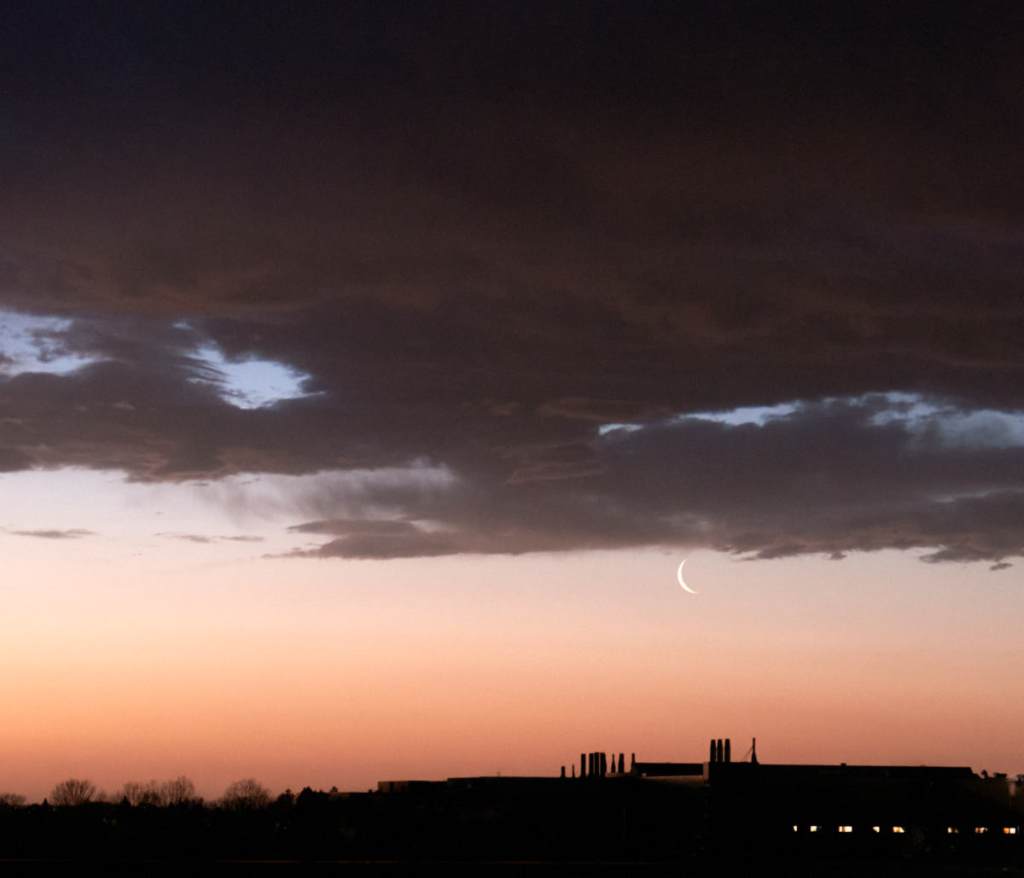
Leica V-Lux 5 … f/4 1/10s 32.65mm
* Trans: Clay MacCauley, Single Songs of a Hundred Poets
Every life is a point of view directed upon the universe. Strictly speaking, what one life sees no other can. Every individual, . . . is an organ, for which there can be no substitute, constructed for the apprehension of truth . . . Without the development, the perpetual change and the inexhaustible series of adventures which constitute life, the universe, or absolutely valid truth, would remain unknown . . . Reality happens to be like a landscape, possessed of an infinite number of perspectives, all equally veracious and authentic. The sole false perspective is that which claims to be the only one there is. ~José Ortega y Gasset
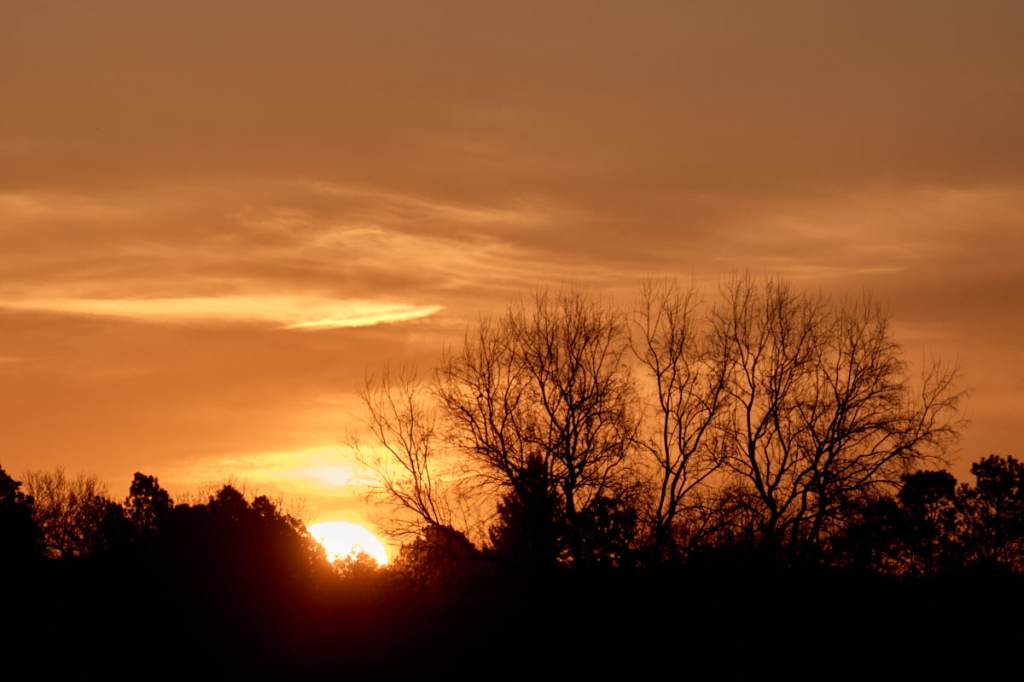

Fujifilm X-T4: f/5 1/2200 s 80 mm 640 ISO
Dawn
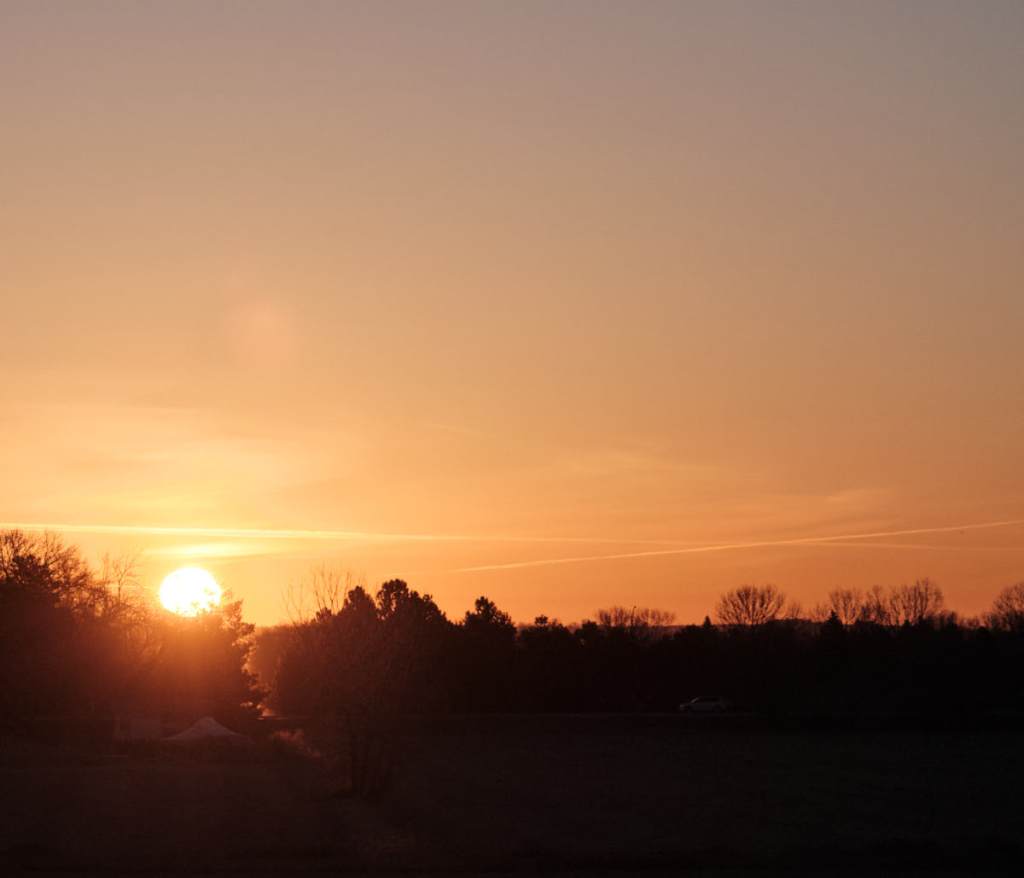
Fujifilm X-74: f/5 … 80 mm … 1/5000 s
 a meditative journey
You must be logged in to post a comment.