Six Word Saturday with Travel with Intent

Six Word Saturday with Travel with Intent

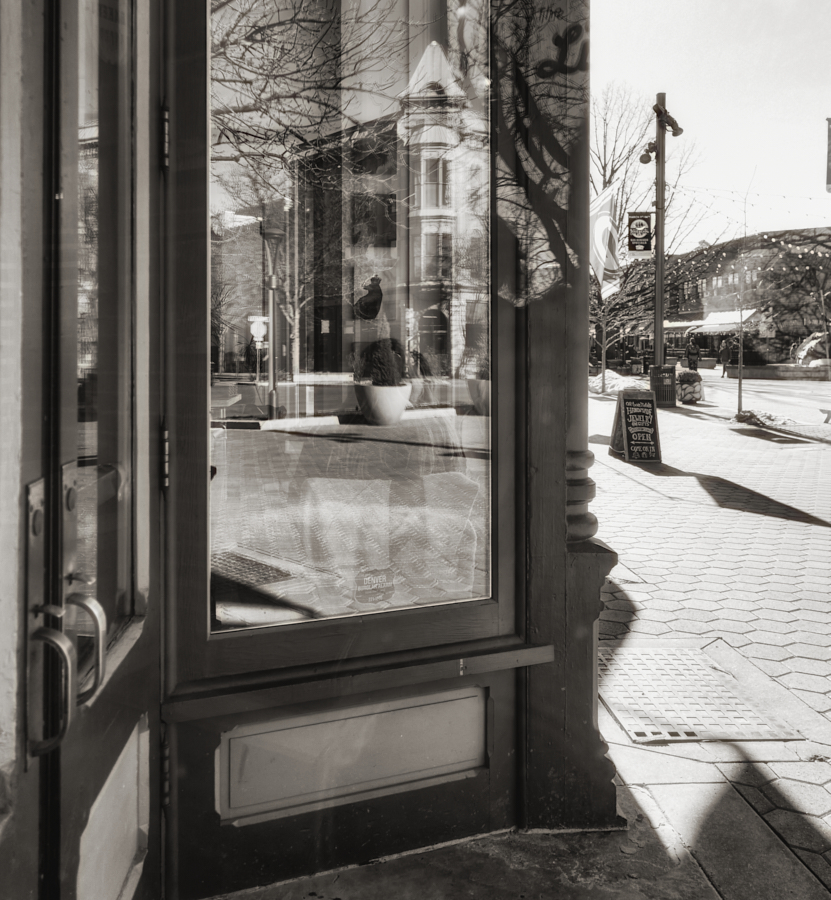
This week Ann-Christine (Leya) invites us to explore where or what is our hideaway.
What exactly is a hideaway?

Roger’s International Thesaurus (revised: Robert L Chapman, 1977) offers two understanding of Hideaway: 1) hiding place – secret place, corner, asylum, sanctuary, retreat, refuge, cubbyhole and 2) retreat – secret place, den, ivory tower, hideout, cell, lair, cloister, hermitage, ashram

Refuge synonyms include: sanctuary, harbor, safe haven, game sanctuary, safety zone, shelter, home, hospice, orphanage, retreat, secret place.
One may take refuge, claim sanctuary, throw oneself into the arms of, make port, reach safety.

My hideaway…retreat…sanctuary is my backyard where my family plays, camps, swims, hikes, photographs, share memories/hopes/fears, and laughs. These places where we sought sanctuary include Medicine Bow National Forest, Horsetooth Reservoir, Poudre Canyon, Cameron Peak, North Park.

Today, all threatened within the Mulen Fire and the Cameron Peak Fire.

“…from another perspective, refuge is about how you relate to the experience of life itself. When you stop looking outside or inside for something to free you from your struggles, you take refuge in direct awareness. …When awareness and experience are not different, you stop struggling with what arises and you are taking refuge in clarity…when you experience life without grasping, opposing or ignoring what arises, you take refuge in unrestricted experience.” (cited: Ken McLeod, Reflections on Silver River)

An island of self….
The late evening crow
of deep autumn longing
suddenly cries out
~Buson (cited: S Hamill, The Sound of Water)


Travel with Intent’s Six Word Saturday challenge

Initially posted in October, 2016

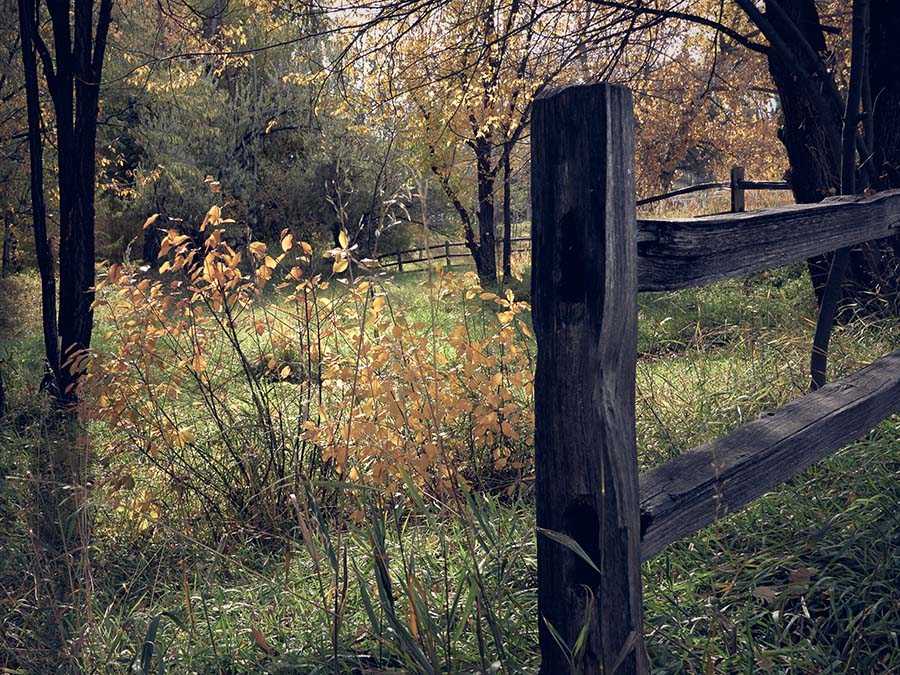
Nostalgia To glimpse old abandoned barns that dot county roads often awaken memories of a childhood filled with the freedom to roam from dawn to dusk without a morsel of worry.
Initially posted in October 2016
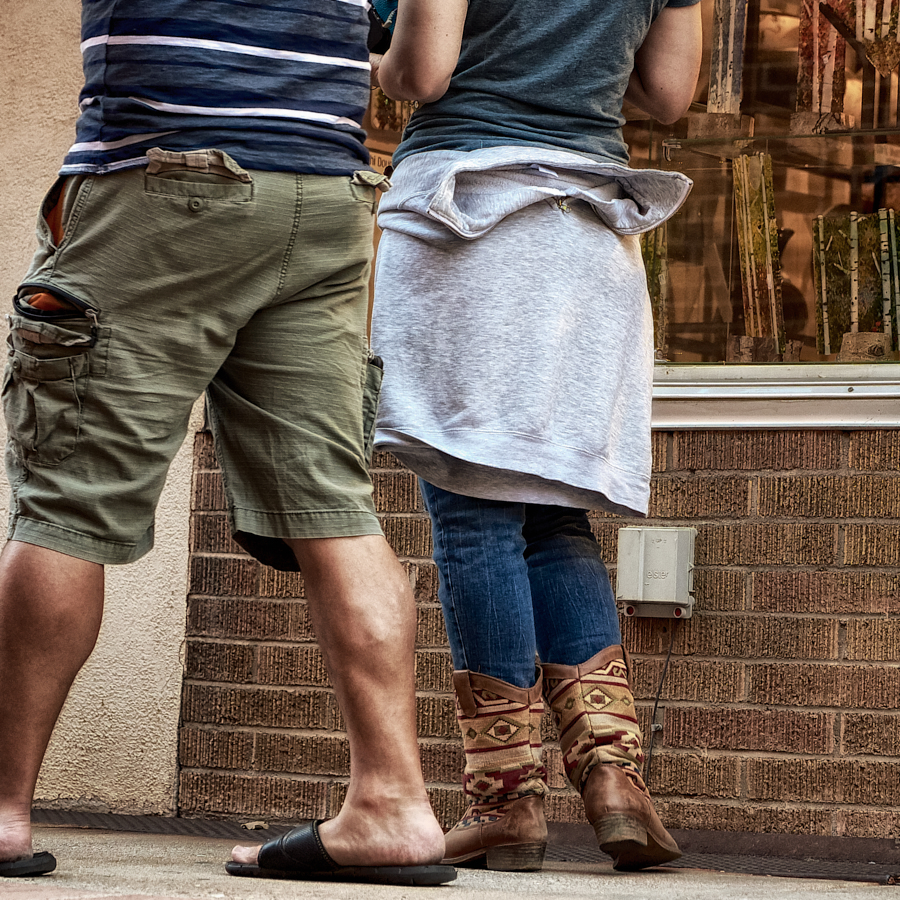
Nonverbal communication: It is suggested that 50 to 75% of all communication is transmission through our eye contact, facial expressions, gestures, posture and the distance between people. We also understand messages through variations of body language, distance and physical environments.

| In the mountain depths, Treading through the crimson leaves, The wandering stag calls. When I hear the lonely cry, Sad–how sad!–the autumn is ~Sarumaru (cited: Ogura Hyakunin Isshu) |

did others sit here too
waiting for spring?
old tatami mat ~Issa (haiku.guy)

blooming plum–
the voices of children
sound reverent ~Issa (haikuguy.com)

A haiku…is a way in which the cold winter rain, the swallows of evening, even the very day in its hotness, and the length of the night, become truly alive, share in our humanity, speak their own silent and expressive language. (cited: Haiku: Eastern Culture)

Symbols are objects that conveys agreed upon messages within a particular group of people.

Harry Nilsson, Every Body is Talking’
Ride and jump on over to HorseAddict to join in this week’s lens-artist’s photo challenge: communication
late autumn
a single chair waiting
for someone yet to come
~Akito*
*cited:
http://www.theeternalgrasshopper.wordpress.com
Initially posted October, 2014
amid dewdrops
of this dewdrop world
a shoe lost

it’s a dewdrop world
surely it is…
yes…but
~Issa (cited: haikuguy.com)

trailed of clouds
the layered memories
of time forever gone
stands between us now
within dewdrops of autumn

Initially posted on October 9, 2019
If I should live long,
Then perhaps the present days
May be dear to me,
Just as past time filled with grief
Comes quietly back in thought.
~Fujiwara no Kiyosuke

Initially posted on October 9, 2017
dew-laden,
it falls without wind–
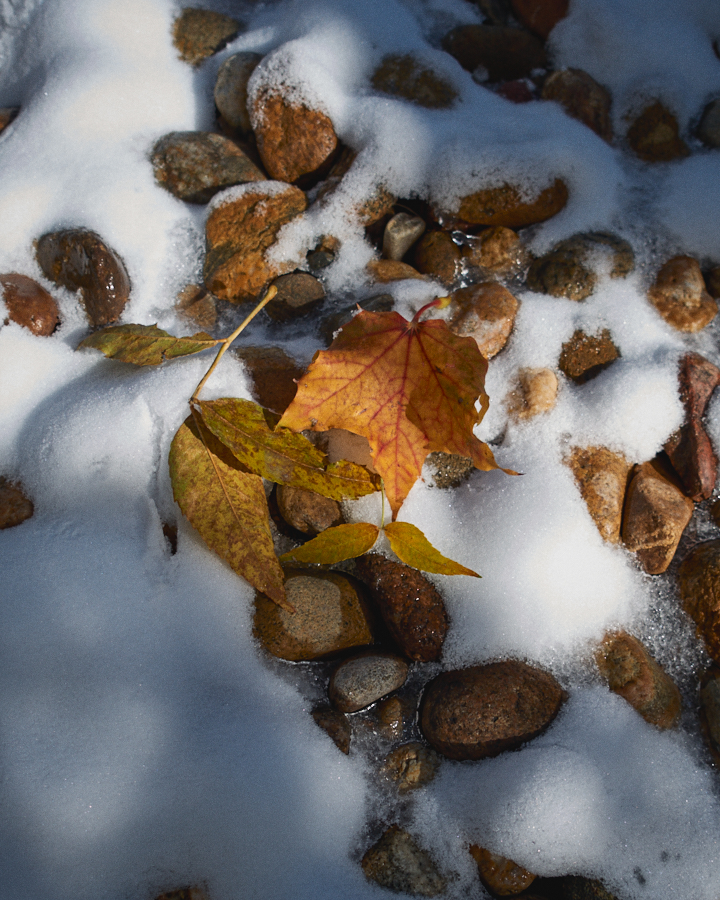
a single leaf.
~Gyojo*
to view additional images submitted for Pete Rosos’ challenge or “to dig a new creative well and have fun while doing it” visit The Daily Post.
*cited:
Haiku before Haiku
Steven Carter
Initially posted in October, 2014
You must be logged in to post a comment.