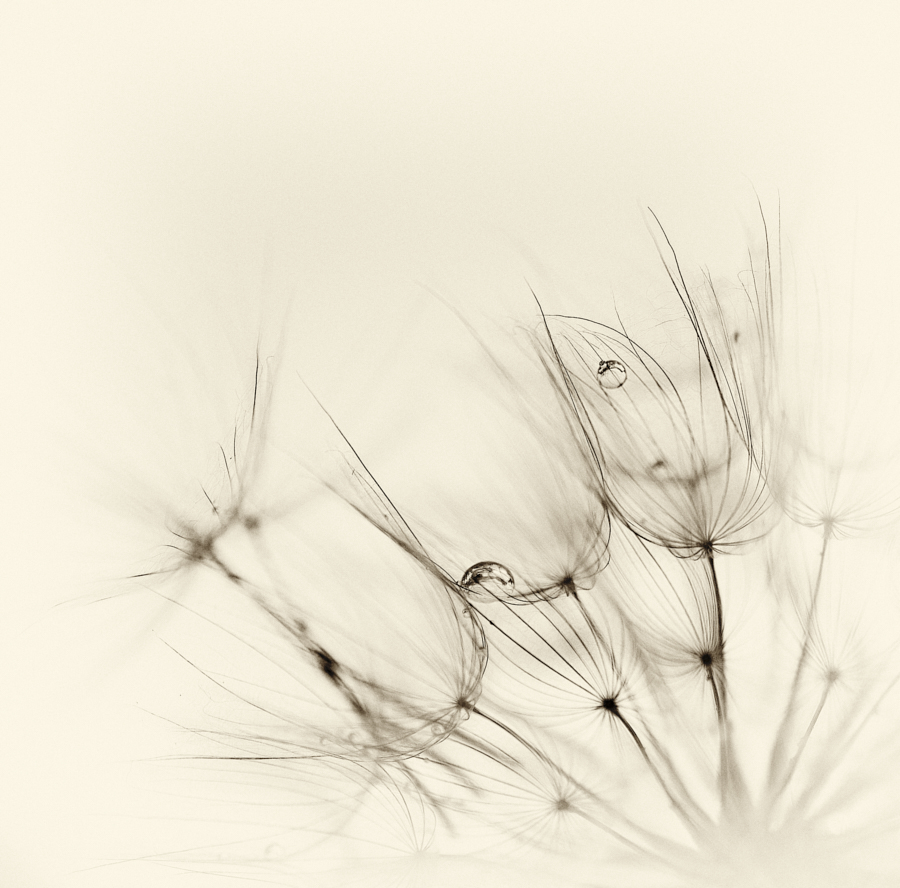
Week 13: Story Telling: New Beginnings (Our world is full of circular patterns; as some things end, others begin. Tell us a story of a New Beginning.)

Image submitted in response to Dogwood Photography’s annual 52-week photography challenge.
Week 13: Story Telling: New Beginnings (Our world is full of circular patterns; as some things end, others begin. Tell us a story of a New Beginning.)
Image submitted in response to Dogwood Photography’s annual 52-week photography challenge.

If you wish to participate in this week’s Lens Artists Photo Challenge hop on over to Leya’s

Jenn at Wits End Photography invites photographers to “go out and … photograph round things.”
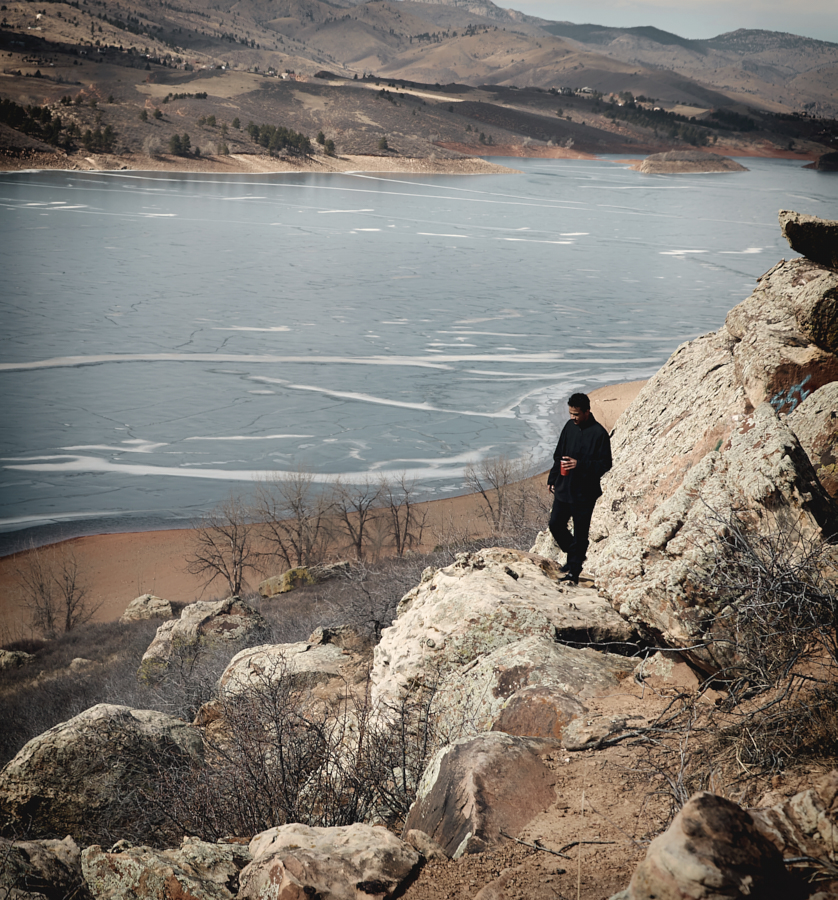

Week 12 Inspiration: Trash (Trash is your inspiration. Tell a story or create something beautiful.)

Image submitted in response to Dogwood Photography’s annual 52-week photography challenge.
in the mosquito’s
buzz, a thread of thoughts
begins in my mind ~Takeshita Shizunojo 1887-1951 (M Ueda, Far Beyond the Field)


The emptiness of entityness (one of five types of emptiness discussed within Buddhist philosophy) is illustrated … with the example of a cairn and a human being. Both exist and are mutually exclusive…a cairn when viewed from a distance can easily be mistaken for a human, whereas upon closer inspection, there is nothing whatsoever that is human about a pile of stones. A human is utterly absent there. A rope mistaken for a snake would seem to be another example of the emptiness of entityness.~D. Lopez, Jr. (The Heart Sutra Explained, p54.)
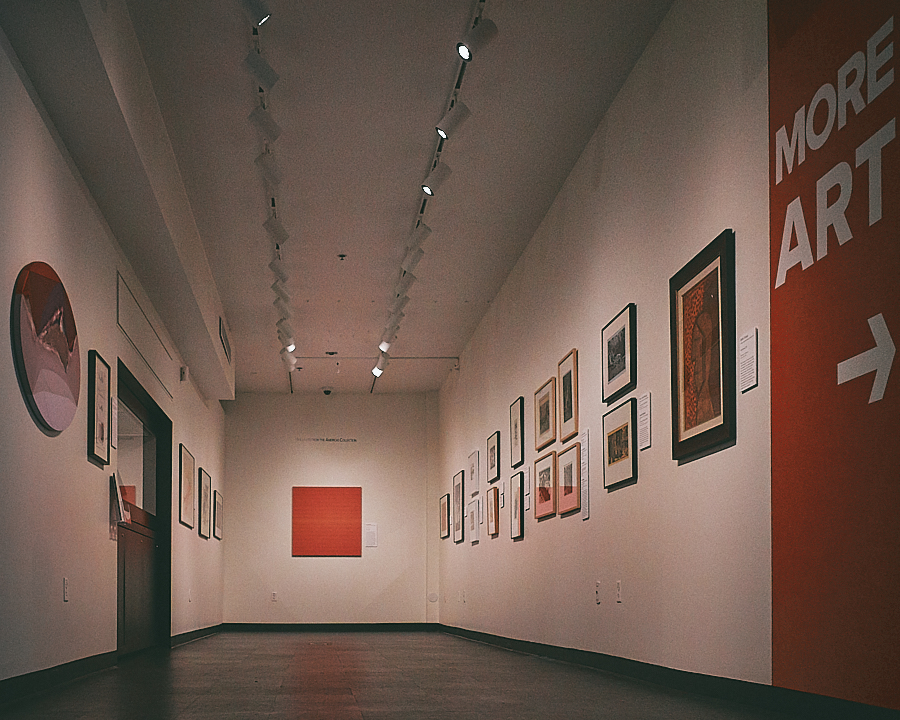
Image and six words submitted in response to Debbie’s Six Word Photo Challenge
The east wind waits before East Gate,
While we ride horses seeking the old glen.
Men, like wild geese, keep the promise of return,
While the past, like a spring dream, leaves no trace. …~Su Shi
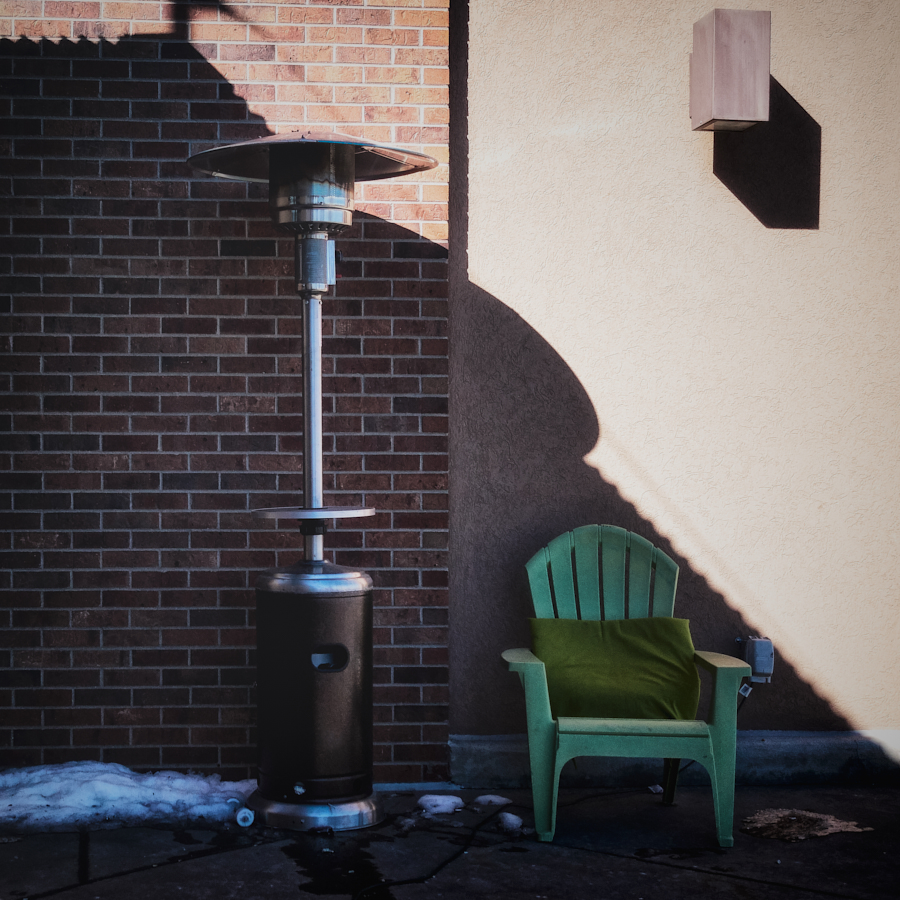
“Reachable, near and not lost, those remained amid the losses this one thing: language.
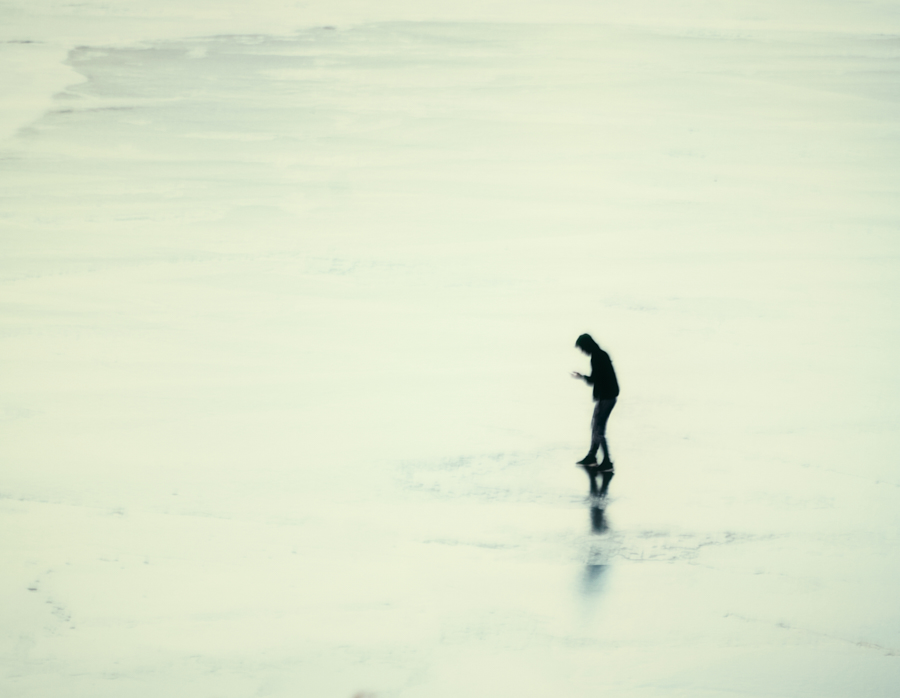
“It, the language remained, not lost, yes in spite of everything. But it had to pass through its wounded wordlessness, pass through frightful muting, pass through the thousand darknesses of deathbringing speech. It passed through and giveback no words for that which happened.” ~Paul Celan* (cited: V. Schwarcz, Bridge Across Broken Time p. 85)
*Poet, translator, essayist, and lecturer, influenced by French Surrealism and Symbolism. Celan was born in Cernăuţi, at the time Romania, now Ukraine, he lived in France, and wrote in German. His parents were killed in the Holocaust; the author himself escaped death by working in a Nazi labor camp. “Death is a Master from Germany”, Celan’s most quoted words, translated into English in different ways, are from the poem ‘Todesfuge’ (Death Fugue). Celan’s body was found in the Seine river in late April 1970, he had committed suicide.

 a meditative journey
You must be logged in to post a comment.