
looking back to June, 2019

The Plum-blossom is the first of the “hundred flowers” to open. It symbolizes the beginnings of things, and is also one of the “three friends” who do not fear Winter’s cold, the other two being the pine and the bamboo.
cited: Fir-Flower Tablets Poems Translated from the Chinese Trans: Florence Ayscough & Amy Lowell Project Gutenberg
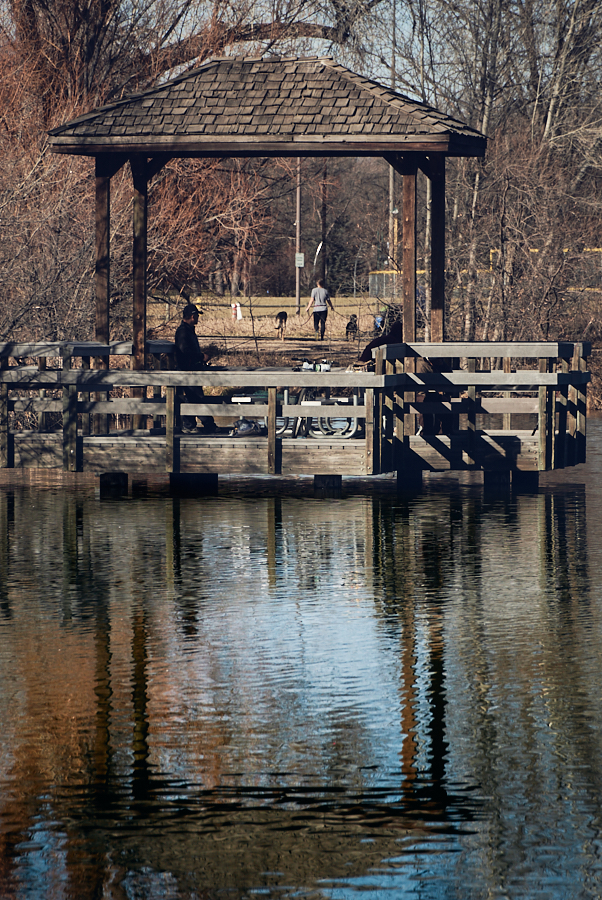
A Winter night, a cold Winter night. To me, the night is unending.
I chant heavily to myself a long time. I sit, sit in the North Hall.
The water in the well is solid with ice. The moon enters the Women’s Apartments.
The flame of the gold lamp is very small, the oil is frozen. It shines on the misery of my weeping. ~Li t’ai-Poa Woman Sings to the Air: “Sitting at Night Fir-Flower”
excerpt: Trans: Florence Ayscough & Amy Lowell Fir-Flower Tablets Poems Translated from the Chinese Project Gutenberg
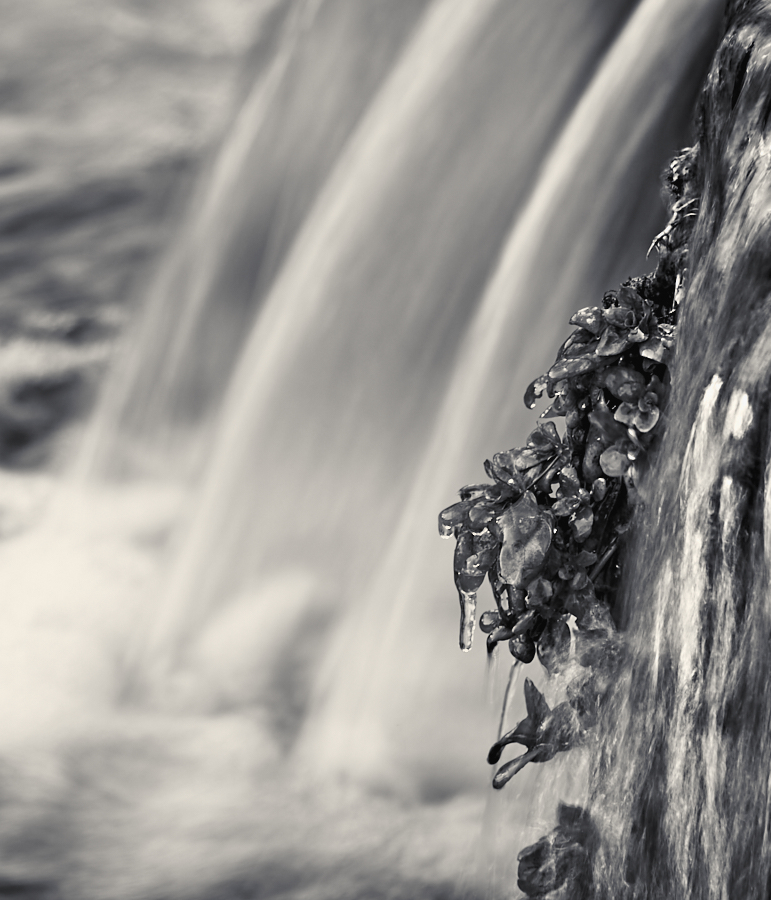
First snow! I see it young every winter,
Yet my face grows old
As Winter comes. ~ The Diary of Izumi Shikibu
cited: Trans: Annie Shepley Omori & Kochi Doi Diaries of Court Ladies of Old Japan

This week’s lens-artists photo challenge – winter – is sponsored by Leya

Hop on over to Debbie (Travel with Intent) to join in Six Word Saturday


The grass does not refuse
To flourish in the spring wind;
The leaves are not angry
At falling through the autumn sky.
Who with whip or spur
Can urge the feet of Time?
The things of the world flourish and decay,
Each at its own hour.
cited: The Poet Li Po (AD 701- 762) Trans: A Waley, Project Gutenberg



This week’s lens-artists photo challenge is sponsored by Patti.


Karine (Karine Leroux Photography) challenges photographers to find two unrelated shots that have a striking visual similarity – composition, shape(s), dominant color(s)

In the courtyard there grows a strange tree,
Its green leaves ooze with a fragrant moisture.

Holding the branch I cut a flower from the tree,
Meaning to send it away to the person I love.

Its sweet smell fills my sleeves and lap.
The road is long, how shall I get it there?

Such a thing is not fine enough to send:
But it may remind him of the time that has past since he left

cited: Trans: Arthur Waley. A Hundred and Seventy Chinese Poems, Project Gutenberg

Note: The poem above is one of a series known as the Nineteen Pieces of Old Poetry. Some have been attributed to Mei Shēng (first century b.c.), and one to Fu I (first century a.d.).
This week’s lens-artists challenge (spring) is hosted by Tina

The arising and ceasing within a ksana* occurs very rapidly. During any particular moment, we see flowers as red and leaves as green. In reality, they are constantly changing from ksana to ksana, and after a while, they will wilt. Within each ksana, they are perpetually growing and wilting.

In this world, how can there be any flowers and grass that will never wilt? How can there be any tables that will not be subjected to destruction? Because all phenomena and existences are arising from ksana to ksana, all phenomena and existence are therefore ceasing from ksana to ksana. There is a saying, “When a young man snaps his fingers, sixty-three ksanas have gone by.” Time goes by very fast. Youth can disappear in a flash. A ksana is indeed an extremely brief and short span of time.

*A ksana is a tiny unit of time, approximately one seventy-fifth of a second. It is an imperceptibly small amount of time, and all kinds of things happen within the space of a ksana that elude our conscious awareness. For example, it is said there are 900 arisings and ceasings within each ksana. I suspect the number 900 is not meant to be precise but rather is a poetic way of saying “a lot.”

Six Word Saturday is sponsored by: Travel with Intent
Cited: http://www.ibps.org/english/master/Time%20and%20Space.html

Nikon D750 f/4.5 1/100s 85mm 100 ISO Edited: Capture One 20
 a meditative journey
You must be logged in to post a comment.