Week 6: Inspiration: #NoFilter (No limit on what you shoot this week, as long as the image is pure. No filters, presets or other edits. Basic exposure corrections only this week.)
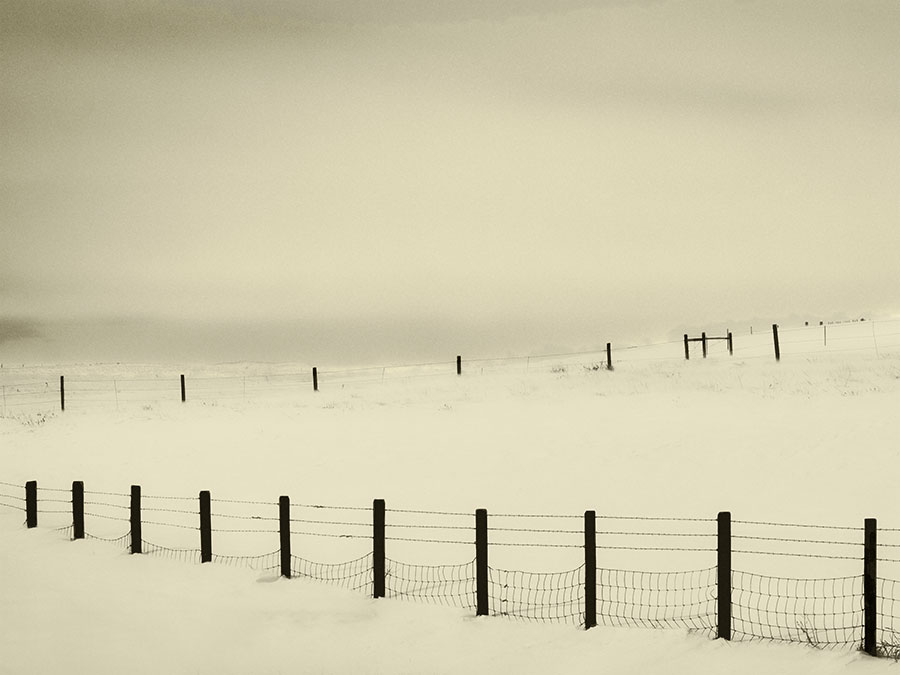
Week 5: Composition: Symmetry Landscape (Landscape is one of the most practiced type of photography. Use Symmetry in a Landscape to create a new viewpoint for this week’s image.)
…If we don’t have journalism, we don’t have democracy. ~Barbie Zelizer, director of Penn’s Center for Media at Risk
The fabric of press freedom in the US has been frayed and weakened by political stigmatisation of journalists and cries of “fake news”, but it risks much greater, and more permanent, damage from other forces, including harassment, detention and criminalisation. (cited: The Guardian Thebiggest risk to American journalism isn’t posed by Trump)
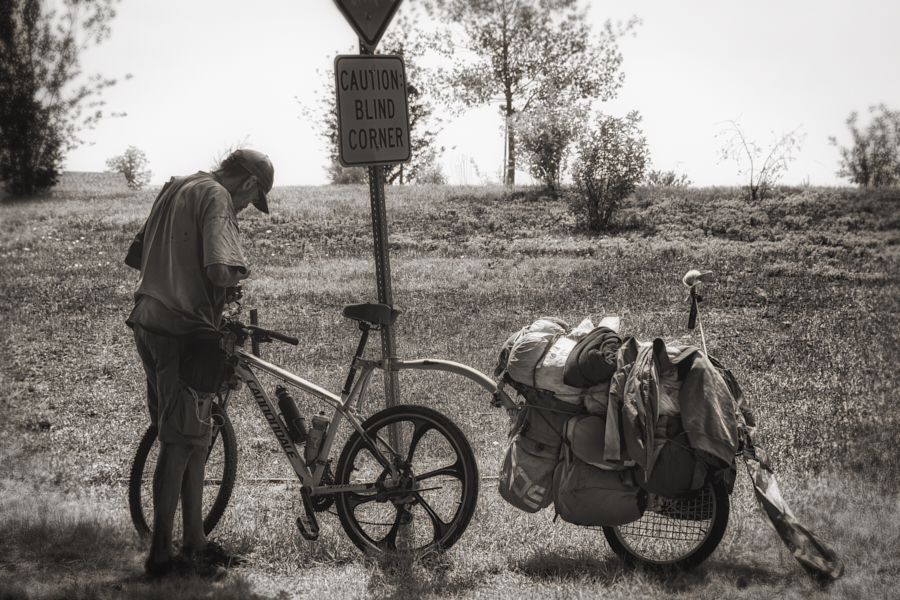
Nikon D750….Caution Blind Corner
In the context of this new world order of dramatic political, social, and unparalleled technological change, the role of media has never been more important, and it’s also never been more dangerous…Foreign reporters in war zones, as well as domestic reporters and journalists like me in war zones of our own here at home, are facing angry people and the threats of violence.” (cited: Multichannel Don Lemon: Role of Journalists Vitally Important in Today’s Divisive Political Environment.)
Who Will Write Our History
In November 1940, days after the Nazis sealed 450,000 Jews in the Warsaw Ghetto, a secret band of journalists, scholars and community leaders decided to fight back. Led by historian Emanuel Ringelblum and known by the code name Oyneg Shabes, this clandestine group vowed to defeat Nazi lies and propaganda not with guns or fists but with pen and paper. Now, for the first time, their story is told as a feature documentary. Written, produced and directed by Roberta Grossman and executive produced by Nancy Spielberg, Who Will Write Our History mixes the writings of the Oyneg Shabes archive with new interviews, rarely seen footage and stunning dramatizations to transport us inside the Ghetto and the lives of these courageous resistance fighters. They defied their murderous enemy with the ultimate weapon – the truth – and risked everything so that their archive would survive the war, even if they did not.
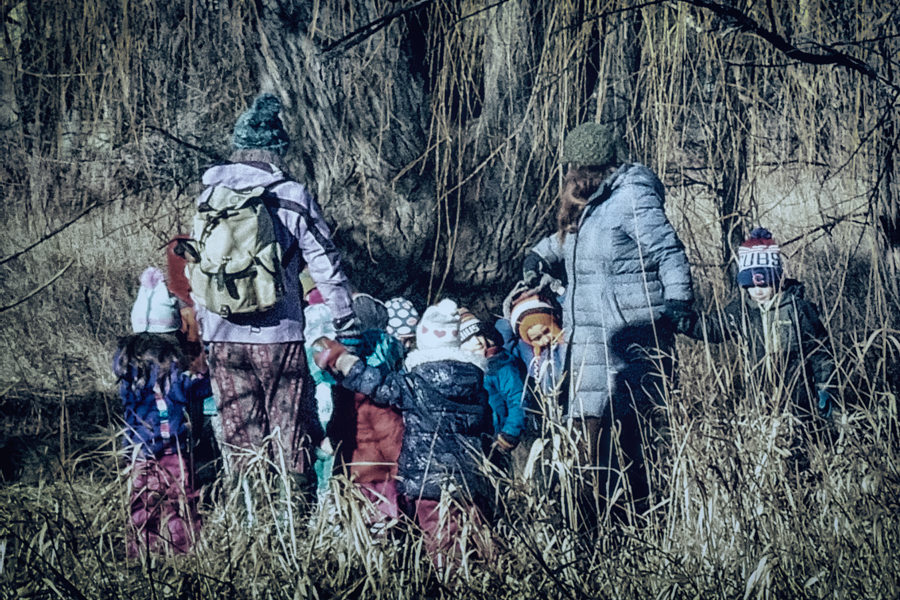
Images submitted for Dogwood Photography’s annual 52-week photography challenge week 4: Story Telling Warmth (Tell a story that makes us feel warm inside.)
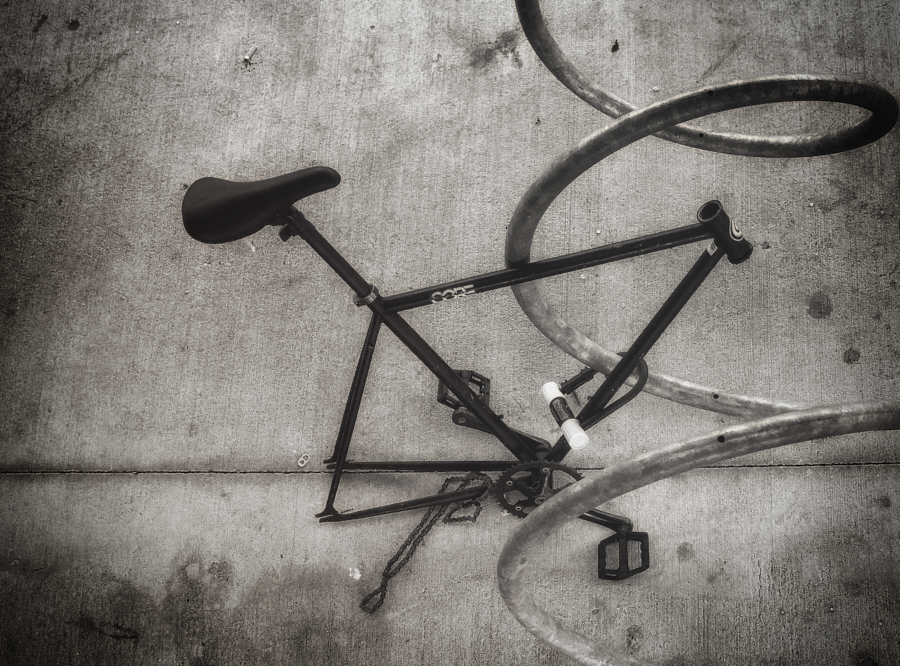
Image submitted for Dogwood Photography’s annual 52-week photography challenge 3: Inspiration: Black and White (Your inspiration this week is to simply take an amazing Black and White photograph of any subject you want.)
of silence ~ Katsura Nobuko (M Ueda, Far Beyond the Field)
Nikon D750 f/5.6 1/2500 s 170 mm 1800 ISO
Katsura Nobuko was born Niwa Nobuko in Osaka, Japan on November 1, 1914. When she was five, she almost died of acute pneumonia. After graduating from Ootemae Girls’ High School, she began writing haiku when the poems in ‘Kikan’ (The flagship) magazine impressed her with their nontraditional style. She subsequently met the magazine’s editor, Hino Soojoo, and became his protege. Her marriage in 1939 changed her family name to Katsura, but her husband died two years later.
Childless, Nobuko returned to her mother’s home. On March 13, 1945, the home caught fire as the American planes bombed Osaka. Unable to put out the fire she gathered her haiku manuscripts before fleeing barefooted. It is said that when she was reunited with her mother, her mother – weeping – said, “You are safe — that’s all I care.” The rescued manuscripts were later published in her first volume, ‘Gekkoo shoo (Beams of the moon 1949).
The name of [Wall Street] originates from an actual wall that was built in the 17th century by the Dutch, who were living in what was then called New Amsterdam. The 12-foot (4 meter) wall was built to protect the Dutch against attacks from pirates and various Native American tribes, and to keep other potential dangers out of the establishment.
The area near the wall became known as Wall Street. Because of its prime location running the width of Manhattan between the East River and the Hudson River the road developed into one of the busiest trading areas in the entire city. Later, in 1699, the wall was dismantled by the British colonial government, but the name of the street stuck.
The financial industry got its official start on Wall Street on May 17, 1792. On that day, New York’s first official stock exchange was established by the signing of the Buttonwood Agreement. The agreement, so-called because it was signed under a buttonwood tree that early traders and speculators had previously gathered around to trade informally, gave birth to what is now the modern-day New York Stock Exchange NYSE.
Today, …in some circles, the term “Wall Street” has become a metaphor for corporate greed and financial mismanagement
Image submitted for week 2: Composition: Rule of Thirds Motion (You already know what the rule of thirds is, now is the time to use it.) in response to Dogwood Photography’s annual 52-week photography challenge





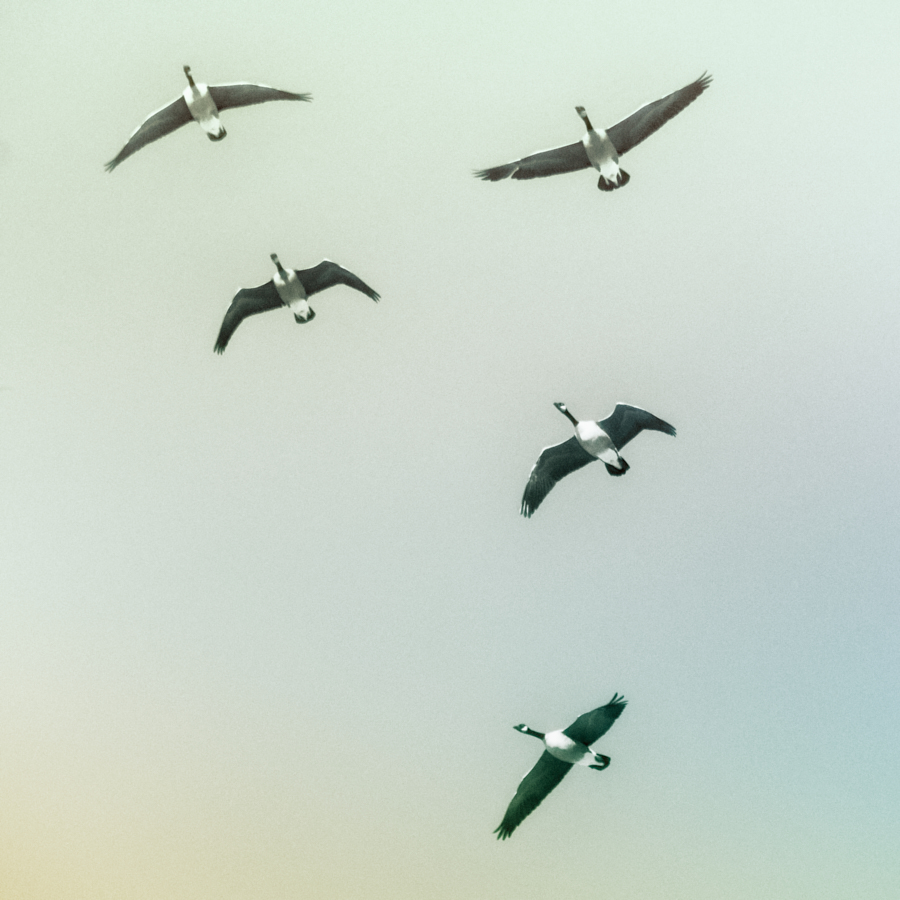
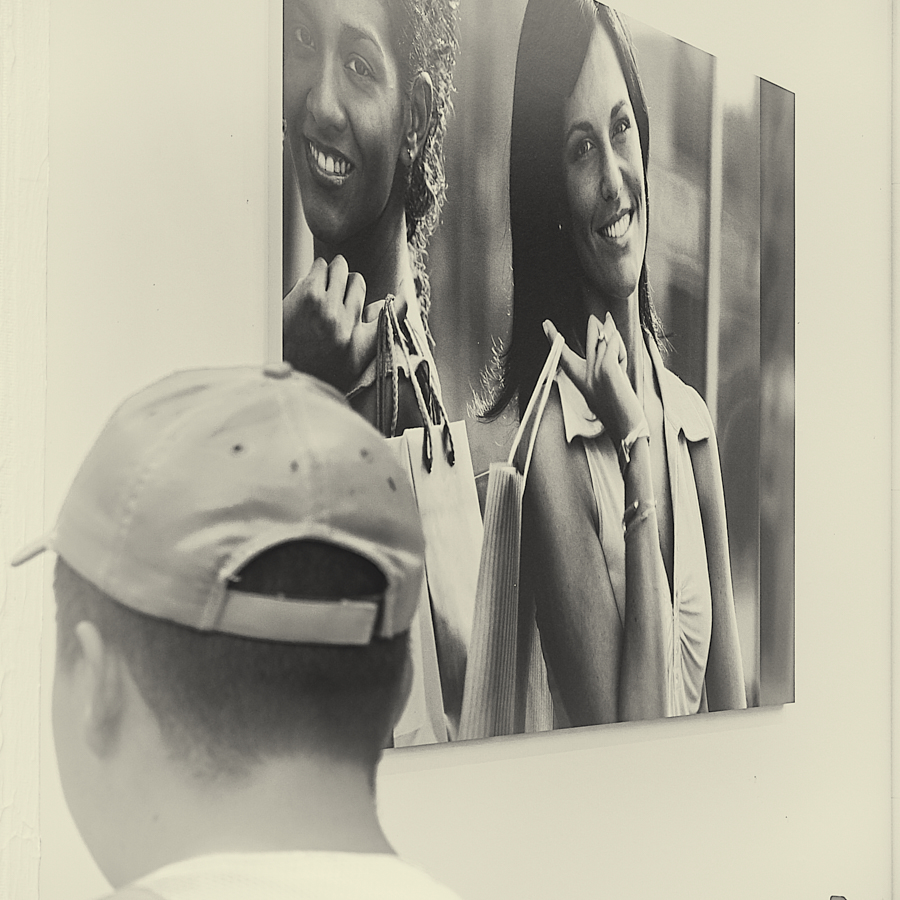


 a meditative journey
You must be logged in to post a comment.