“An egg? Really…an egg? Why an egg for this contemplative photography project.?”
Many, many years ago, I was brave enough to attended an introduction to drawing class offered through a local art museum. The first drawing lesson included the use of charcoal with a single subject–a white egg. This elementary endeavor to draw an egg opened my world to the gradients of the whitest white to the multiple shades of grays and then to the blackest black. The other art lessons within this art class also served to be an introduction to the dynamics of perception and awareness that flow within moments of silent contemplation.
So, why not use an egg as a subject in a mediative photography project? Two minutes “being with…looking at…contemplating” a white egg, a small white bowl, on a white piece of cloth for each image. Ten photographs within 20 minutes.
My commitment to the single egg wasn’t able to silence the whisper and restrict the impulse to, “include a small yellow ball.”
Nick Turpin writes that “…When a child picks up a camera and pushes the button that simple spontaneous image is a Street Photograph, it is, first of all, a raw reaction to the scene in front of it, a person, a car, a color. That primitive urge to react, to make a picture is at the heart of Street Photography beyond any other area of picture making, it comes before any other agenda.
“So we are all Street Photographers before we narrow our sights and impose conditions and rules on ourselves to become Portrait photographers, Fashion Photographers, Landscape Photographers, Art Photographers (whatever that really means) etc.”
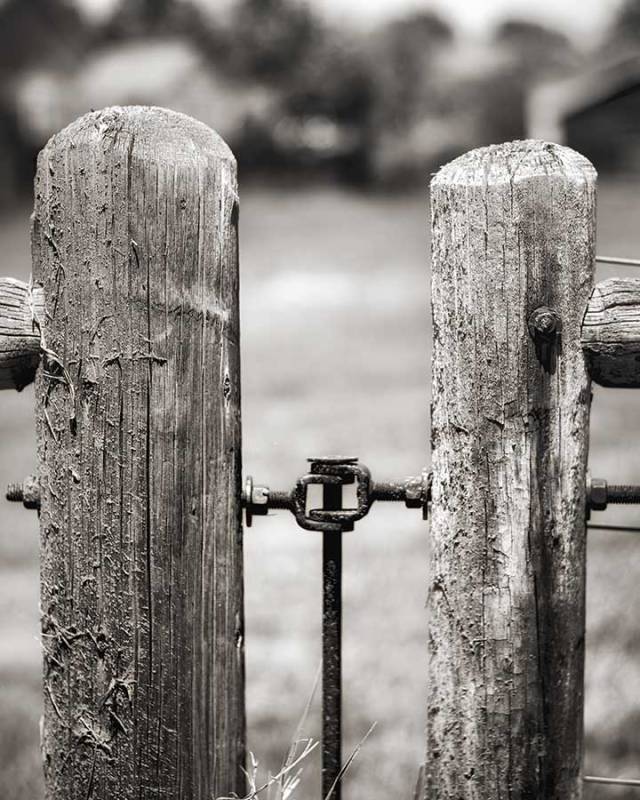
Nikon D750 f/20 1/25s 35mm 800 ISO
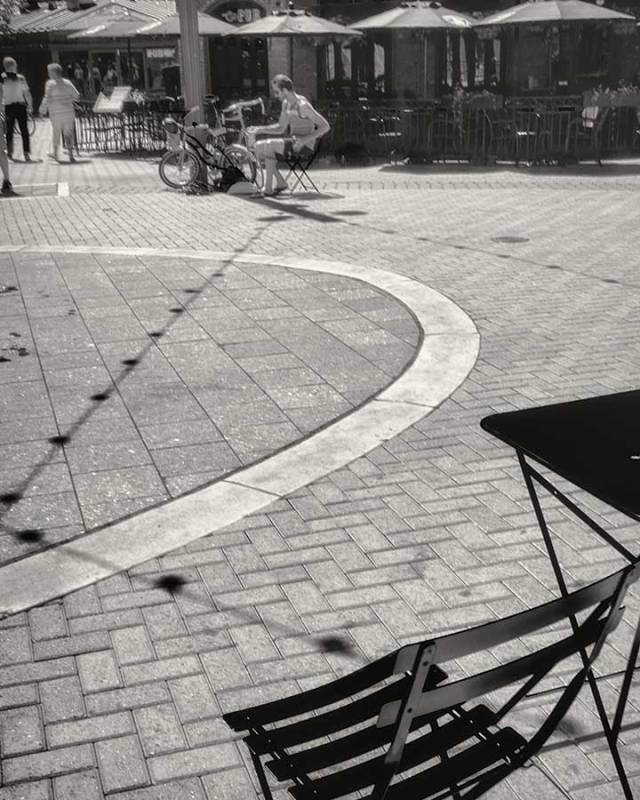
Eric Kim defines street photography as the “…candid photography of life and human nature. It is a way for us to show our surroundings, and how we as photographers relate to them. We are filtering what we see, to find the moments that intrigue us, and to then share them with others. It’s like daydreaming with a camera.”
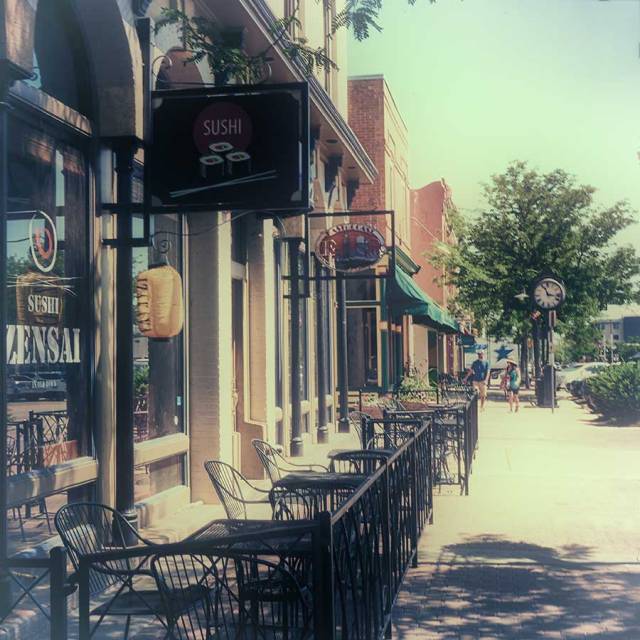
Nikon D750 f/1.8 1/10s 35mm 800 ISO
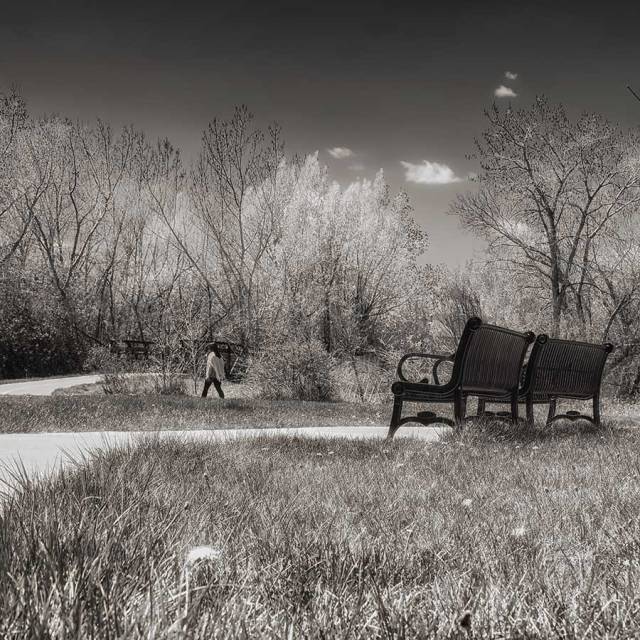
Within “The Ultimate Guide to Street Photography” James Maher writes “…the best image of your life can pop right in front of you on the way to get your morning coffee. This spontaneity is what’s celebrated. That is why grainy images, slightly off-kilter framing a-la Garry Winogrand, or import focus will not alway ruin a street photography. Sometimes they will, and we must aim for technical mastery, but other times they can add to the realness of the moment. Sometimes these deficiencies may actually improve the image.”
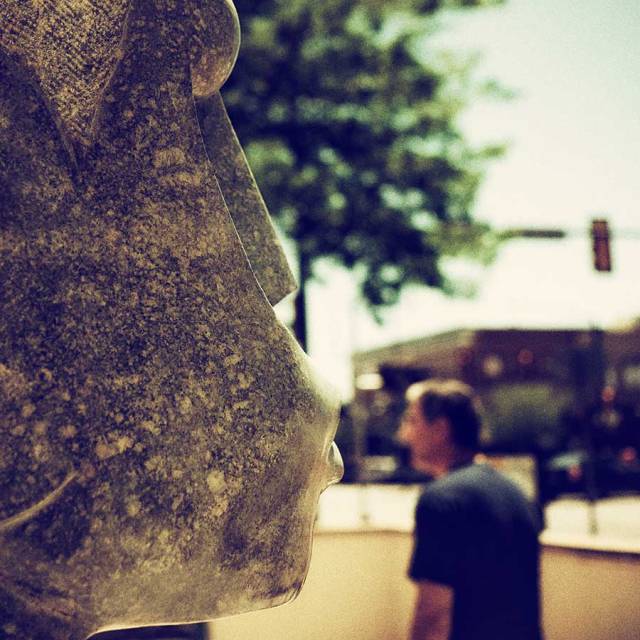
Nikon D750 f/2.5 1/2,500 35mm 800 ISO
Sometimes the best way to understand something is to put aside the book, silence the mind, and visually explore the creative works of others. With this in mind, I would like to introduce three of my favorite street photographers.
To journey through Salle de Shoot — Photographie’s blog is to inspired by his creative and unique examples of street photography.
The Streets of Nuremberg.com identifies street photography as “…a free creative design in which the artist’s impression…experiences are brought to life…the aim of street photography to depict reality unadulterated, whereby the specific artistic aspect is expressed in the conscious selection of the detail of reality and the design with photographic means.” To take the time to visit this blog is to view amazing street images as well as educational posts.
And finally, Reinhold Staden Photography’s gifts us with inspiring photography as well as a super visual journey through Berlin.
How do you understand street photography? Do you have one or three street photographers that inspire you? I would love to see your street images and read your ideas about street photography. Let’s tag with #aphotostudy.
In the summer night The evening still seems present, But the dawn is here. To what region of the clouds Has the wandering moon come home?
~Kiyohara no Fukayabu
Meditative photography with an iPad, John F Simon’s “Drawing your own Path,” a pair of reading glasses, a fountain pen, and the dawn. Edited in Lightroom CC.
“Playing with point of view, with the position of the figures and the wide palette of grays, he proved that photography, like painting, is–to borrow Maurice Denis’ famous dictum–‘essentially a surface plane covered with color in a certain assembled order.'”
cited: C Chérous, aperture masters of photography, Henri Cartier-Bresson, pg. 84
“…after trying for so long to program computers to make drawings autonomously, I noticed one key factor that distinguished me from the machine: I wanted to make a good drawing. The first step in making a good drawing is recognizing and giving voice to the desire to create. The creative urge is the engine that will drive the great effort it takes to pursue art over the long term, and understanding the nature of this desire will be critical in staying motivated long enough to develop good work.
“…What makes a drawing good? It would be impossible to list all the qualities of a good drawing, and in any case the list would be different for each of us and each artwork we liked. Luckily, we don’t need a precise definition. We understand how to proceed with our creative work by developing our intuition and learning to pay attention to what we value and respond to.”
Creativity is the ability to make or do something new…the ‘something’ can be an object, a skill, or an action. To be creative, the object, skill, or action cannot simply be bizarre or strange; it cannot be new without also being useful or valued, and not simply be the result of [an] accident. …an important form of creativity is creative thinking, the generation of ideas that are new as well as useful, productive, and appropriate. The second is that creative thinking can be stimulated by teachers’ efforts…
This photo study of iPad images builds upon A Cemal Ekin’s, invitation to “look for texture, lines, shapes, and forms rather than ‘things'” with Ted Forbes’ photo assignment: variations video which discusses creative thinking as well as includes an exercise to create 10 images of one subject.
Thank you for visiting. I am looking forward to reading your thoughts about creativity and seeing your collection of images….let’s tag with #aphotostudy.










 a meditative journey
You must be logged in to post a comment.