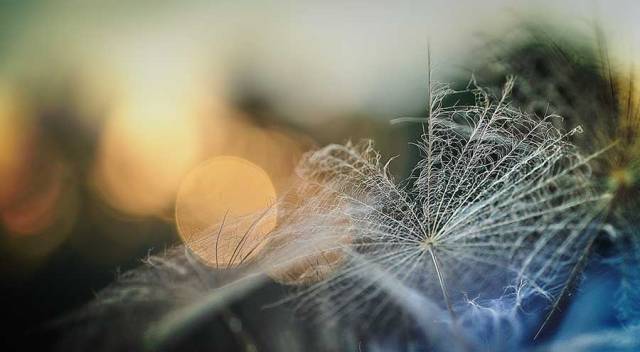
Nikon D750 f/3.2 1/1.250s 40mm
Nikon D750 f/3.2 1/1.250s 40mm

Lumix f/14 1/60 38mm
Lost in Translation photo challenge: thursday’s special
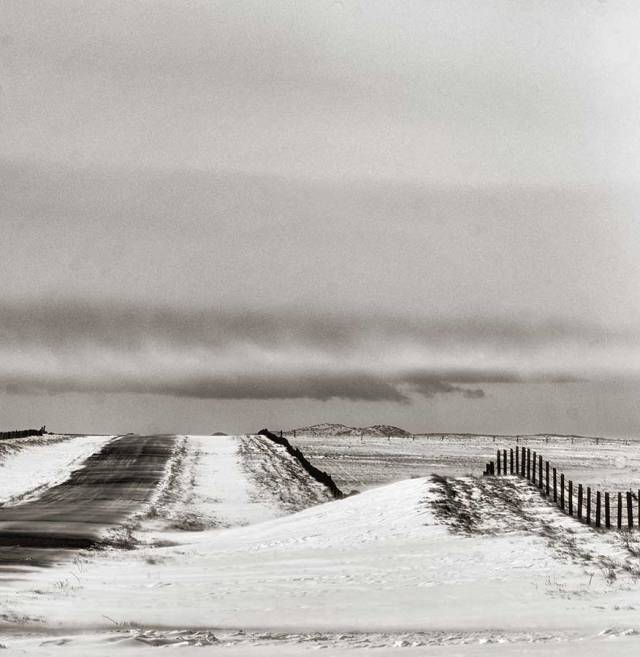
Sony NEX-5N f/8 1/800 150
What is in front of my eyes
changes into a scene of the past —
a winter shower!
~Buson (Y Sawa & E Shiffert, Haiku Master Buson)

Nikon D750 f/8 1/1,000 70 mm
Both field and mountain
All taken by the snow
Till nothing yet remains.
~Iōsō (J Clements, The Moon in the Pines)

Sony NEX-SN f/8 1/800 80mm
Fields we saw
blooming with
so many different flowers,
frost-withered now
to a single hue.
~SaigyO (B Watson, Poems of a Mountain Home)

Wyoming Sony NEX-5N f/13 1/800 91mm
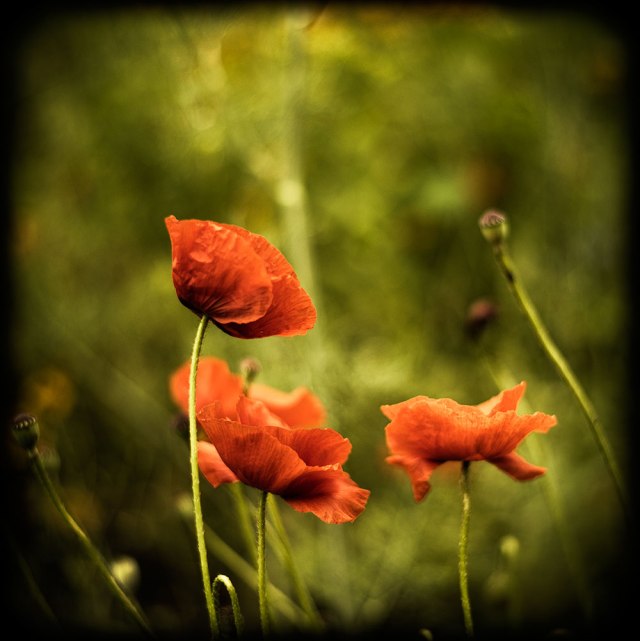
Aryeah Kaplan wrote that when one is in a meditative state, one has obtained the ability to turn off faint after-images that are constantly with us and interfere with seeing objects with total clarity. He noted that when one is able “to turn off the spontaneous self-generated images . . . the beauty of the flower . . . seen in these higher states of awareness is indescribable [and] appears to radiate beauty.
~Aryeah, Kaplan, Jewish Meditation: A Practical Guide, p.9

A flower is not a flower. It is made only of non-flower elements–sunshine, clouds, time, space, earth, minerals, gardeners, and so on. A true flower contains the whole universe. If we return any one of these non-flower elements to its source, there will be no flower. That is why we can say, “A rose is not a rose. That is why it is an authentic rose.” We have to remove our concept of rose if we want to touch the real rose.
~Thich Nhat Hanh, The Heart of the Buddha’s Teaching, p. 129

…when we hold a rose we see that it is composed of multiple elements, some tangible – leaves, stem, thorns, petals, stamens – and others intangible – scent, color, memories. If you were to remove any of these constituent parts, would you find an entity know as “rose”? As we are unable to find the rose in the absence of any one of these parts, we are also unable to find an enduring solid rose in any one of these elements.
~B Catherine Koeford, A Meditative Journey with Saldage, pp152-153
This week my topic of study was shape. Shape, the basic two-dimensional element within composition, is defined by line, space, color, and contrast of differing light areas. There are three basic shapes – square, triangle, circle. There are also combinations of basic shapes, organic – leaves, trees, people, flowers – and abstract configuations.
Ted Forbes noted that abstract shapes can often have
…phycological associations with the viewer on various levels of depth. At their most obvious they tend to be object identification. A silhouette of a chair can be identified as a chair because its an object just about everyone can identify. Same with any other subject or shape of familiarity. Shapes that are abstracted either by blur, shadow, distance or scale begin to have a more dramatic effect as they might hit the viewer on a more subconscious level. In other words they might not be the first thing the viewer sees or recognizes on first glance. This can often create interest and a stronger visual impact.
Shapes can be made more dominant by placing them against a plain contrasting background. The greater emphasis of shape is achieved when the shape is silhouetted thus eliminating other qualities of the shape, such as texture and roundness, or the illusion of form.


Form is the three-dimensional counterpart to shape. Shape is to form as a square is to a cube. Form is shape with dimension or volume. To change a shape to a form, dimension must be created by the addition of tone or color transitions within the shape. This results is the illusion of three-dimensions in a two-dimensional space. With the proper application of light and tonal range, shape will transform into a three-dimensional quality of form. Lightening can also subdue or even destroy form by causing dark shadows that cause several shapes to merge into one.

To apply this understanding of shapes and form in composition, I set out to complete an assignment outlined by Ted Forbes creating images in a studio type environment with oranges as a subject and using the techniques of: cropping, scale, fragmentation, focus, lightening, metaphor, and implied.


I found that this assignment to create images in a studio type environment to be a challenge as I tend to be more “improvisational” and thus the use of flames and goslings within the last two images (metaphor and implied).
Thank you for visiting. As I noted before I would love to have you join me in this learning journey and to read your thoughts. I hope you find this Ted Forbes Youtube video informative:
For the month of February Lost in Translation’s challenge is to match one or more images with five words: innate, protuberant, rectangular, interspersed, and fluorescent. Four of the five words are illustrated within these goat’s beard images while two of the three are rectangular.
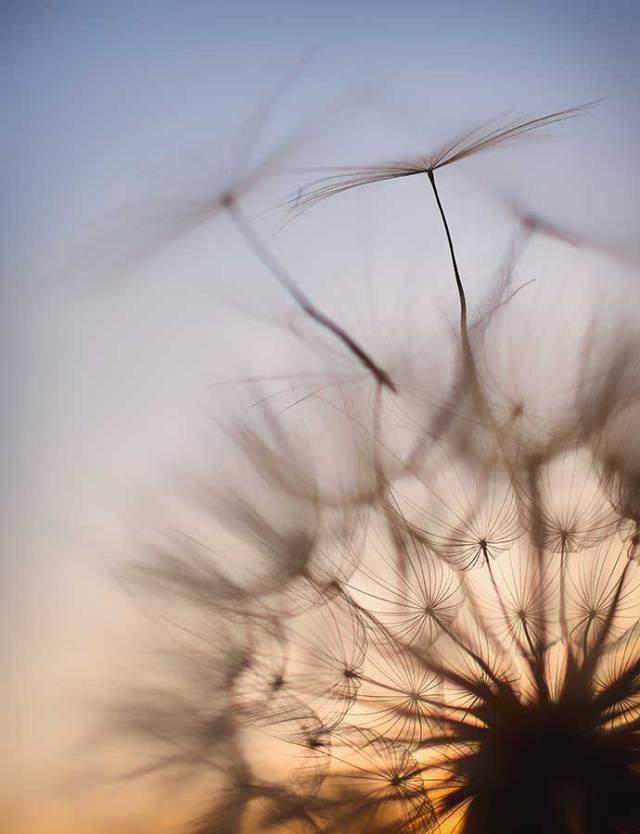


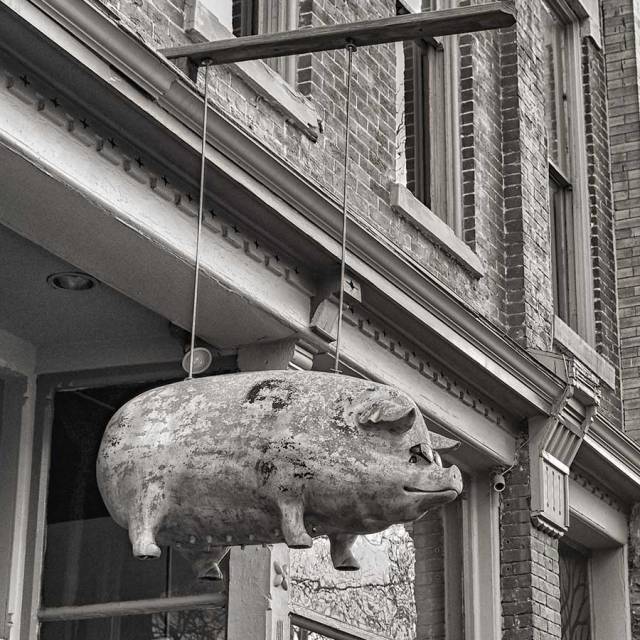
Nikon D750 f/4 1/125 35mm
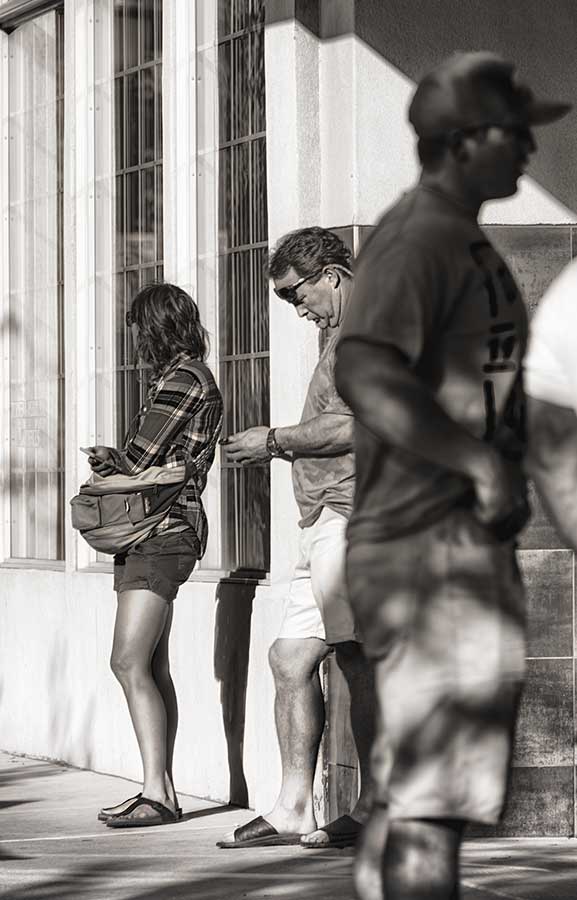
Nikon D750 f/8 1/125 250mm
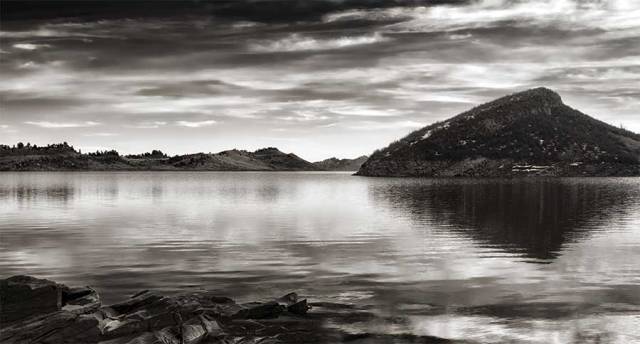
 a meditative journey
You must be logged in to post a comment.