Going deep,
I leave summer behind
on the mountain path
~Soseki (S Carter, Haiku before Haiku)

Going deep,
I leave summer behind
on the mountain path
~Soseki (S Carter, Haiku before Haiku)
Spring departs —
the clear moon oblivious
of passing time
~Soseki (S Carter, Haiku before Haiku)

from the tip
of the forest ranger’s broom. . .
spring departs
~Issa (www.haikuguy.com)
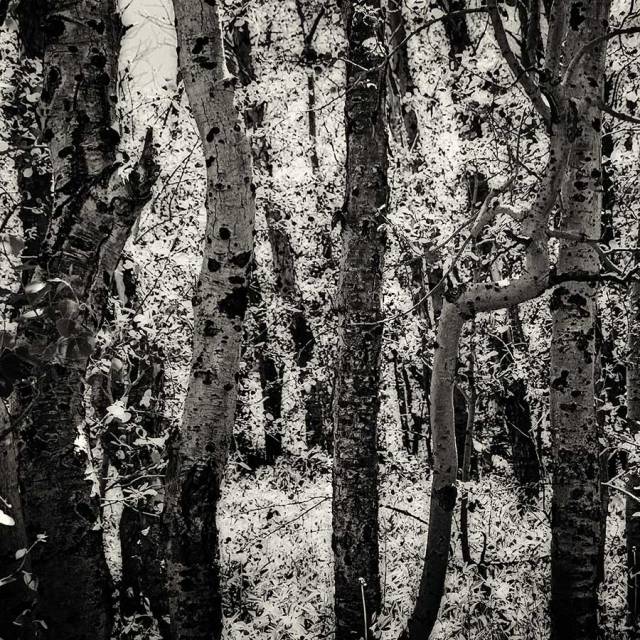
Trees…Medicine Bow National Forest
Medicine Bow National Forest extends from north central Colorado to central Wyoming in the United States. The origin of it’s name, Medicine Bow, is legendary. The generally accepted version is that the Native American tribes which inhabited southeastern Wyoming found mountain mahogany in one of the mountain valleys from which bows of exceptional quality were made. It became the custom of friendly tribes to assemble there annually and construct their weapons. At these assemblies, there were ceremonial powwows for the cure of disease which, in the hybrid speech that developed between the Indians and the early settlers, was known as making medicine. Eventually, the settlers associated the terms “making-medicine” and “making bow”, and Medicine Bow resulted as the name for the locality.
Hop on over to Lost in Translation to participate.
regrets as I may,
even the bell
has a different sound now,
and soon frost will fall
in place of morning dew
~Saigyo (B. Watson, Poems of a Mountain Home)

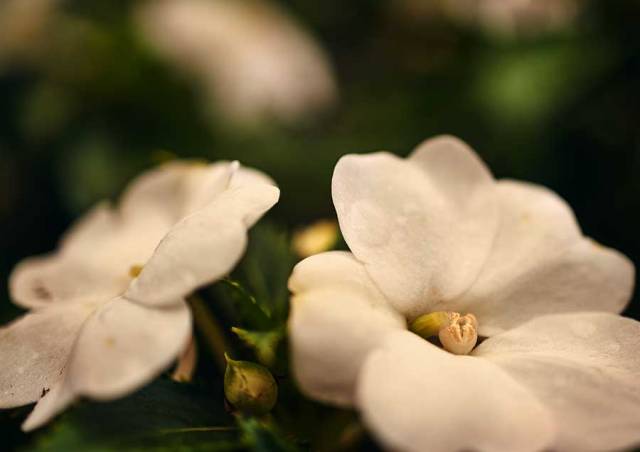
Vision: Unable to see things clearly unless they are relatively close to the eyes, owing to the focusing of rays of light by the eye at a point in front of the retina; myopic


The Six Blind Men & the Elephant, a famous Hindu fable that tells the story of six blind sojourners that come across different parts of an elephant. In turn, each blind man creates his own version of reality from that limited experience and perspective. The video below is a illustrated version sharing an aged truth about our human condition and the relation between relative and absolute truth.
Jump on over to Lost in Translation to join this week’s Thursday’s Special.
this rain
a greeting card from heaven
midsummer heat.
~Issa (www.haikuguy.com)
What are the various conditions—past and present, known and unknown—that come together to create raindrops? Scientists have suggested that the interactions between water vapor, dust particles, and wind turbulence within clouds create millimeter-sized droplets which are heavy enough to begin their descent towards earth. And in the process of falling, the droplets accumulate more and more moisture, becoming the raindrops we see on the ground.
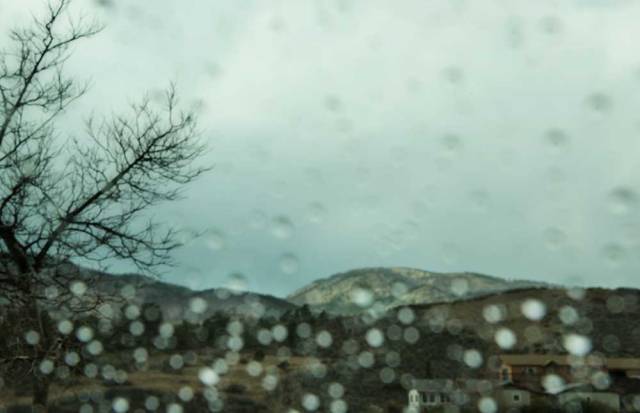
This scientific explanation of how raindrops form invites contemplation of the prior conditions that create vapor, dust, and wind. Each of these transient phenomenon is a telling of the ongoing weaving and unweaving of interconnected threads creating the various phenomena we experience within each given moment.
This weaving and unweaving of threads is noted by Thich Nhat Hanh, “This is, because that is. This is not, because that is not. This is born, because that is born. This dies, because that dies.”
The cloud-covered sky
is all open.
The heart of takuhatsu*
as it is –
a gift from heaven.
~Ryokan (Sky Above Great Wind, K Tanahashi)
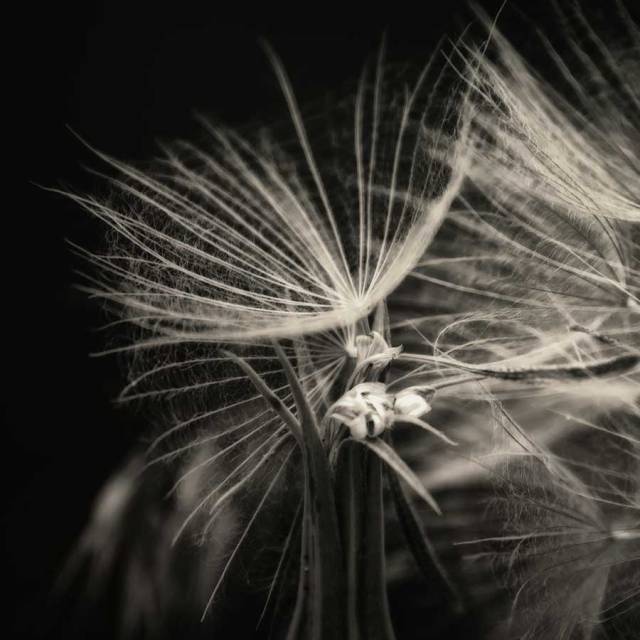
*takuhatsu – alms-begging. Ryokan relied only on the fruits of takahassu for his food and substance.
today too
keeping perfectly quiet. . .
little duck ~Issa (www.haikuguy.com)

belt of orien
in the dark sky
a silent reminder. . .
but if, gazing at it, we just reminisce
our three hearts may meet


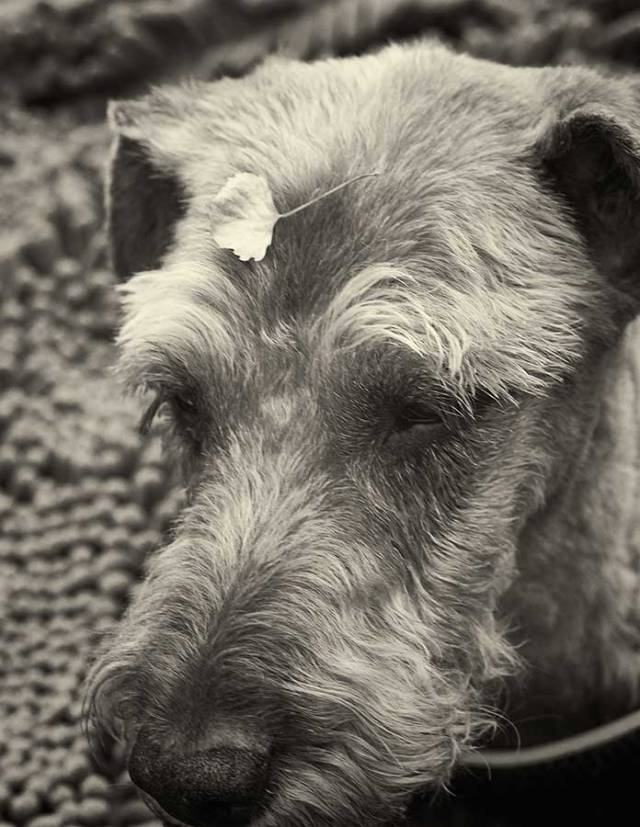
images submitted in response to Lost in Translation’s photo challenge.
Today again
I’ll go to the hill
where the pine winds blow –
perhaps to meet my friend
who was cooling himself there yesterday.
~ Saigyo (Poems of a Mountain Home)
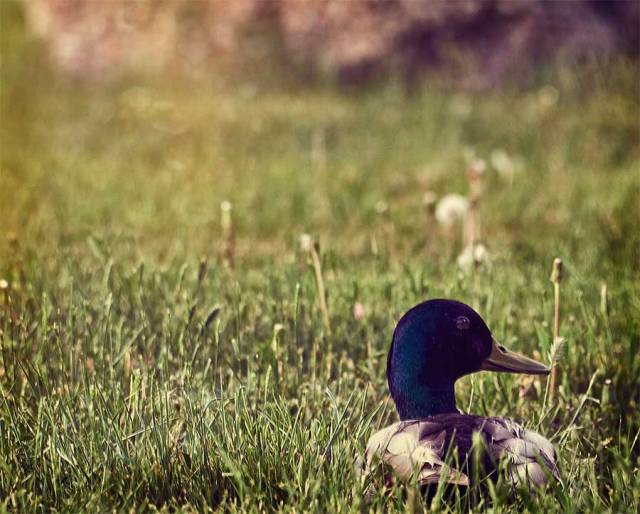 …submitted in response to Lost in Translation’s photo challenge: s-curve.
 a meditative journey
You must be logged in to post a comment.