
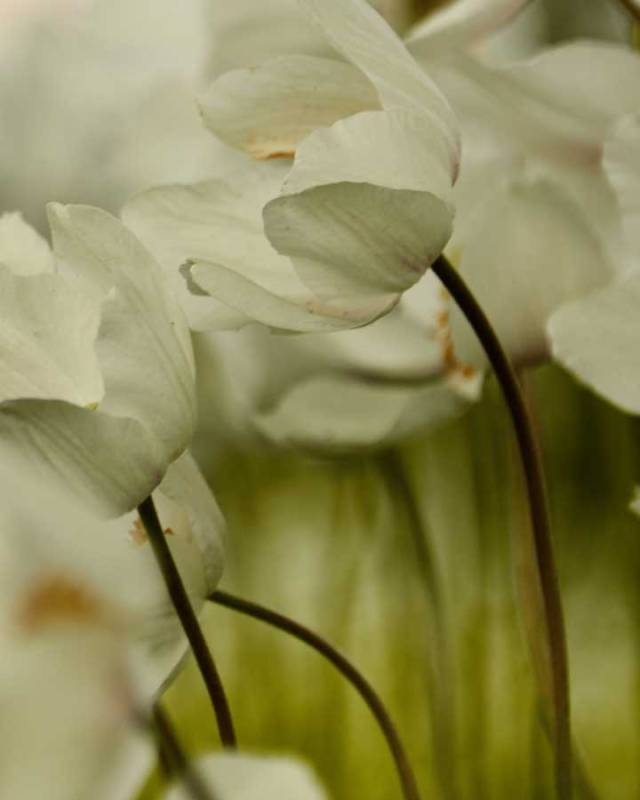
Nikon D750 f/4.5 1/320s 85mm 100 ISO
This week’s photo study is inspired by my initial reading of Bruce Percy’s ebook, “The Art of Tonal Adjustment.” Thus far into this photo study project, the majority of discussions about composition generally concentrate on the basics of photography; such as, the rule-of-thirds, rule of odds, leading lines, the color red, and so on. Tone, on the other hand, doesn’t seem to be a popular subject and one that has a variance of definitions. For example:
Hue is the color. Saturation is the purity/intensity of the color. Tone is the degree of lightness and darkness.

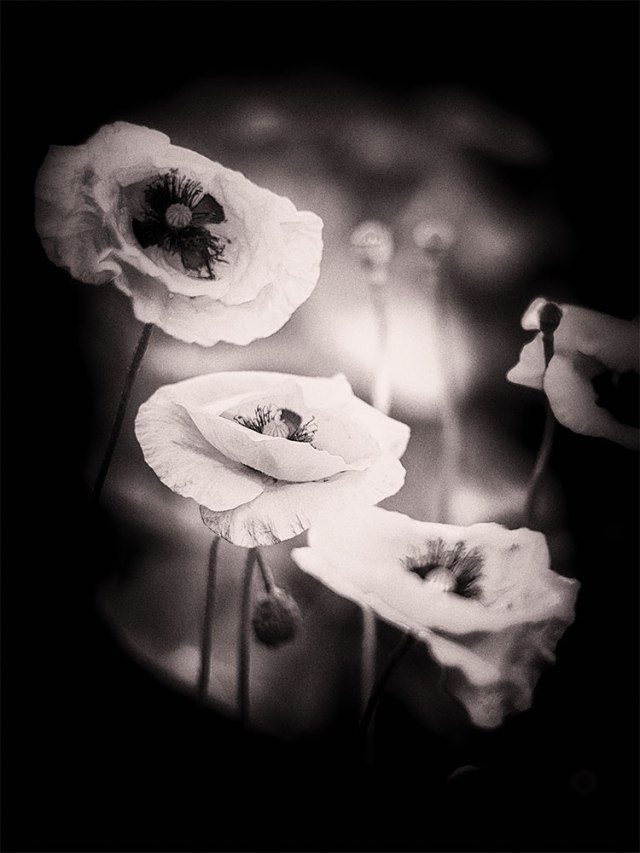
Nikon D750 f/4.5 1/160 85mm 100 ISO
Tone is probably the most intangible element of composition. Tone may consist of shadings from white-to-gray-to-black, or it may consist of darks against lights with little or no grays. The use of dark areas against light areas is a common method of adding the feeling of a third dimension to a two-dimensional black-and-white picture. The interaction of light against dark shades in varying degrees helps to set the mood of a composition.

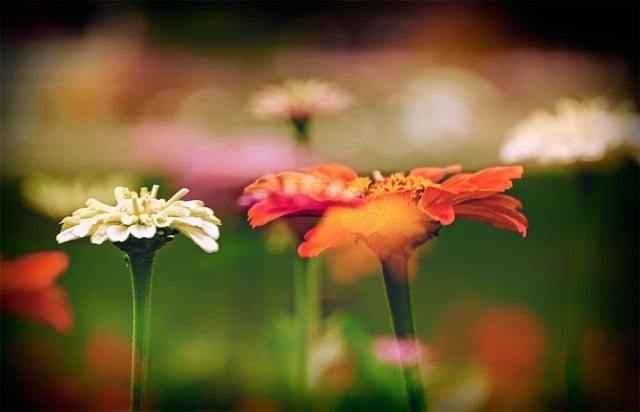
Nikon D750 f/4.5 1/160 85mm 100 ISO
A picture consisting of dark or somber shades conveys mystery, intrigue, or sadness. When the tones are mostly light and airy, the picture portrays lightness, joy, or airiness.
“Tonal range” is another way of saying what the difference is between the darkest and the lightest parts of a picture.

Nikon D750 f/4.5 1/4,000 85mm 800 ISO
“Tonal contrast” is created when light tones and dark tones lie alongside each other. In any photograph it is natural for the eye to go straight to the highlights and then move about the image, taking in the details.

Nikon D750 f/4.5 1/320s 85mm 100 ISO
Tonal contrast is the basis of many successful black and white images. If you need help to see the tones in your color photos an easy way to do so is to reduce the color saturation to zero. It is easier to see tonal contrast in black and white images because there is no color to distract your eye from the brightness values within the photo. It is important to note that reducing the color saturation to zero is usually not the best way to convert a color image to monochrome.

Nikon D750 f/4.5 1/320s 85mm 100 ISO
Throughout my inital research, I found Bruce Percey’s articles about tone to be an invaluable read. Hope you enjoy.
https://www.brucepercy.co.uk/blog/?category=Tonal+Relationships
How do you understand and demonstrate tone within your photographs?


 “Nothing can exist by itself alone. It has to depend on every other thing. That is called inter-being. … Looking deeply into a flower, we see that the flower is made of non-flower elements. We can describe the flower as being full of everything. There is nothing that is not present in the flower. We see sunshine, we see the rain, we see clouds, we see the earth, and we also see time and space in the flower. A flower, like everything else, is made entirely of non-flower elements. The whole cosmos has come together in order to help the flower manifest itself. The flower is full of everything except one thing: a separate self, a separate identity.” (Thich Nhat Hanh, No Death, No Fear, pp 47-48)

 Forest.




 Last year I went to Kyoto and sobbed.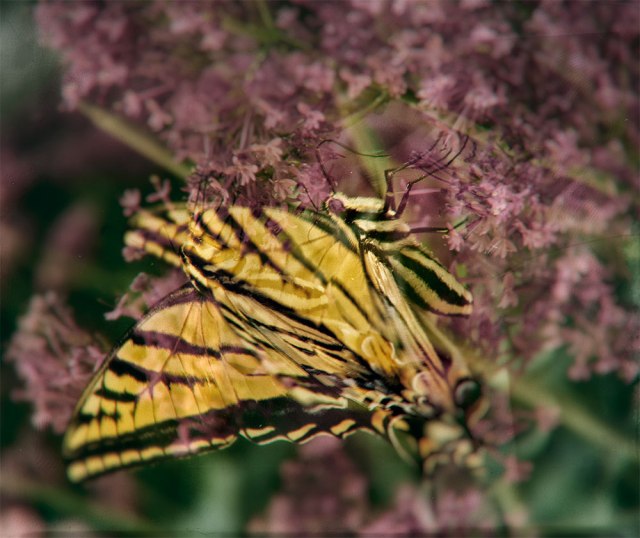
 a meditative journey
You must be logged in to post a comment.