Week 11 Composition: Fill the Frame: (Using Fill the Frame is a great way to isolate your subject and create interest in your photo. Can you do it with only one color in the frame? Fill the Frame with one color.)
Image submitted in response to Dogwood Photography’s annual 52-week photography challenge.
While reviewing old blogs, I came across an October 19, 2012 post entitled, “photo friday, vibrant.” I thought it would be fun to create a new “photo friday” blog with updated vibrant images created a few weeks ago. Hope you enjoy!
This slideshow requires JavaScript.
P.S. I have found that “gratitude” is an antidote to feelings like resentment/anger. I am finding that photographing color just may be an antidote for sadness/boredom.
For this week’s photo study, I decided to continue with Ian’s creative composition posts as they seem to be an ideal way to revisit basic elements of composition and explore how to incorporate them into street photography. He begins the second positing with noting the importance of slowing down with intentional “seeing” as a foundation to finding the ideal background and good light and then deciding to or not to press the shutter.
Photography is not what’s important. It’s seeing. The camera, film, even pictures, are not important. ~Algimantas Kezys (cited: H Zehr, The Little Book of Contemplative Photography)
Setting the Stage, Timing the Steps (fishing) Ian writes, “The key concept for this approach is to establish the static elements in your frame first (i.e. background and light), then patiently work to add interesting dynamic elements by moving close and far, exploring various angles, adjusting the camera’s settings, and finally with patience waiting for the person who fits into your story to walk on your stage.
Frame within a Frame Create a frame within the image through the use of doorways, windows, window displays, trees, or any object that creates a frame around your subject.
Leading Lines Drawing the viewer’s eye is an important compositional element especially when lines converge toward each other and draw the eye to the subject. I found that the gaze of both the man and the dog create an implied line as well as invite a story.
JuxtapositionIan describes juxtaposition is where two adjacent objects appear to contrast with each other, as within the image below. The person in the foreground leans to the left opening us to the elderly man in the midground who is leading left. The Starbucks coffee cup in the center adds a social justice element as well as a contrast to both men.
Perspective – create high-angle images by standing on stairs, platforms, balconies or low-angle photos by getting close to the ground and shooting upwards.
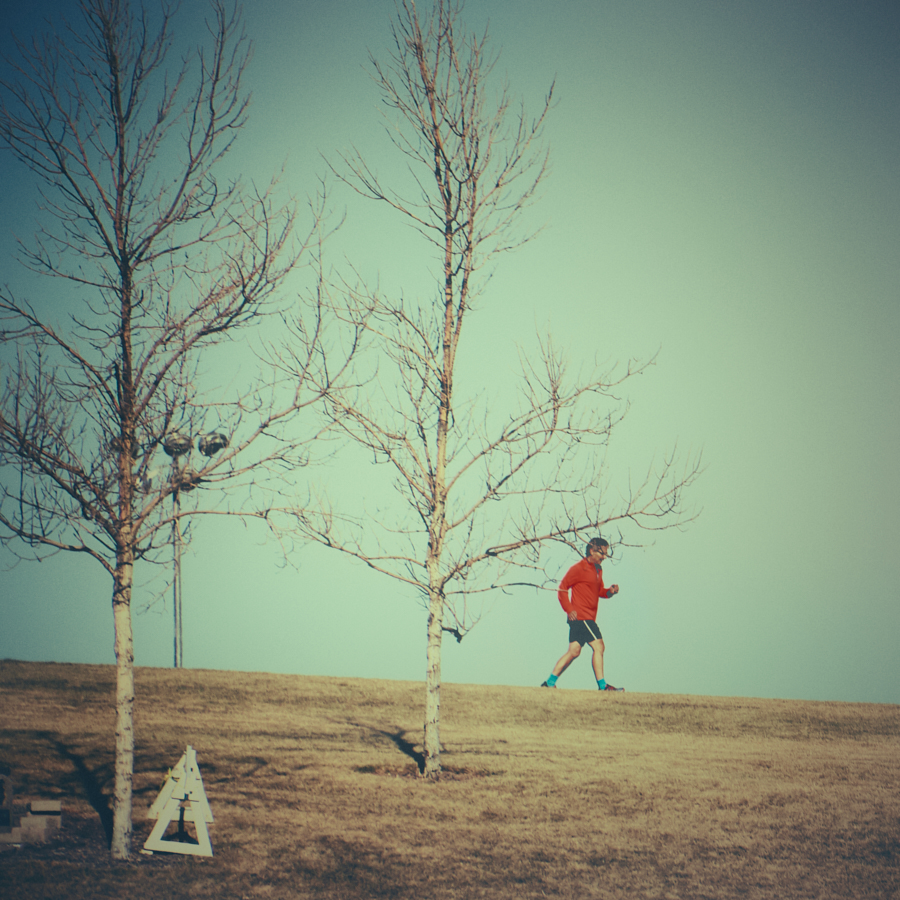
ScaleImages where the subject is dwarfed by the environment seems to be a way of introducing feeling into the image and drawing the eye to the person within the frame.
ColorColor intermixed with light, shadows, and silhouettes have the potential to create unique photographs that nudge images away from the photojournalism and documentary genre.
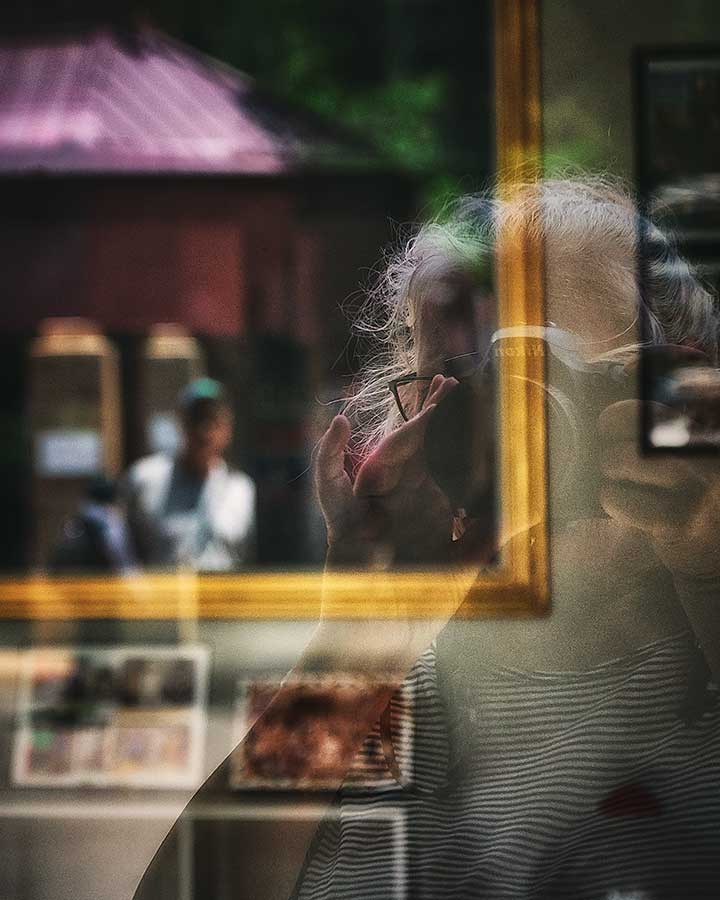
ReflectionsEntire stories can be created through the layers that are created when photographing through glass.
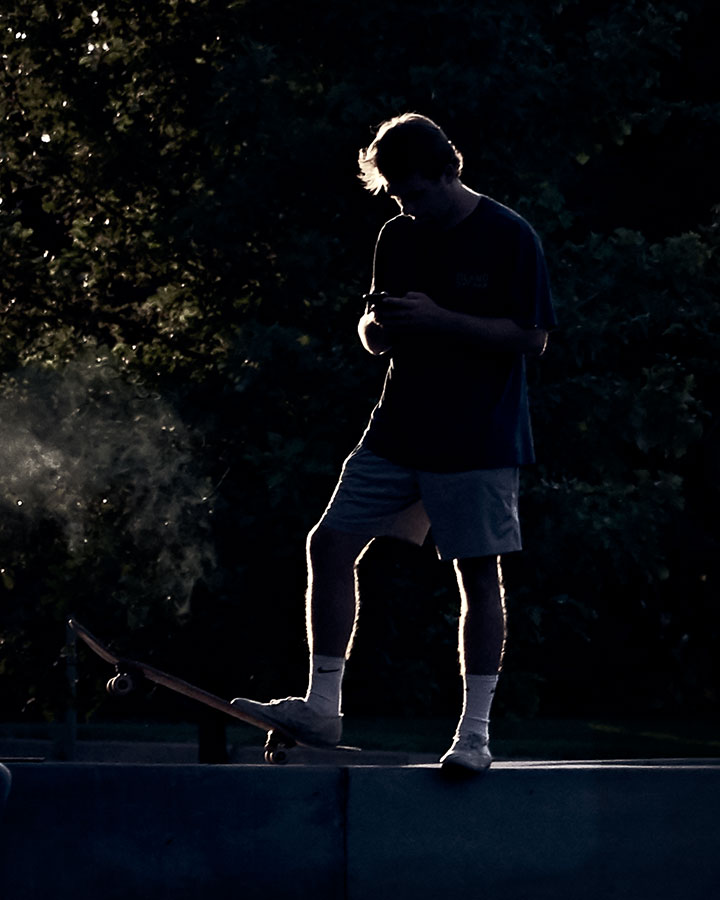
Light and ShadowsUsing your exposure compensation to drop the exposure on the frame (which protects the highlights while creating wonderful deep shadows) will create amazing interactions of shadows, light, and silhouettes.
The Candid Frame Within “Less than Obvious”, Ibarionex encourages us to open ourselves to “seeing” the world’s amazing detail and “being” intentional before we press the shutter.
I hope you find Ian’s educational blog and the Candid Frame to be an invaluable sources of information as well as doorways to a world of creative possibilities. I’m looking forward to seeing your creative work as well as reading your throughs about the use of basic composition elements into street photograph. Let’s tag with #aphotostudy. Until next week…
Photography is representational by nature in that the subject(s) within most images depict the real world and usually are easily recognizable; for example, a photograph of tree generally looks very much like a tree.
Ted Forbes notes that abstract photography within the art world is drawn from skills that are different from other forms of art and, “It is something that we are not used to seeing in every day life…When it is done well, it stands out and it’s really exciting. When it is not done well, it is weird.”
Fundamentally, abstract art is a visual form that does not convey a realistic depiction of the world. This departure from reality can be partial or complete; therefore, we are often uncertain about the identification of the subject. Photographs within this genre diverge from a realist depiction of the world through the use of form, color, and lines.
Form is the shape of the elements within the image and is the foundation of an abstract image. When creating abstract photography, ask yourself, “is there an interesting form/shape with this image?”
The variations and contrast of colors within art create interesting images and evoke feelings within the viewer.
Lines within the image directs the viewer’s eye and creates a dynamic image by emphasizing movement.
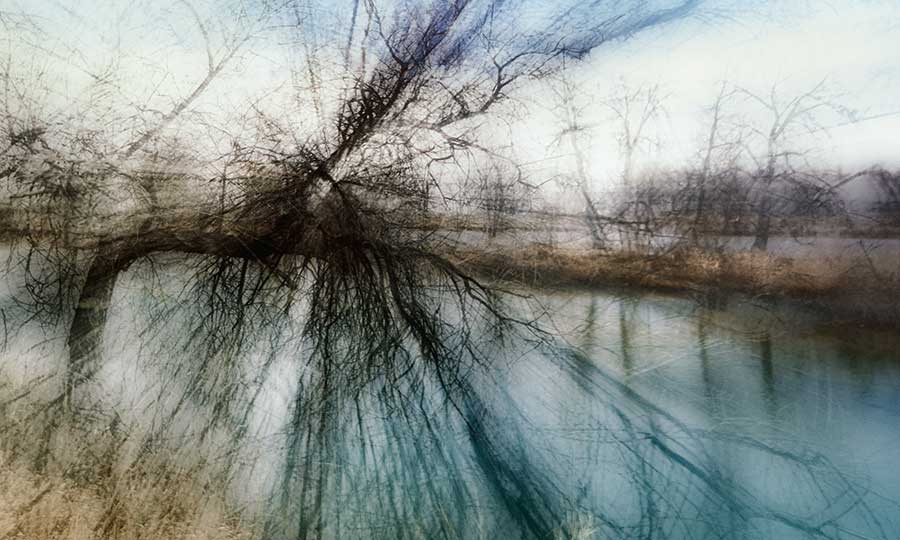
There are different techniques photographers use to create abstract image: 1) selective focus, 2) light and shadow, 3) lines and textures, 4) blur, 5) zooming, 6) moving the camera or subject, 7) double exposure, and 8) moving in close or standing far away.
I’ve come to understand abstract/non-representational imagery as an absence of the type of discrimination and labeling process that seeks an answer to, “what is that?” to one that invites the viewer to explore, “what feelings does this image evoke?”
Thank you for taking the time to visit my blog and for the exchange of ideas and photographs. I am inspired by the process of viewing and exchanging ideas with other bloggers and am excited about walking through your galleries of abstract/nonrepresentational photographs. I hope you find Ted Forbes’ video interesting.
Imagine the dimension of time as a vertical line. Place yourself in the present on that line with the past above you and the future below you. Establish yourself in time. See all your ancestors that have come before you. The youngest generation of your ancestors is your parents. All of them are above you on this line of time. Then below you, see all your dependents, your children, your grandchildren, and all their future descendants. If you have no children, your descendants are the people you have touched in your life, and all the people they in turn influence.
In you are both your blood ancestors and your spiritual ancestors. You touch the presence of your father and mother in each cell of your body. They are truly in you, along with your grandparents and great-grandparents. Doing this, you realize their continuation. You may have thought that your ancestors no longer existed, but even scientist will say that they are present in you, in your genetic heritage, which is in every cell of your body.
Look into a plum tree. In each plum on the tree there is a pit. That pit contains the plum tree and all previous generations of plum tree. The plum pit contains an eternity of plum trees. Inside the pit is an intelligence and wisdom that knows how to become a plum tree, how to produce branches, leaves, flowers, and plums. It cannot do this on its own. It can only do this because it has received the experience and heritage of so many generations of ancestors. You are the same. ~Thich Nhat Hanh (No Death, No Fear, 137-138)
This posting was created in memory of Dustin, Bob, Elberta, Donna, Chris, Larry, and Margaret who all live on within the lives of my beloved.
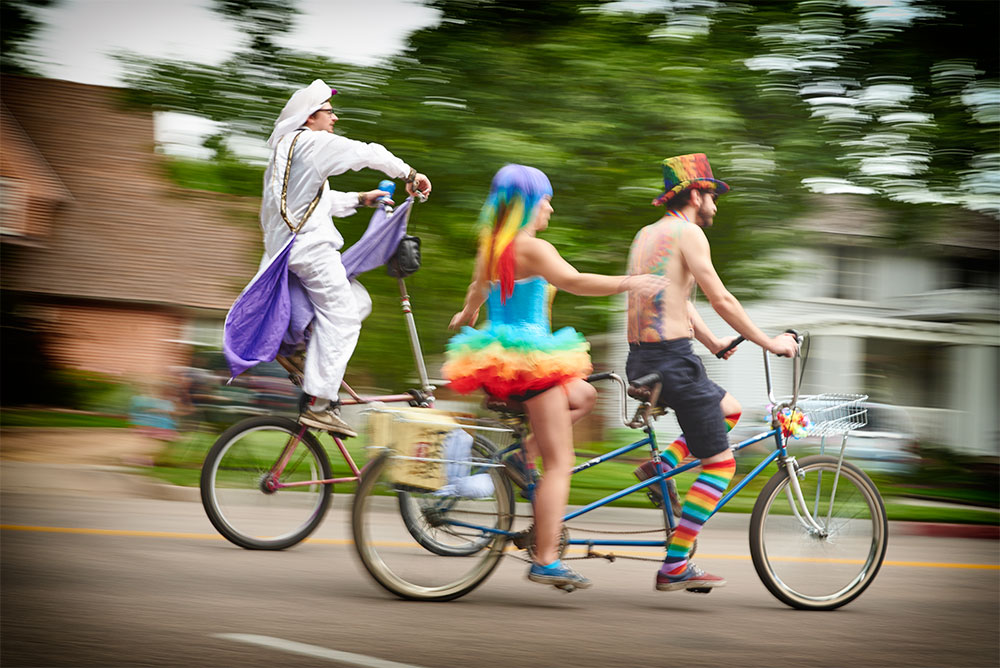
For this photo assignment I have included two versions of the motion blur image taken during this past weekend’s St. Patrick’s celebration in Old Town. I generally prefer street and motion blur in black and white…yet, the color image with the green and purple does give the image a bit of pop.









 a meditative journey
You must be logged in to post a comment.