“There should have been roses Of the large, pale yellow ones. And they should hang in abundant clusters over the garden-wall, scattering their tender leaves carelessly down into the wagon-tracks on the road: a distinguished glimmer of all the exuberant wealth of flowers within. And they should have the delicate, fleeting fragrance of roses, which cannot be seized and is like that of unknown fruits of which the senses tell legends in their dreams. Or should they have been red, the roses? Perhaps. They might be of the small, round, hardy roses, and they would have to hang down in slender twining branches with smooth leaves, red and fresh, and like a salutation or a kiss thrown to the wanderer, who is walking, tired and dusty, in the middle of the road, glad that he now is only half a mile from Rome. Of what may he be thinking? What may be his life?”
Cited: Project Gutenberg’s Mogens and Other Stories, by Jens Peter Jacobsen
~Ryokan (cited: K Tanahashi, Sky Above, Great Wind)
It was about 20 years ago when I was first introduced to the word equanimity, grandmother’s calm. Of note, my maternal grandmother was anything but calm. Yet, even to this day I find myself puzzled about that sudden very brief phone call in which she asked if I was pregnant. She in Oregon; I in Colorado. A couple weeks later, a positive pregnancy test. How did she know?
Equanimity is felt within the grandparent who have more than one grandchild; that is, each child is her/his grandchild and each receives love with inclusiveness absent of discrimination.
Sister Dang Nghiem (Mindfulness as Medicine) identities equanimity as an element of true love that contains inclusiveness. Inclusiveness. Yes, I personally am acquainted with the felt sense of inclusiveness — cherished and joy-filled memories gifted with unconditional togetherness (a silent moment of gratitude). Regrettably, I, as so many, am also very aware of exclusion’s uncertain darkness (A silent prayer, may we be free from anxiety).
Reflecting on the continuum of inclusion and exclusion, I find that moments of inclusiveness also block connection with others. Is there a clear differentiation between when one is in or out? (May we all love and be loved).
“When the crowded Vietnamese refugee boats met with storms or pirates, if everyone panicked, all would be lost. But if even one person on the boat remained calm and centered, it was enough. It showed the way for everyone to survive.”
–Thich Nhat Hanh
“When I first heard about COVID-19 in January, I knew I’d have to dial up my equanimity mode. Equanimity is an evenness of mind, considered by Buddhists as one of four Brahma Viharas (sublime attitudes, or immeasurable abodes). Equanimity enables us to remain alert for danger while calm – and level-headed in the midst of emergency – all on an even keel.
“Equanimity doesn’t mean indifference. Mindful equanimity is grounded in caring. When I’m open-hearted and present with the suffering within and around me, then I can engage in meaningful compassionate action. Since a person can be a carrier of COVID-19 and remain asymptomatic, when I’ve done all I can to be safe, then I’m glad to know I’m not a vector for the virus to travel on to others.
“Equanimity means inclusivity. It’s interesting to note how this isn’t an epidemic we’re living through but a pandemic. The Greek roots of the word pandemic mean “pertaining to all people; public, common.” It’s vital we not let this pandemic fracture or fragment our commonality. The fact we all could eventually contract this virus is a most strange but very real reminder that we are all one.
“The inclusivity of equanimity means embracing our pain and our joy as one. It also means acknowledging obstacles as well as breakthroughs. While I’m hopeful for breakthroughs, I’d like to point out three common obstacles in our path. With mindfulness, we can stop, breathe, and smile at ourselves before our awareness gets hijacked by our habit energies of denial, anger, and fear.
“It’s a common tendency to shut down, go numb, and ignore any 800-lb gorilla in the room. Our deluded tendency to ignore has two toxic cousins: anger and fear. It’s needful to be aware of anger so we don’t blindly act out from its knee-jerk impulses. If I had tickets for this year’s now-cancelled SXSW festival in Austin, I might feel bummed that it was cancelled, push away my disappointment, then let out my micro-aggression on some innocent passerby. Moreover, other people are now living close to the edge, too, and so my anger can easily trigger their own. Say traffic stalls: rather than honk my horn and set off a chain reaction, I can pause, breathe, and smile at my natural instinct, that of others, refrain from honking back, and remain in equanimity.”
FYI
On Monday, March 23, TED kicks off a free, live and daily conversation series, TED Connects: Community and Hope. As COVID-19 continues to sweep the globe, it’s hard to know where to turn or what to think. Hosted by head of TED Chris Anderson and current affairs curator Whitney Pennington Rodgers, this new program will feature experts whose ideas can help us reflect and work through this time with a sense of responsibility, compassion and wisdom.
We are in this global boat together, please be safe.
comes to call (Saigyō Trans: B Watson, Poems of a Mountain Home)
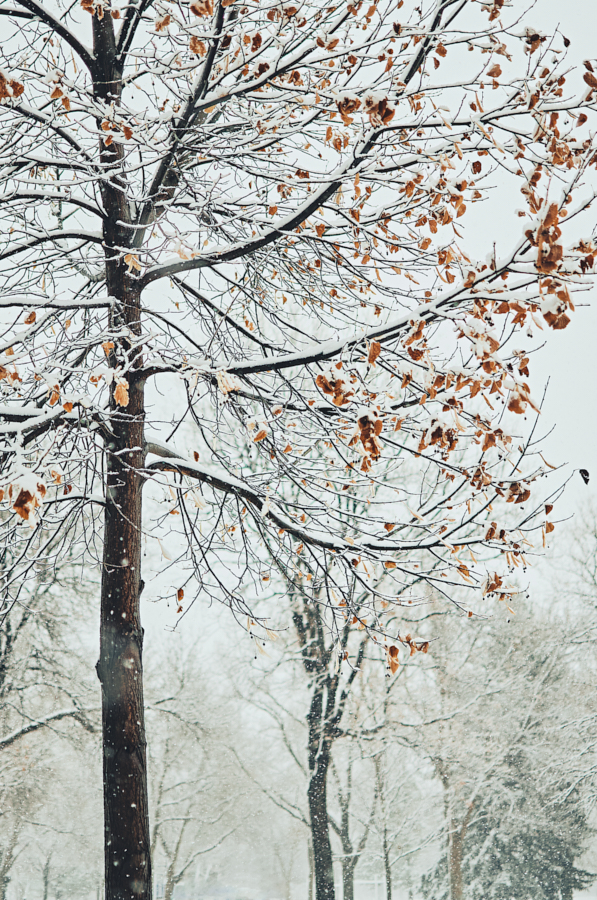
Nikon D750… f/1.8 1,2000s 38mm 200 ISO
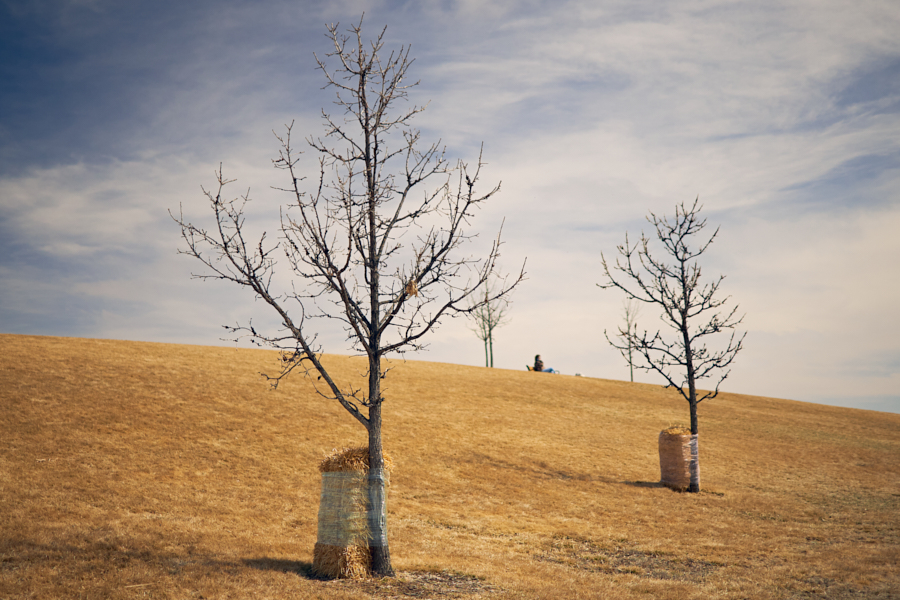
“One can live without coffee and without cigarettes, Liesl said rebelliously, but not without nature, that’s impossible, no one should be allowed to deprive you of that. I said, ‘Think of it as if we’d got to spend a prison sentence here, for a few years perhaps, and learn to look at the couple of trees over there across the road as if they were a forest. …” (Etty Hillesum, Trans: A Pomerans, An Interrupted Life The Diaries of Etty Hillesum 1941-1943. pg. 127)
Nikon D750… f/1.8 1,2000s 38mm 200 ISO
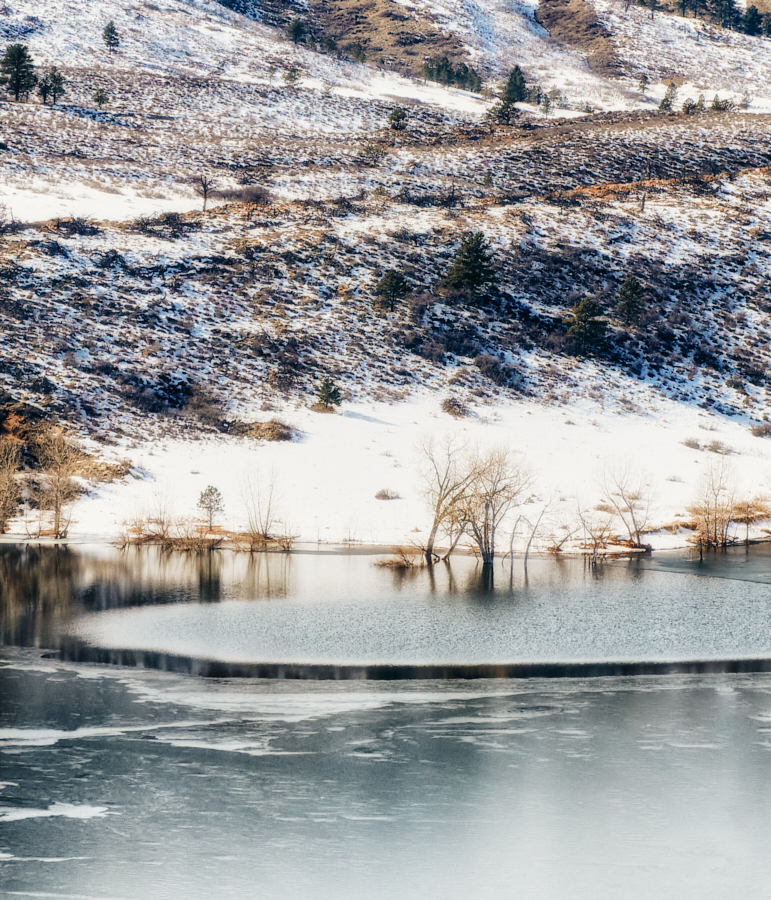
“… Were it possible for us to see further than our own knowledges reaches, and yet a little way beyond the outworks of our divining, perhaps we would endure our sadnesses with greater confidences than our joys. For they are the moments when something new has entered into us, something unknown, our feelings grow more mute in shy perplexity, everything in us withdrawn, a stillness comes, and the new, which no one knows, stands in the midst of it and is silent. …” (Rainer Maria Rilke Trans: M D Herter Norton, Letters to a Young Poet. pg.40
“The silence after a snowstorm isn’t just your imagination — all those tiny flakes actually trap the sounds of your surroundings.
“Chris Bianchi, a meteorologist at Weather Nation, described the phenomenon as a sort of citywide cup of tea: After a big storm, we can take a few minutes to relax and take in the quiet.
“The science behind that quiet comes down to how sound waves travel (or, more accurately, don’t travel) through snowflakes.
“‘Snowflakes, when they’re spaced further apart, there’s little gaps, obviously invisible to the naked human eye,’ Bianchi said. ‘But there are these little gaps within the snow and those are very efficient at absorbing sound.’
“The sound waves from cars, buildings and people get trapped in those small places between the snowflakes.
“Not just any snow can trap noise. It has to be the freshly fallen, light and fluffy. Wet and heavy snow doesn’t leave those spaces for sound to be trapped.
“One study found a couple of inches of snow can absorb as much as 60 percent of sound. Snow can act as a commercial sound-absorbing foam when it’s in that fluffy, freshly fallen state.
“As the snow starts to melt, those little sound-catching spaces start to go away too.
“(When snow melts) it compacts, and that compaction reduces the amount of little crevices and nooks and crannies that sound is able to be trapped in,” Bianchi said.
“So, for at least a few hours or even a day after a snowstorm, we can get some reprieve from all that noise around us.
“‘It’s calming, it’s relaxing, it’s tranquil,’ Bianchi said. ‘Life is kind of forced in a sense to slow down.'”
cited: CPR News, Claire Cleveland and Andrea Dukakis, “Yes, it really is quieter when it snows. Here’s the science behind the calm after the storm. February 4, 2020.
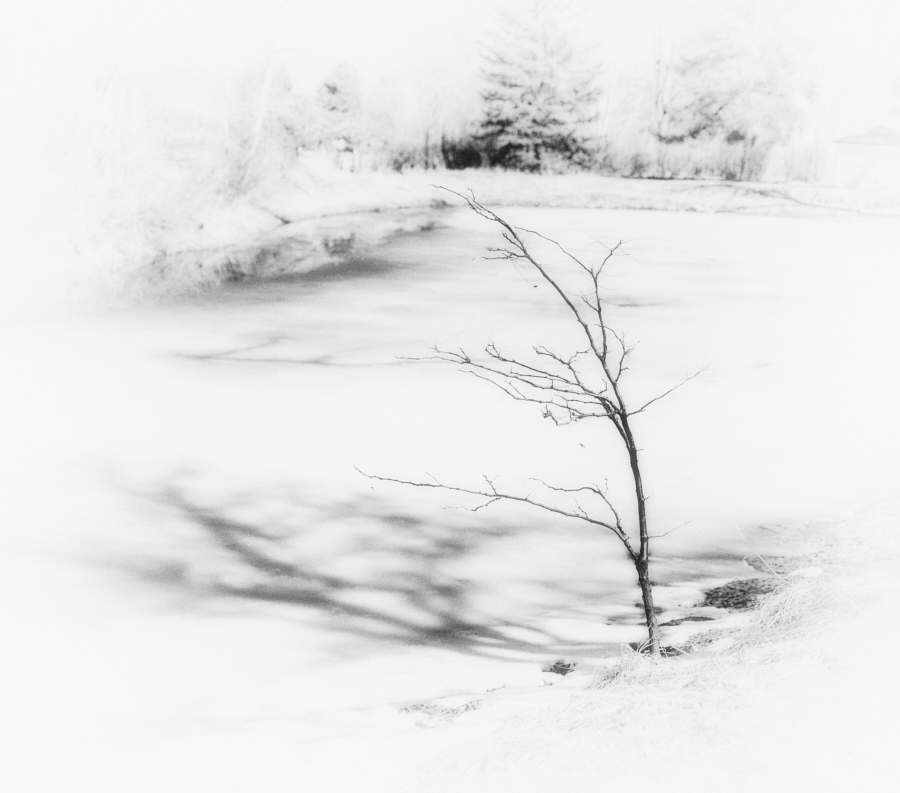
*’Death is close by, because the mirror image of the cherry blossoms, clearer than the actual flowers, will disappear with the slightest breath of wind.
“…seek those which your own everyday life offers you, describe your sorrows and desires, passing thoughts and the belief in some sort of beauty–describe all these with loving, quiet, humble sincerity, and use, to express yourself, the things in your environment, the images from your dreams, and the objects of your memory. If your daily life seems poor, do not blame it: blame yourself, tell yourself that you are not poet enough to call forth its riches, for to the creator there is no poverty, and no poor indifferent place.”
cited: Rainer Maria Rilke, Letters to a Young Poet – pp 16-17 (trans: M D Herter Norton)
I’ve been rather absent for a time as I was captured by a creative need to compile some images and writings into a photo book. I invite you to preview, Unseeded, a photo book inspired by two amazing women.
“I bow my head before you as I look deeply and recognise that you are present in me and that I’m a part of you. I was born from you and you are always present, offering me everything I need for my nourishment and growth. My mother, my father, and all my ancestors are also your children. We breathe your fresh air. We drink your clear water. We eat your nourishing food. Your herbs heal us when we’re sick. …
“Sometimes I forget. Lost in the confusions and worries of daily life, I forget that my body is your body, and sometimes even forget that I have a body at all. Unaware of the presence of my body and the beautiful planet around me and within me, I’m unable to cherish and celebrate the precious gift of life you have given me. Dear Mother, my deep wish is to wake up to the miracle of life. I promise to train myself to be present for myself, my life, and for you in every moment. I know that my true presence is the best gift I can offer to you, the one I love.”
~ Thich Nhat Hanh, Love Letter to the EarthPlum Village








You must be logged in to post a comment.