
Lagoon Summer concert at Colorado State University, July 2017. Hop on over to Amy’s to join this week’s lens-artists photo theme: summer
Nikon D750 f/6.3 1/640s 85mm 100 ISO edited Capture One 20
Lagoon Summer concert at Colorado State University, July 2017. Hop on over to Amy’s to join this week’s lens-artists photo theme: summer
Nikon D750 f/6.3 1/640s 85mm 100 ISO edited Capture One 20
Each night as I watch the sunset, I am surprised to see the the western sky’s limitless wardrobe of clouds.




I have found that taking the time to sit on the veranda to watch the sunset and photograph the impermanence of clouds offers me moments of peace during this time of uncertainty. Thank you Leya for this week’s photo challenge: surprise.
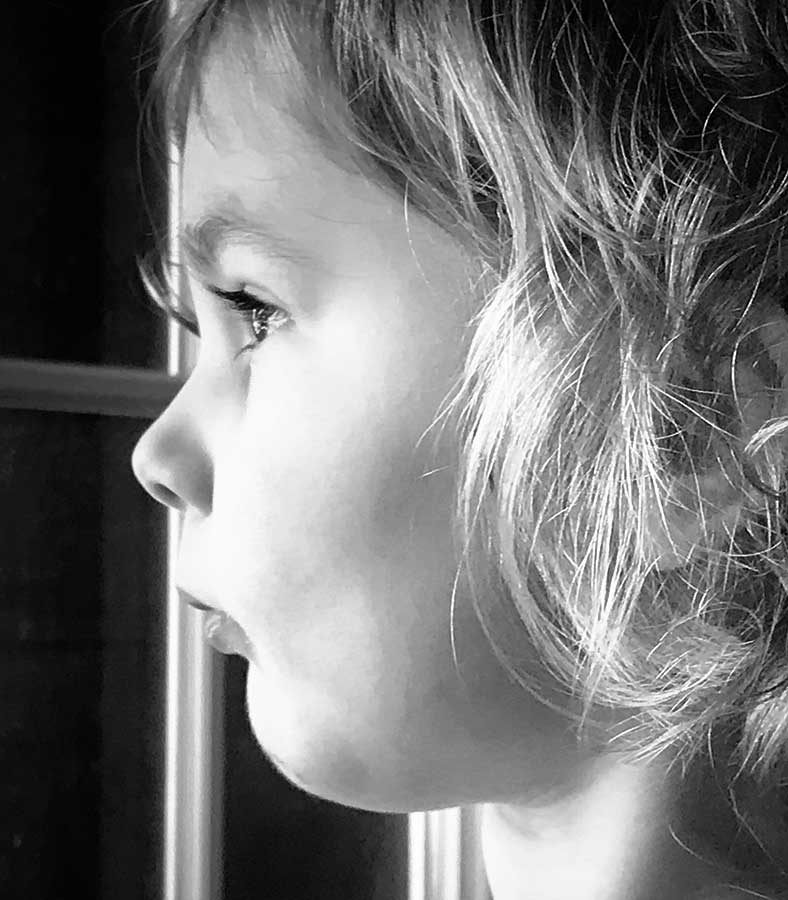
iPhone7 f1/8 1/30 3.99 edited: Snapfeed
This week Patti has invited us to share “A Quiet Moment.” She writes, “During these past few months while the pandemic has raged around the world, many of us have rediscovered the value (and necessity) of finding quiet moments during the day to reflect and recharge.”
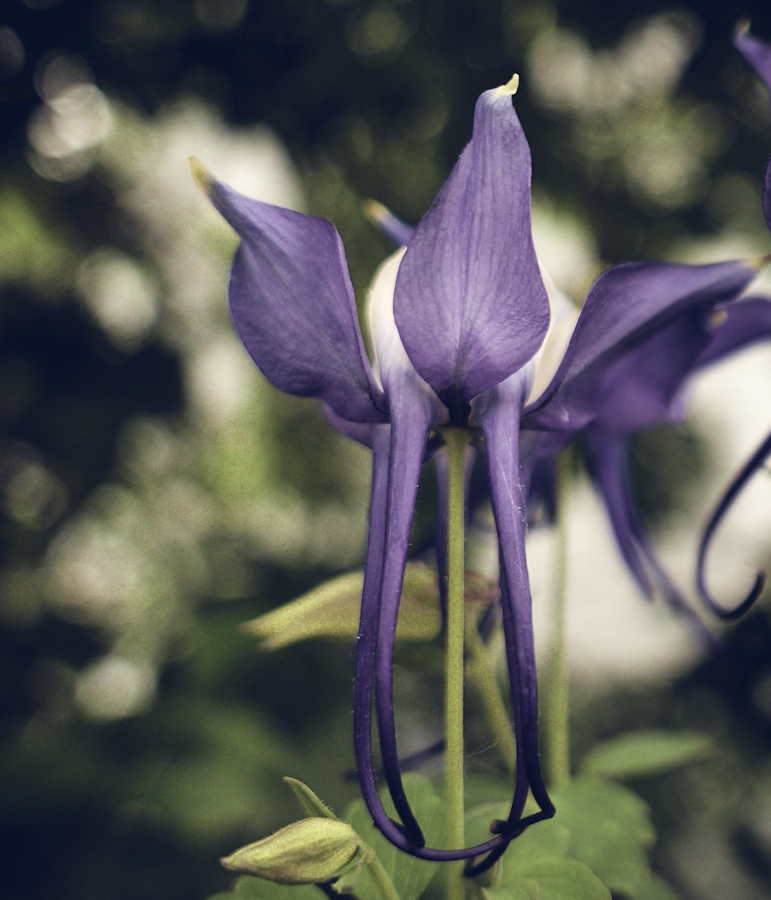
image submitted in response to Cee’s lens-artists’ photo challenge: one single flower
isolation retreat 75th day

I’ve found that my daily walks through a community park has become impacted by the increasing number of people who are gathering without masks, disregarding distance recommendations, and (confusingly) allowing their dogs to run free of their leash.
Seemingly, resistance to limitations has no boundaries.
I’m a bit more anxious about dogs especially when walking with my great granddaughter as we have the choice to distance ourselves, refrain from touching our faces, and engage in the ritual of washing hands and masks upon returning home. Dogs on the other hand are know to bite… and a bite will result in an emergency room visit and a confrontation that most likely will be tinted with ugly aggression. These imagined potentialities serve to intensify anxiety even more so than the possibility of stepping into dog poop and imagined consequences… Oh dear!
So…with the intention to journey through this delicate and uncertain time with a mindfulness that focused more on gratitude than on negative thoughts and feelings, I have chosen to spend my evenings photographing sunsets from the security of my veranda.
Gatha for Donning a Mask
Putting on my mask
I think of protecting and caring for my community.
Seeing someone wearing their mask
I think of how they are caring for me.
Smiling at each other with our eyes,
waving hello with our hands
We are even more connected in care
Despite the distance. ~ Prajna Choudhury
skyscape photography: Nikon D750 f/8 1/25s 32mm 400 ISO edited in Capture One
This post was inspired by Leya’s lens-artists photo challenge: delicate. Thank you Leya and all the lens-artists photographers.

Generally my editing begins with cropping an image with a “focus” on the points of interest using a crop tool set for either a golden ratio, rectangular, or fibonacci spiral grid. The times when there is a pesky “thing” poking in from the edge(s) which somehow was either ignored or not seen in the camera lens, I will either crop or use a software program to removed the unwanted object.

I like the composition of the first image so kept the image at the original aspect ratio and cropped with a fibonacci spiral grid.

The above image was cropped with a ratio of 6×7 which seemed to invite me to move from a stilled contemplative mood to a sense of an ocean’s dynamic energy.
The monochrome cloud images were created with a Nikon D750 (f/8 1/500s 190mm 400 ISO ) and edited in Silver Efex Pro 2.
This week’s Lens-Artists photo challenge is offered by Patti who discussed the photo editing technique and benefits of cropping the shot followed by, “Show us how cropping helped to improve an image and create a desired effect. Include the shot ‘before’ and ‘after’ so we can see the difference.
Solitary … day 46
Within our home, the setting sun…a time of gratitude and metta meditation


My people went to live elsewhere and I remained alone in my solitary home. I was tired of meditation and sent a poem to one who had not called on me for a long time.
Weeds grow before my gate
And my sleeves are wet with dew,
No one calls on me,
My tears are solitary–alas!
She was a nun and she sent an answer:
The weeds before a dwelling house
The Sarashina Diary, Diaries of Court Ladies of Old Japan
May remind you of me!
Bushes bury the hut
Where lives the world-deserted one.


Amy (The World is a Book…) writes that because of “the lockdown, we are spending more time at home. But, hopefully this isn’t limiting our interest in photographing. This week, we invite you to share photos taken at home.”
above images created with a Nikon D750
setting sun: f/7.1 1/1250s 65mm 400 ISO
wind chime: f/5.6 1/15s 125mm 400 ISO
silhouette: f/5.6 1/3200 230mm 400 ISO
may all sentient beings slumber in peace: f/8 1/20s 25mm 400 ISO
Stay at Home Order … day 25 plus 14 seclusion retreat days
O for a friend–that we might see and listen together!
O the beautiful dawn in the mountain village!–
The repeated sound of cuckoos near and far away.
~The Sarashina Diary (cited: Diaries of Court Ladies of Old Japan)

in the silver dew
one sleeve cold…
morning sun
~Issa (cited: haikuguy.com)

A nightingale’s song
Brings me out of a dream:
The morning glows
~Ryokan

at dawn
not a soul in sight…
lotus blossoms
~Issa (cited: haikuguy.com)

In the Autumn night
The pale morning moon was setting
When I turned away from the shut door.
~The Diary of Izumi Shikibu (cited: Diaries of Court Ladies of Old Japan)

This week Ann-Christine invites us to look at our morning – or Any morning -maybe there is a special morning that we will never forget.
*The waning moon is called the morning moon because it can be seen after dawn
Across concealed blue skies – drifting signs
Imaginary birds and dragons – aimless shifting stories
Gathering and dispersing – water droplets and star dust
In flight – clouds empty of clouds

Nikon D750 f/1.8 1/800 35mm 200 ISO
This week Patti (P.A. Moed) invites us to “get back to the basics” and to share how we understand simplicity.
As I was re-reading the basic rules for the board game Go, I came to understand that while the game builds upon 6 simple rules it is an incredibly complex game with more possible configurations for pieces than atoms in the observable universe.
The true origin of Go is unknown. One of the legends tells us that it first emerge in China during the reign of the legendary Emperor Yao (2356 BC- 2255 BC) who created the game for one of his children.
Kano Yoshinori (Graded Go Problems for Beginners) outlines the 6 general rules as:
1) Go is played by two people (I enjoy playing alone as it feels more strategic than competitive) taking turns playing their moves, one stone at a time.
2) One side plays with black stones, the other white.
3) A move consisted of placing a stone on an intersection of the board. Stones can also be placed on the borders of the grid.
4) Once a stone is placed on an intersection, it cannot be moved to another point.
5) When one player has more knowledge and skill, the “weaker” player places more stones on the board to compensate for the difference in strength.
6) In an even game, the side holding the black stone always goes first. In a handicap game, it is the white who plays first.

Nikon D750 f/1.8 1/3200 35mm 200 ISO
At first glance, nature appears simple. The seasons flow from one into another. Clouds move across the sky creating amazing characters and awakening imaginary stories. Yet, when one become more intimate with Mother Earth’s dynamics there are multiple configurations that are beyond my imagination.
Please be safe…
My abode is
in winter seclusion
on this white mountain in Echigo.
No trace of humans
coming or going ~ Ryokan (Trans: K tanahashi, Sky Above, Great Wind)

with nothing
to touch, a dead branch
grabs at the sky ~Katsura Nobuko (cited: Trans: M Ueda, Far Beyond the Field)

Protecting the child
from the cold autumn wind,
the old scarecrow. ~ Issa (cited: Trans: S Hamill, The Spring of My Life)

Winter wind!
A charcoal peddler all alone
in a small ferry boat ~ Buson (cited: Trans: Y Sawa & E M Shiffert, Haiku Master Buson)
A special thank you to the Lens-Artists Photographers who continue to challenge and inspire. The above images and poetry is submitted in response to Travels and Trifles challenge: distance.
Please be safe. We can do this…we really can!
“Mystere: – Kalimando” | Cirque du Soleil
Chaos – eternal, immense, uncreated – from which all is born; nether darkness nor light, nor damp nor dry, not hot nor cold, but all things mingled, eternally one and limitless.
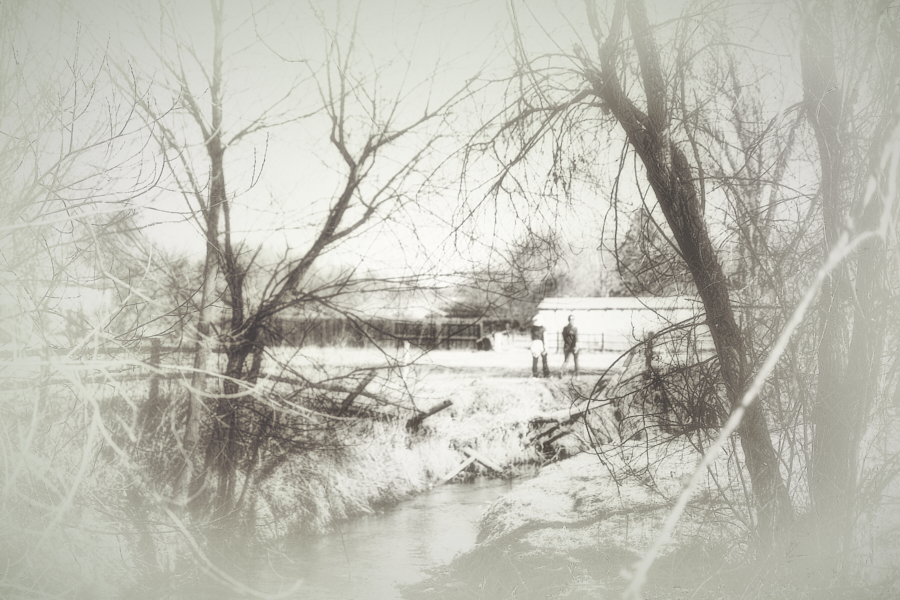
Chaos was the beginning. Within her void slumbered, in undifferentiated fusion, all the elements, the potential, the seed of a person. Yet, some say that Chaos was born from Mist and that Mist was the first to exist.
Mist is symbolic of things indeterminate, or the fusing together of the elements of air and water, and the inevitable absorbing of the outlines of each aspect and each particular phase of the evolution process.
It is also said that Chaos existed from the beginning together with Nyx, the goddess of Night, mother of Erebus, god of darkness, and Tartarus, the underworld.
Or is Chaos the soul’s state of potentiality – eternal, vast, uncreated, where all is intermingled, folding and unfolding, evolving and enveloping – prior to the birth to the unconscious?
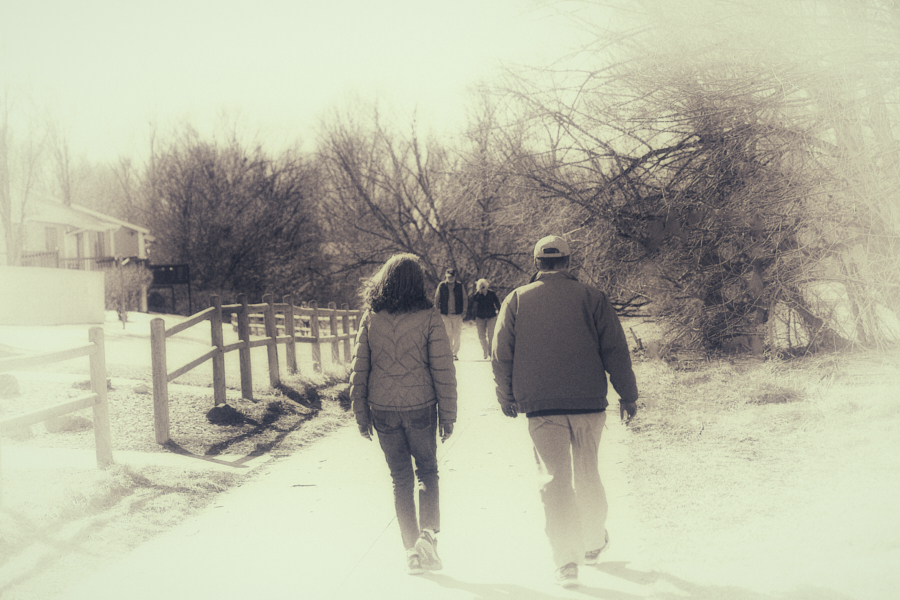
stillness–
in the depths of the lake
billowing clouds
~Issa (cited: www.haikuguy.com)*
*David G. Lanoue (a translator of Japanese haiku, a teacher of English and world literature, a writer of haiku and “haiku novels) writes that this haiku serves as a substitute for experience–or, perhaps, a clear window into experience–allowing the reader, in contemplation, to see that same lake, those same clouds, and to feel the serenity and stillness of the moment.
The above images are drawn from a 30 day photo assignment (same lens – camera wide open) and are submitted in response to Leya’s lens-artists photo challenge: chaos.
May you know serenity and stillness …
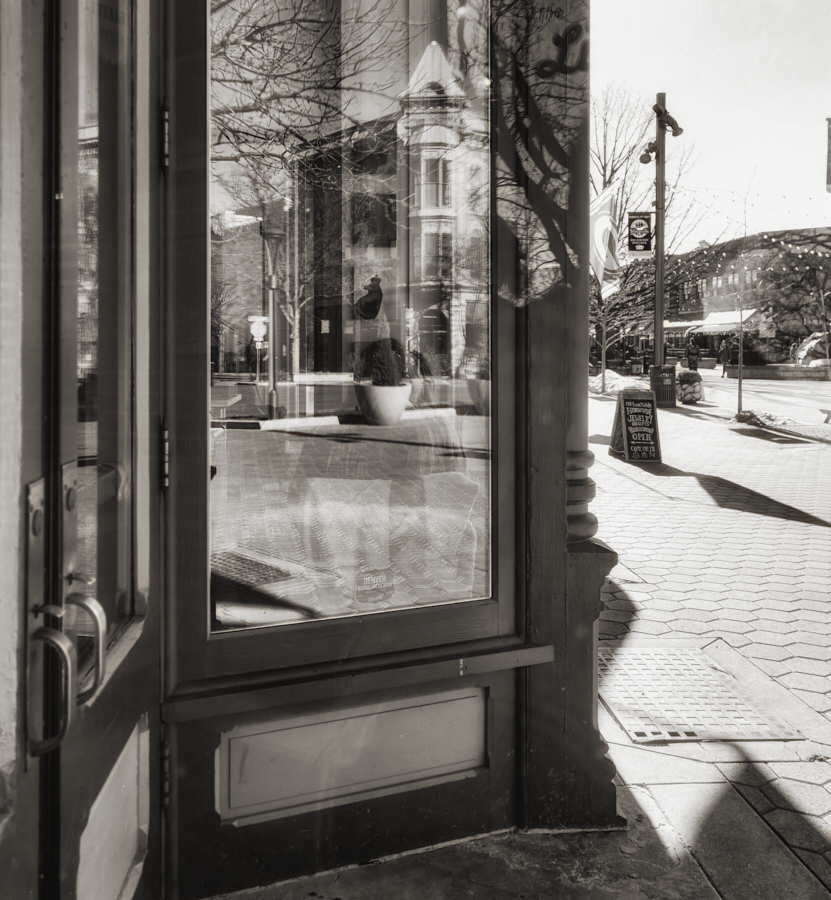
Sony RX100 f/1.8 1/640 8.8mm 80 ISO
Miriam (The Showers of Blessings) a Lens-Artists guest host defines reflection/mirror photography as using “… reflective surfaces to create an artistic echo of a scene. This type of photography can add an interesting spin to locations that are hot spots for photographers such as oceans, lakes, puddles, and even rain drops.”


You must be logged in to post a comment.