
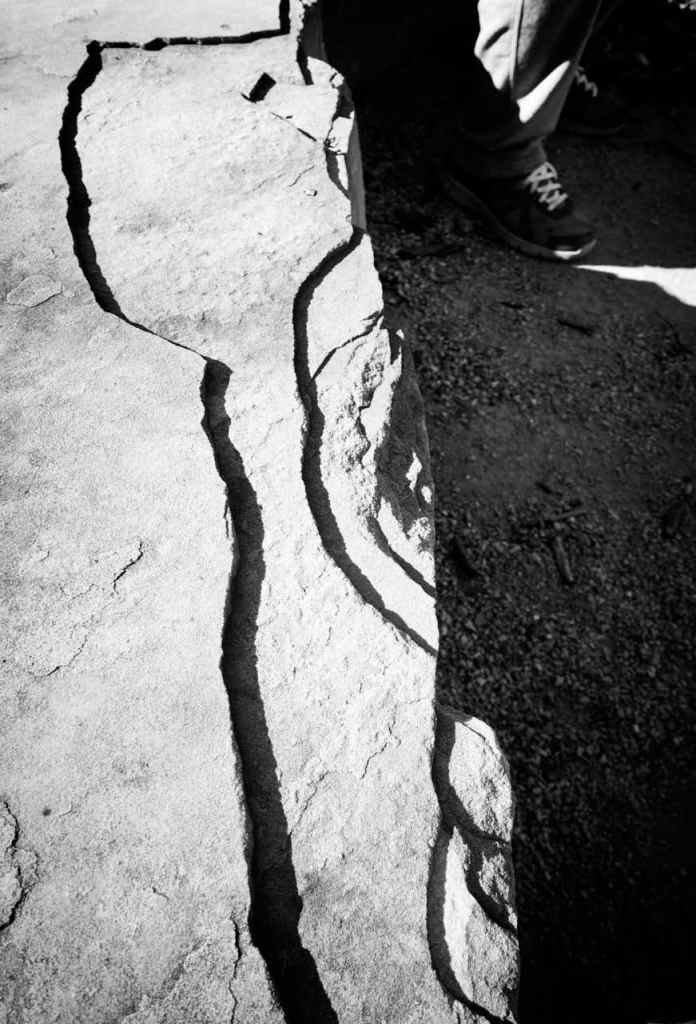
Spring Creek Nikon D750 f/2 1/40s 35mm 100 ISO
The foundation of all mindfulness practice is awareness of the breath. There is no mindfulness without awareness of our in-breath and out-breath. Mindful breathing unites the body and mind and helps us to become aware of what is going on inside us and around us. In our daily life, we often forget that mind and body are connected. Our bodies are here but our minds are not. Sometimes we lose ourselves in a book, a film, the internet or an electronic game, and we’re carried off, far away from our body and the reality of where we are. Then, when we lift our head out of the book or look up from the screen, we may be confronted with feelings of anxiety, guilt, fear, or irritation. We rarely go back to our inner peace, to our inner island of calm and clarity, to be in touch with Mother Earth.
We can get so caught up in our plans, fears, agitations, and dreams that we aren’t living in our bodies anymore and we’re not in touch with our real mother, the Earth, either. We can’t see the miraculous beauty and magnificence that our planet offers to us. We are living more and more in the world of our minds and becoming increasingly alienated from the physical world. Returning to our breathing brings body and mind back together and reminds us of the miracle of the present moment. Our planet is rich here, powerful, generous, and supportive at every moment. Once we recognize these qualities in the Earth, we can take refuge in her in our difficult moments, making it easier for us to embrace our fear and suffering and to transform it.
Awareness of the in-breath and out-breath first of all calms us down. By paying attention to your breathing, without judgment, you bring peace back to your body, and release the pain and tension. …
When our minds and bodies have calmed down, we begin to see more clearly. When we see more clearly, we feel more connected to ourselves and to the Earth and we have more understanding. When there is clarity and understanding, love can bloom because true love is based on understanding.
…Each breath contains nitrogen, oxygen, and water vapor as well as other trace elements, so each breath that we inhale contains the Earth. With each breath, we’re reminded that we are part of this beautiful life-giving planet.
~Thich Nhát Hahn, (Love Letter to the Earth)















 a meditative journey
You must be logged in to post a comment.