
monochrome monday
through the lenses of a Ricoh Caplio GX100 and Sony NEX-5N to the year 2013
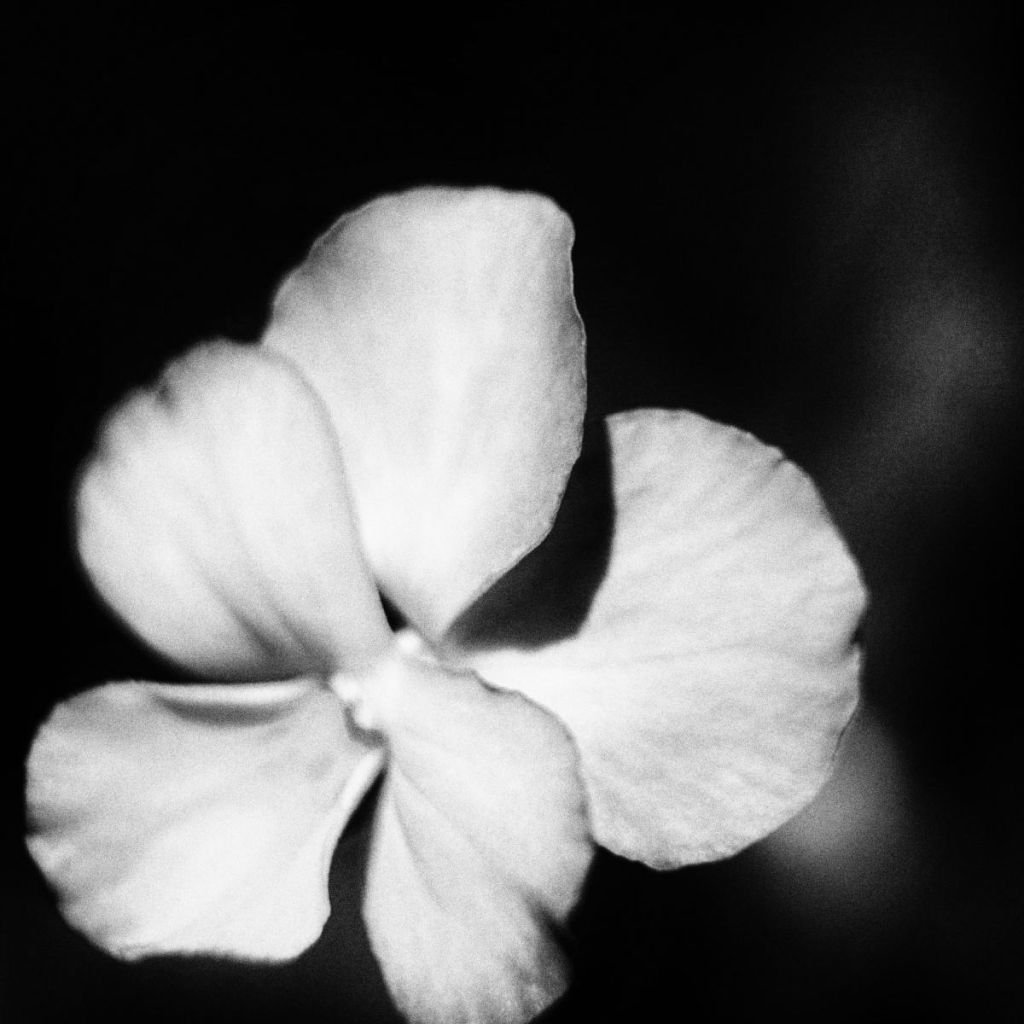
violets on the gate–
even at night
sweet nostalgia ~Issa*


I recently gained access to all the images posted to WordPress beginning in 2011 so this is an exciting way to begin looking back.
Thank you Sofia for this lens-artists invitation: looking back.
*cited: http://www.haikuguy.com

Monochrome still life posted in response to Leanne’s Monochrome Madness invitation

Fujifilm X-T4: f/4 1/80s 80mm 1250ISO
observing

The skill of observing involves using all of the senses, as appropriate, to find out about the characteristics, properties and attributes of objects, places and events. Observations can be made directly with the senses or indirectly through the use of instruments that extend our capacity to observe.
Paula’s Lost in Translation: Pick a Word
Ritva Sillanmäki invites an exploration of “Taking the mundane and shining a different light on it. Highlighting an object or scene that we normally pass by without notice, and making it something special. This process allows us to appreciate the beauty and significance of everyday things that often go overlooked. By giving attention to these ordinary elements, we can find inspiration and joy in the simple moments of life”.
I once read that a photograph of a peanut taken at a distance is just an image of a peanut. A photograph of a peanut that fills the image space is art.



This week Albatz Travel Adventures (Elizabatz) invites photographers to offer examples of diptych, two images placed in proximity to one another, forming a pair. She notes: “to make a successful pairing there should be several things in common, and something very different, contrasting”.


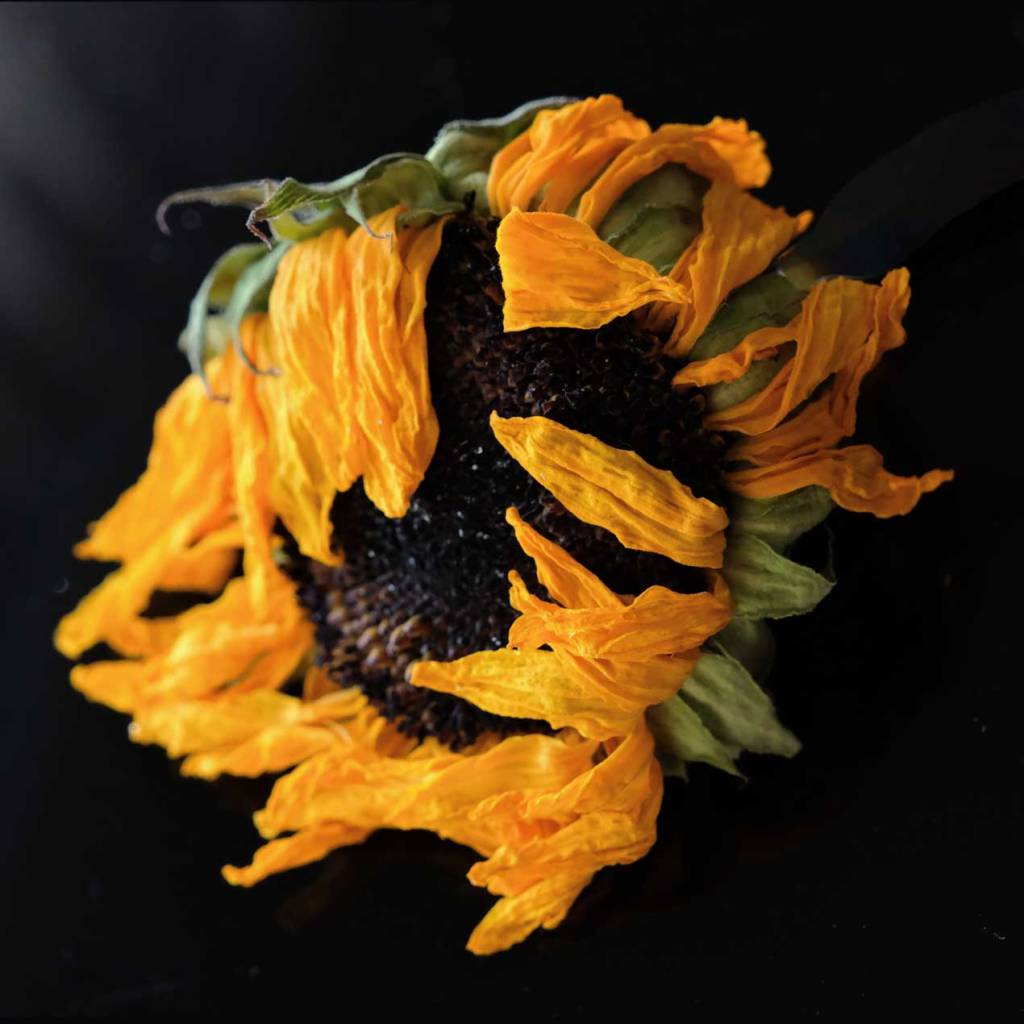


I wish to thank Elizabeth for introducing me to the word diptych. Earlier this week, I also became acquainted with the word, polyglots, “individuals who can speak several languages – usually having a grasp of at least somewhere between 3-5 languages.
are the geese yearning
to depart…
or not? Issa*

*cited: haikuguy.com

 a meditative journey
You must be logged in to post a comment.