Last year’s
fragile, vanished snow
is falling now again–
if only seeing you
could be like this. ~Izumi Shikibu (J Hirshfield & M Aratant, The Ink Dark Moon)

Last year’s
fragile, vanished snow
is falling now again–
if only seeing you
could be like this. ~Izumi Shikibu (J Hirshfield & M Aratant, The Ink Dark Moon)
“For remembrance of her I wanted to write about her,”… but I stopped short with the words, “Ink seems to have frozen up, I cannot write any more.” *
How shall I gather memories of my sister?
The stream of letters is congealed.
No comfort may be found in icicles
~The Sarashina Diary (Diaries of Court Ladies of Old Japan)

*The continuous writing of the cursive Japanese characters is often compared to a meandering river. “Ink seems to have frozen up” means that her eyes are dim with tears, and no more she can write continuously and flowingly.
spring breeze–
the pine on the ridge
whispers it ~Issa (www.haikuguy.com)
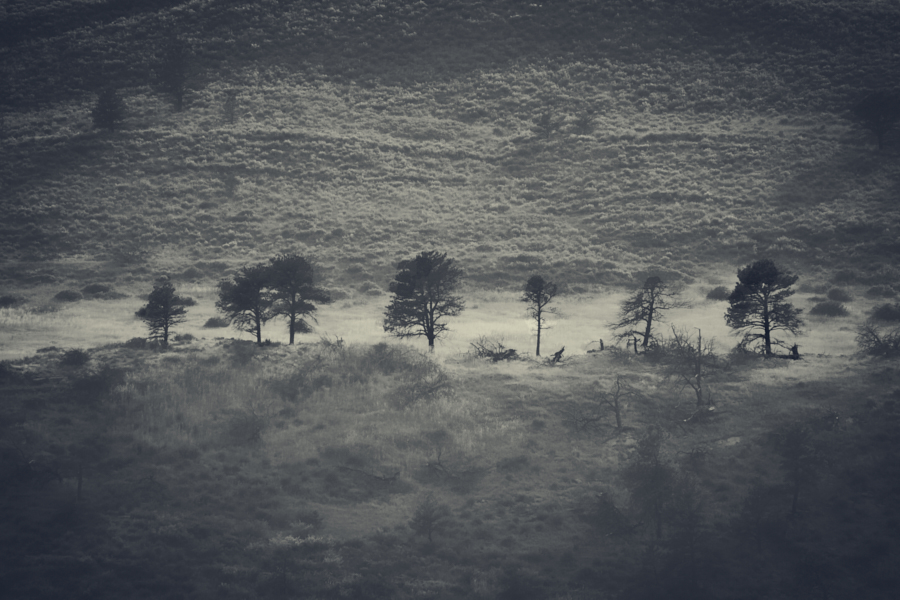
“[Frank Meadow] Sutclifffe rarely left Whitby, where his portrait studio kept him busy, and said that we was ‘tethered for the greater part of each year by a chain, at the most only a mile or two long.’ To most modern photographers this would seem a crippling restriction, but Shutcliffe gradually realized that is was an asset to him as a photographer since it forced him to concentrate on the transitory effects that would transform familiar scenes.” (cited: Frank Meadow Sutcliffe, the Aperture History of Photography Series: Aperture 1979
While I dreamed of traveling during those long-hours filled with work and family responsibilities, I find that Frank Shutcliffe’s creative work serves to move me toward greater acceptance of being “tethered” during this retirement period with the challenge to open myself to the “transitory effects” of nature that transforms the landscape close to home.
Image, haiku, and excerpt from Aperture submitted in response to Patti’s (P. A. Moed) lens-artists photo challenge: nature.
such stillness
the cries of yesterday
sink into reflections

All are lonely,
Yet are you much more than any –
You who still wait?

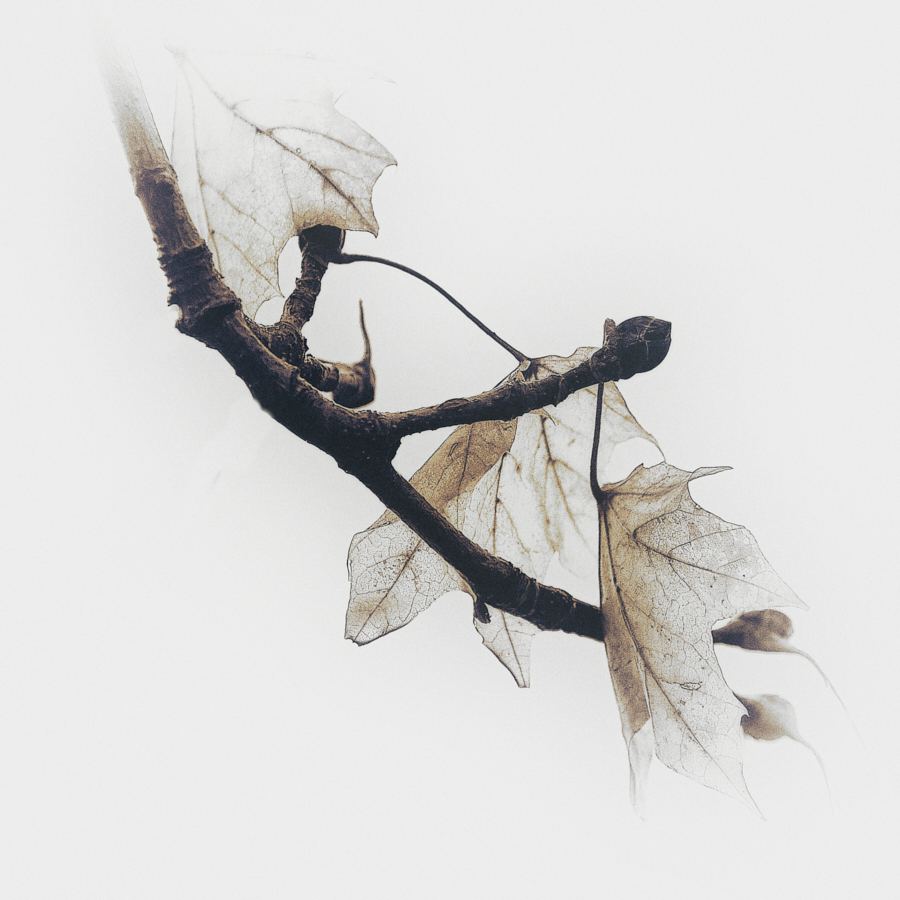


Nikon D750 f/7.1 1/400s 85mm 140 ISO
Over the wintry
forest, winds howl in rage
with no leaves to blow ~Soseki Natsume
Natsume Soseki (夏目 漱石 in Japanese; February 9, 1867 – December 9, 1916) was the pen name of Natsume Kinnosuke (夏目金之助), one of the foremost Japanese novelists of the Meiji Era. Soseki, along with Mori Ogai, is considered one of the two greatest early modern Japanese writers… The alienation of modern humanity, the search for morality and the difficulty of communication were common themes throughout Soseki’s works. From 1984 until 2004, his portrait appeared on the front of the Japanese 1,000-yen note.
Natsume Kinnosuke was born on February 9, 1867, just one year and a half before the start of the Meiji Reformation, in Edo (modern-day Tokyo). His father, Naokatsu, was the hereditary chief of a small town in Edo. When Natsume was born, Naokatsu was fifty years old, his wife Chie was forty-one, and they had five sons and three daughters. Bearing a child late in life, in those days, was regarded as “the shame of woman.” Chie was ashamed to have a child at her advanced age and, as the last baby of many children, Natsume was placed in a foster home at either a second-hand store or a vegetable shop. Kinnosuke’s elder sister found that he was being kept in the shop until late at night (the shop was probably kept open until midnight), confined in a bamboo cage beside the merchandise. Unable to look on in silence any longer, she brought him home.
When Natsume Kinnosuke was one year old, his parents foisted him off again, this time on a former household servant, Shiobara Masanosuke, and his wife. Natsume began his life as an unwanted child. Although he was brought up indulgently until the age of nine, Shiobara Masanosuke and his wife eventually separated and Natsume was returned to his family home. He was welcomed by his mother, but his father regarded him as a nuisance. When he was fourteen, his mother died. The solitude and defiance that he exhibited later in life came not only from his character, but from the surroundings in which he grew up. After his return home, he was required to call his parents “grandparents.” …
cited: http://www.newworldencyclopedia.org/entry/Natsume_Soseki
Olden memories
so brisk
in their fading,
this moment soon to follow —
shadows on the snow ~bckofford


Thank you for joining me as I wandered through the photographs posted on this blog throughout 2018 and shared the contemplations that accompanied them.
May each of your steps throughout the new year be accompanied with love-filled companions and joyous moments.

image submitted in response to RyanPhotography’s mid-week monochrome – mwm – 11 challenge.

 a meditative journey
You must be logged in to post a comment.