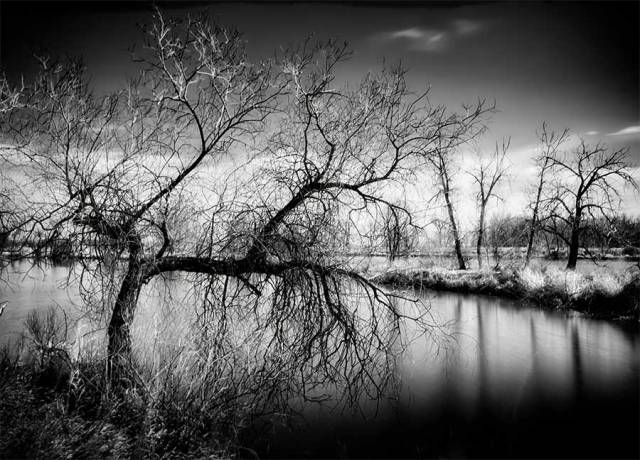
winter sleep Nikon D750 f/13 13.1s 28mm 100 ISO
winter sleep Nikon D750 f/13 13.1s 28mm 100 ISO
On a mountain slope,
Solitary, uncompanioned,
Stands a cherry tree.
Except for you, lonely friend,
To others I am unknown
~Abbot Gyoson
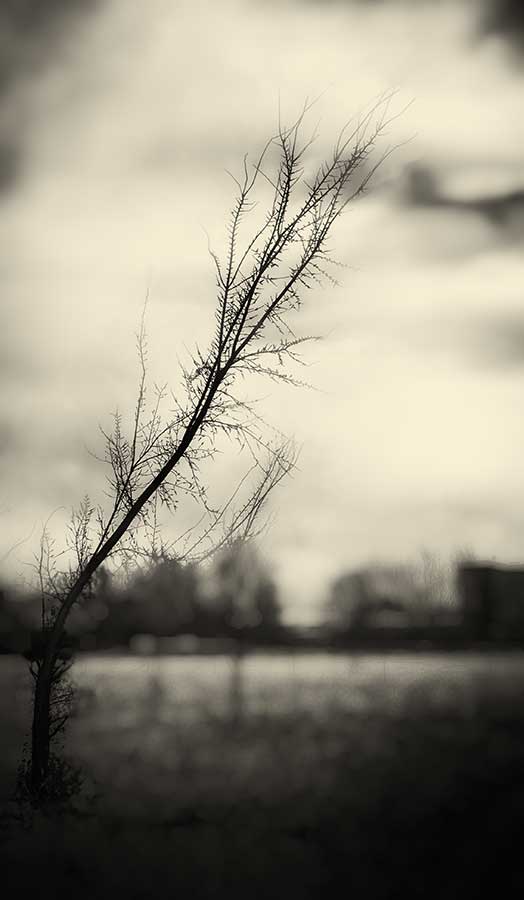
I’ll forget the trail
I marked out on Mount Yoshino
last year,
go searching for blossoms
in directions I’ve never been before
~Saigyō (B Watson, Poems of a Mountain Home)

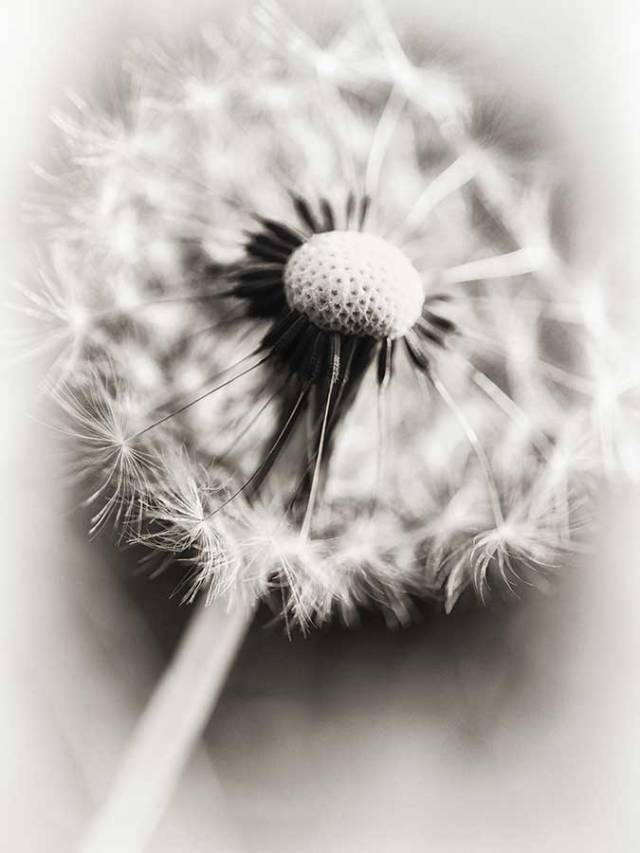
Nikon D750 f/3.3 1/1.250 40 mm 100 ISO

241 seconds into one moment.…Nikon D750 f/8 241s 24mm 100 ISO

For a table to exist, we need wood, a carpenter, time, skillfulness, and many other causes. And each of these causes needs other causes to exist. The wood needs the forest, the sunshine, the rain, and so on. The carpenter needs his parents, breakfast, fresh air, and so on. And each of these things, in turn, has to be brought about by other conditions. If we look in this way, we’ll see that nothing has been left out. Everything in the cosmos has come together to bring us this table. Looking deeply at the sunshine, the leaves on the tree, and the clouds, we can see the table. The one can be seen in the all, and the all can be seen in the one.
Thich Nhat Hanh, The Heart of the Buddha’s Teaching
It is by its breath
That autumn’s leaves of trees and grass
Are wasted and driven.
So they call this mountain wind
The wild one, the destroyer.
~Fun’ya no Yasuhide

Nikon D750 f/4.5 1/40s 24mm 100 ISO
Should I leave this burning house
of ceaseless thoughts
and taste the pure rain’s
single truth
falling upon my skin?
Izumi Shikibu (J Hirshfield & M Aratani, The Ink Dark Moon)
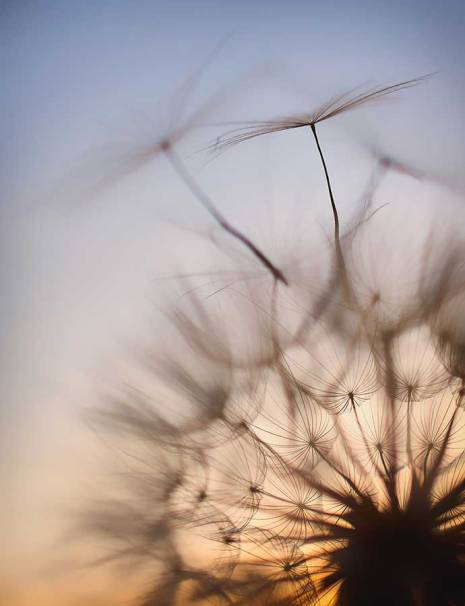
rhythm… Nikon D750 f3/2 1/320 40mm 100 ISO
On a troubled current
we grow old in this world–
today’s rain-filled stream
will only increase
with tears.
~Izumi Shikibu (J Hirshfield & M Aratani, The Ink Dark Moon)

rule of thirds…rhythm…symmetry Sony NEX-5N f/8 1/200s 96mm
Rhythm, a vital element within music, dance, and poetry, is also important in photography. Ted Forbes writes that visual pulses are within all visual compositions.

Repetition is easy to find…all around us are shapes that are pretty basic and similar to each other. We will see them repeating at regular intervals within nature, design, works of art, architecture, and photography.

Standard rhythm involves the same or similar elements repeating at regular intervals — think of equally spaced light posts extending from left to right across the frame, the slats of a crib, or a series of windows on the side of a city apartment building. These patterns can be thought of as a subset of rhythm in that patterns always have rhythm, but rhythm doesn’t always have patterns.

Rhythm affects the quality of our viewing experience and helps draw and keep the observer’s eye within the frame. Visual rhythm is often most powerfully used as a vehicle for or backdrop to your central story or primary subject.

After a week of studying rhythm, I’m finding a need to stay with this topic as the extension of rhythm within sound and physical sensations to a visual format is like…hmm…sitting in an introduction to physics class. Well, maybe not exactly like a physics class…maybe more like an introduction to “imaginary numbers.”

In the meanwhile, I’ve concluded this week’s photo study blog with a Ted Forbes’ video rhythm in visual composition. I would enjoy hearing your thoughts and understanding about rhythm as well as seeing some of your creative use of repeating patterns.
Within xdrive photography’s bokeh lesson, Raj notes that the unique blur within photographs known as bokeh is a composition tool that allows a photographer to guide a viewer’s eye as well as to keep distracting elements hidden.
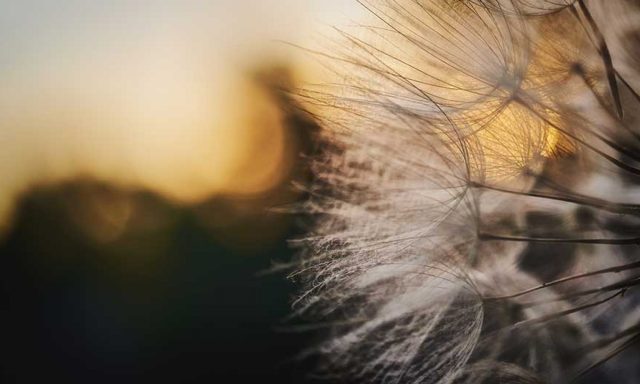
Nikon D750 f/3.2 1/320s 40mm ISO100
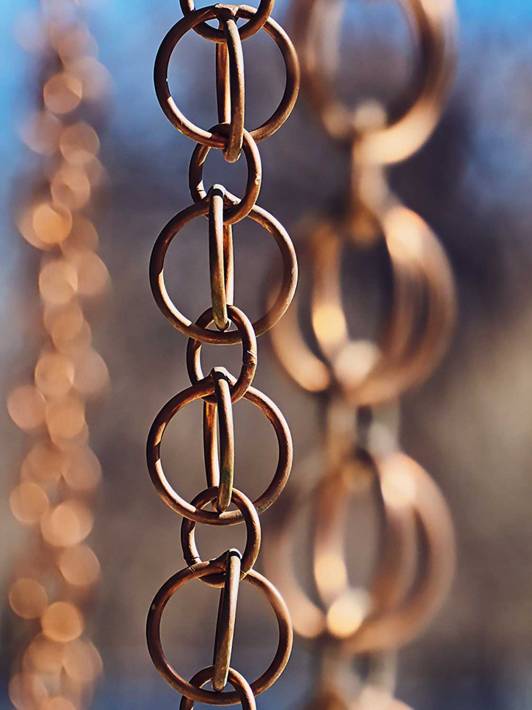
Nikon D750 f/5.6 1/320s 230mm ISO 100

Nikon D750 f/5.6 1/200 210mm ISO 100
Over to you Raj. Thank you for this informative lesson and your amazing images.

Sony NEX-5N f/6.3 1/400 186m
 a meditative journey
You must be logged in to post a comment.