the rivers have
an ancient darkness…
cuckoo
~Issa (www.haikuguy.com)
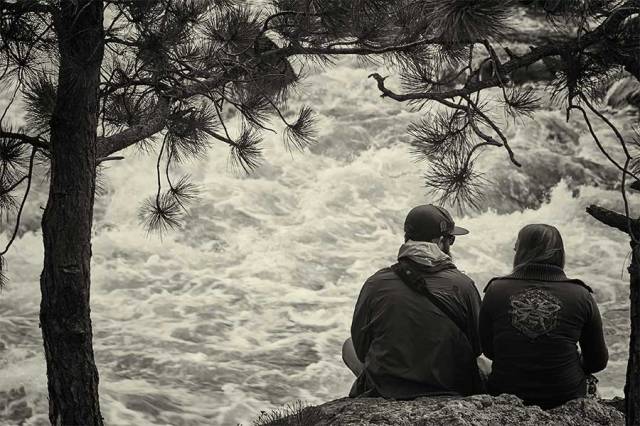
the rivers have
an ancient darkness…
cuckoo
~Issa (www.haikuguy.com)
Old Fall River Road, a motor nature trail, is an auto route in Colorado’s Rocky Mountain National Forest that travels through the park’s wilderness to Fall River Pass, 11,796 feet above sea level. This road follows a course traveled long ago by Indian hunters in search of game and passes the site of a labor camp which housed state convicts who built a three-mile section of the 11 mile-long road with nothing more than hand tools.
The graveled one-way road which rarely exceeds 14 feet in width was largely built out from the hillside. In the steepest places, multiple switchbacks are stacked one above the other. What periodically blinded me to the absolute beauty of montane and subalpine forests, wild flowers, water falls, and alpine landscape along this narrow and curved road was the absence of any guard rails between me and the road-snuggling, never-ending, deep valleys.

the top of the world
At one point I found myself pulled back into memories of those Sunday drives through Rabbit Ears Pass where my parents, both deaf, would chat away with each other–eyes off the road–about the beauty around them…in sign language. Fear began to subside as we moved above the timber line to the Alpine Visitors Center. This Center, the highest facility of its kind in the National Park Services, offers a deep satisfaction and gratitude to the national park community for offering a road trip to the birthplace of glaciers that once worked they way up and down the mountain valleys and the Never Summer Wilderness where the temperature was 60 degrees…30 degrees less than the summer we escaped from earlier that day.
“…thoughts of the past, fantasies about the future, judgements and evaluations concerning…work itself–what are these but shadows and ghosts flickering about in our minds, preventing us from entering fully into life itself.”
~Philip Kapleau (Thich Nhat Hanh, Zen Keys, Introduction)

The twilight bell
I waited for
is sounding —
if tomorrow is granted me,
I’ll listen for it again.
~Saigyo (B Watson: Poems of a Mountain Home)

Won’t you sing?
I will get up and dance.
How can I sleep
with the timeless
moon this evening?
~Ryokan (K Tanahashi: Sky Above, Great Wind)
In the mountain shade,
water in the moss
drips between rocks.
I feel a glimmer of clarity.
~Ryokan (K Tanahashi: Sky Above, Great Wind)

See and realize
that this world
is not permanent.
Neither late nor early flowers
will remain.
~Ryokan (K Tanahashi: Sky Above, Great Wind)

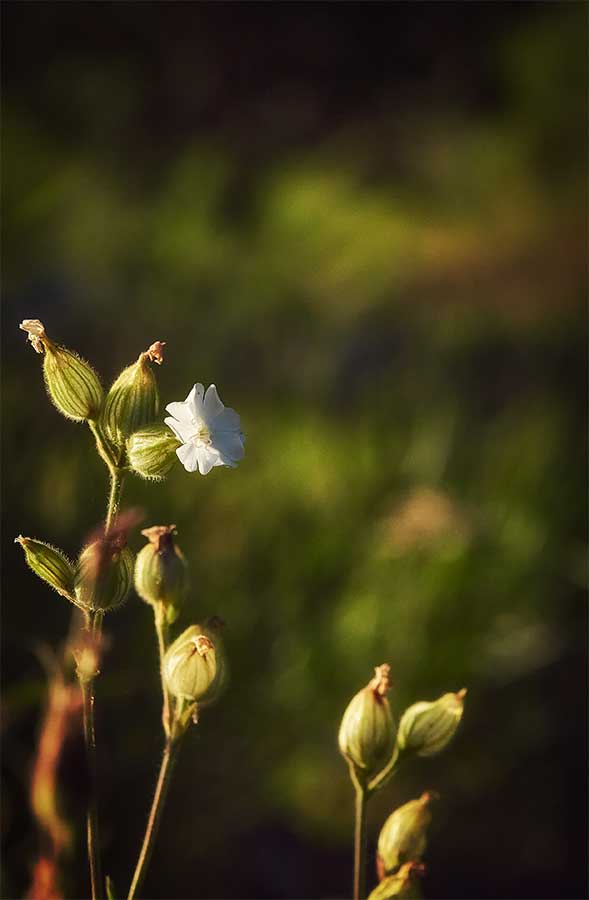
An early summer morning in Poudre Canyon…submitted in response to Lost in Translation’s photo challenge
humidity–
from beneath a stone
wildflowers
~Issa (cited: http://www.haikuguy.com)

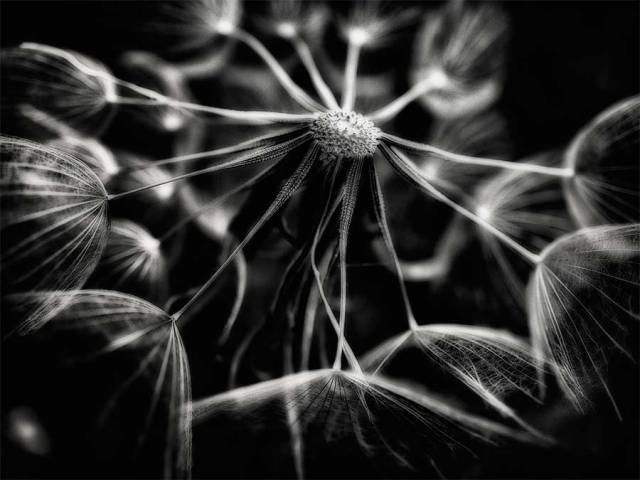
…an image submitted in response to Lost In Translation’s photo challenge
“My mother was remarkably slight, under five feet I should say, and I do not think that she was unusual for her time. I can put the matter strongly: women in those days had almost no flesh. I remember my mother’s face and hands, I can clearly remember her feet, but I can remember nothing about her body. She reminds me of the statue of Kannon in the Chuguji, whose body must be typical of most Japanese women of the past. The chest as flat as a board, breasts paper-thin, back, hips, and buttocks forming an undeviating straight line, the whole body so lean and gaunt as to seem out of proportion with the face, hands, and feet, so lacking in substance as to give the impression not of flesh but of a stick–must not the traditional Japanese woman have had just a physique? A few are still about–the aged lady in an old-fashioned household, some few geisha. They remind me of stick dolls, for in fact they are nothing more than poles upon which to hang clothes. As with the dolls their substance is made up of layer of clothing, bereft of which only an ungainly pole remains. But in the past this was sufficient. For a woman who lived in the dark it was enough if she had a faint, while face–a full body was unnecessary. …we…create a kind of beauty of the shadows we made in out-of-the-way places…we find beauty not in the thing itself but in the patterns of shadows, the light and the darkness, that one thing against another creates.”
~Jun’ichiro Tanizaki, (In Praise of Shadows, pp.29-30)

this summer breeze
a gentle guide for the one
coming to visit
 a meditative journey
You must be logged in to post a comment.