Won’t you sing?
I will get up and dance.
How can I sleep
with the timeless
moon this evening?
~Ryokan (K Tanahashi: Sky Above, Great Wind)
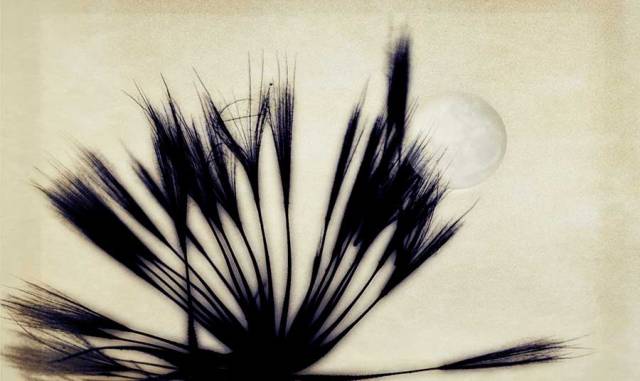
Won’t you sing?
I will get up and dance.
How can I sleep
with the timeless
moon this evening?
~Ryokan (K Tanahashi: Sky Above, Great Wind)
In the mountain shade,
water in the moss
drips between rocks.
I feel a glimmer of clarity.
~Ryokan (K Tanahashi: Sky Above, Great Wind)

See and realize
that this world
is not permanent.
Neither late nor early flowers
will remain.
~Ryokan (K Tanahashi: Sky Above, Great Wind)

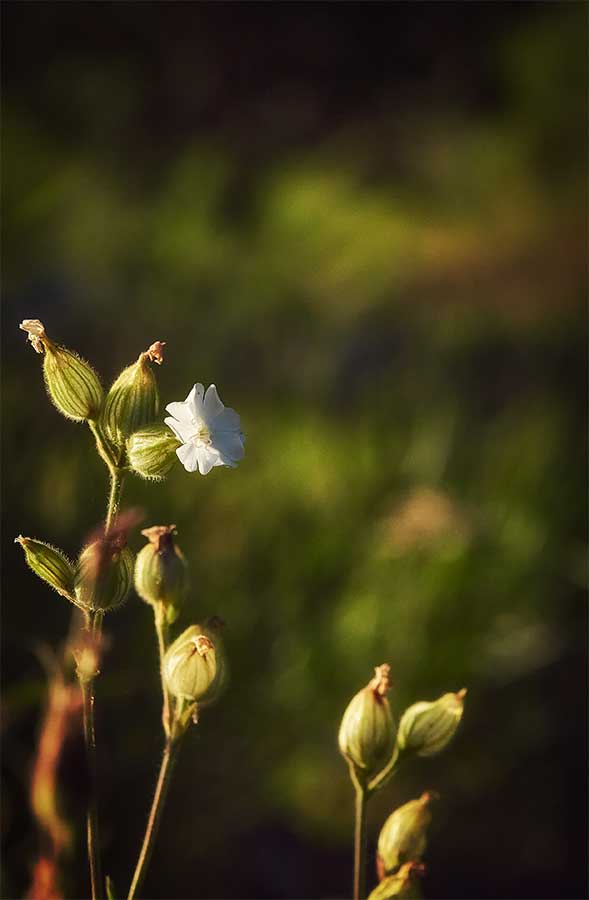
An early summer morning in Poudre Canyon…submitted in response to Lost in Translation’s photo challenge
humidity–
from beneath a stone
wildflowers
~Issa (cited: http://www.haikuguy.com)

…an image submitted in response to Lost In Translation’s photo challenge
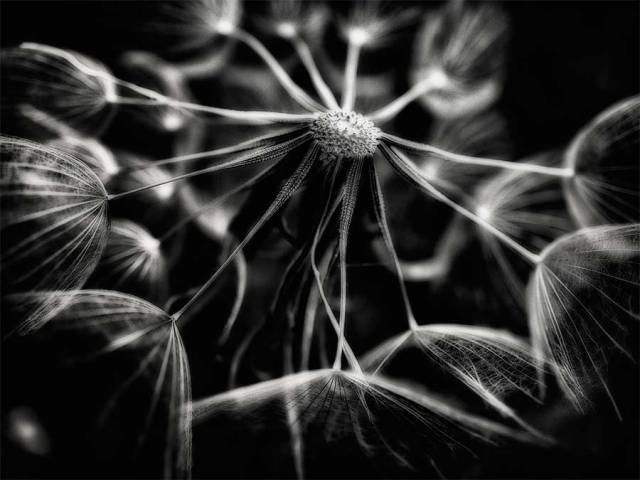
“My mother was remarkably slight, under five feet I should say, and I do not think that she was unusual for her time. I can put the matter strongly: women in those days had almost no flesh. I remember my mother’s face and hands, I can clearly remember her feet, but I can remember nothing about her body. She reminds me of the statue of Kannon in the Chuguji, whose body must be typical of most Japanese women of the past. The chest as flat as a board, breasts paper-thin, back, hips, and buttocks forming an undeviating straight line, the whole body so lean and gaunt as to seem out of proportion with the face, hands, and feet, so lacking in substance as to give the impression not of flesh but of a stick–must not the traditional Japanese woman have had just a physique? A few are still about–the aged lady in an old-fashioned household, some few geisha. They remind me of stick dolls, for in fact they are nothing more than poles upon which to hang clothes. As with the dolls their substance is made up of layer of clothing, bereft of which only an ungainly pole remains. But in the past this was sufficient. For a woman who lived in the dark it was enough if she had a faint, while face–a full body was unnecessary. …we…create a kind of beauty of the shadows we made in out-of-the-way places…we find beauty not in the thing itself but in the patterns of shadows, the light and the darkness, that one thing against another creates.”
~Jun’ichiro Tanizaki, (In Praise of Shadows, pp.29-30)

this summer breeze
a gentle guide for the one
coming to visit
The past, present, and future…in a moment of time. In your mind’s eye, do you see the generations of past dandelions—sleeping soundly within each protective seed shell? Each kernel attached to a fragile parachute, waiting for a gentle summer breeze, trusting in an unknown tomorrow’s life-giving rain, sun, and soil for its awakening.
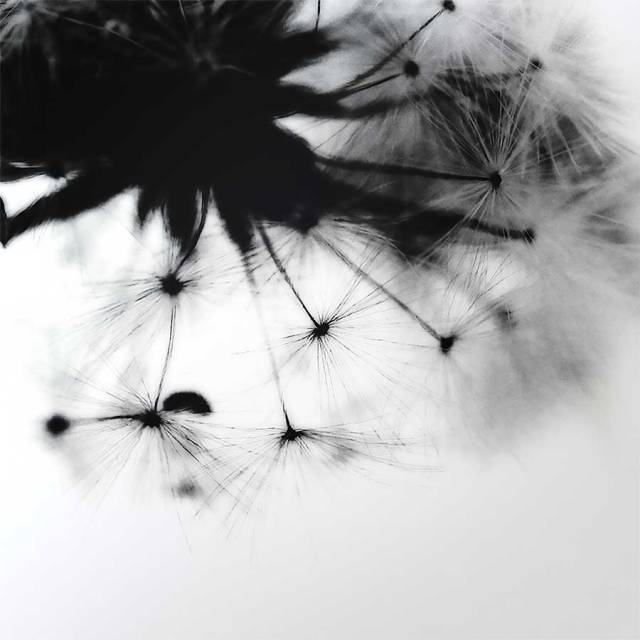
Delta sharing a picture that symbolizes transitions, change, and the passing of time.
Spring departs —
the clear moon oblivious
of passing time
~Soseki (S Carter, Haiku before Haiku)

from the tip
of the forest ranger’s broom. . .
spring departs
~Issa (www.haikuguy.com)
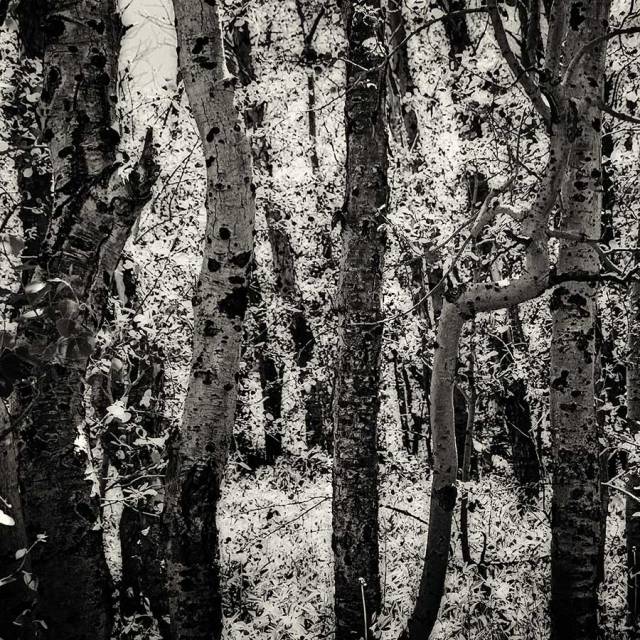
Trees…Medicine Bow National Forest
Medicine Bow National Forest extends from north central Colorado to central Wyoming in the United States. The origin of it’s name, Medicine Bow, is legendary. The generally accepted version is that the Native American tribes which inhabited southeastern Wyoming found mountain mahogany in one of the mountain valleys from which bows of exceptional quality were made. It became the custom of friendly tribes to assemble there annually and construct their weapons. At these assemblies, there were ceremonial powwows for the cure of disease which, in the hybrid speech that developed between the Indians and the early settlers, was known as making medicine. Eventually, the settlers associated the terms “making-medicine” and “making bow”, and Medicine Bow resulted as the name for the locality.
Hop on over to Lost in Translation to participate.
regrets as I may,
even the bell
has a different sound now,
and soon frost will fall
in place of morning dew
~Saigyo (B. Watson, Poems of a Mountain Home)

Vision: Unable to see things clearly unless they are relatively close to the eyes, owing to the focusing of rays of light by the eye at a point in front of the retina; myopic

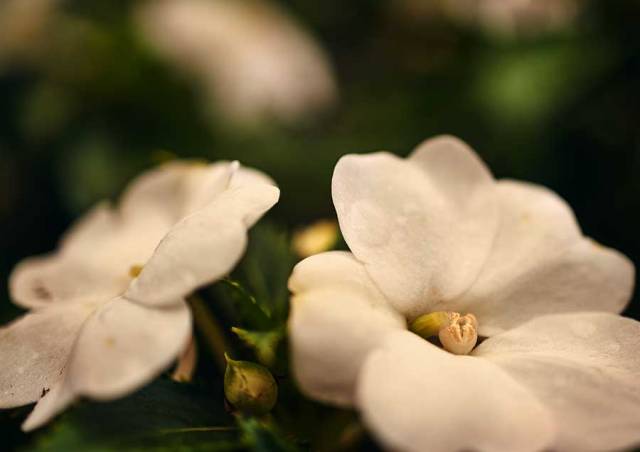

The Six Blind Men & the Elephant, a famous Hindu fable that tells the story of six blind sojourners that come across different parts of an elephant. In turn, each blind man creates his own version of reality from that limited experience and perspective. The video below is a illustrated version sharing an aged truth about our human condition and the relation between relative and absolute truth.
Jump on over to Lost in Translation to join this week’s Thursday’s Special.


You must be logged in to post a comment.