I was a child, Nostalgia seemed a small stamp: I was here… My mother was there.
When I grew up Nostalgia became a ticket: I was here… My bride was there.
Years later, Nostalgia was a little tomb: I was outside… My mother was inside.
And now, My nostalgia is a shallow strait: I am at here… The mainland is there.
~ Yu Guang Zhong
Orchid… Sony RX100-3 f/2.8 1/640 25.7 800 ISO
“The Chinese expression for “nostalgia” is xiangchou, literally “village sadness.” …xiangchou describes the grief that accompanies the traveler who cannot find a way back to the home village…[it] is not a geographical predicament but a spiritual state of being. First he finds himself outside the mother as a tiny emblem of apartness, then he is the man who contemplates her tomb. The shallow waters of the Taiwan straits are, similarly, not only a spatial divide between the island and the mainland but a reminder of the longing for, and the impossibility of going back to, ancestral roots.” *
I was a child, Nostalgia seemed a small stamp: I was here… My mother was there.
When I grew up Nostalgia became a ticket: I was here… My bride was there.
Years later, Nostalgia was a little tomb: I was outside… My mother was inside.
And now, My nostalgia is a shallow strait: I am at here… The mainland is there.
~ Yu Guang Zhong
“The Chinese expression for “nostalgia” is xiangchou, literally “village sadness.” …xiangchou describes the grief that accompanies the traveler who cannot find a way back to the home village…[it] is not a geographical predicament but a spiritual state of being. First he finds himself outside the mother as a tiny emblem of apartness, then he is the man who contemplates her tomb. The shallow waters of the Taiwan straits are, similarly, not only a spatial divide between the island and the mainland but a reminder of the longing for, and the impossibility of going back to, ancestral roots.” *
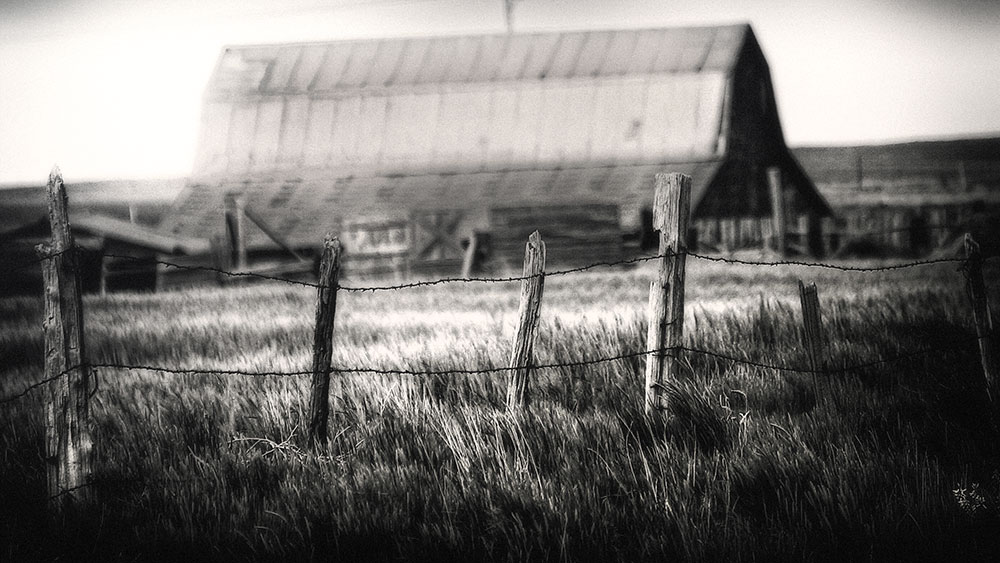
Nostalgia To glimpse old abandoned barns that dot county roads often awaken memories of a childhood filled with the freedom to roam from dawn to dusk without a morsel of worry.


 a meditative journey
You must be logged in to post a comment.