
iPhone 7 f/1.8 1/100s 3.99m 40 ISO
dark figure on light ground
iPhone 7 f/1.8 1/100s 3.99m 40 ISO
dark figure on light ground

Nikon D750 f/4.5 1/3200s 85mm 800 ISO
I often find myself whining during this time of the year as winter’s dormant colors…its various hues of yellows and browns…stir up a visual yearning for the greens of spring.
This impatience with Mother Earth’s slumber…this “gaikan“…this outward judgmental direction upon the external world that feeds a delusional belief, “life would be better only if you change…” has been silenced with an acceptance that it is not Mother Earth’s nature to bend to my will and an intention to open myself to the various elements of photo composition she offers to my wandering eye.
My eyes first were attracted to the repeating patterns of the building and then to the repeating patterns of the yellow strips within the curve of the trail. Then a gift…a runner whose figure completed the image. Her greeting and smile were icing on the cake.
To join in the fun of learning and applying various elements of photography hop on over to Travel’s Words and “Shoot from a different perspective. Look up, look down or shoot from a distance.”

iPhone 7 f/1.8 1/4s 3.99m 500 ISO
light figure on dark ground

iPhone 7 f/1.8 1/9s 3.99m 50 ISO
dark figure on light ground

iPhone 7 f/1.8 1/5s 3.99m 50 ISO
light figure on dark ground

iPhone 7 f/1.8 1/5s 3.99m 50 ISO
light figure on dark ground
repeating patterns

iPhone 7 f/1.8 3.99m 50 ISO
dark figure on light ground
leading lines
repeating patterns
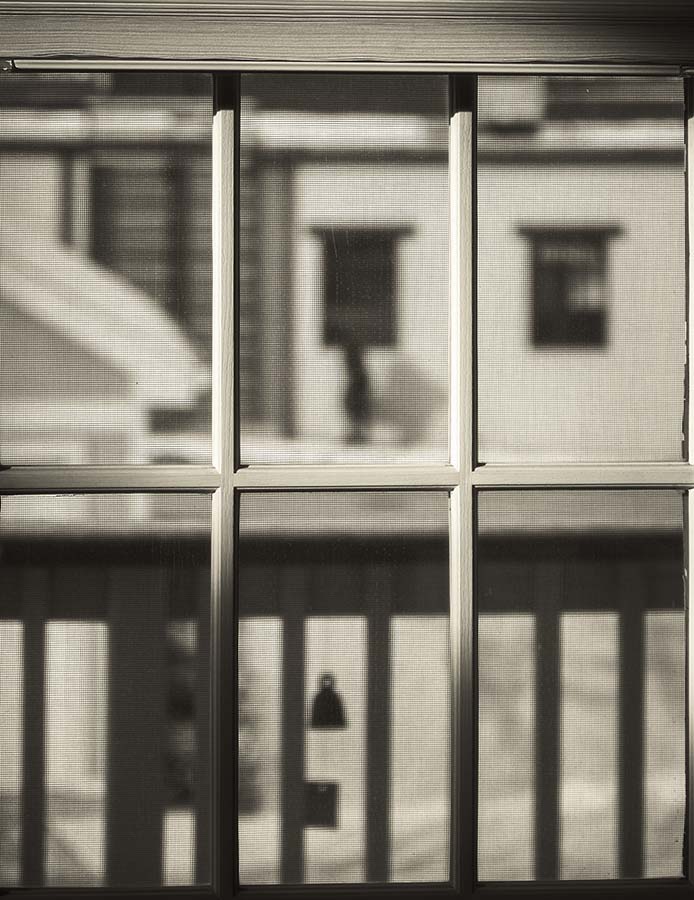
Nikon D750 f/4.5 1/3,200s 85mm 800 ISO
dark figure on light ground
frame within a frame
repeating patterns
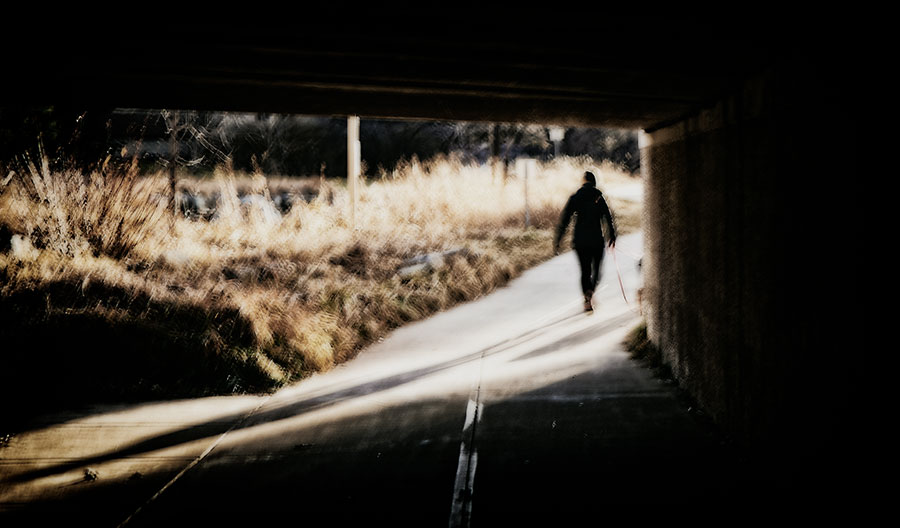
This week’s lens artists photo challenge is offered by Tina at Travels and Trifles: leading lines

dark figure on a light ground… iPhone f/1.8 1/49s 3.99mm
Week 26 Composition: Geometry (We live in a world surrounded by geometry. Use Geometry in your photo this week.)

Image submitted in response to Dogwood Photography’s annual 52-week photography challenge.

Nikon D750 f/8 1/8s 300m 100 ISO
“He sought out a background with formal qualities interesting in themselves. Often it was a wall parallel to the place of the image, or a space lending perspective with defined graphic lines. Then he waited for figures to come and find their place in this arrangement of forms, in what he himself called ‘simultaneous coalition.’ His approach to composition was like a little theater with a set and actors. One part of what formed the geometric quality of his images was perfectly controlled: the other–and probably the most important-was the result of chance.” (cited: Aperture Masters of Photography Henri Cartier-Bresson)
This week I would like to introduce you to Ian MacDonald, an Official Fujifilm X Photographer and educator living in Vancouver, British Columbia, Canada. In his first of a series of street composition blogs, he reviews:
What really matters in a photograph
Nikon D750 f/2 1/5s 35m 160 ISO
Setting the stage

Nikon D750 f/8 1/8 135m 100 ISO
Street portraits

Nikon D750 f/5.6 1/160 300m I00 ISO
Detail Shots
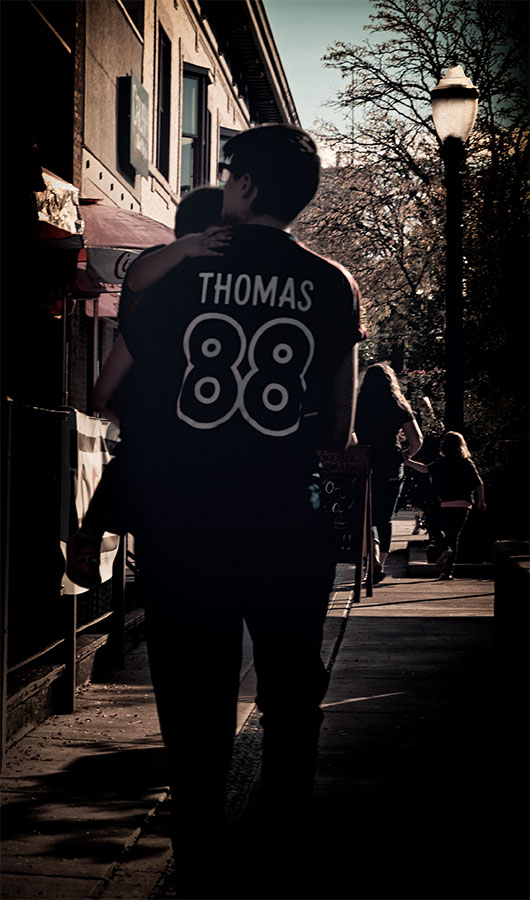
Nikon D750 f/8 1/100 68m 100 ISO
I hope you, also, find this to be interesting and informative. As always, I would love to read your thoughts and see your images. Let’s tag with #aphotostudy. Until next week…
 a meditative journey
You must be logged in to post a comment.