lens-artists … sound

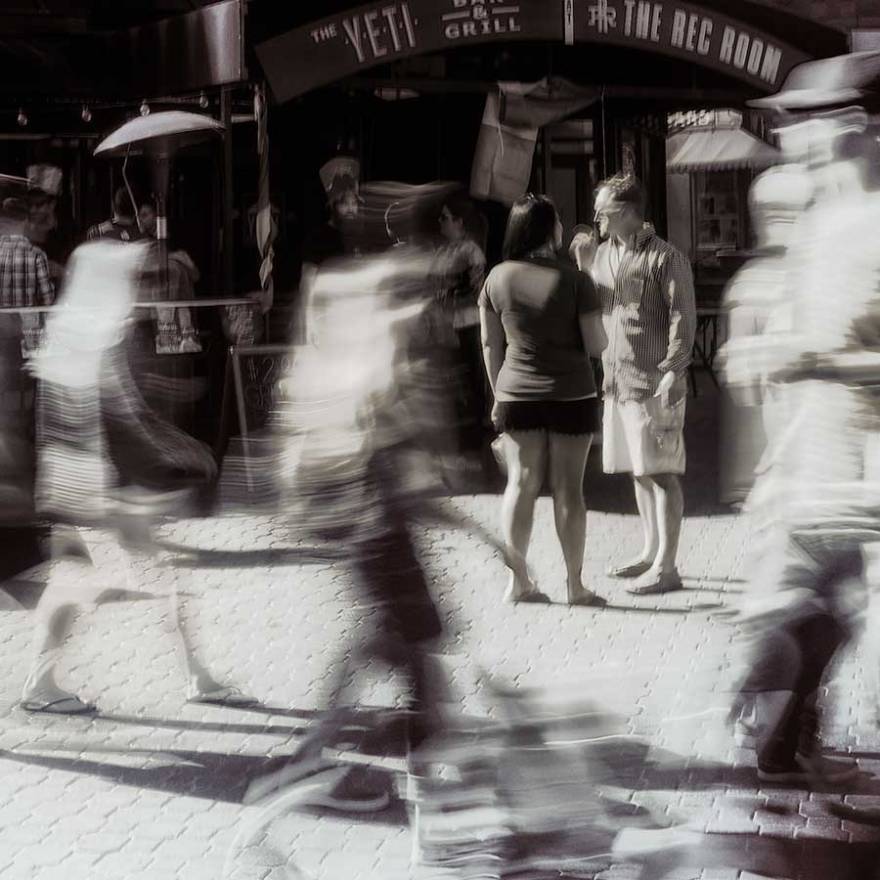
Creating sound within the frozen moments of a photograph – introduced by Ted Forbes in his discussions of rhythm and tempo.

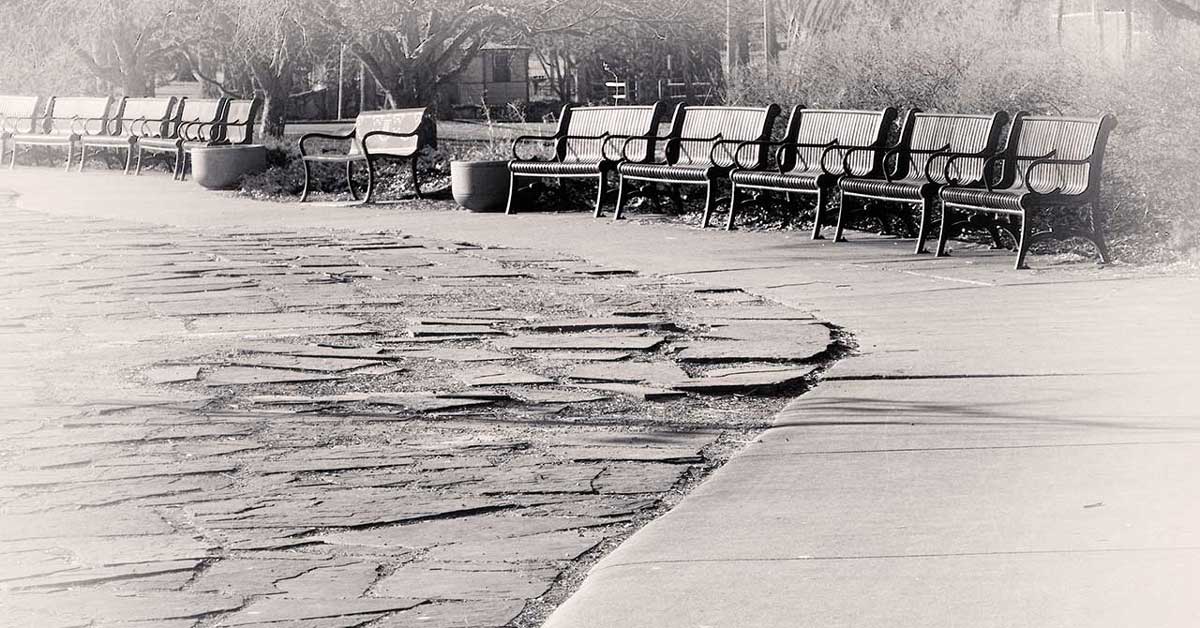
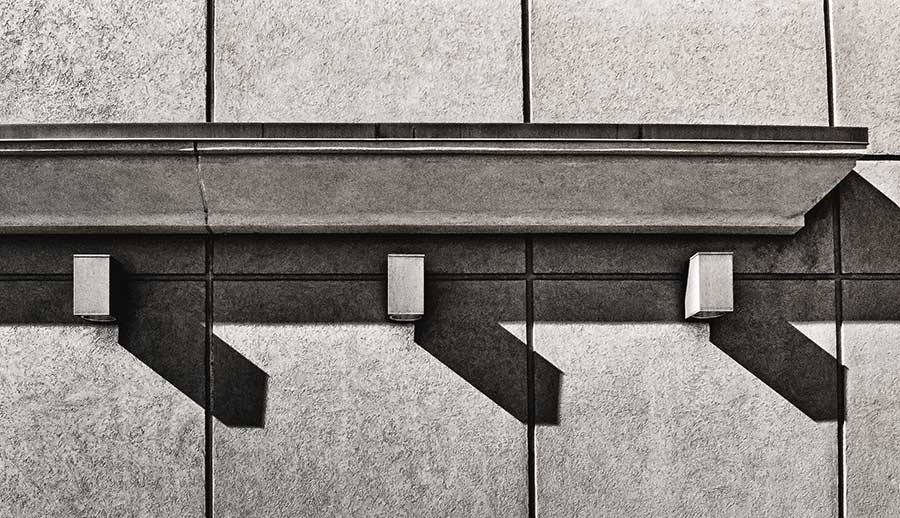
Rhythm I – all around us are shapes that are pretty basic and similar to each other. We will see them repeating at regular intervals within nature, design, works of art, architecture, and photography

Rhythm II – the primary characteristic of rhythm is predictability and order.

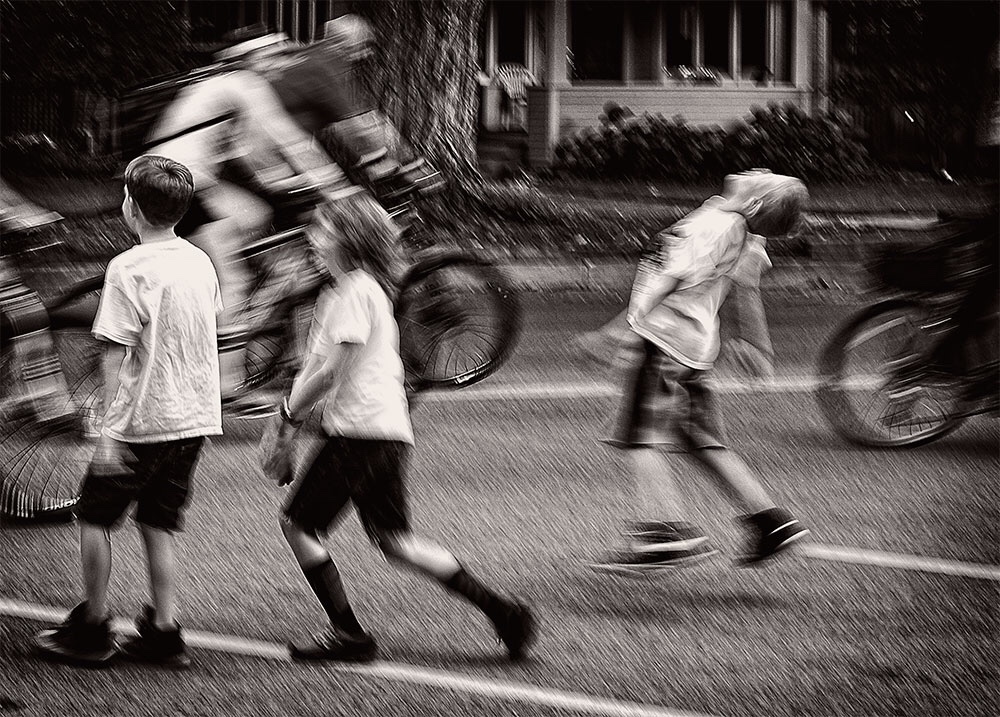
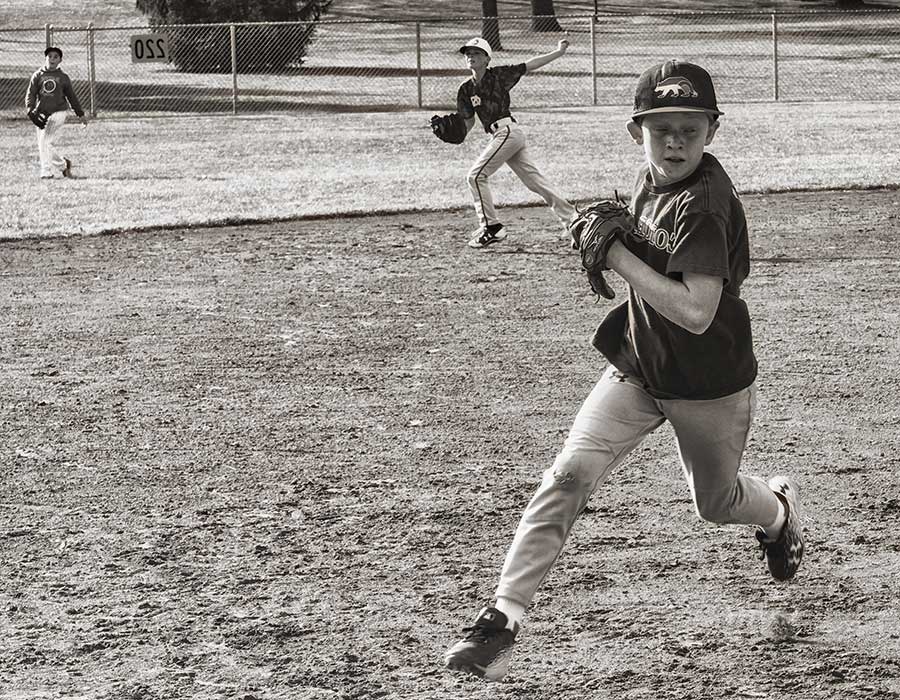
Tempo – the means by which we display speed, movement, as well as the passing of time all within a frozen moment.

Have you heard the silence within a snow storm?

Sending gratitude to Wind Kisses for this week’s Lens-artists challenge: sound

lens-artist: perfect patterns

Patterns give us order in an otherwise chaotic world. 

I find myself pondering the concept of perfect…are patterns designed by human design seen as more perfect than the ones that ebb and flow through the dynamics of mother nature?

Is there a pattern within an image that at first glance seems chaotic?

Does rhythm which involves the same or similar elements repeating at regular intervals create an image that soothes the eye and thus a seemingly “perfect pattern?”  

Join this week’s lens-artists challenge: perfect patterns at Leya to see the world in a grain of sand

2018 photography review, march

March is that time of year when the promise of spring begins to be seen in the subtle transitions of yellowish-brown to green, tree buds, bicyclist, and clothing. With the sounds of rivulets created by melted ice and snow, my soul also begins to thaw.

The photo study project for this month included:

rhythm & tone

rule of space

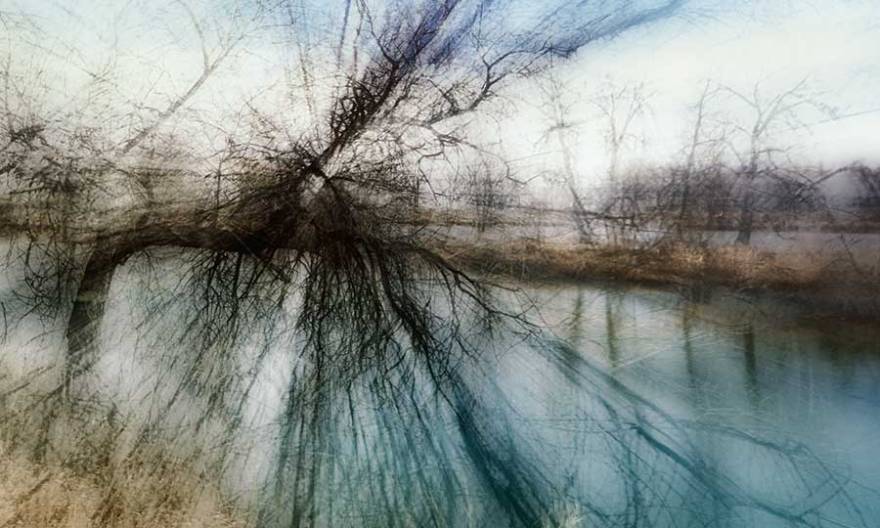
abstract photography

While I understand that tone and rhythm are found with repeating patterns, I still struggle with the transition of these elements from music to photography. Oh well….maybe one day there will a moment of enlightenment in the early morning hours or during a morning shower.

When you look back to March, did you find a theme or a project that guided your photography?

a photo study: contemplative photography XI – patterns of light

contemplative photography 8

This year-long project seems to be drawing upon composition elements that were covered at the beginning of this study.  Recently, I revisited the post which explored the elements of simplicity as part of this series on contemplative photography.

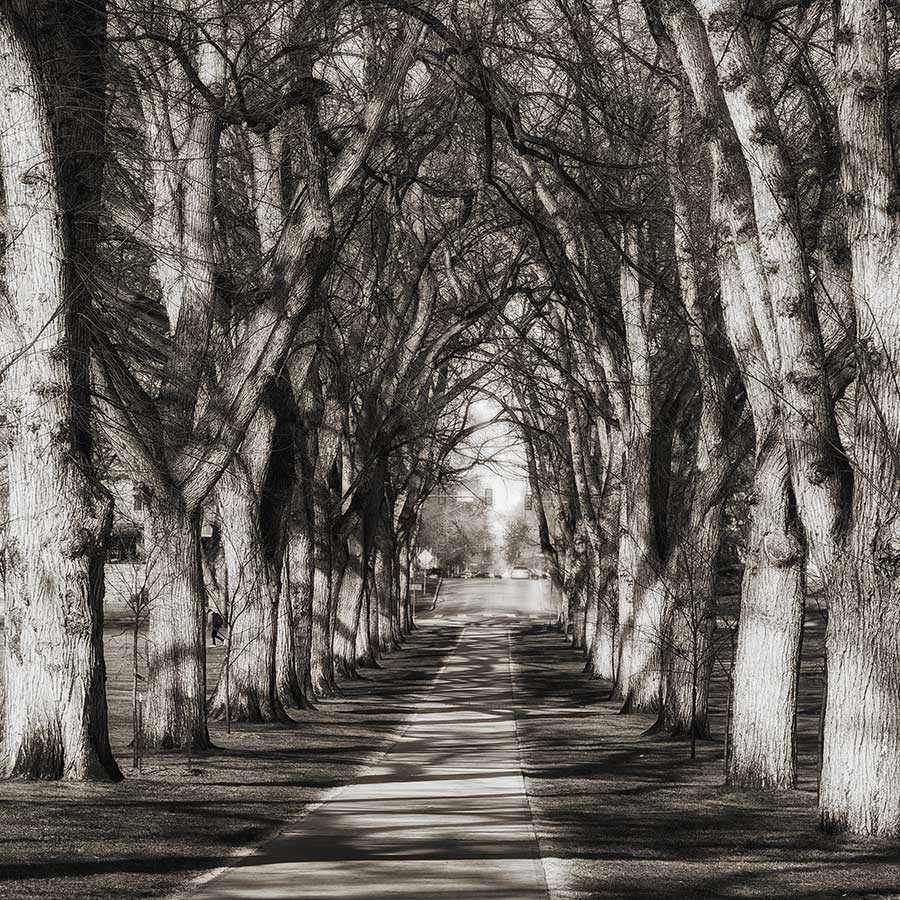
Today, I find myself going back and re-reading the two separate post about rhythm.  Rhythm involves the same or similar elements repeating at regular intervals.  Repetition is easy to find…all around us are shape that are pretty basic and similar to each other.  We see them repeating at regular intervals within nature, design, works of art, architecture, and photography.

 The origin of repetition is from the French repeticion or Latin repetitio(n-), from repetere – repeat.  

When you repeat a certain size or shape or color you add strength to the overall image of a photograph.  If you want to make a statement, you repeat certain elements again and again. If you repeat something once or twice it becomes more interesting. If you repeat something many times it becomes a pattern and takes on a life of its own.

Patterns give us order in an otherwise chaotic world. 

A Karr and M Wood (The Practice of Contemplative Photography) invites photographers to  “see patterns of light–not things that are illuminated, or shadows cast by objects that block the light.”

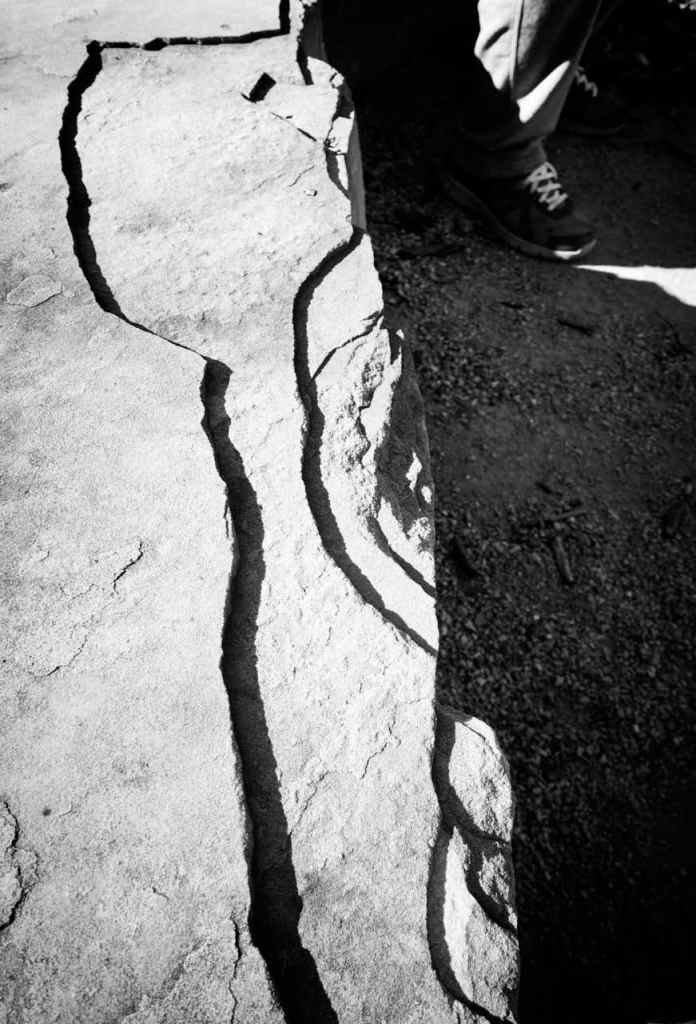
I found that this exercise “seeing patterns of light” was a bit of a challenge for as I was more drawn towards patterns created by shadows.  Therefore, while on a photo walk, I found that when I connected with light, I had to actually stop and question, “is this a light pattern or a shadow pattern?”

This slideshow requires JavaScript.

I challenge you to open yourself to seeing light…patterns of light. I would enjoy seeing your creations and reading about your experiences and thoughts about light patterns. Let’s tag with #aphotostudy.

a photo study: rhythm II

Visual Rhythm brings to mind that moment in elementary school during a lecture on diagramming sentences in which I found myself totally confused. It was as if I had missed school for an extended period of time and now being back I am way, way behind the rest of the class…their eyes shining with understanding, their quick responses to questions…expanding the abyss between grammar and I.

rythum-10web

Then there were those nightmares where I suddenly found myself wandering the school halls, lost and unable to locate my classroom, no one apparently seeing or hearing me, the anxiety intensifying because there is an exam scheduled on a topic that I had either totally forgot to study or simply couldn’t understand.  All of this begs the question, “how does one study what one cannot understand?”

studyofrhythumtone

This past week my “focus” on rhythm has had me revisit those school memories of struggling to understand, to perceive, to apply…I have come to equate visual rhythm with English grammar and Mathematical imaginary numbers. And to even muddy my comprehension even more, my research through various websites found variations on this theme:

1) Sae Alumi  notes that we always search for rhythm, balance, and harmony in photography and that the effort to master these three will make us more conscious and aid in creating more appealing images.

The repetition of forms is easy to find … Everything around us is built out of shapes that are pretty basic and often similar to each other. Look at trees: their forms could be closed in imaginary triangles, rectangles or circles. Start to observe shapes repeating in nature and the city space, within your body. Photograph structures of windows in skyscrapers or lines painted on a road.

rythum-24web

2) APN

The primary characteristic of rhythm is its predictability and order. For example, day and night and the pattern of seasons are predictable and follow a particular movement along a connected path to exhibit a sense of rhythm. Rhythm is as important in photography as it is in music. Music when not in rhythm can be categorized as noise. But when it attains a timed beat at regular intervals, it turns pleasant to the ears. … Similarly, rhythm in photography renders a pleasant sensation to the eyes.


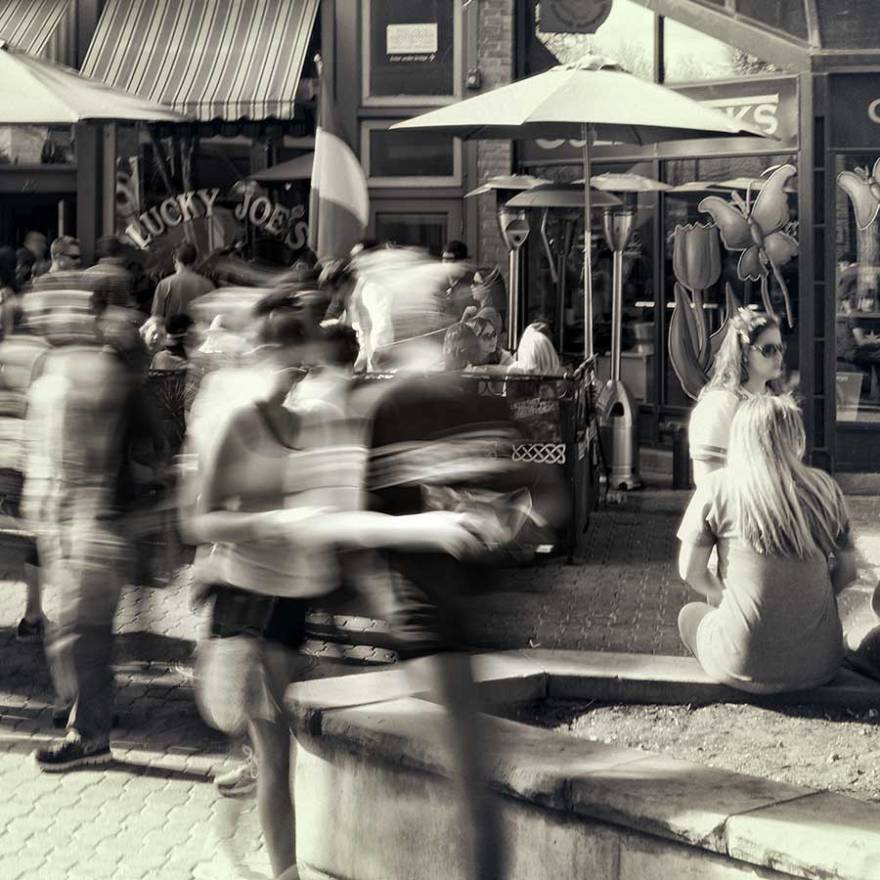
fortcollinswalkaboutweb

3. Sophia

Repetition refers to one object or shape repeated; pattern is a combination of elements or shapes repeated in a recurring and regular arrangement; rhythm is a combination of elements repeated but with variations.

Rhythm is like pattern, in that the same elements (i.e. shape, line) are repeated; however, with rhythm there are slight variations in the pattern. Rhythm is easily perceived but complex and subtle. Think of  water on a beach; it  continually breaks on the shore in lines that are repeated,  yet each one is different.

rythum-25web

4. Masteringphoto.com

Rhythm is a repeating pattern through time (in music) or in space (more useful for our purposes). Whether you have a repeating individual element, such as the lines in the sand…or repeating groups such as the rows of magnets… (and remember, our brains will create groups, even if we didn’t intend them to be there), it’s important to think about the energy that this repetition adds to an image. Rhythm can be used to add peace and regularity to an image, and it can also be used to help a subject that interrupts the rhythm stand out


brendakofford_emigrate2web

5. Vanseo design

Rhythm is a regular and repeated pattern, usually of sound or movement. …How do we define rhythm visually? As a design principle we can say rhythm is the patterned repetition of elements in space. We place elements on the page and experience the intervals between them. Time enters as our eye moves from one element to the next and through this rhythm in space and time we can create a sense of organized movement similar to a musical beat.

There are a variety of places where you can find rhythm.
• music — patterns of sound over timed intervals
• dance — patterns of movement and gesture through physical space
• speech — patterns of cadence in spoken words
• writing — patterns of cadence written words
• painting — patterns of brush stroke, color, shape, on a canvas

Notice the repetition of the word “patterns” in the list above. Pattern is essential to rhythm. So is repetition. The list above creates a rhythm though repetition. Visually each list item begins with a bullet. The bullet is then followed by a single bolded word, an mdash, and the words “patterns of.” Were I to add another item to the list you would expect it to follow the same predictable pattern.

Notice too, the slight variations created with the length of each line and by the links in a couple of the list items. These variations help break the monotony and add surprise and interest to the rhythm.
rythumflowingreflectionsweb

To add to this conversation there are different types of rhythm:

regular rhythm

alternating rhythm

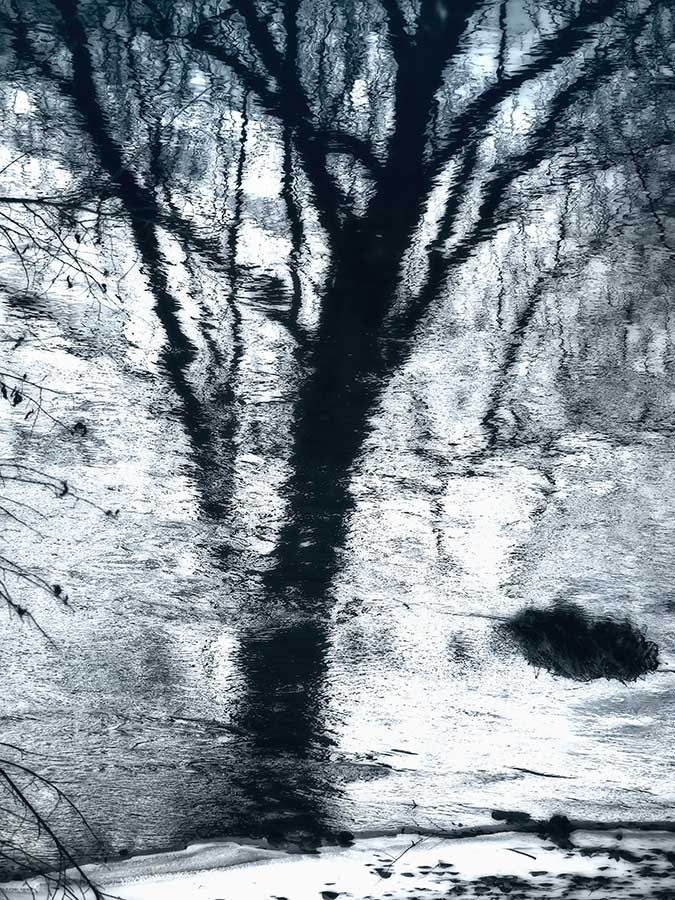
flowing rhythm

random rhythm

progressive rhythm

symmetry rhythm

undulating rhythm, and (breaking this repetition)

rhythm sensation

rythum-8web

Now I have a clearer understanding as to why, despite my continued efforts, I could never draw random v-shaped birds in my childhood drawings. While I may stumble in my attempts to comprehend rhythm, I have come to understand that all of us are hard wired to see and create patterns.

I would love to hear your thoughts about visual rhythm and to see how you incorporate this composition element within your own photography.   Also…does anyone know of an elementary article about visual rhythm?


a photo study: rhythm I

Rhythm, a vital element within music, dance, and poetry, is also important in photography. Ted Forbes writes that visual pulses are within all visual compositions.

EmptyName-203_HDR

Repetition is easy to find…all around us are shapes that are pretty basic and similar to each other. We will see them repeating at regular intervals within nature, design, works of art, architecture, and photography.

rythum-7kittyparkingweb

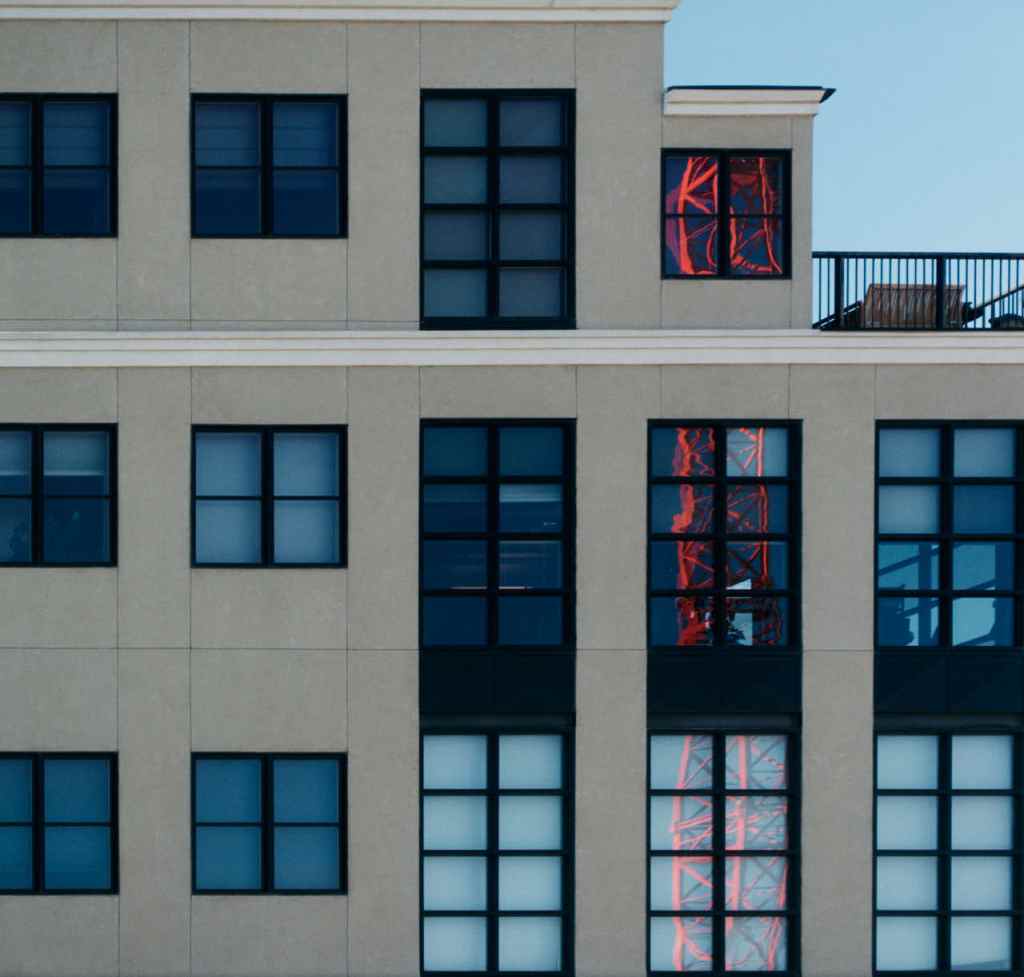
Standard rhythm involves the same or similar elements repeating at regular intervals — think of equally spaced light posts extending from left to right across the frame, the slats of a crib, or a series of windows on the side of a city apartment building. These patterns can be thought of as a subset of rhythm in that patterns always have rhythm, but rhythm doesn’t always have patterns.

rhythumweb

Rhythm affects the quality of our viewing experience and helps draw and keep the observer’s eye within the frame. Visual rhythm is often most powerfully used as a vehicle for or backdrop to your central story or primary subject.

rythumtrioweb

After a week of studying rhythm, I’m finding a need to stay with this topic as the extension of rhythm within sound and physical sensations to a visual format is like…hmm…sitting in an introduction to physics class. Well, maybe not exactly like a physics class…maybe more like an introduction to “imaginary numbers.”

compositionbwebwy

In the meanwhile, I’ve concluded this week’s photo study blog with a Ted Forbes’ video rhythm in visual composition.   I would enjoy hearing your thoughts and understanding about rhythm as well as seeing some of your creative use of repeating patterns.