weekly photo challenge

wpc: structure
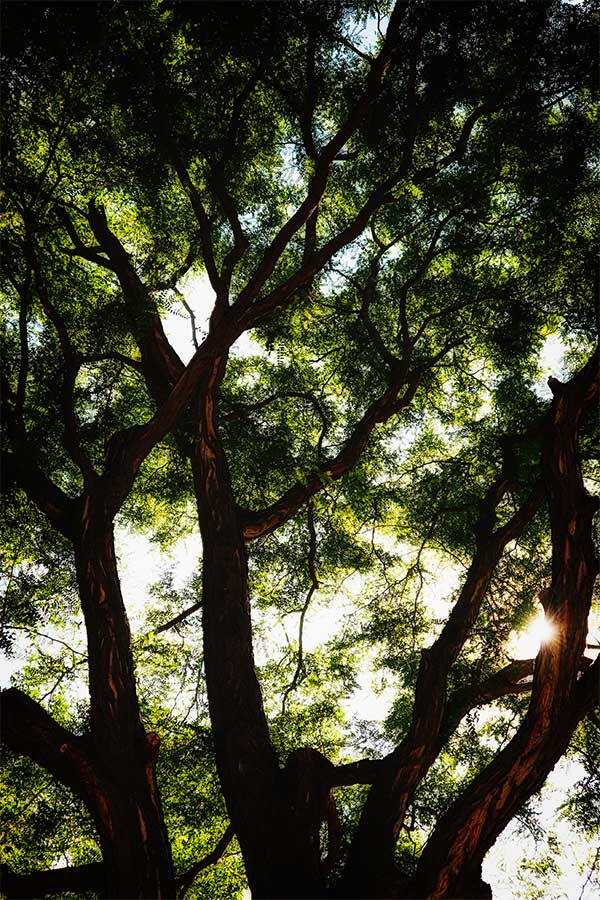
If you are…someone who enjoys the countryside, or the green forest, you know that the forests are our lungs outside our bodies. Yet, we have been acting in a way that has allowed two million square miles of forest land to be destroyed by acid rain. We are imprisoned in our small selves, thinking only of the comfortable conditions for this small self, while we destroy our large self. One day I suddenly saw that the sun is my heart, my heart outside of this body. If my body’s heart ceases to function I cannot survive; but if the sun, my other heart, ceases to function, I will also die immediately… (Thich Nhat Hanh, Being Peace)
wpc: corner

The above image, “My Corner of of the World” submitted in response to Ben’s weekly photo challenge is a sharp contrast to the various reports that are coming out of Yemen, “The World’s Worst Humanitarian Crisis.”
The New York Times, reports:
“It’s a slow death…We’re just waiting for doom or a breakthrough from heaven…
“Repeated bombings have crippled bridges, hospitals and factories. Many doctors and civil servants have gone unpaid for more than a year. Malnutrition and poor sanitation have made the Middle Eastern country vulnerable to diseases that most of the world has confined to the history books.
“In just three months, cholera has killed nearly 2,000 people and infected more than a half million, one of the world’s largest outbreaks in the past 50 years
“The [coalition airstrikes have] killed and wounded civilians…bombings have also heavily damaged Yemen’s infrastructure, including a crucial seaport and important bridges as well as hospitals, sewage facilities and civilian factories. …[making] it harder for humanitarian organizations to bring in and distribute aid.
“The United States is also a major donor [of humanitarian aid], as well as a primary supplier of arms to the members of the Saudi-led coalition. Although the United States is not directly involved in the conflict, it has provided military support to the Saudi-led coalition, and Yemenis have often found the remnants of American-made munitions in the ruins left by deadly airstrikes.”
Al Jazeera, August 23, 2017 notes:
The military intervention in Yemen led by the Saudi Arabia’s military has proven to be a “strategic failure” that has killed more than 10,000 people and injure more than 40,000 to date. Yet, a full and official withdrawal is unlikely, “A retreat means defeat…”
All of this leaves me questioning the distractions of the never-ending, on-going political drama from the White House that blinds and deafens me to the unimaginable in Yemen, as well as to the emotional, physical, and relational injury to members of the American military, their families, and Afghanistan civilians in what has become a fading, if not forgotten war, in my corner of the world.
wpc: ooh, shiny!
wpc: elemental

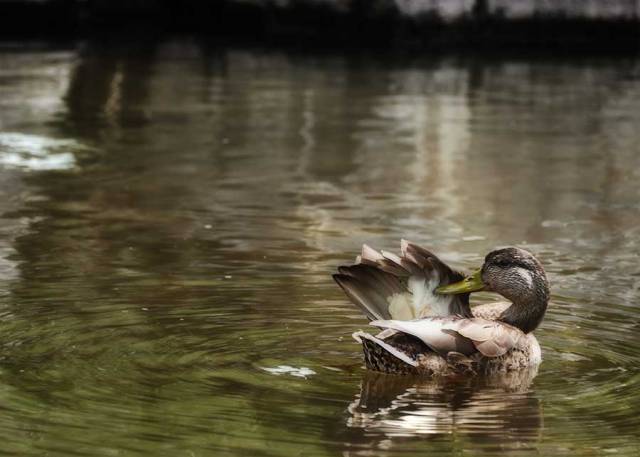
Elemental — of, relating to, or of the nature of the four elements, earth, water, air, and fire, or any one of them…from the Medieval Latin word elementālis, dating back to 1485-95.
wpc: textures
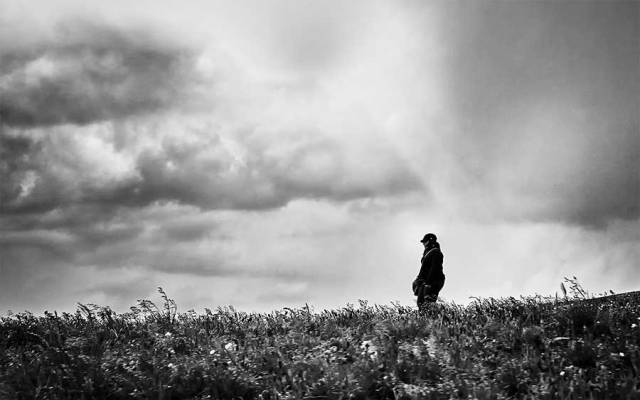
Across the face of the field
wilted grasses
darken
the chill clouding-over
of a sudden storm sky
~Saigyo (B Watson: Poems of a Mountain Home)
wpc: collage


A collage of multiple images (using WordPress’ tiled gallery) of rafters on the Cache la Poudre River in Northeastern Colorado
wpc: bridge
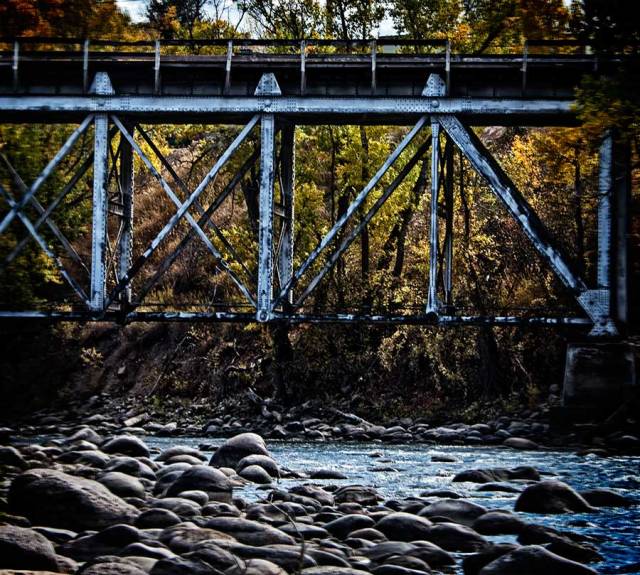
A railroad bridge over the Colorado River, the sixth largest river in the United States. It flows through 7 states, 11 national parks and mountains, as well as, two nations. After decades of over-allocation, overuse, and manipulation it is now a part of American Rivers’ Most Endangered Rivers.
I hope you take a few moments to view this video…the awe, beauty, and power of “the American Nile” as it wanders from the Rocky Mountains to the Sea of Cortez.
wpc: delta
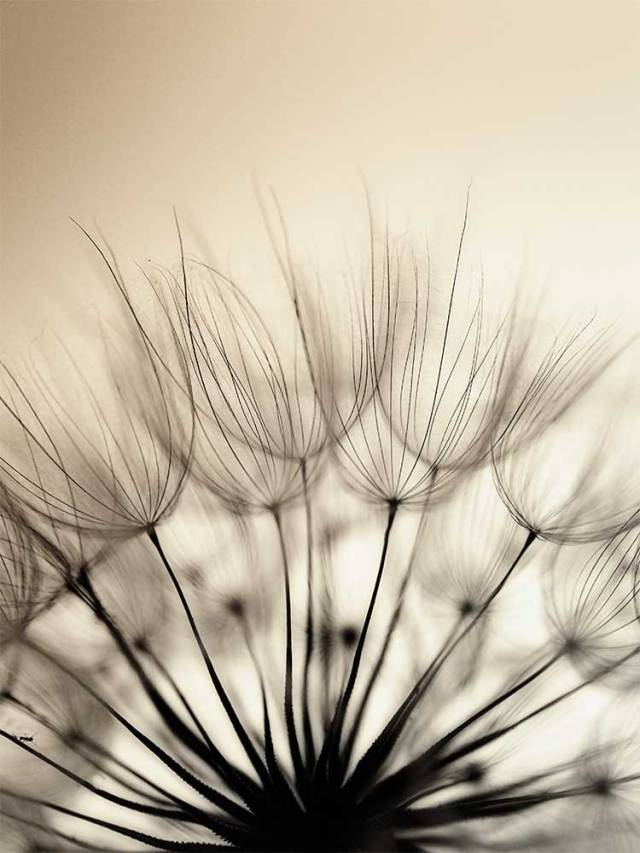
The past, present, and future…in a moment of time. In your mind’s eye, do you see the generations of past dandelions—sleeping soundly within each protective seed shell? Each kernel attached to a fragile parachute, waiting for a gentle summer breeze, trusting in an unknown tomorrow’s life-giving rain, sun, and soil for its awakening.

Delta sharing a picture that symbolizes transitions, change, and the passing of time.
wpc: transient
this rain
a greeting card from heaven
midsummer heat.
~Issa (www.haikuguy.com)
What are the various conditions—past and present, known and unknown—that come together to create raindrops? Scientists have suggested that the interactions between water vapor, dust particles, and wind turbulence within clouds create millimeter-sized droplets which are heavy enough to begin their descent towards earth. And in the process of falling, the droplets accumulate more and more moisture, becoming the raindrops we see on the ground.
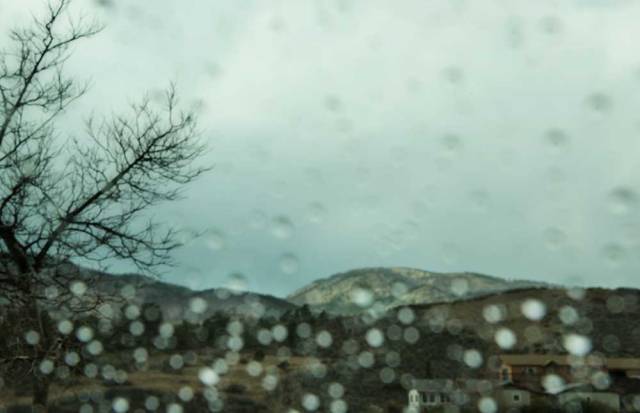
This scientific explanation of how raindrops form invites contemplation of the prior conditions that create vapor, dust, and wind. Each of these transient phenomenon is a telling of the ongoing weaving and unweaving of interconnected threads creating the various phenomena we experience within each given moment.
This weaving and unweaving of threads is noted by Thich Nhat Hanh, “This is, because that is. This is not, because that is not. This is born, because that is born. This dies, because that dies.”

 a meditative journey
You must be logged in to post a comment.