Day by day, day by day, and day by day,
quietly in the company of children I live,
In my sleeves, tiny embroidered balls, two or three.
Useless, intoxicated, in this peaceful spring.~Ryokan*

*cited:
Sky Above, Great Wind
K Tanahashi
Day by day, day by day, and day by day,
quietly in the company of children I live,
In my sleeves, tiny embroidered balls, two or three.
Useless, intoxicated, in this peaceful spring.~Ryokan*
*cited:
Sky Above, Great Wind
K Tanahashi
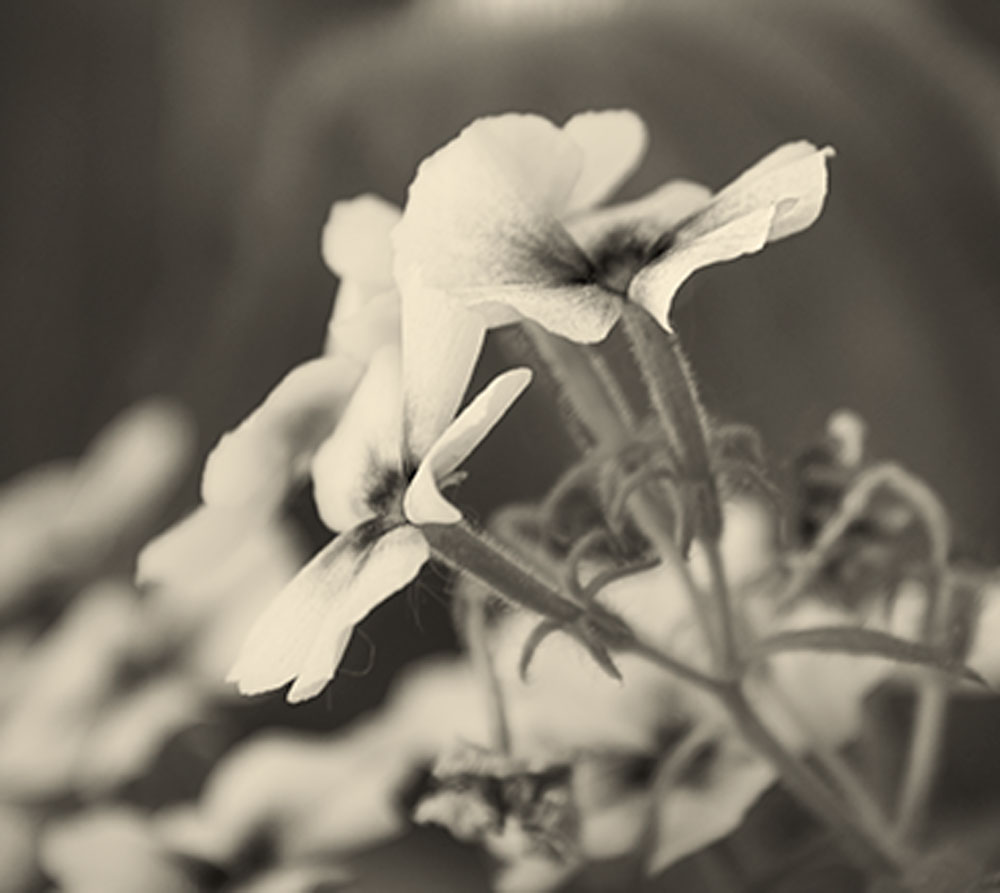
See and realize
that this world
is not permanent.
Neither late nor early flowers
will remain.
~Ryokan*
*cited:
Sky Above, Great Wind
Trans: K Tanahashi
Stay at Home Order … day 8 plus 14 seclusion retreat days
The true person is
Not anyone in particular;
But, like the deep blue color
Of the limitless sky,
It is everyone, everywhere in the world.
~Eihei Dōgen

Yesterday my mother came to visit…it was a remembered touch that announced her arrival not as the frail woman with a fierce determination time had transformed from the woman who carried with her the stature of Danish Vikings…warriors, explorers, conquerors, survivors. The English genes of a woman whose life was colored by an incessant search for union with God, an unquestioning moral and social mandate, and an aloneness I did not know.
She visited as my mom and walked alongside me as I gathered the ingredients for homemade soup, she watched me — with discerning eyes — as I made the bed and gathered the laundry, and she sat with me as I flipped through a photo book of fading memories. Memories…the mundane moments swept away into darkness by brooms of discontent, negation, and yes…shame. The shame that arises from a felt sense of a marginalized family’s “being different.”
She woke the memory within the shifting images of a night when I saw her sitting alone within the silence of deafness nested within the silence of night. Before her was a topsy-turvy pile of children’s scuffed and worn shoes. I watched her from the doorway, hiding as I did not want to be sent back to bed, slowly polishing each one and then matching them into pairs, forming a straight row — creating a sense of order. When her eyes acknowledged my presence, she invited me to sit alongside her. Moments passed as I felt her listening presence…a mother and a daughter sitting quietly in a dimly lit room, a protective barrier.
As this remembering faded, I felt a gentle gaze that spoke of a silent loving-kindness. It was as if she came from a place of waiting knowing that the barriers that blocked me from being receptive to the multiple color threads that weaved her life had begun to weaken and fade and — for the first time — I entered, felt, and embraced her aloneness. And she, in return, eased the discontent that ebbs and flows throughout this time of uncertain isolation.
I have often wondered, since her passing, that if we had met – not as mother-daughter but as children in a playground would she have wanted to be my friend?
With blooms of pampas grass
for markers
I push my way along,

no trace of the trail
I vaguely remembered.
~Saigyō (cited: B Watson, Poems of a Mountain Home)
Come again,
if you don’t mind
pushing your way through
dewy eulalia blossoms
to reach this twig-bound hut.
~Ryokan (cited: K Tanahashi, Sky Above Great Wind)


For a table to exist, we need wood, a carpenter, time, skillfulness, and many other causes. And each of these causes needs other causes to exist. The wood needs the forest, the sunshine, the rain, and so on. The carpenter needs his parents, breakfast, fresh air, and so on. And each of these things, in turn, has to be brought about by other conditions. If we look in this way, we’ll see that nothing has been left out. Everything in the cosmos has come together to bring us this table. Looking deeply at the sunshine, the leaves on the tree, and the clouds, we can see the table. The one can be seen in the all, and the all can be seen in the one.
Thich Nhat Hanh, The Heart of the Buddha’s Teaching
Standing quietly by the fence,
you smile your wondrous smile.
I am speechless, and my senses are filled
by the sounds of your beautiful song,
beginningless and endless.
I bow deeply to you.
~Quach Thoai (describing the appearance of a dahlia: Thich Nhat Hanh, Fragrant Palm Leaves)

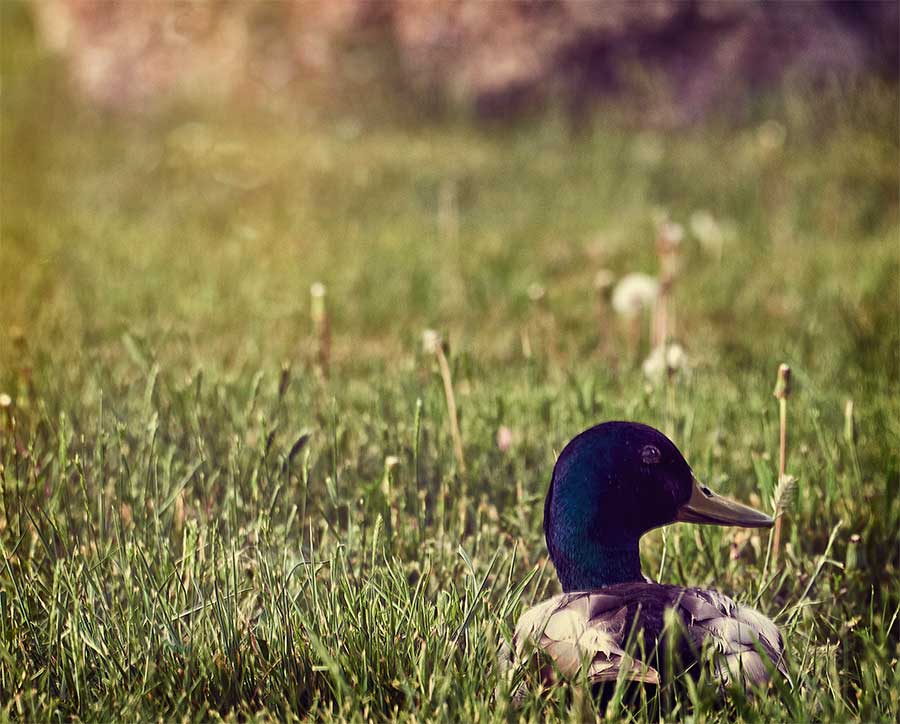


The spring sunlight, flowers blooming, and green trees create a landscape that looks like embroidery. This is an object of perception and it’s a beautiful thing to focus on. …if we don’t consider the role of our mind, and just focus on what we see as the independent reality around us, there will be contradictions.
The Vietnamese poet Nguyen Du said, ‘When a person is sad, the scenery is never happy.’ How we are feeling determines how we see the world. Why are some people able to experience happiness when they look at the moon and see its beauty, while others see the same moon as sad or depressing? This question can’t be answered unless both the subject [person] and object [moon] are taken into account.
~Thich Nhat Hanh, Zen Battles
We meet and we part,
Coming and going — hearts like passing clouds.
Except for the marks of a frosty-hair brush,
human traces are hard to find.
~Ryokan (K Tanahashi, Sky Above, Great Wind)
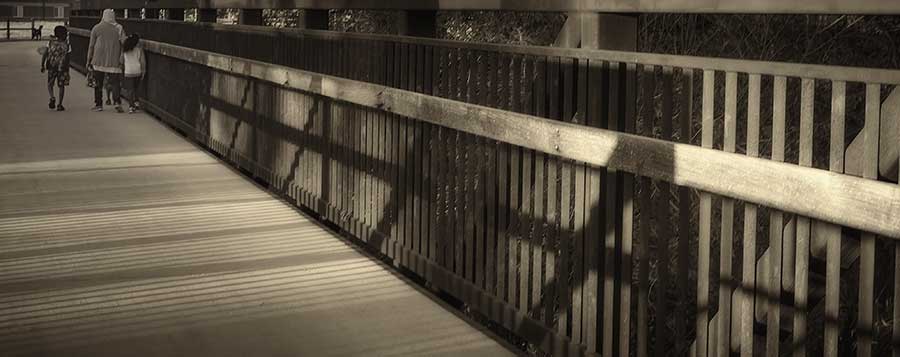
This morning I will fetch water,
cut firewood,
and pick herbs
during a break
in this autumn shower.
~Ryokan
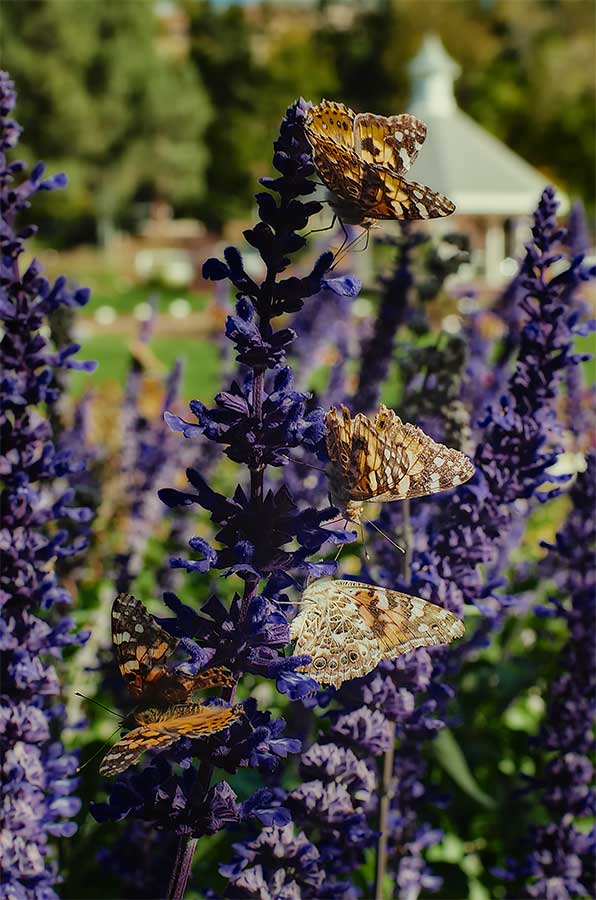
Autumn advances
and I become
a bit sad
closing the gate
to my hut.
~Ryokan (K Tanahashi, Sky Above, Great Wind)


a label transforms a “unknown” person into a preconceived concept
People want to identify and label you so they can place you somewhere they already have set in their mind. …
We have these labels in little piles in our mind and we take them out and stick them on things. That’s our habit. We like to be able to say, “This is an American. That is a Dutch person. This is a Mexican person.” We put the label on as if we know what we mean by Mexican, American, or Dutch. This is a Communist, this is a Republican, this is a capitalist. In fact, the label has no meaning. “This is a person I love, this is a person I hate.” When we put a label on, we can’t see the person. If someone labels you as a “terrorist,” he may shoot you. But if he sees that you are a human being who has his own suffering, who has children and a wife to look after, he won’t be able to shoot you. It’s only when he gives you a label that he can say, “You’re a terrorist; your presence isn’t needed in this world; if you weren’t in the world, it would be a more beautiful place.” It’s all a matter of putting a label on a person. And when you see the real human being, you can’t assign a label anymore. We give labels only in order to praise or to destroy. We have a great bagful of labels–we don’t even know where they came from. And when we stick them onto people, we cut ourselves off from those people, and we can no longer know who they really are.
~Thich Nhat Hanh, Zen Battles
 a meditative journey
You must be logged in to post a comment.