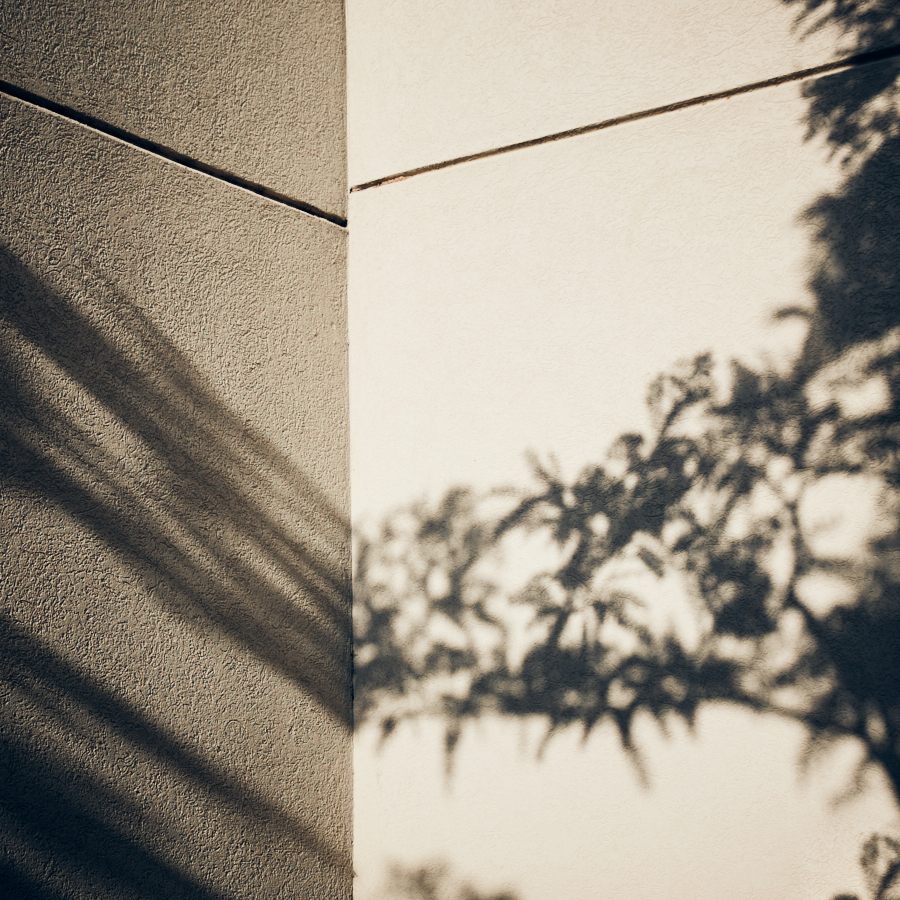
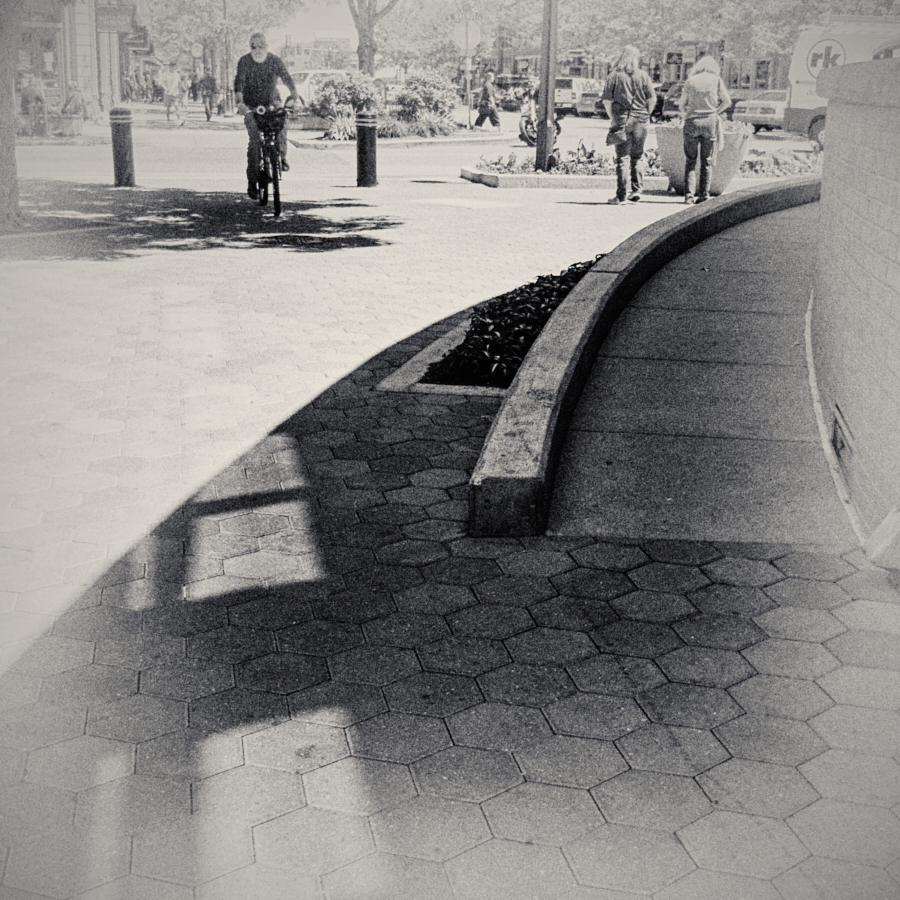
Tree shadow … the first of 10 square images of trees submitted in response to Becky’s July square project.
Tree shadow … the first of 10 square images of trees submitted in response to Becky’s July square project.


Hum…it is a challenge to outline my editing process as it is more often than not a spontaneous flow of visual experimentation.
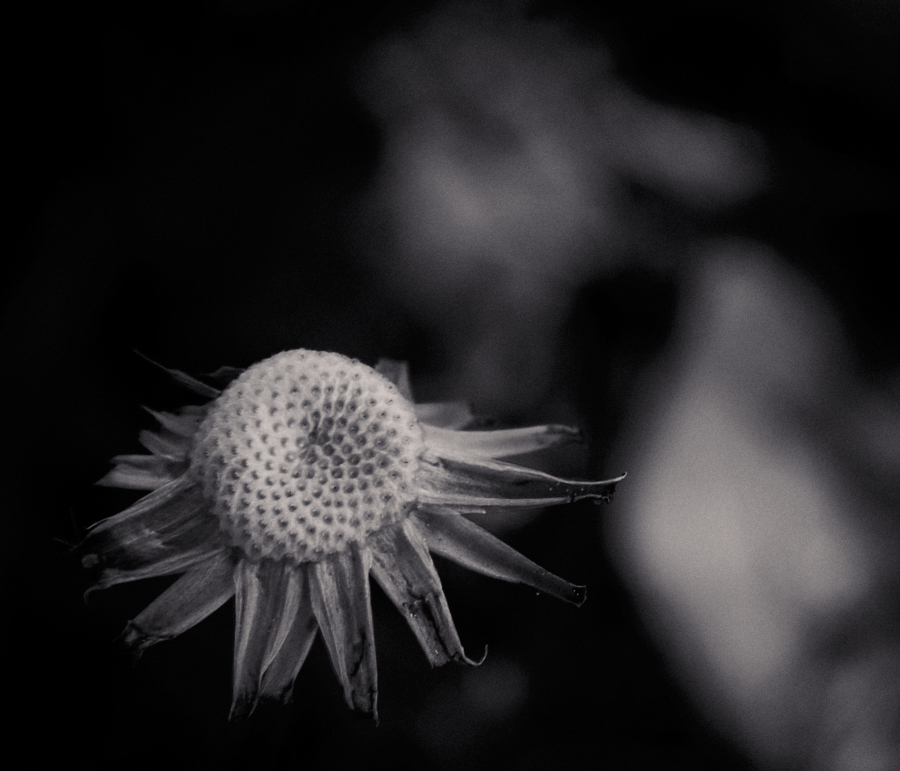
For this week’s challenge I chose the image below … the repeating patterns found within the dandelion family are inviting to my photographer’s eye.

First the raw image was cropped and edited in Capture One. A healing mask was used to remove some of the stems in the background.
Silver Efex: The editing process within Silver Efex began with a custom preset and some global adjustments. The blue filter was used as it was seen to lessen some of the background distraction. The IIford FP4 Plus 4 film type was chosen with a bit of yellow and green color filter sensitivity adjustments. Control points – contrast and brightness – were located in the parachutes. The vignette was set at -21%.
Photoshop: Contrast between lights and darks were explored with 3 curve layers.
Capture One: A custom split tone preset was the finishing edit.

One editing rule that I broke today is to walk away from an image for a period of time as a way to see my work through fresh eyes. Please let me know if you see any distractions or composition concerns.
Anne @ Slow Shutter Speed invited photographers to post their black and white photos as well as share their photo editing process.
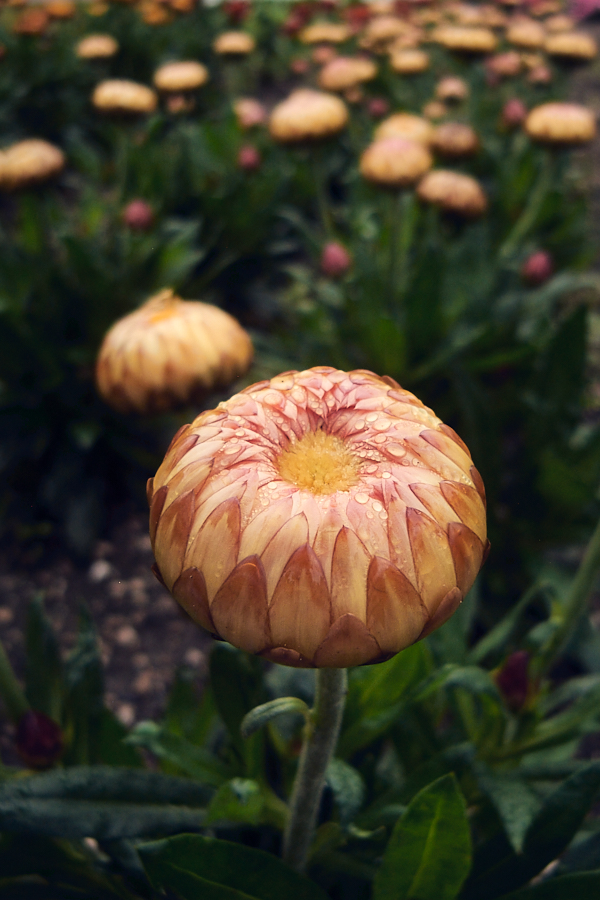


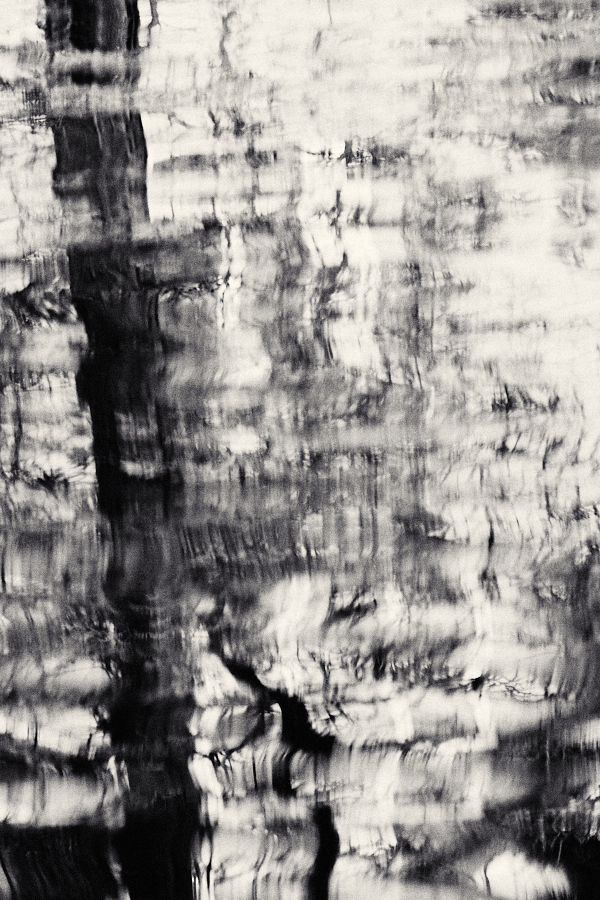
images offered in response to Johnbo’s photo challenge for the week: on the water
Leica V-Lux5…f/4 1/1300 146mm

Nikon D750 f/5.6 1/20s 85mm 100 ISO…edited: Capture One
My friend is lodging high in the Eastern Range,
Dearly loving the beauty of valleys and hills.
At Green Spring he lies in the empty woods;
And is still asleep when the sun shines on high.
A pine-tree wind dusts his sleeves and coat;
A pebbly stream cleans his heart and ears.
I envy you, who far from strife and talk
Are high-propped on a pillow of blue cloud. ~ Li Po*

A summer’s sprinkle

A spring snowstorm
It is a wonderful world…Amy (The World is a Book)
*(cited: Arthur Waley, The Poet Li Pl Gutenberg Project
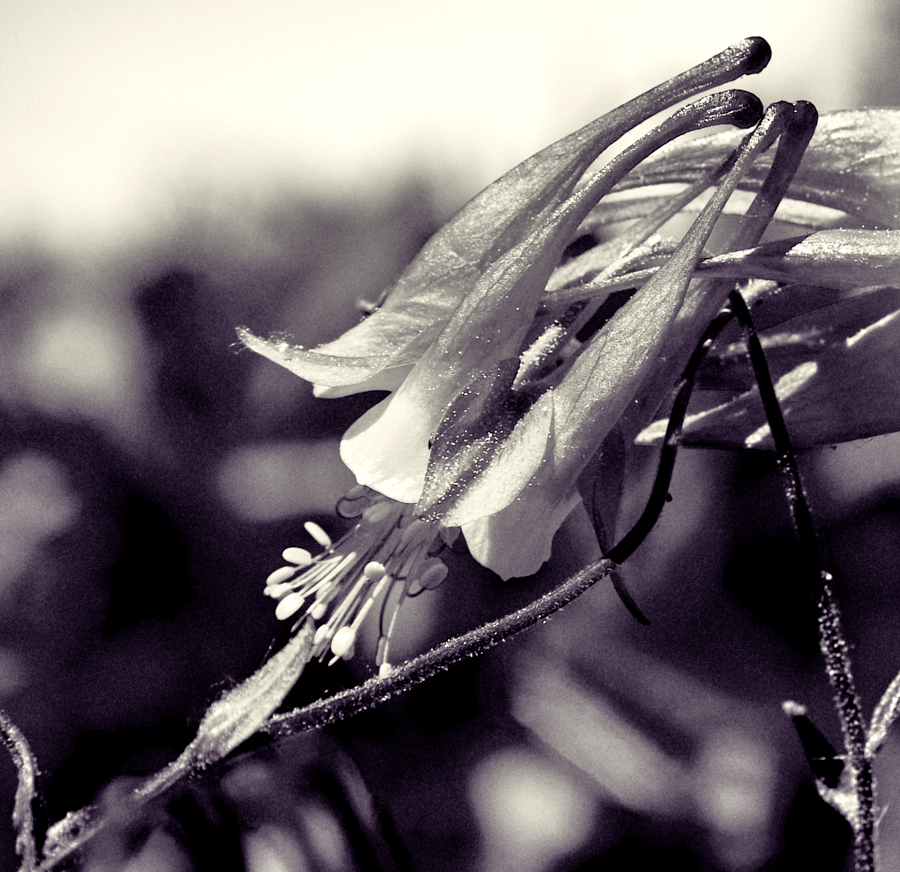
Nikon D750 … f/8 – 1/400s – 85mm – 100 ISO

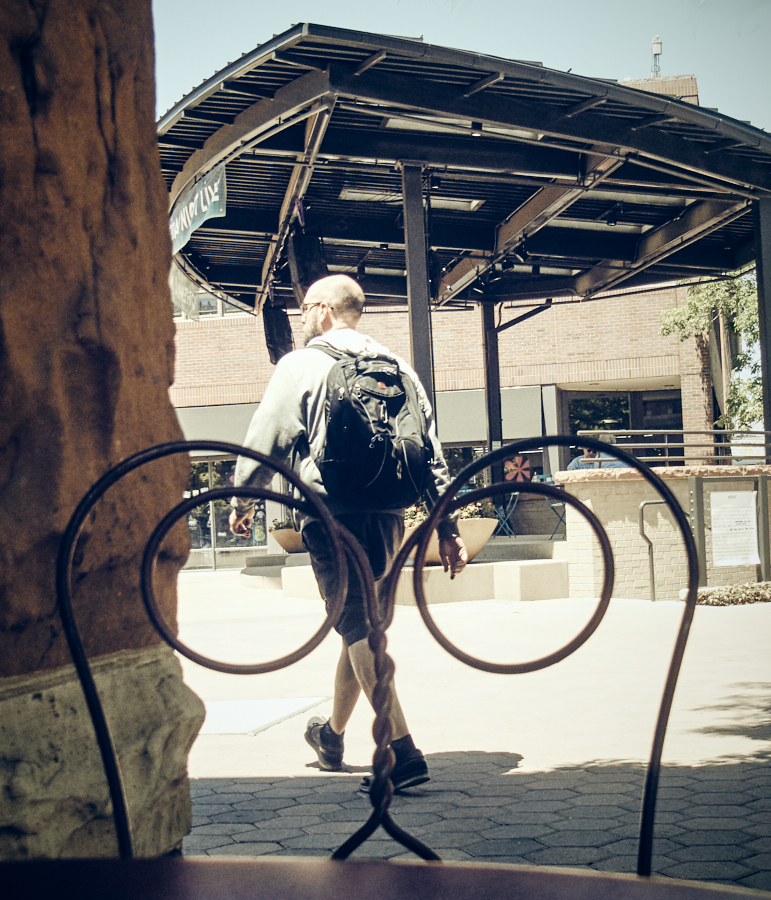
the man’s whiteness
walking in the house’s shadow…
summer moon ~Issa*



sharing tree shade
with a butterfly…
friends in a previous life ~Issa*

Isn’t the shade under a tree the tree’s shadow?
joining in Leya’s photo challenge: shades and shadows.
*cited: haikuguy.com
This week Patti’s (P.A. Moed) Lens-Artists photo challenge is to pick a color and select several photos that feature that color and then beginning with a “large” color subject go down to an image that contains a small subject color — going from large to small.

smoke rising (Cameron Peak fire)

light reflections seen through the windows of a coffee shop

rust on a section of a pedestrian over-pass

the stem and veins within a leaf
Nikon D750 f/8 1/40s 85mm 100 ISO Edited: Capture One
now the rains have gone,
two neighboring houses
enjoy spring cleaning ~ Issa*

Nikon D750 f/8 1/30s 85mm 100 ISO edited in Capture One and Photoshop
*Kobayashi Issa, The Spring of My Life. Trans: Sam Hamill


You must be logged in to post a comment.