Even into the mind always clouded with grief,
There is cast the reflection of the bright moon ~The Sarashina Diary (Diaries of Court Ladies of Old Japan)
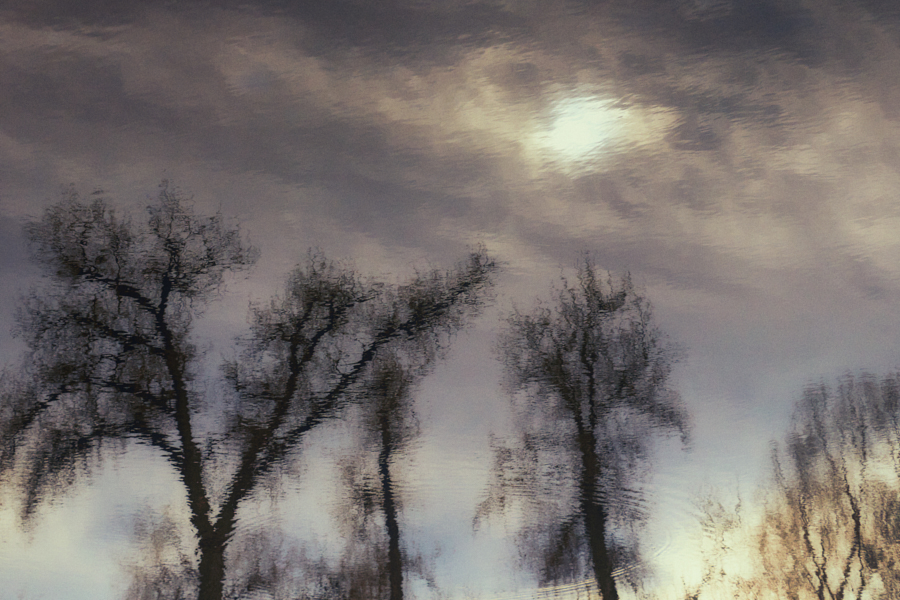
image submitted in response to Patti’s lens-artists photo challenge: reflections
Even into the mind always clouded with grief,
There is cast the reflection of the bright moon ~The Sarashina Diary (Diaries of Court Ladies of Old Japan)
image submitted in response to Patti’s lens-artists photo challenge: reflections
March is that time of year when the promise of spring begins to be seen in the subtle transitions of yellowish-brown to green, tree buds, bicyclist, and clothing. With the sounds of rivulets created by melted ice and snow, my soul also begins to thaw.
The photo study project for this month included:
rhythm & tone

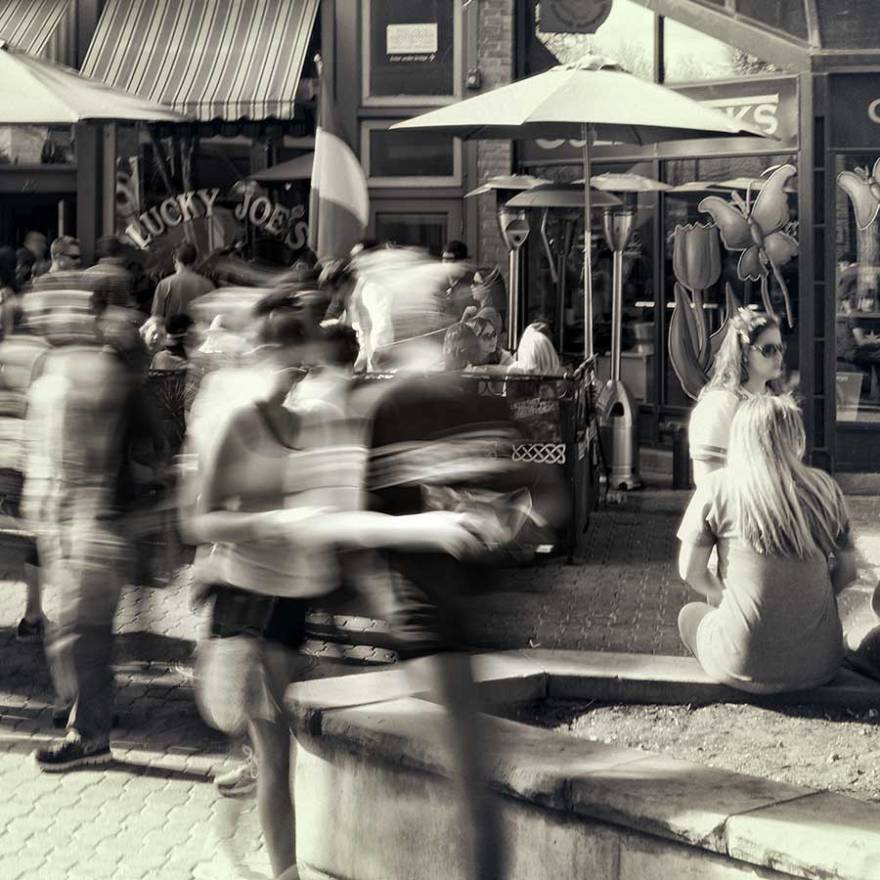
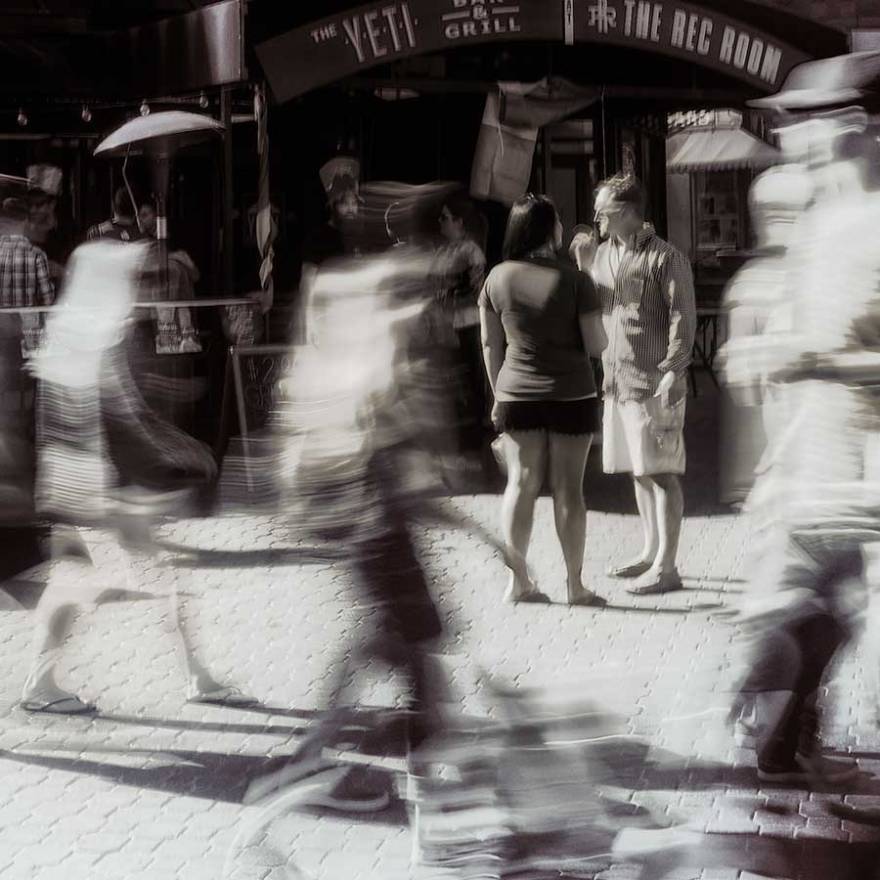
rule of space


abstract photography

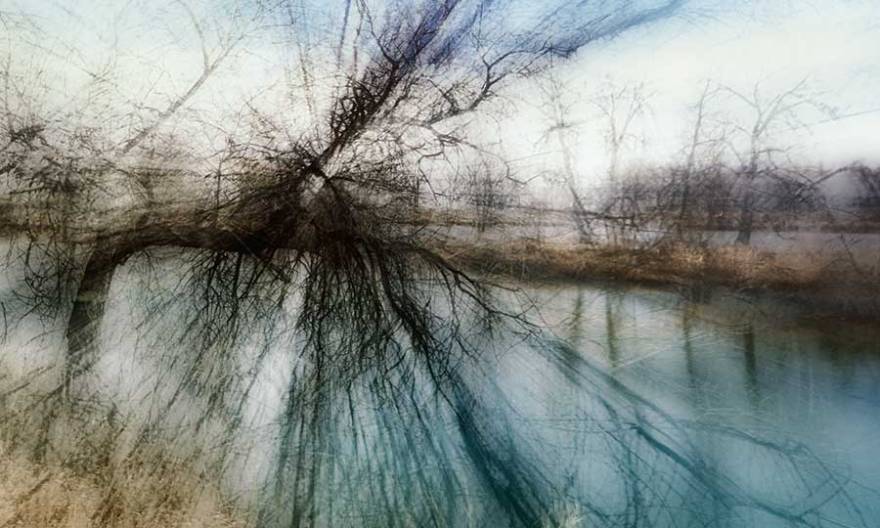
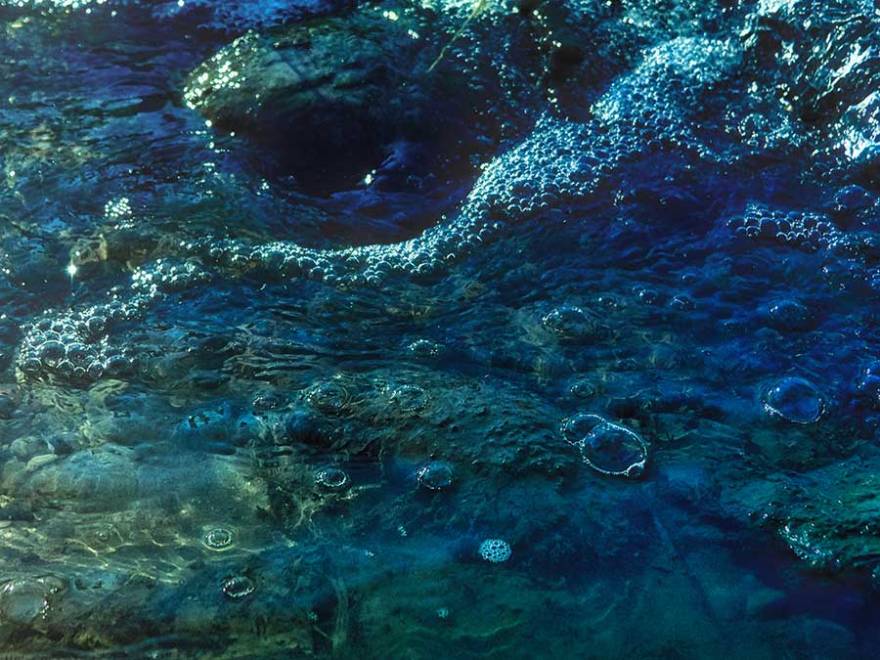
While I understand that tone and rhythm are found with repeating patterns, I still struggle with the transition of these elements from music to photography. Oh well….maybe one day there will a moment of enlightenment in the early morning hours or during a morning shower.
When you look back to March, did you find a theme or a project that guided your photography?
Today, I like the word Wintering (the act of staying at a place throughout the winter) as it has an underlying message of being at…rest, peace. A seasonal nap time.

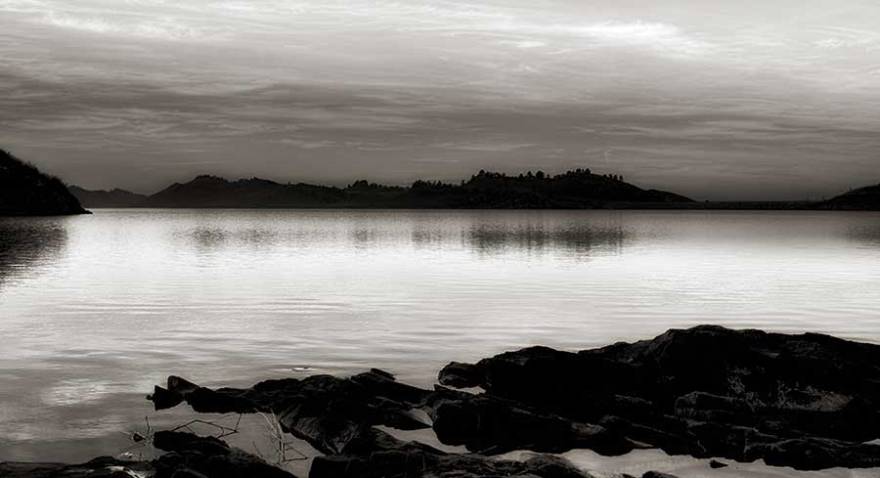
During this time of year in which nature slumbers, there is an invitation to sit beside the fireplace and study the amazing images of Michael Kenna and Bruce Percy.
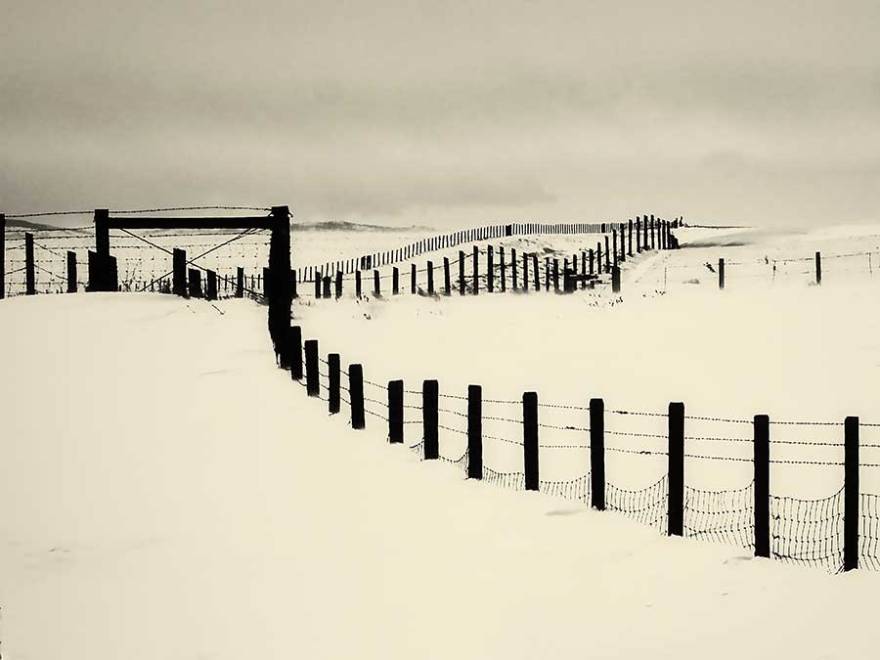
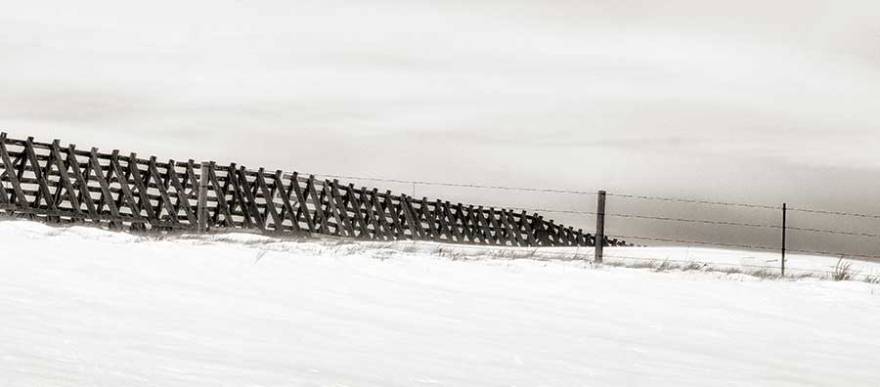
February has within it whispers of spring, It also–like November–is a time of heavy snow storms and cabin fever. Last year I set out on a “frame within a frame” photo assignment.


What gifts did February, 2018 bring you this year?
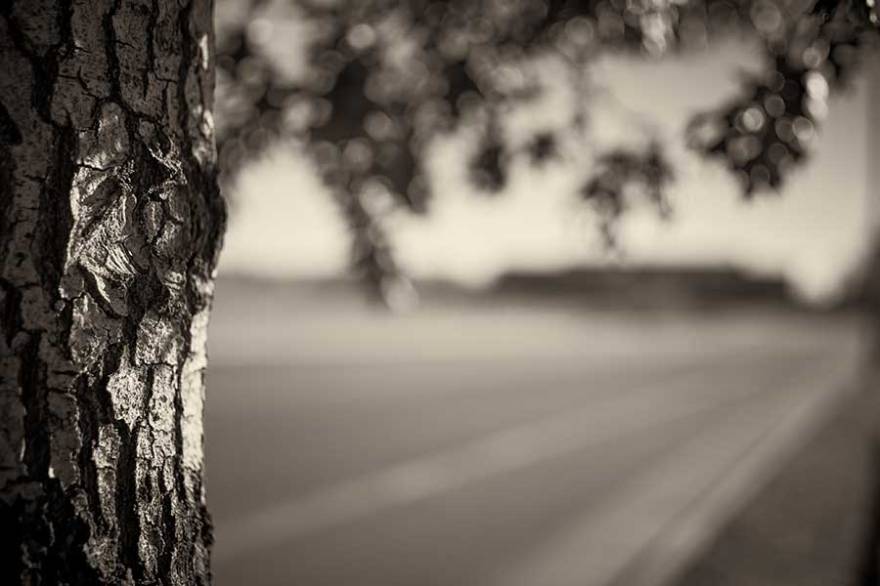
A life review, a year review, an anniversary review, a retirement review, or a graduation review invites us to reflect upon memories and begin a private process of shifting through remembered moments as if they were grains of time in which we place into value-laden categories that generally fall into piles of “good”, “bad”, or “indifferent.” This is the ground work for the emergence of future plans, goals, and yearly resolutions.


Photography, through its visual recording of time, offers a quasi-concrete way of revisiting our yesterdays. It is the coming together of aged and blurry photographs and shared family stories that have formulated and validated the pre-memories of my childhood self beyond my birth certificate and my parent’s marriage certificate. As an aside, I have wondered about the impact cherished family photos have on remembered and shared childhood memories especially in contrast to the time before photography when family stories, diaries, paintings, drawings, songs, biblical records, and cemeteries were memory keepsakes.


At this time, I thought it would be interesting to do twelve photo review blogs of the images created during 2018 as part of the aphotostudy project I began last January. I would love to have you join me and share the photographs that highlight your blogging journey through 2018.
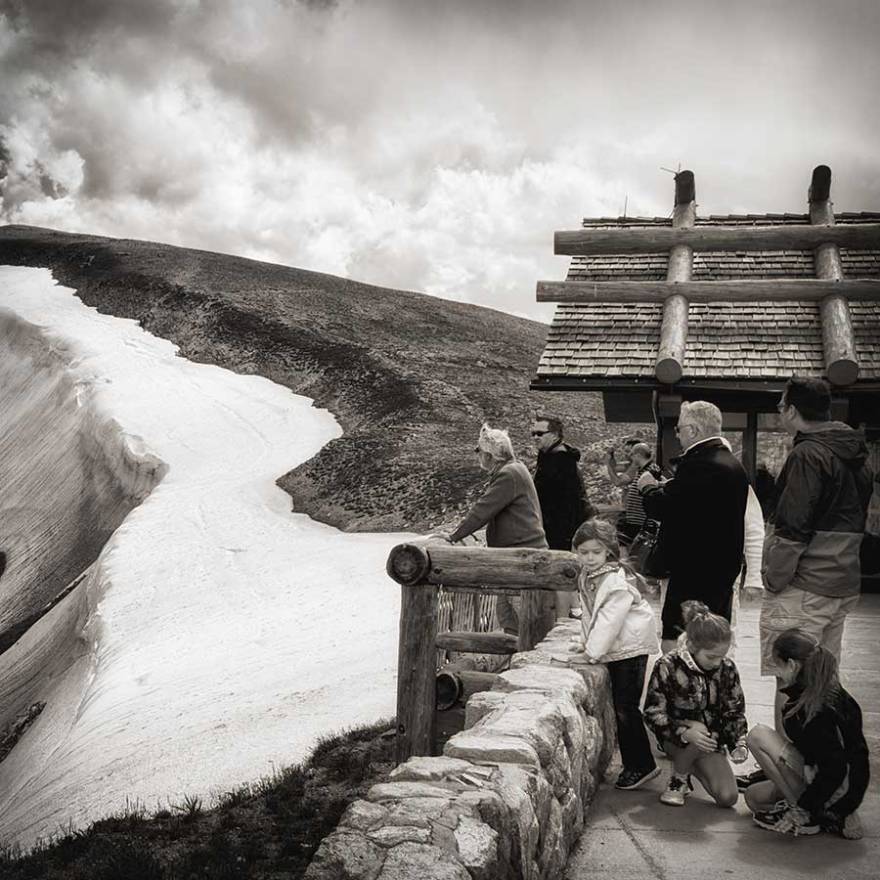
Also, as this year fades into memory and opens a door to 2019, I wish to express my gratitude for all of you who shared your creative endeavors, knowledge, and thoughts throughout the year. May each step you take throughout the coming days be accompanied by love, joy, and peace.
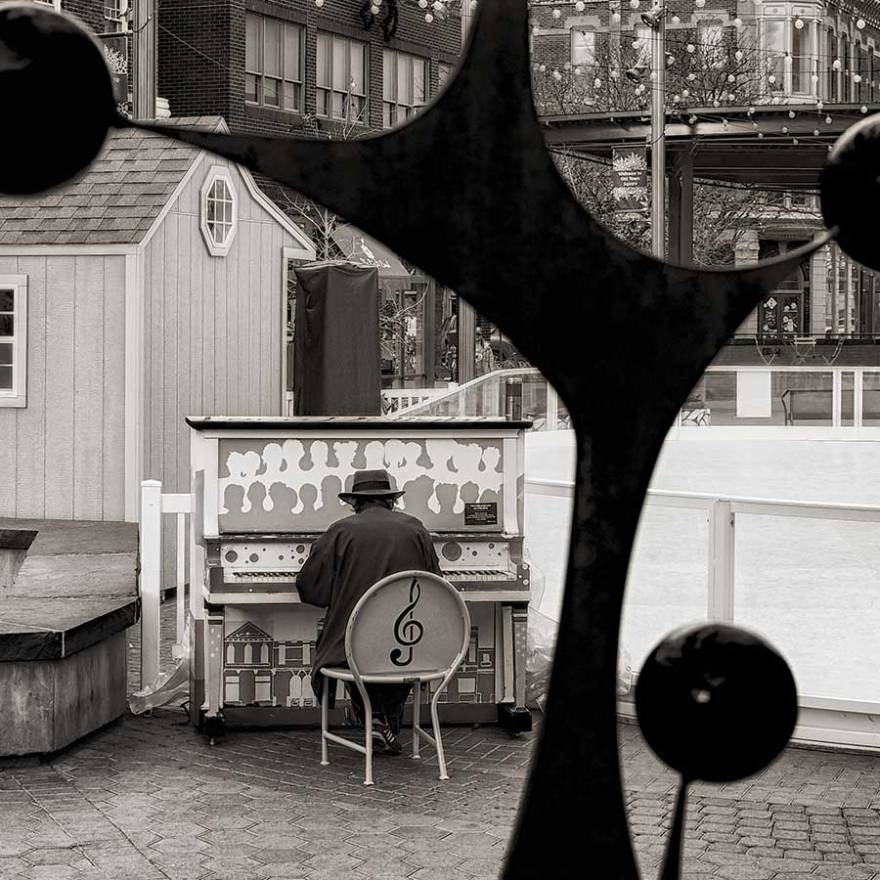

Ted Forbes brings his Master Class Live series to a close by identifying a number of important reminders for amateur and professional photographers:
photographs come from your mind, your talent, your skill level, your experience, your sense of creativity….
…what you are as a photographer is a sum of all your experiences and everything you have done up to this point comprises your skill level.
…the camera doesn’t make images you do
Developing your style as a photographer is:
…an ongoing process…this is something that you get better and better and better and better at, and I think, hopefully, one day you get really good at but it never stops….
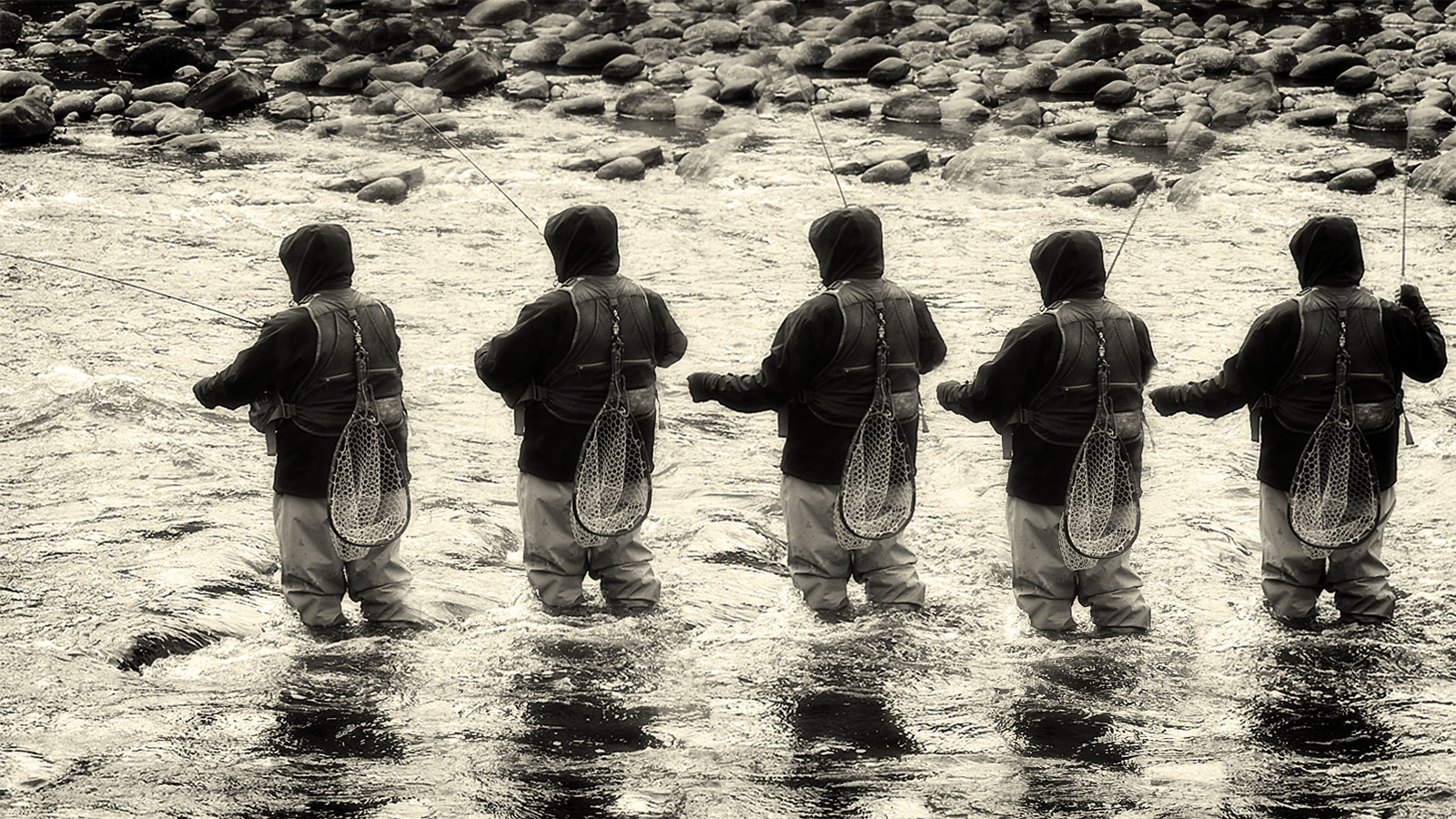
Exercise 1: tell a story without words
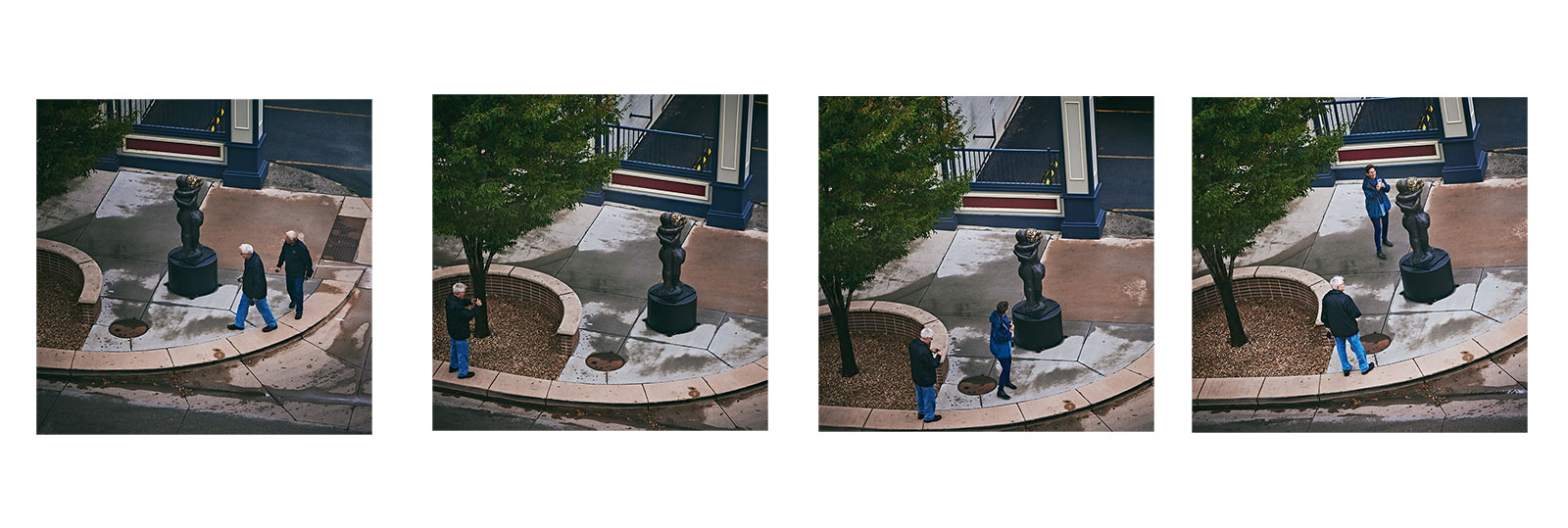 The absolute goal of this exercise is to tell a story with one image that interacts with a viewer and evokes an emotional response, a reaction, or a change in perspective, thought, or understanding.
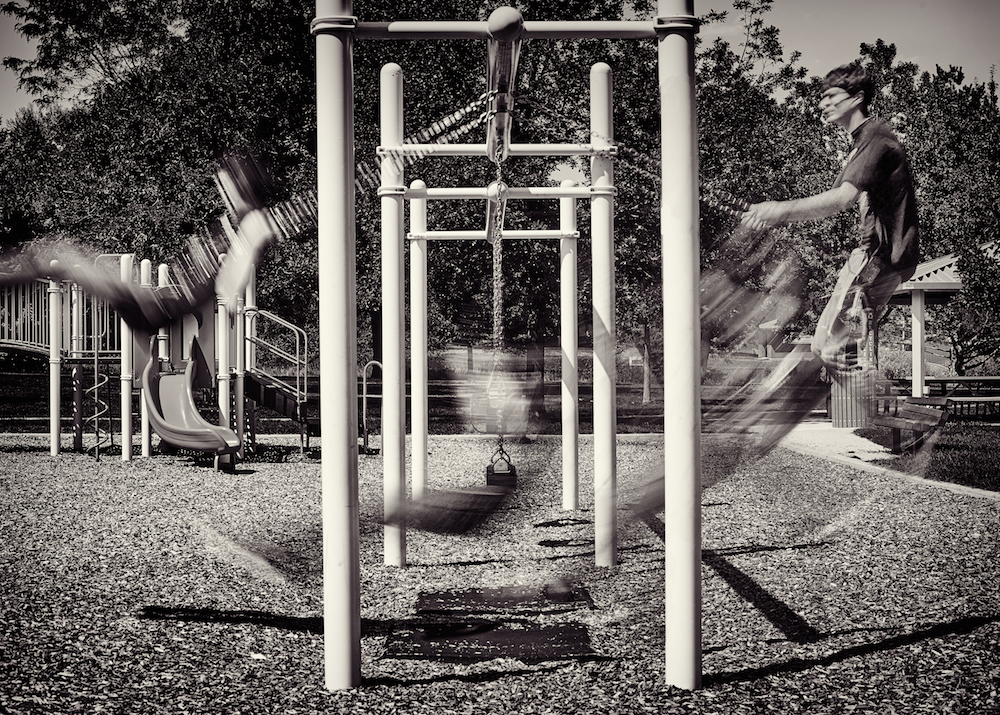
A number of various genres that may inspire you are:
Photographers:
Duane Michals @
http://www.dcmooregallery.com/exhibitions/duane-michals-sequences-and-talking-pictures?view=slider#8
Eadweard Muybridg @
https://www.tate.org.uk/whats-on/tate-britain/exhibition/eadweard-muybridge
Movies and short videos:
Ted Forbes’s Photo Assignment #6
A photo study
a photo study: story photography
Looking forward to your images and thoughts. Let’s tag with #aphotostory.

The hunting lanterns
on Mount Ogura have gone,
the deer are calling for their mates…
How easily I might sleep,
if only I didn’t share their fears.
~Ono no Komachi (cited: J Hirshfield & M Aratani, The Ink Dark Moon)
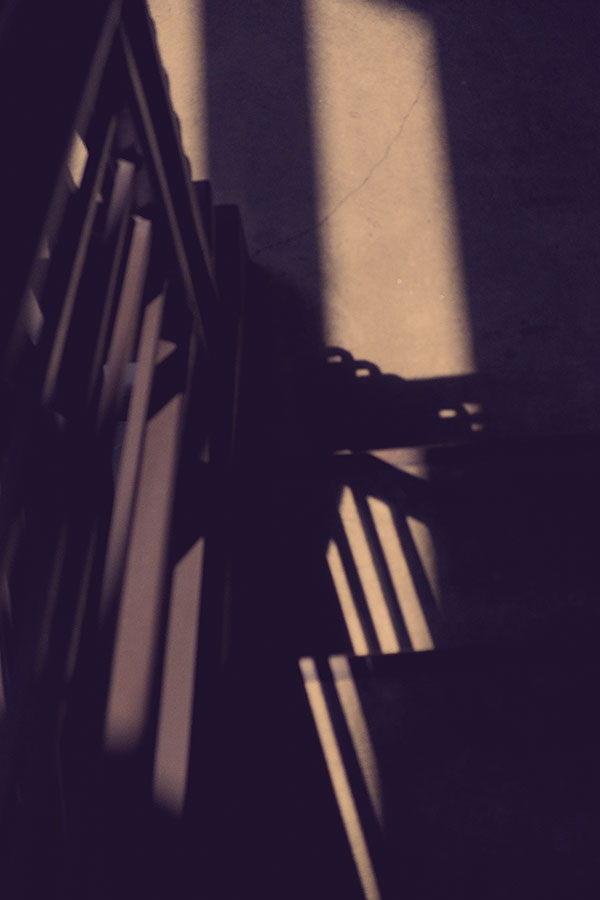
In the aging house,
crookedness of the door being straightened,
a spring-like winter day.
~Buson (Y Sawa & E Shiffert, Haiku Master Buson)

Walking on, walking on,
things wondered about — springtime,
where has it gone on too?
~Buson (Y Sawa & E Shiffert, Haiku Master Buson)

On the shortest path,
stepping through water to cross
in the summer rains.
~Buson (Y Sawa & E Shiffert, Haiku Master Buson)
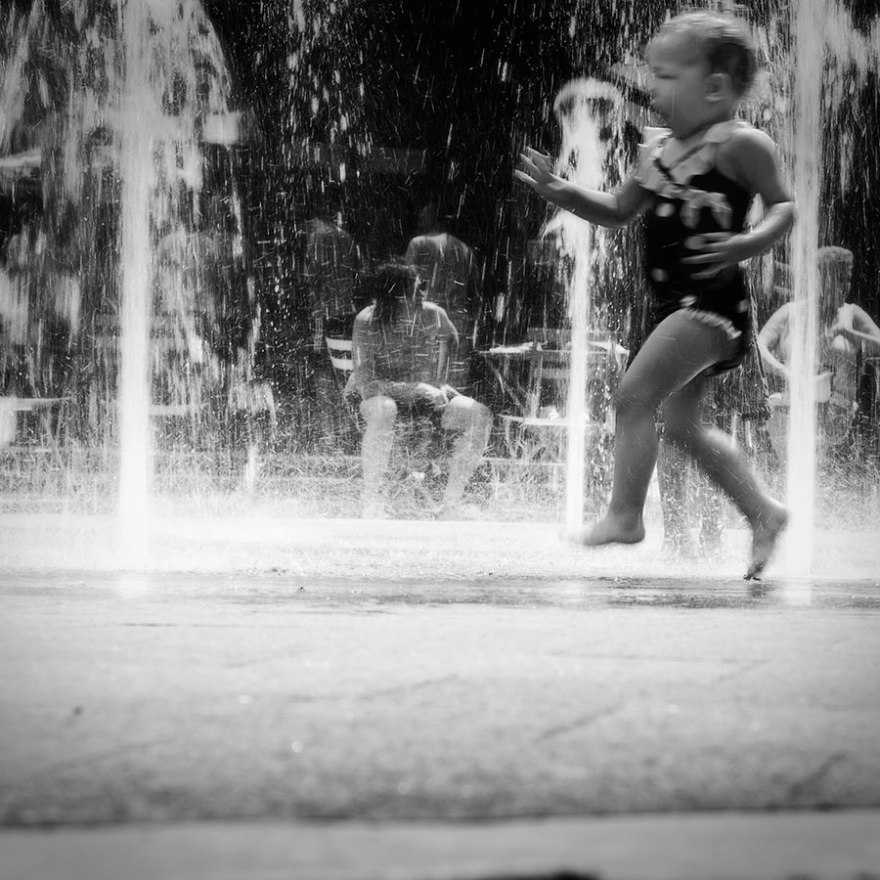
No trail to follow
where the teacher has wandered off —
the end of autumn
~Buson (Y Sawa & E Shiffert, Haiku Master Buson)

and then… Vivaldi’s Four Seasons
An artistic journey through the seasons….a lens-artist’s challenge offered by Tina.
…what we’re doing here is getting you to think…over the course of a long period of time you may see some of it very quickly, some of it in a matter of weeks, depending on how hard you work, it may be a couple of years before you start really feeling like you defining yourself as a photographer…the catalyst, which I think is really important…what we are looking for right now…is to get you to start thinking differently…
The first part of this Developing Your Personal Style series invited us as photographers to learn how to see and think–visualization. The second encouraged us to utilize the meditative process of concentration and returning to the object as a means to extend our creative endeavors by encouraging us as photographers to “exhaust all possibilities” and “to train the brain to think.”
This week Ted Forbes has offered three separate photo assignments that blend two things together…emulating an identified feeling state of experience and engaging with a subject in such a way as you create a portraiture that represents an identified feeling.
Exercise 1:
The initial photographs we create during this time “…may not be great, but the whole point is [we’ve] got [our heads] thinking and [we’re] getting [our] mind around composition and possibilities and that’s what’s really important…”
Exercise 2:Exercise 3:

image submitted in response to RyanPhotography’s mid-week monochrome – mwm – 11 challenge.
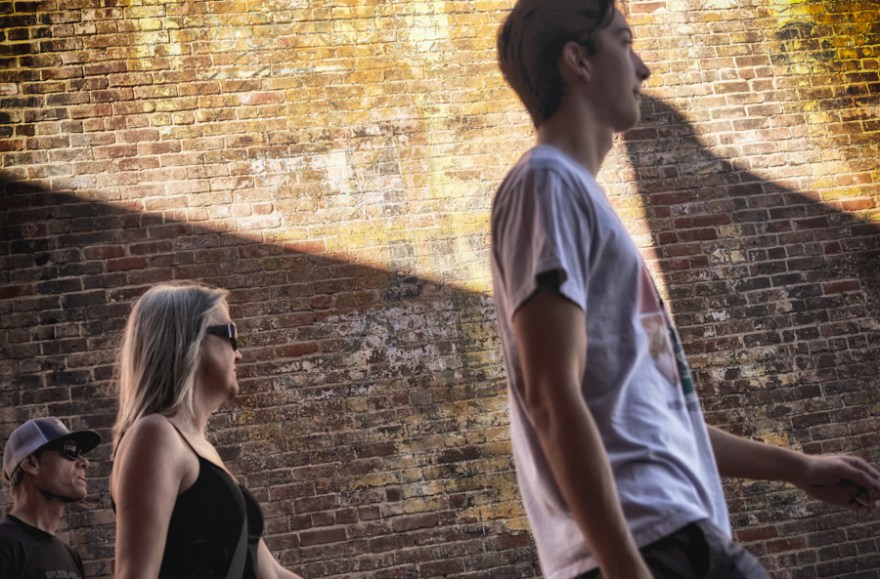
“The fact that one may misunderstand the content of a picture is of no concern to the picture, which leads its own life independent of our interpretations. For some years the writer thought that the tree in Edouard Boubat’s picture grew on the top of a hill… What he finally realized that the tree stands not against the sky but against a wall, it was a momentary shock. But the picture refused to adapt itself for the sake of the new interpretation. It remained precisely as it had been before. …A picture is what it looks like. ~J Szarkowski, Looking at Photographs
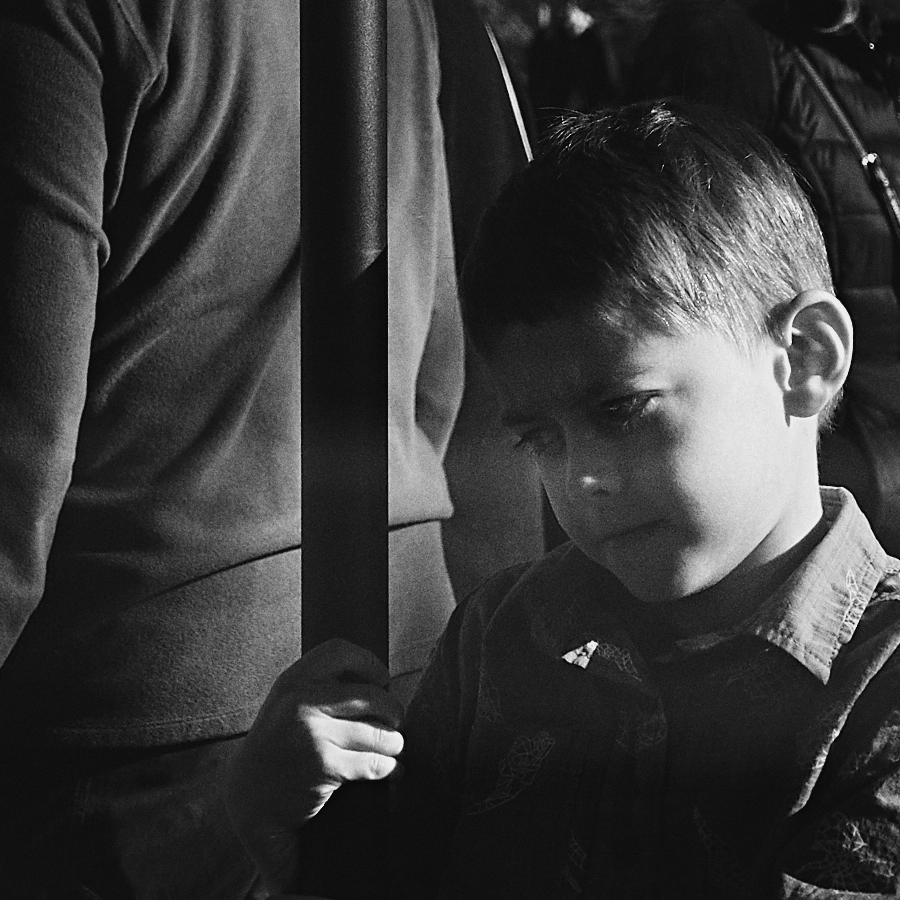
 a meditative journey
You must be logged in to post a comment.