Once upon a time
A tiny striped caterpillar
Burst from the egg
Which had been home
For so long.
"Hello world," he said.
"It sure is bright out here in the sun."
(excerpt from Trina Paulus, Hope for the Flowers)
Glazed silk, newly cut, smooth, glittering, white,
As white, as clear, even as frost and snow.
Perfectly fashioned into a fan,
Round, round, like the brilliant moon,
Treasured in my Lord's sleeve, taken out, put in—
Wave it, shake it, and a little wind flies from it.
How often I fear the Autumn Season's coming
And the fierce, cold wind which scatters the blazing heat.
Discarded, passed by, laid in a box alone;
Such a little time, and the thing of love cast off.
~Pan Chieh-Yü*
fan…Nikon D750 f5.6 1.60s 300mm 100 ISO
*cited: Trans: Florence Ayscough & Any Lowell The Project Gutenberg EBook of Fir-Flower Tablets
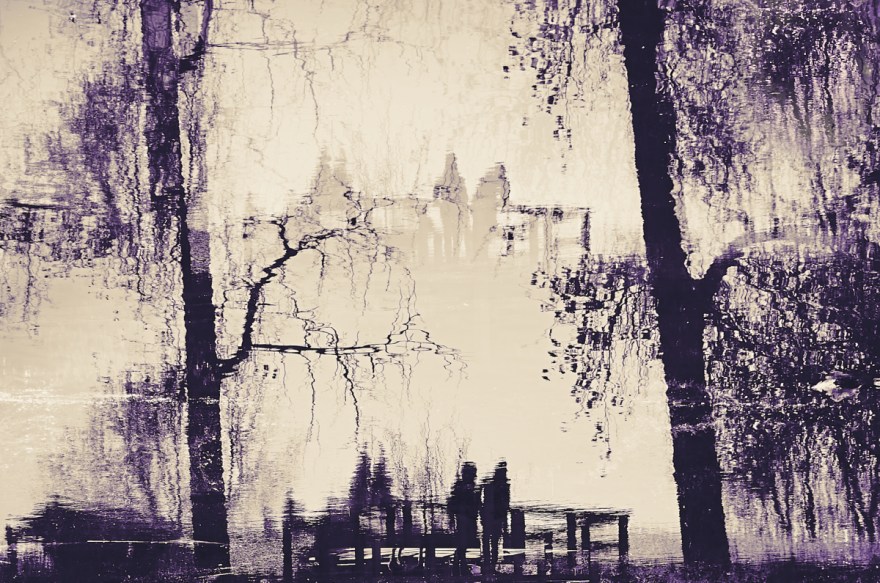
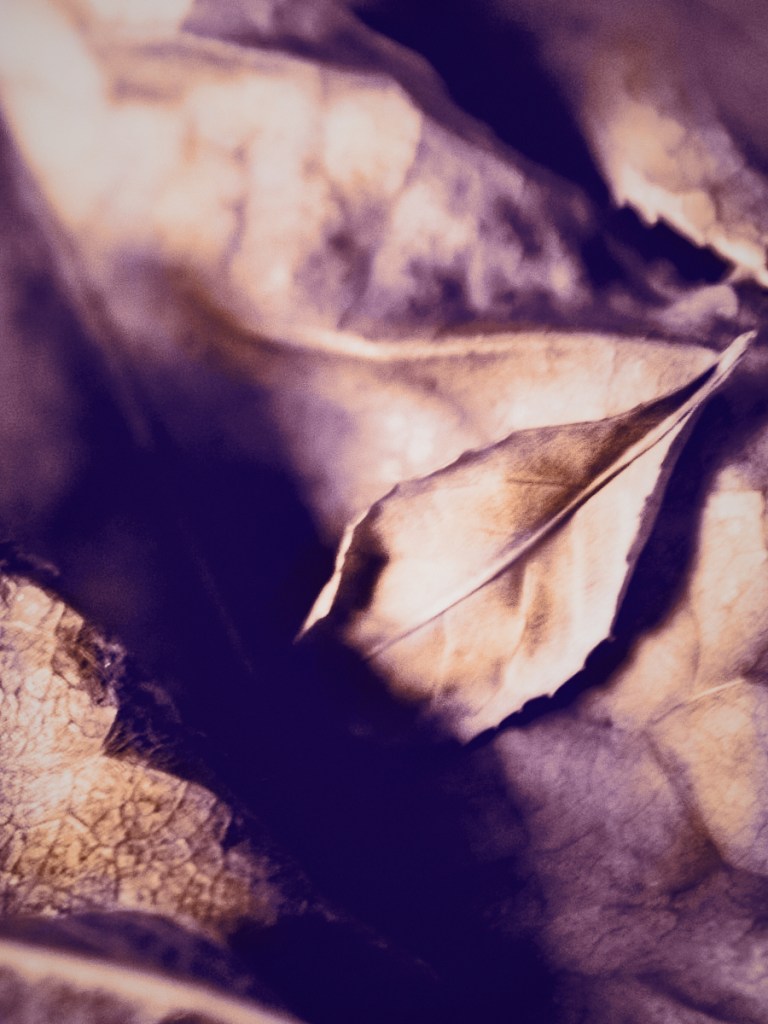
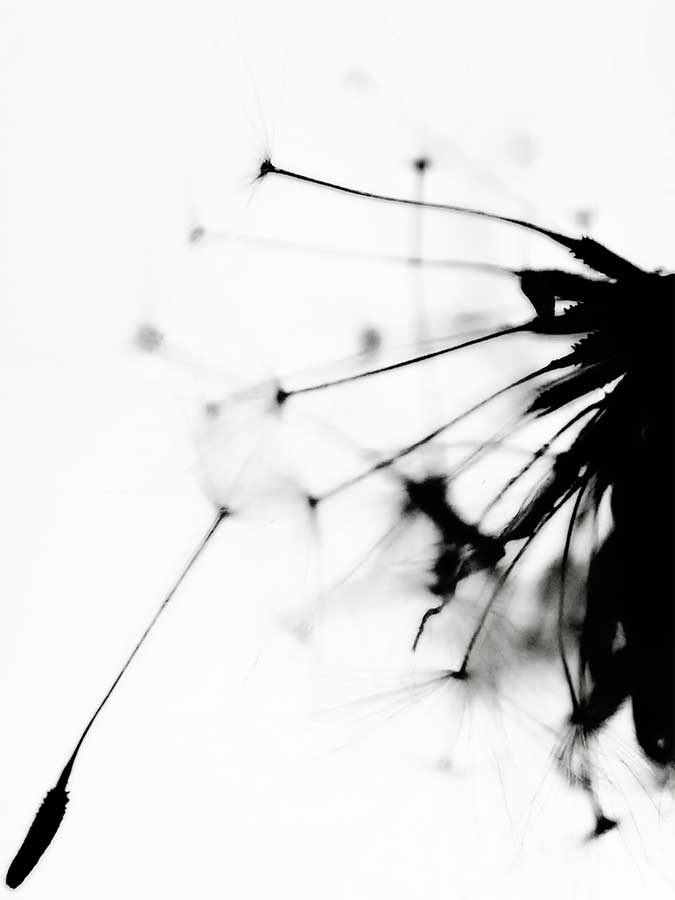
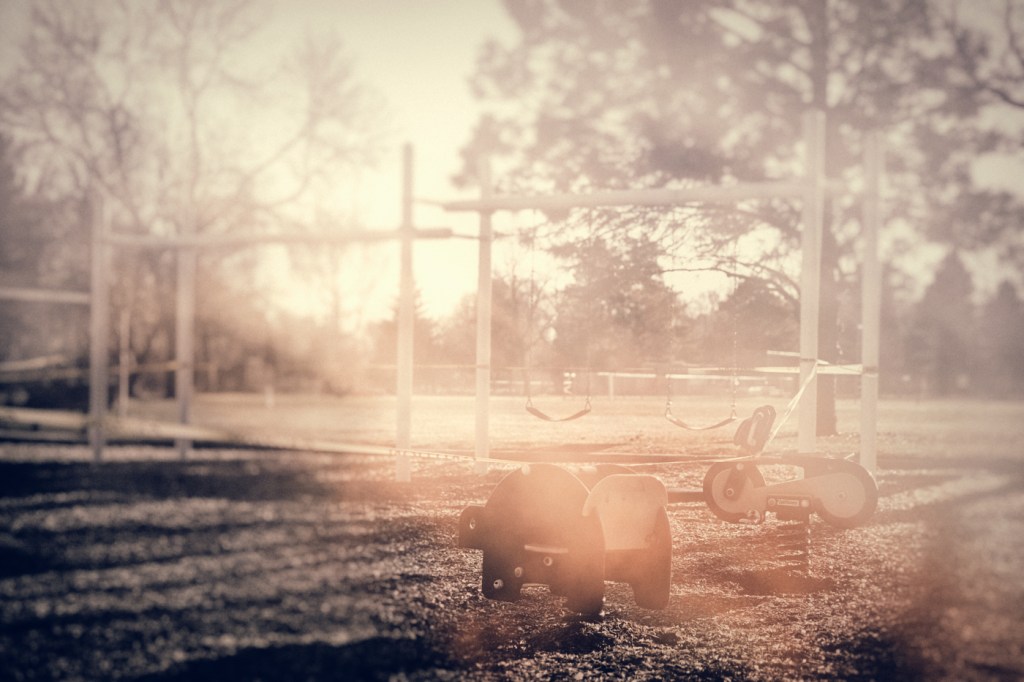
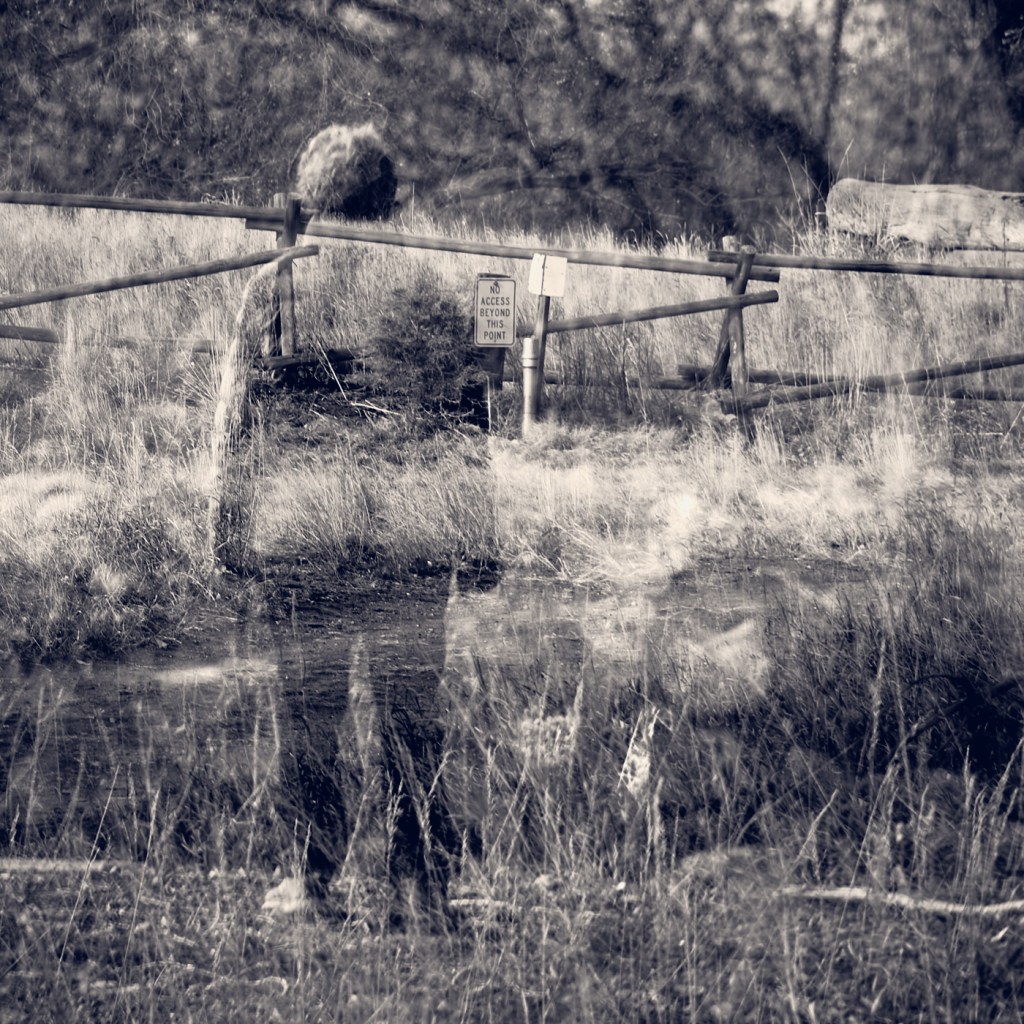
The images above were created through the use of multiple exposure, both within camera and through digital editing. This Double Exposure project was inspired by the belief that images give voice to the emotional pain of COVID across the globe. While this virus does not discriminate, the number of people who are most impacted during this time are those who live within impoverished communities—dense housing projects, reliance on public transportation, low income, limited access to medical care and sick leave, employment instability, and rates of non-communicable diseases and illness.
The phoenix that may arise from the flames of inconsolable grief is an awareness of the inequality aggregation of these social and economic disparities exacerbates the adverse effects of all humanity.
The grass does not refuse
To flourish in the spring wind;
The leaves are not angry
At falling through the autumn sky.
Who with whip or spur
Can urge the feet of Time?
The things of the world flourish and decay,
Each at its own hour. ~LiPo
Trans: Arthur Waley, The Poet Li Po II. 26. The Sun Gutenberg.org
Nikon D750 f/5.6 1/80s 150mm 100 ISO
“The old man was thin and gaunt with deep wrinkles in the back of his neck. The brown blotches of the benevolent skin cancer the sun brings from its reflections on the tropic sea were on his cheeks. The blotches ran well down the sides of his face and his hands had the deep crease scars from handling heavy fish on the cords. But none of these scars were fresh. They were as old as erosions in a fishless desert.” ~Ernest Hemingway, The Old Man and the Sea
Reading an author’s words that have traveled through time and space.
Regret that dropping sun’s dusk;Love this cold stream’s clearness.Western beams follow flowing water;Stir a ripple in wandering person’s mind.Idly sing, gazing at cloudy moon;Song done—sound of tall pines. ~Li Po*
Camping with family in the Snowies
Watching clouds drift over Cameron Peak
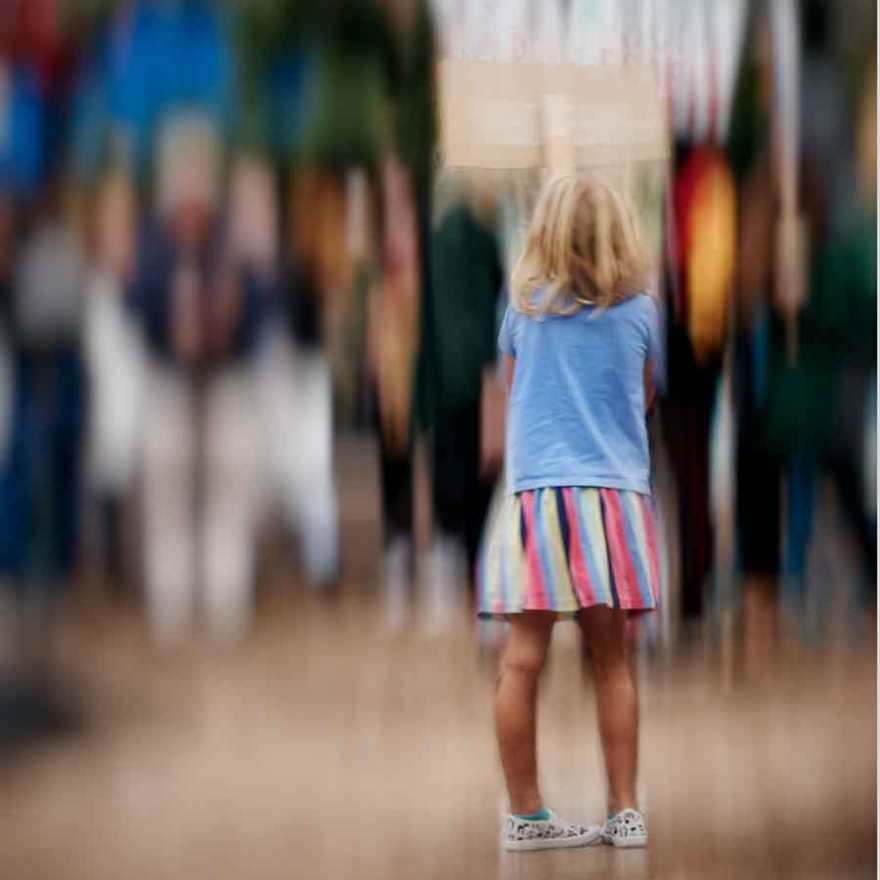
Watching children explore life through play
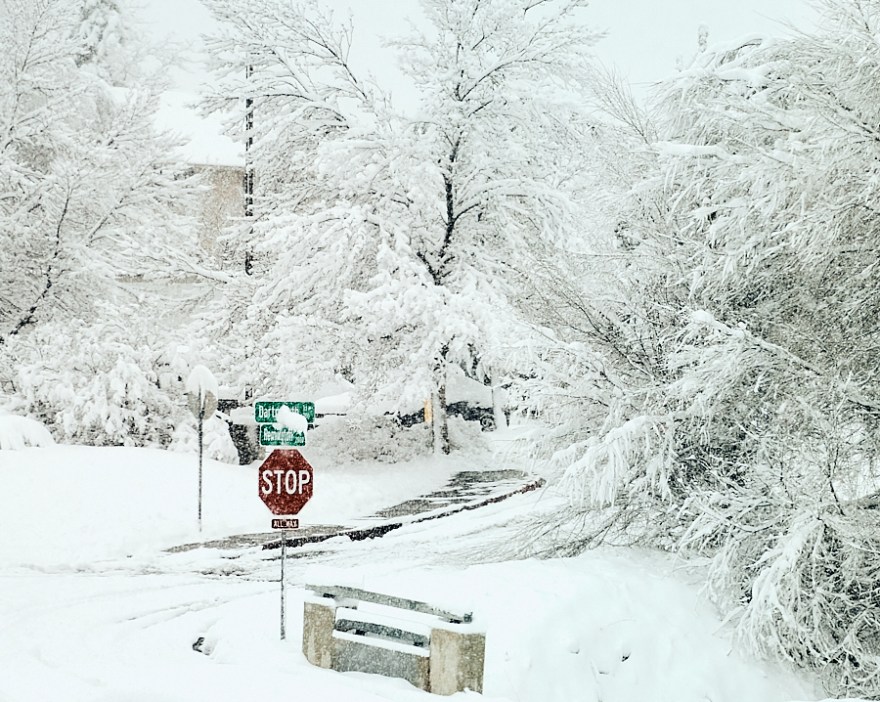
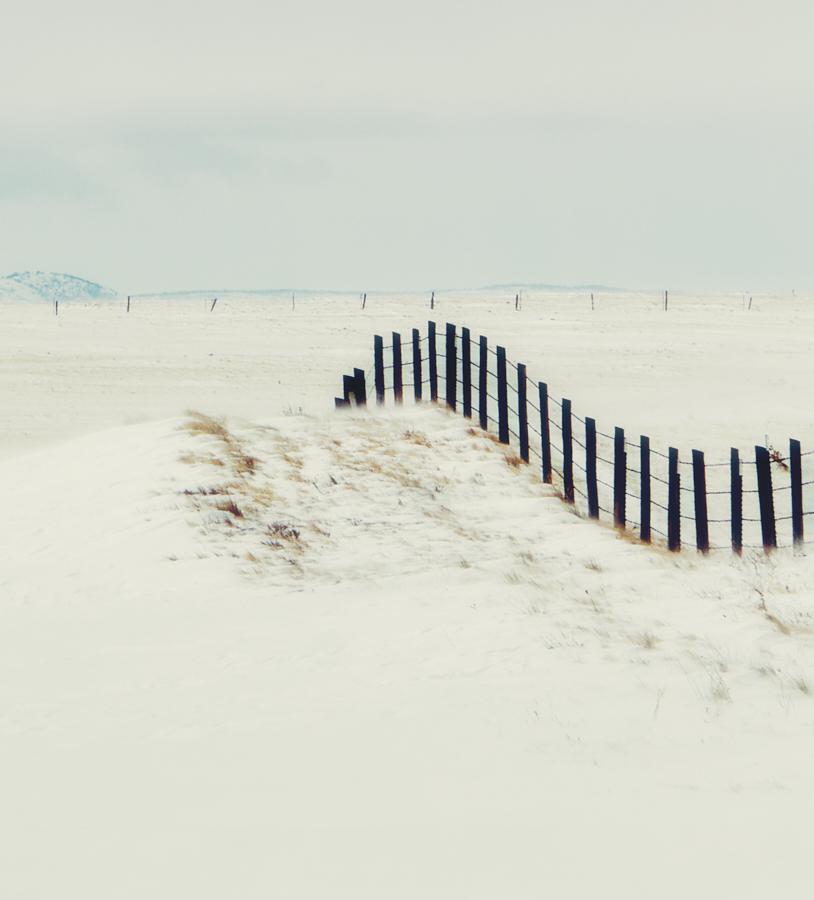
Waking to the silence of an early Spring’s snowfall
Being grateful for photographers inviting me to see the beauty of the blue and yellowish-brown colors of early spring
Driving through Wyoming on clear roadways
Seeing the smile of togetherness
Opening myself to the wisdom of words spoke by those younger than I
On and on, always on and onAway from you, parted by a life-parting. Going from one another ten thousand “li,”Each in a different corner of the World.The way between is difficult and long,Face to face how shall we meet again?The Tartar horse prefers the North wind,The bird from Yüeh nests on the Southern branch.Since we parted the time is already long,Daily my clothes hang looser round my waist.Floating clouds obscure the white sun,The wandering one has quite forgotten home.Thinking of you has made me suddenly old,The months and years swiftly draw to their close.I’ll put you out of my mind and forget for everAnd try with all my might to eat and thrive.*
*cited: Trans: Arthur Waley, Project Gutenberg A Hundred and Seventy Poems. Note: The above poem is from a series known as the Nineteen Pieces of Old Poetry. Some have been attributed to Mei Shēng (first century b.c.), and one to Fu I (first century a.d.).



















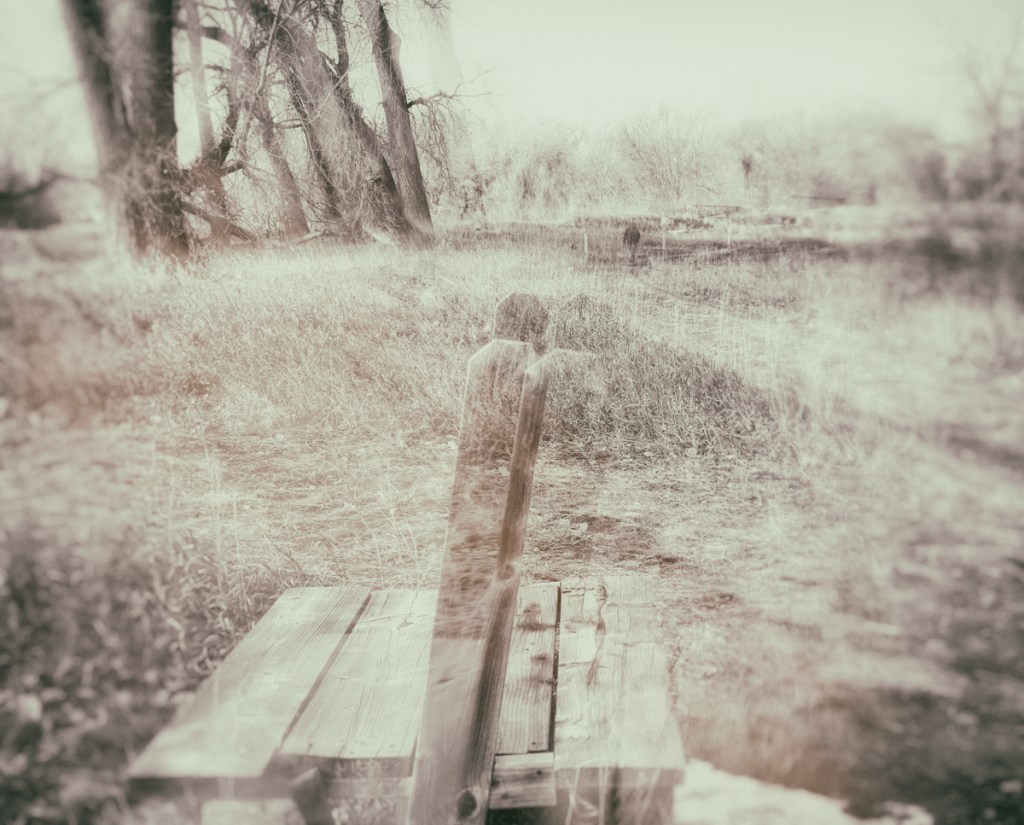
 a meditative journey
You must be logged in to post a comment.