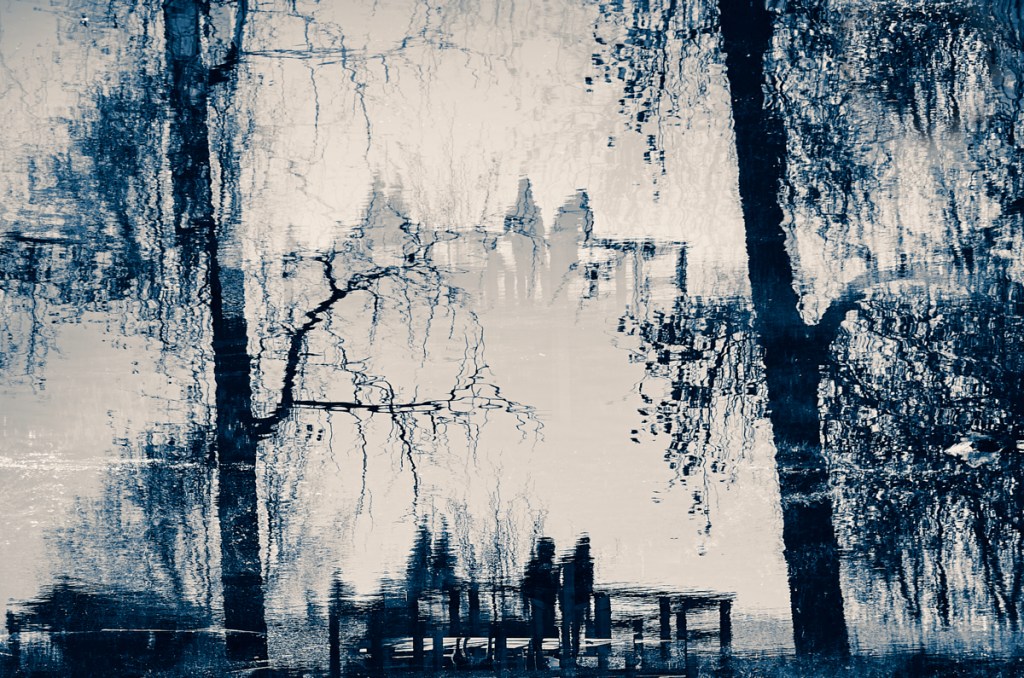
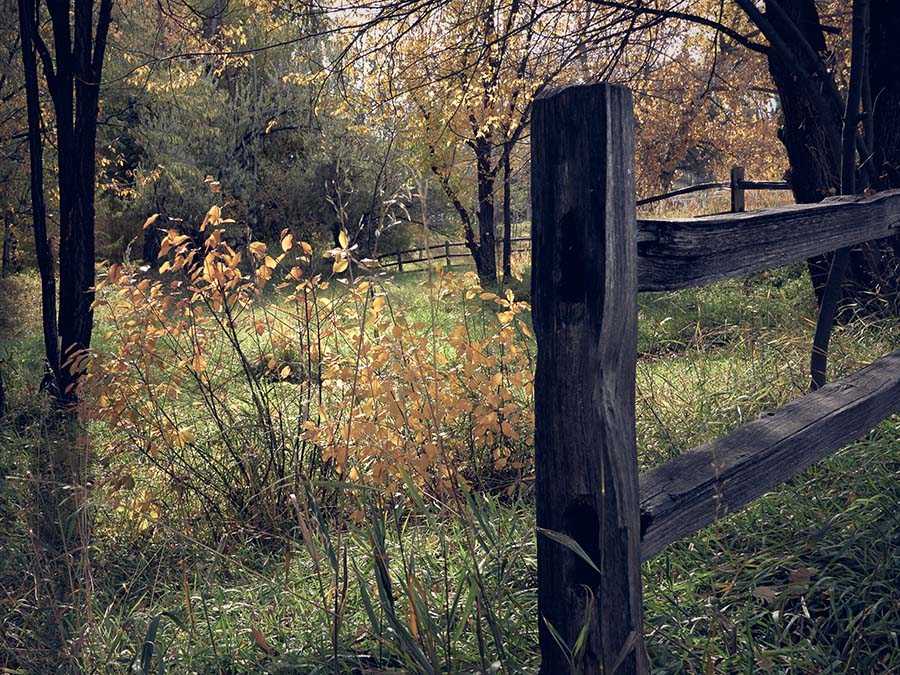
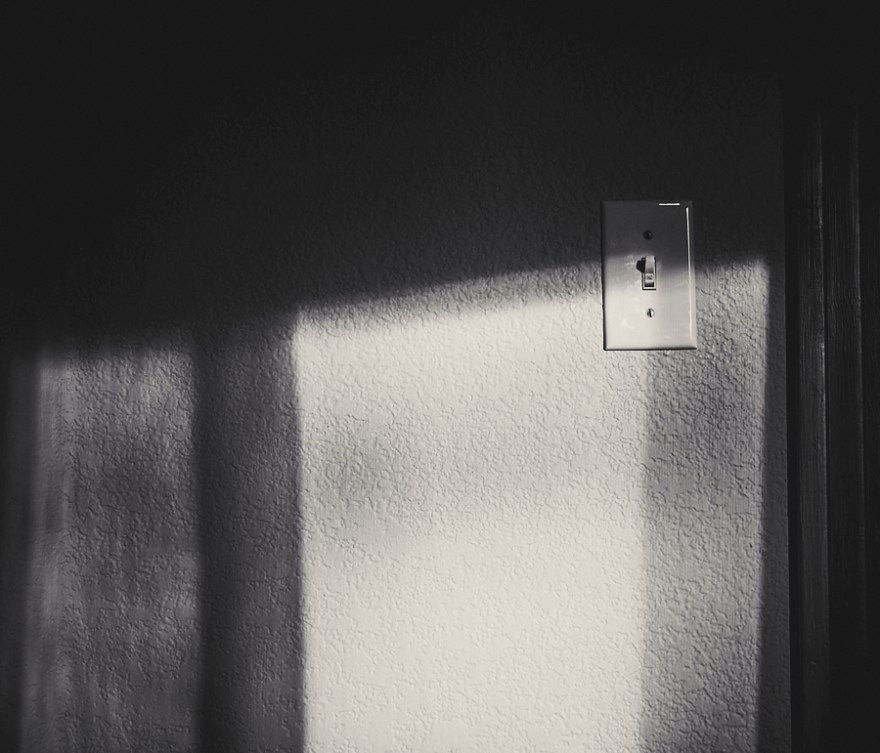
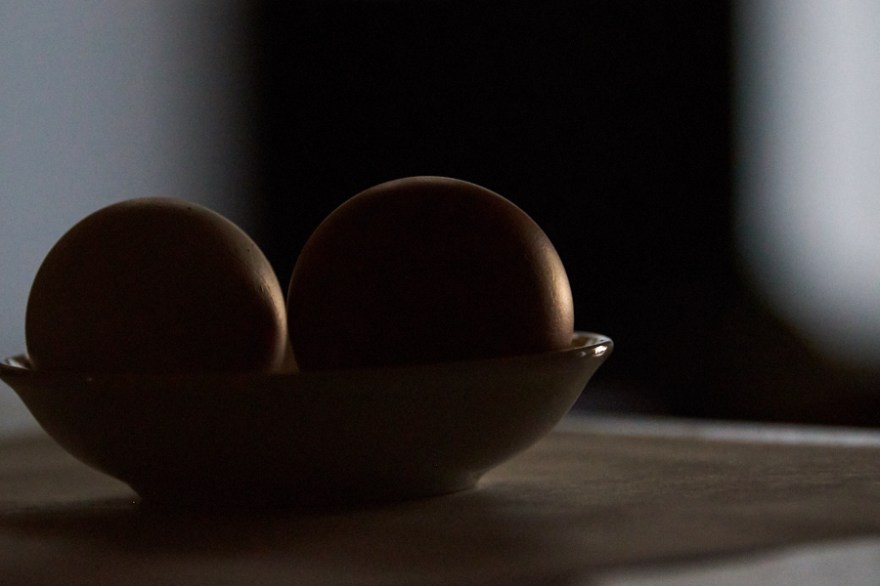
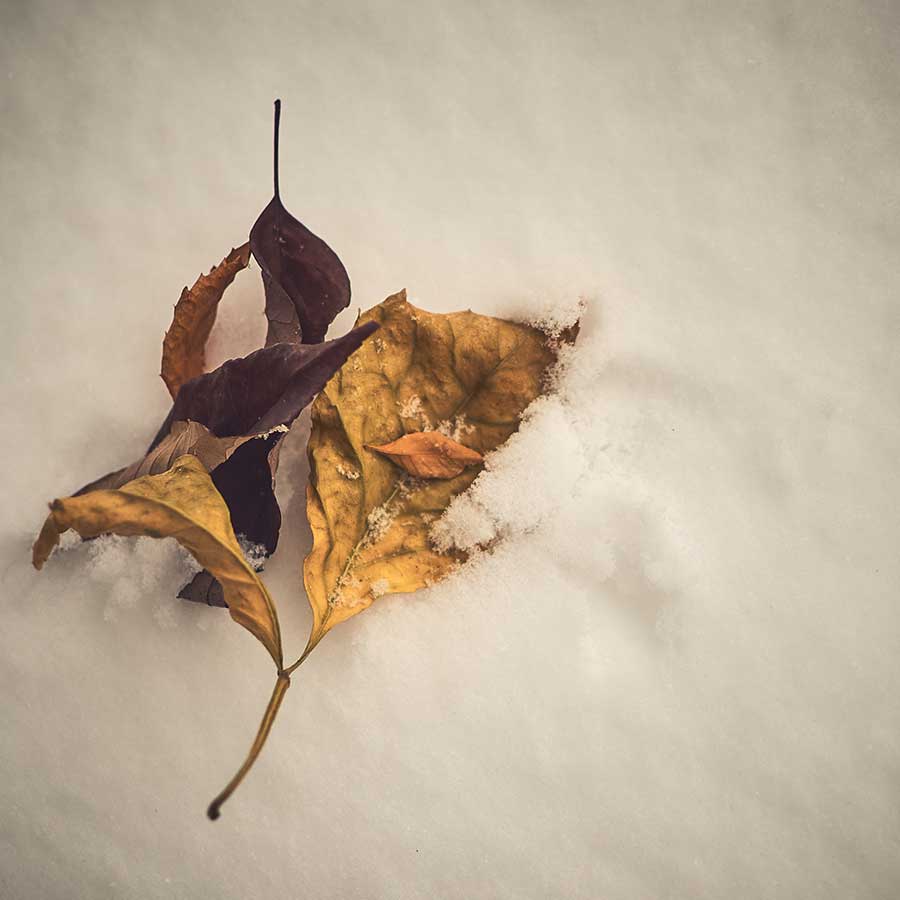
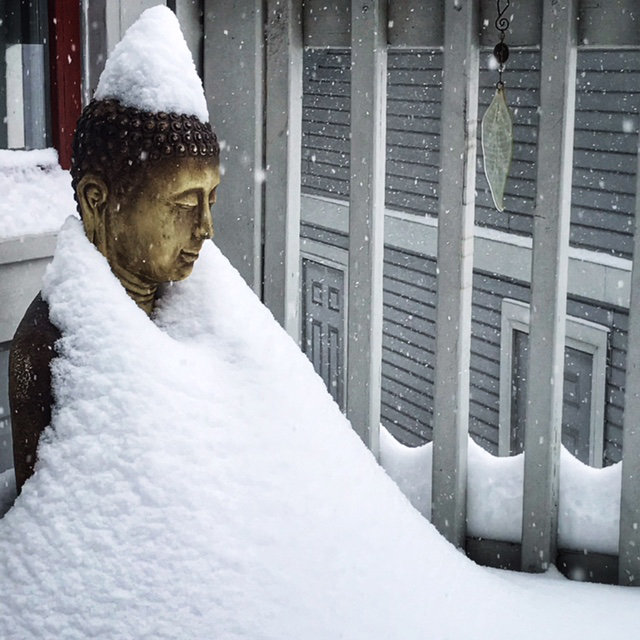
If I should live long,
Then perhaps the present days
May be dear to me,
Just as past time filled with grief
Comes quietly back in thought.
~Fujiwara no Kiyosuke

Initially posted on October 9, 2017
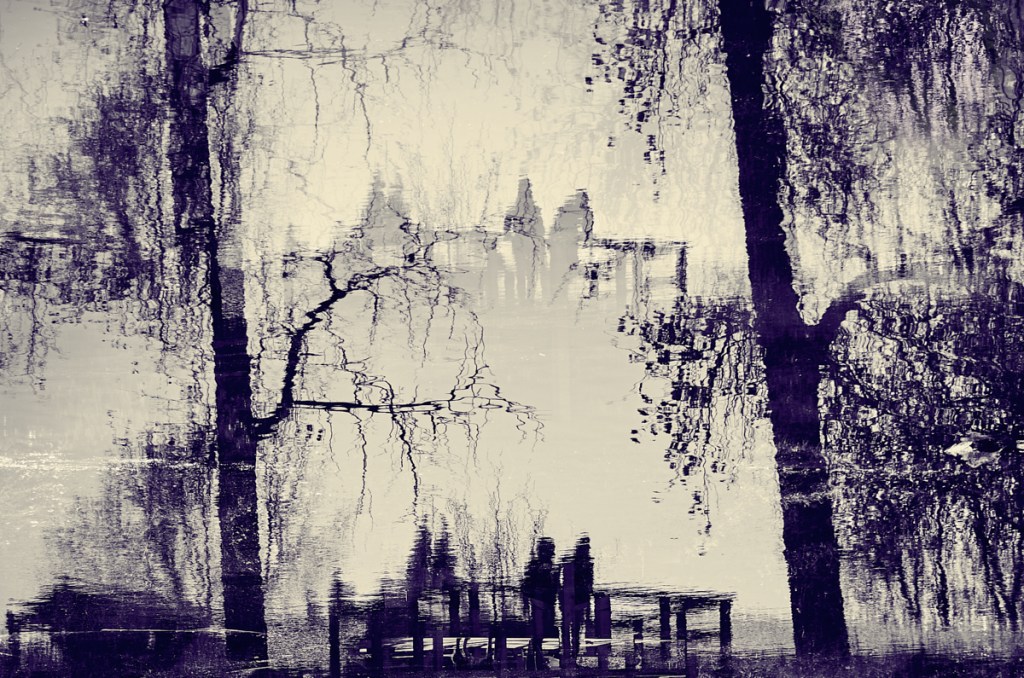
If I should live long,
Then perhaps the present days
May be dear to me,
Just as past time filled with grief
Comes quietly back in thought.
~Fujiwara no Kiyosuke

Initially posted on October 9, 2017
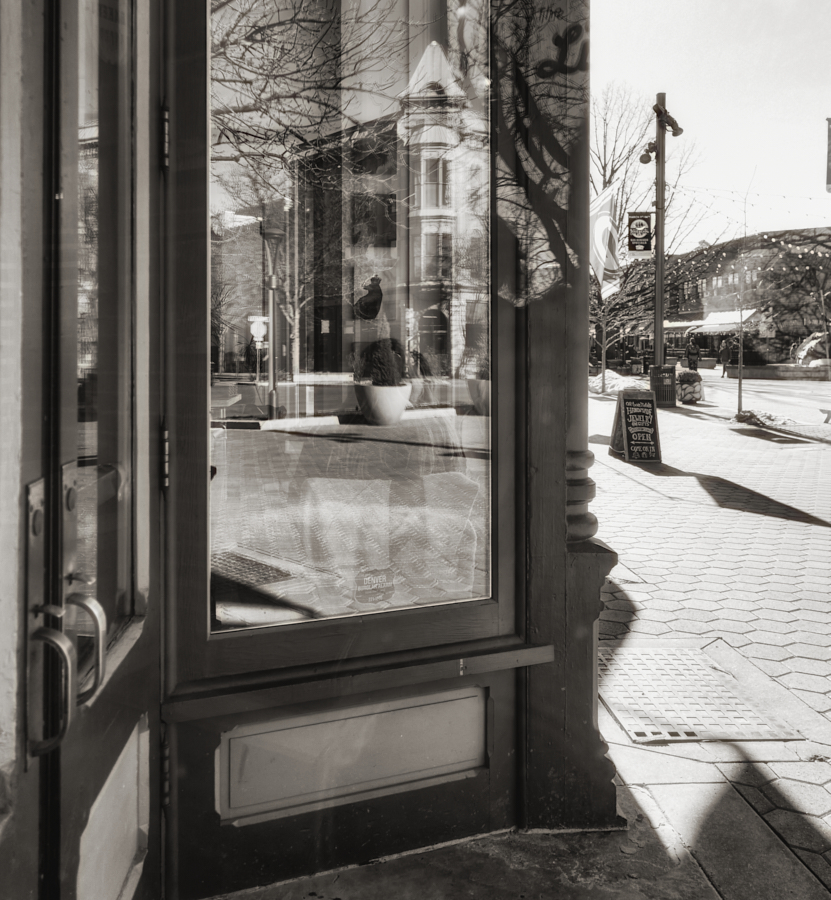
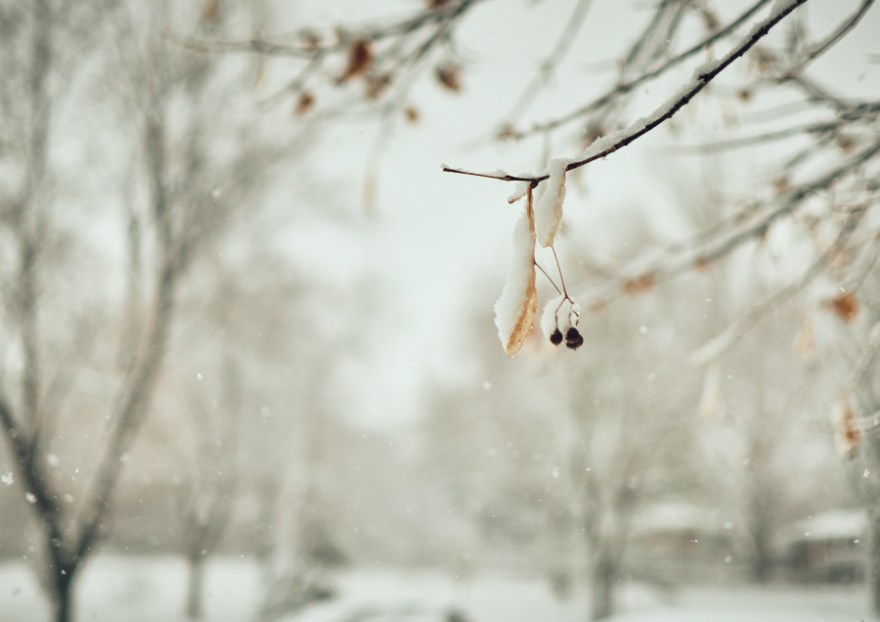
dew-laden,
it falls without wind–
a single leaf.
~Gyojo*
to view additional images submitted for Pete Rosos’ challenge or “to dig a new creative well and have fun while doing it” visit The Daily Post.
*cited:
Haiku before Haiku
Steven Carter
Initially posted in October, 2014
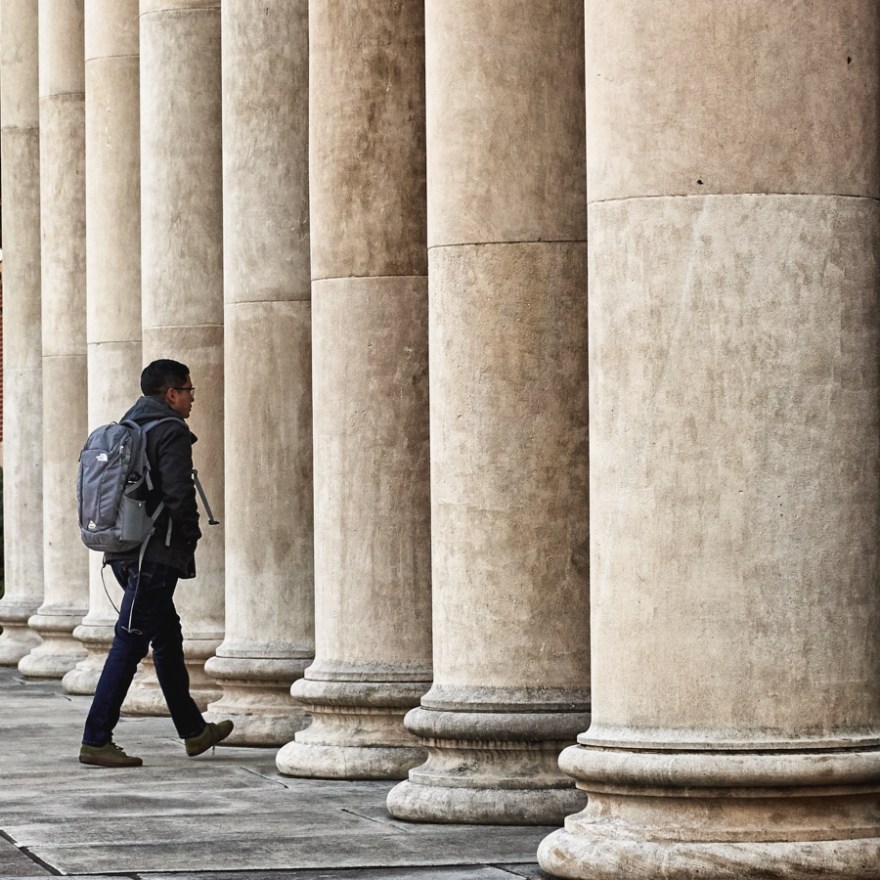
to the man walking
“Look behind you!”
windblown butterfly ~ Issa (cited: www.haikuguy.com)

Spring has its hundred flowers,
Autumn its moon,
Summer has its cooling breezes,
Winter its snow.
If you allow no idle concerns
To weight on your heart,
Your whole life will be one
Perennial good season. ~The Golden Age of Zen

Though days pass
And others may forget
I can never lose the thought
That meeting in the evening
Of an Autumn day. ~The Dairy of Izumi Shikibu (cited: Diaries of Court Ladies of Old Japan)

Hop on over to Amy’s (The World is a Book) to join this week’s photo challenge: photo walk
it stirs the soul
of even
the most
indifferent person —
first autumn winds.
~Saigyō

This week Patti introduces various types of symmetry that create images that are powerful and dramatic: vertical, centered, mirrored, horizontal, and radial.
Radial symmetry is all about circles. It is often seen within flower images as petals fan out from a center circle. Other examples are spokes on a wheel, or ripples of water making concentric circles.
While I have studied various types of symmetry over the years, radial symmetry is one type of compositional element that is new to me. Consequently I decided to open my eyes to various ways to compose symmetry through the use of circles.


Hope you enjoyed these images. Be safe. Be well.
With the perspective of personal responsibility to lessen resource and emotional stress upon the medical profession, to protect those I love as well as those unknown to me, and to lessen the burden upon those whose actions ensure continuation of my basic needs, I have chosen to comply with the state’s “Stay-at-Home and Safer at Home” orders.
Six months ago, one well-being behavior was to engage in early morning mediative walks; yet, as the days have flowed into each other there has been a lessening of motivation to engage in any “masked” walks as my attention has been drawn towards managing the anxiety that arises with an awareness that only a few cyclist, walkers, and runners choose to wear masks and it seems as though any attempt to engage in social distancing is a one personal endeavor.
This morning as I pondered how to connect the many sources of inspiration with images, I found that Tina’s (Travels and Trifles) Lens Artist challenge: inspiration inspired me to gather up the courage to pick up my camera and walk…Thank you Tina.

Over the years, haiku has been an inspiration:
Walking along
My shadow beside me
Watching the moon. ~Sodō
(Jonathan Clements, The Moon in the Pines)

The words of Thich Nhat Hanh inspire me as I become aware of my in-breath and out-breath and the suffering that may arise from actions, speech, and thoughts.
When conditions are sufficient, a cloud transforms into rain, snow, or hail. The cloud has never been born and will never die. The insight of signlessness and interbeing helps us recognize that all lives continue in different forms. Nothing is created, nothing is destroyed, everything is in transformation ~Thich Nhat Hanh

Nature inspires me to embrace impermanence and eases my anxiety through her amazing beauty.

Photography inspires me to open my eyes to the wondrous gifts life offers within each moment.

Photography, in a nut shell, is lines, shapes, colors, and feelings
In photography negative space is perhaps the most important element as it embraces the subject within your image — the element of interest — helping it stand out and inviting the viewer’s attention. It is the aspect within a photograph that generally doesn’t attract much attention. It is sometimes referred to as white space and has the potential to change what appears to be an average subject into an outstanding image.
The simplest example of positive and negative are the words in this blog. These words draw your attention while the background doesn’t. The words are positive space, and the white background is negative space


Negative space awakens feelings of peace, calm, quiet, loneliness, isolation. It is less about the subject within a photograph and more about awakening a feeling in the viewer.
Negative space can create a sense of lightness, airiness…it can strengthen the positive emotions in a photography, emphasize the feelings of your subject, conveying whatever story you as a photographer wishes to evoke in your viewer.


Negative space provides “breathing room” giving the viewer’s eyes a place to rest and preventing an image from appearing too cluttered…creating a more engaging composition.
Negative space, in the world of photography, may be more important especially if the photographer tends towards creating images that are simple; yet effective. Michael Kenna, Bruce Percy, and Masao Yamamoto are three artists known for their minimalistic images.


This week’s lens artists’ host is Amy (The World is a Book). Hop on over and join in the fun.
In all things, the Way does not want to be obstructed, for if there is obstruction, there is choking; if the choking does not cease, there is disorder, and disorder harms the life of all creatures ~Chuang-Tzu*
When I chisel a wheel, if the blows of the mallet are too gentle, the chisel slides and won’t take hold. But if they’re too hard, it bites in and won’t budge. Not too gentle, not too hard–you can get it in your hand and feel it in your mind. You can’t put it into words, and yet, there’s a knack to it somehow. I can’t teach it to my son, and he can’t learn it from me. ~Wheelwright P’ien*
*cited in:
Tao of Photography Seeing Beyond Seeing
Philippe L. Gross & S.I. Shapiro
initially posted on September 21, 2013
Hum…let’s go with:
Estival, relating to or typical of summer
How cool it is!
In summer, beneath trees
as if in flower.
~Takayama Sōzei (cited: SD Carter, Haiku Before Haiku)


The four calendar-based seasons (with their adjectives) are generally recognized: “spring” (“vernal”), “summer” (“estival“), “autumn” (“autumnal”) and “winter” (“hibernal”)
cited: dictionary.cambridge.org
Paula is back! This Thursday’s Pick a Word challenge: estival, cuisine, rift, instructive, span.
You must be logged in to post a comment.