a photo study: contemplative photography II

Beyond the clouds
My gaze goes on and on;
The endless sea:
What lies beyond is unknown
As my gloomy thoughts…

~Lord Suetsune (cited: http://www.wakapoetry.net)
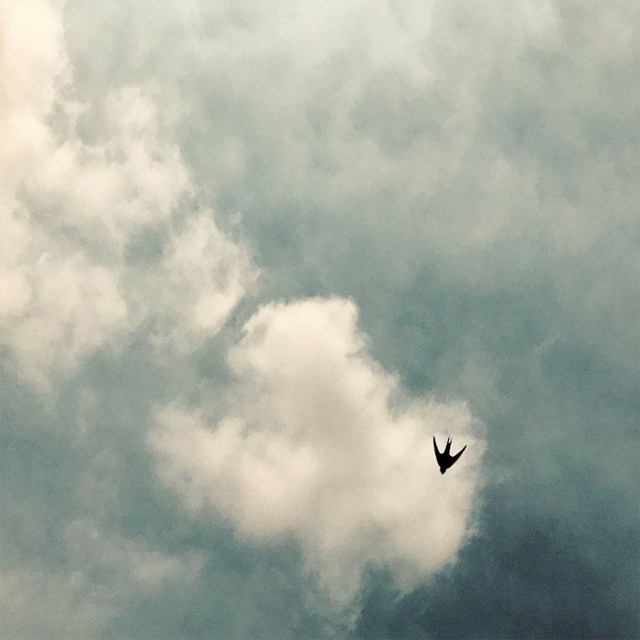
solitarybirdweb

sparrow…    Apple iPad   f/1.8  1/12000s   20 ISO

This week’s photo study was inspired by Howard Zehr, (Contemplative Photography seeing with wonder, respect, and humility).  He invites us to consider,

“… how we might use the medium of photography to stimulate our imaginations, to develop our intuitive and aesthetic sensibilities, to gain new insights. …to stop and look and be refreshed. In order to do this, [he] asks us to ‘re-image’ how we envision and carry out photography.

“Rarely do we spend enough time with an image to ‘mine’ all of its visual, emotional, and spiritual potential. Rarely are we aware of its impact on the emotional as well as the intellectual level. Too often our tendencies to judge and evaluate get in the way of appreciating what we see.”

Photo Assignment:
Discipline yourself to make at least one photograph each day.
Once a week, spend at least 10 minutes with one of the photographs.
As you do, consider three topics in this order:
I see — describe each object, each detail, the light, etc., Then associate: what are you reminded of by the shapes, juxtapositions, etc.
I feel — What do you feel as you look at the image?
I think — Interpret and analyze.
Keep a journal about this and any insights you gain.

“The practice of contemplative photography does not end when you finish shooting… The first thing you should do after [photographing] is spend some time with each of your images.  Try to see which ones work and which do not. Don’t be in a hurry to delete the ones you don’t like, but try to learn from them. See if you can remember what was going on in your state of mind when you [pressed the shutter].”  ~ A Karr & M Wood (The Practice of Contemplative Photography)

I am looking forward to seeing your image that was inspired by Howard Zehr’s photo assignment.  Let’s tag with #aphotostudy.
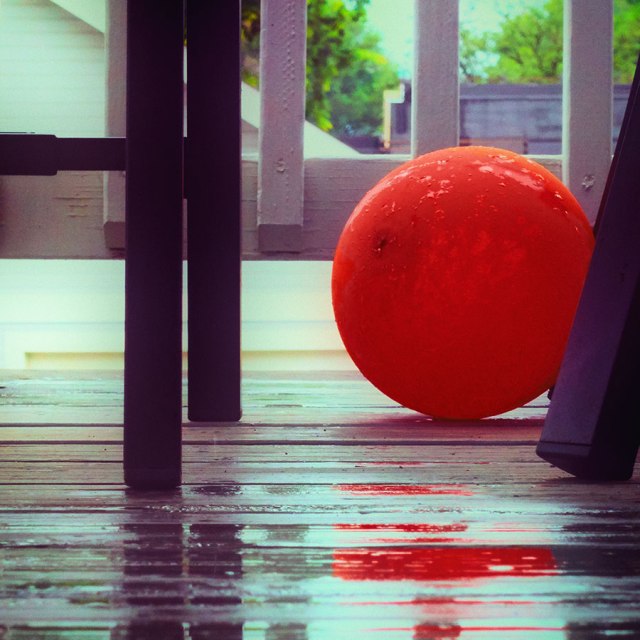
Toy Store

“We must look deeply to identify the real suffering of our times and to understand how it has come to be. Our modern way of living brings tension, stress and pain to our body; we are exposed to anger, violence, and fear; we live with the threat of terrorism, the destruction of the ecosystem, war and famine, climate change, the economic crisis, recession, poverty, social injustice, broken families and divorce, and so much more.

toystorecolor72718web

Toy Store…  Nikon D750   f/1.8  1/25s  35m   100 ISO

How are we living? How are we consuming? What violence, fear, and anger are we ingesting every day through the media around us? How is our lifestyle polluting the environment and creating a toxic level atmosphere for our bodies and our minds, for our families and for future generations?  If we can call the suffering, the real ill-being of our times, by its true names and if we an see how it has come to be, we will know exactly what kind of medicine, what kind of healing we need in order to deal with it. The truth of ill-being will reveal the end of ill-being.” ~Thich Nhat Hanh (The Other Shore)

a photo study: story photography

A series of photographs has the ability to convey a story through the inclusion of emotion, mood, ideas, and visual narrative.

Five basic elements of story photography are:

  1. Mood can be created by experimenting with blurring the background and ensuring the background has a relationship with the main subject(s).
  2. Illustrate an idea through abstraction, symbolism, or a close up of a particular detail.
  3. Emotions are conveyed through facial expressions or body language.
  4. Narrative begin with an established photograph of what occurs before the story begins.
  5. Message is created through an object, location, colors, style or a combination that leaves clues that encourages the viewer to formulate ideas.

The introduction – an image that identifies the important characters while giving information about the context of the story and introducing the theme.  The first image should also be compelling and invite curiosity so that your viewer is drawn into the story.

horsetooth-13story

the gaze

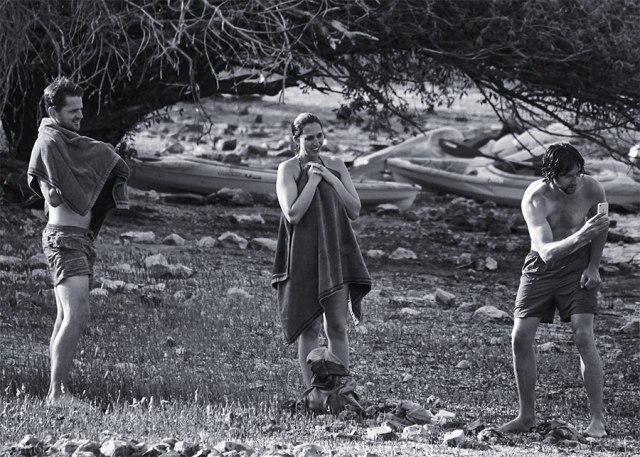
The Plot – introduces ideas, feelings, experiences while exploring themes. Do not forget to  follow the “rule of thirds” as this will definitely isolate and immediately draw the viewer’s attention to your subject.

swimmerswebstory

elsewhere

Varying characters’ perspective – photograph closer to your subject(s) or further away. Photograph from multiple angles to find which angle best communicates your story.

horsetooth-9story

watching

Stages – show images taken at different times/stages of the photo session.  Explore which subject needs to be included or excluded in an image.

horsetoothstoryweb

connecting

horsetoothstoryweb2

looking away

Focus on detail – you can also tell a story by paying attention to detail.  When photographing outdoors, make sure the sun is behind you or off to the side.

horsetooth-10photostory

disconnected

horsetoothstory4web

exclusion

Photo editing – ensure there is variety among the images to create interest while at the same time link them together by processing them in a similar manner (black and white, lightening).

horsetooth-storyweb3

distancing

If you chose to caption your photos be sure to take note of what the subject(s) are doing without giving it away.  Cations should be short, clear, and simple.

Projects such as story telling, variations, and photo series are excellent learning experiences because they help explore creativity, encourage you to compare your work with earlier photographs and allow you to see how your ideas and techniques evolve over time.

I love a great story…do you have one to share?  Let’s tag with #aphotostudy.