lens-artists: this made me smile

An authentic smile … arouses an authentic feeling of freshness, and I think the smile belongs only to human beings.~ Dalai Lama

If we want those smiles, we must create the reasons that make them appear. ~ Dalai Lama

I love smiles, and my wish is to see more smiles, real smiles …~ Dalai Lama

Leya has invited bloggers to “share something that made us smile, made You smile – and make the world smile with us! Old or new smiles, big or small, we welcome them all!”

A smile awakens a smile. A frown returns a frown.

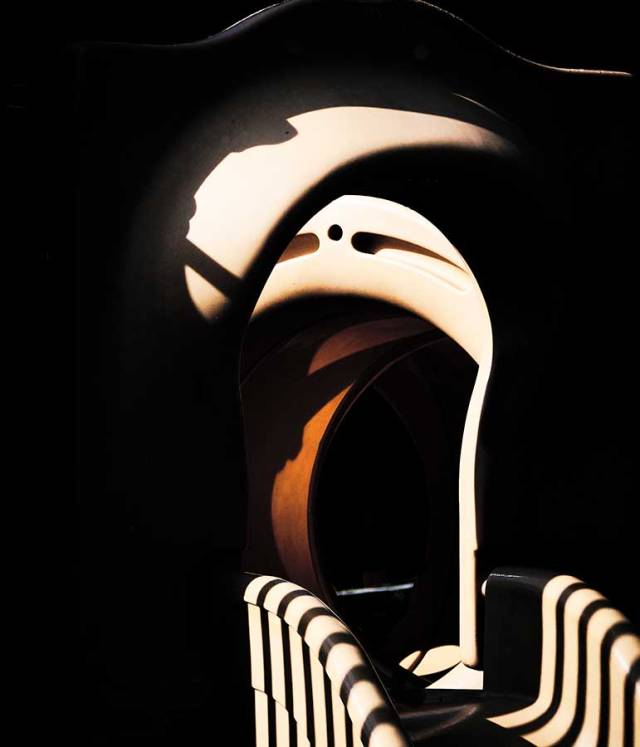
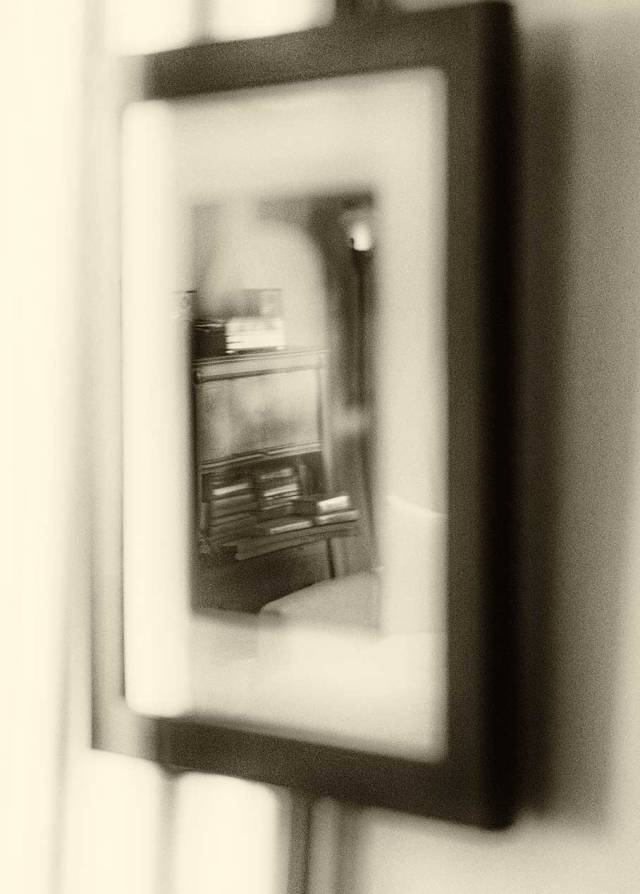
lens-artists: details

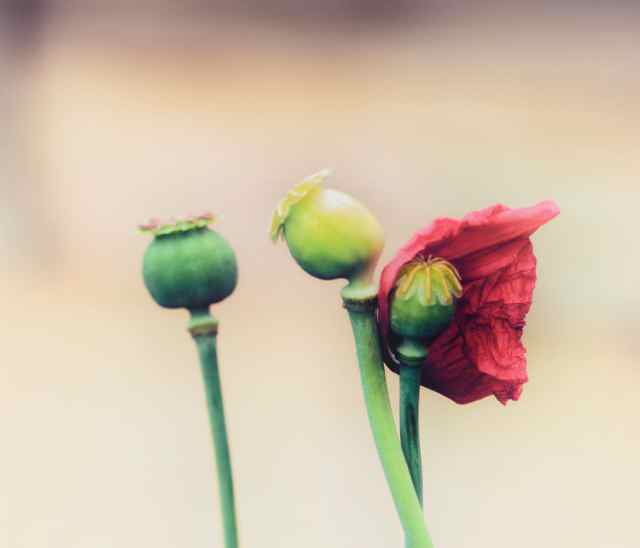
One Red Spot

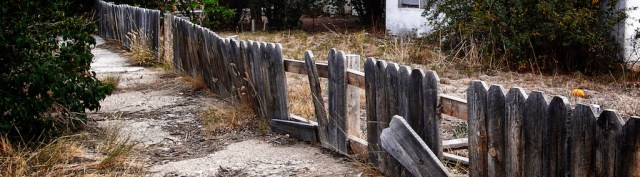
Within today’s Ted Forbes newsletter he introduces a Japanese aesthetic concept: Koh-ltten, which loosely translates to “one red spot.”

One of the techniques Ted’s dad used to balance his landscape composition is to place a dot of color into a negative space. He wrote that it’s almost like a small light, a point of visual interest.

The “red spot” works as a balancing contrast in two ways: color and scale. Its presence is unexpected, but it often functions to anchor the composition. It can be subtle, only noticeable when you’re really analyzing the work. It doesn’t have to be red, and it not restrained to a”dot” or “spot.” The overarching idea is to provide the viewer with a visual anchor – it serves as a point of contrast to the rest of the picture.

In the Japanese aseptic the emphasis is on subtle contrast, A “spot” a moment, a detail of interest or beauty. It doesn’t stand out too much. Think of it as “quiet.” Beauty is contrast displayed with humility.

In closing, I apologize to Patty (pilotfishblog.com) for taking another pathway to illustrate detail within photographs as I was so engaged with Ted Forbes discussion of the Japanese aesthetic concept: Koh-ltten I had an overwhelming desire to explore and share this quiet detail.

Thank you Ted for your willingness to share your journey and in this sharing teach me so much about photography.

li qingzhao

The lotus has wilted, only a faint perfume remains;

On the bamboo mat there’s a touch of autumn chill.

Softly I take off my silk dress

And step on board my orchid skiff alone.

Who is sending me the letter of brocade

From beyond the clouds?

When the wild geese return**

The moon will be flooding the West Chamber.

Flowers fall and drift away,

Water glides on,

After their nature.

Our yearning is the sort

Both sides far apart endure–

A melancholy feeling there there’s no resisting.

As soon as it leaves the eyebrows

It surges up in the breast*.

*cited: Ci-pomes of Li Qingzhao: A New English Translation, Sino-platonic Papers. No 13, October, 1989

**Wild geese were thought to be bearers of letters, especially love messages, because of their regular migrations from north to south and vice versa.

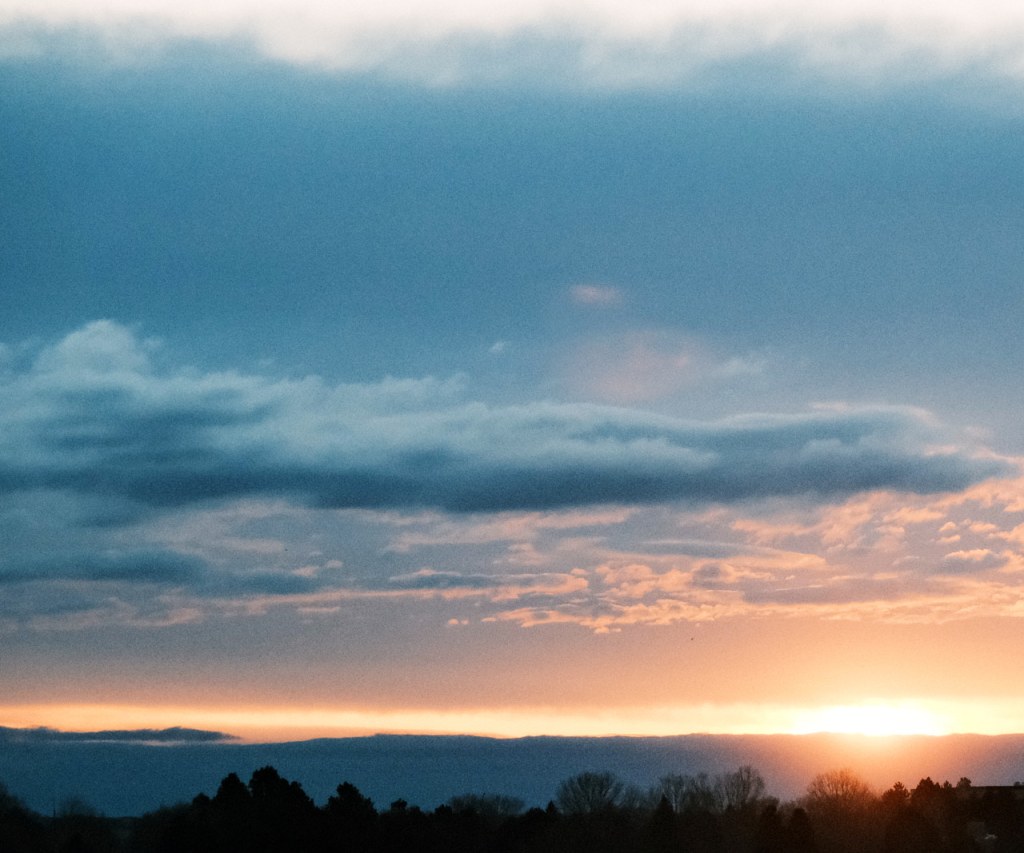
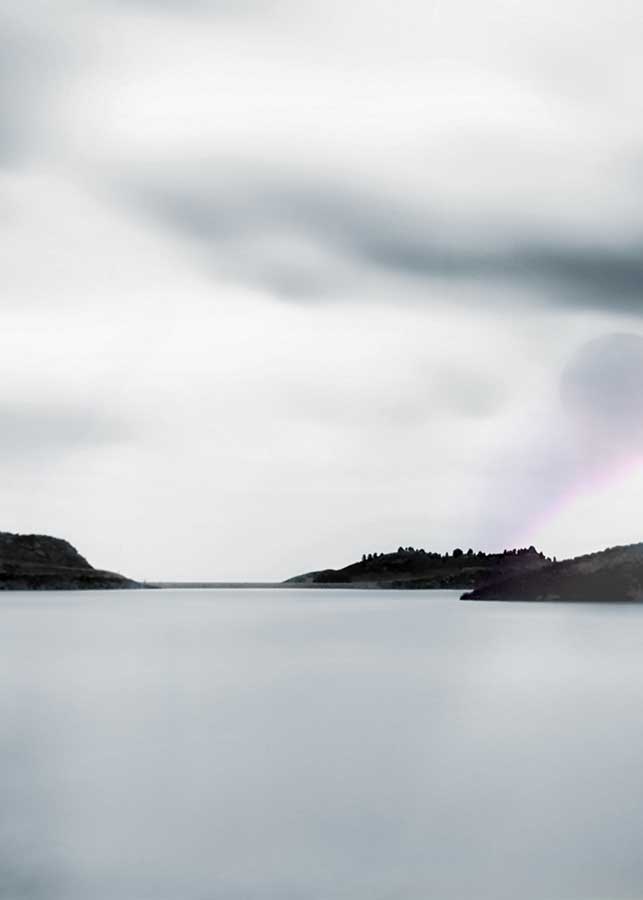
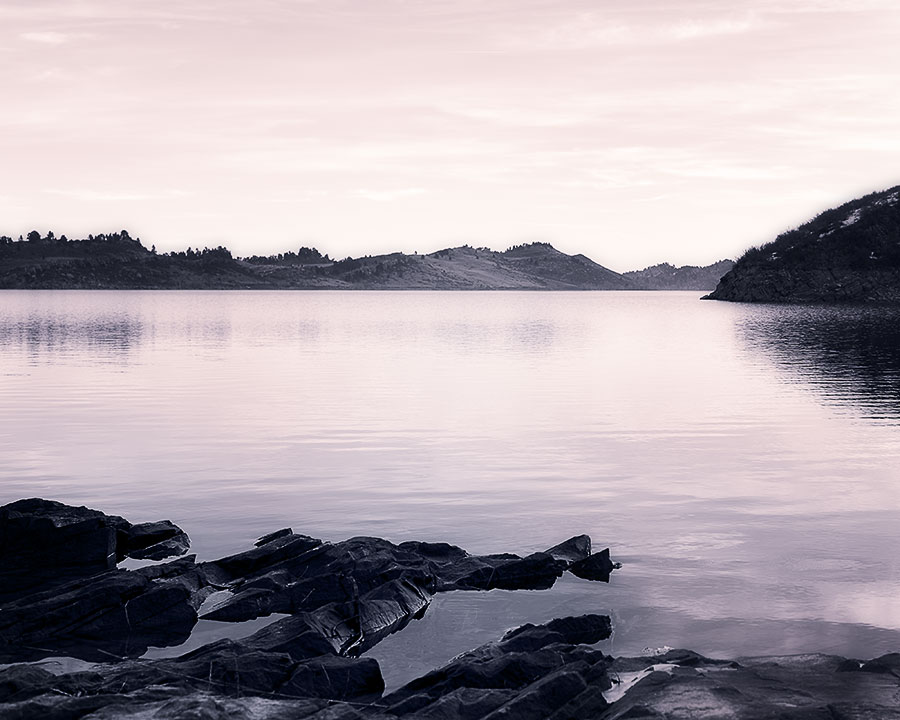
lens-artist: setting a mood

Looking backward … I cannot see the ancients days. Looking forward … I cannot see ages yet to come. Only heaven and earth have remained, and will remain forever … I am alone, I grieve, I drop tears into the dust. ~Chen Tzu-ang*

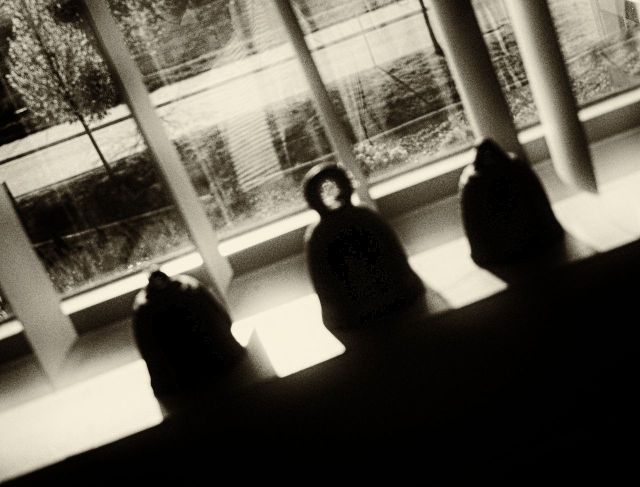
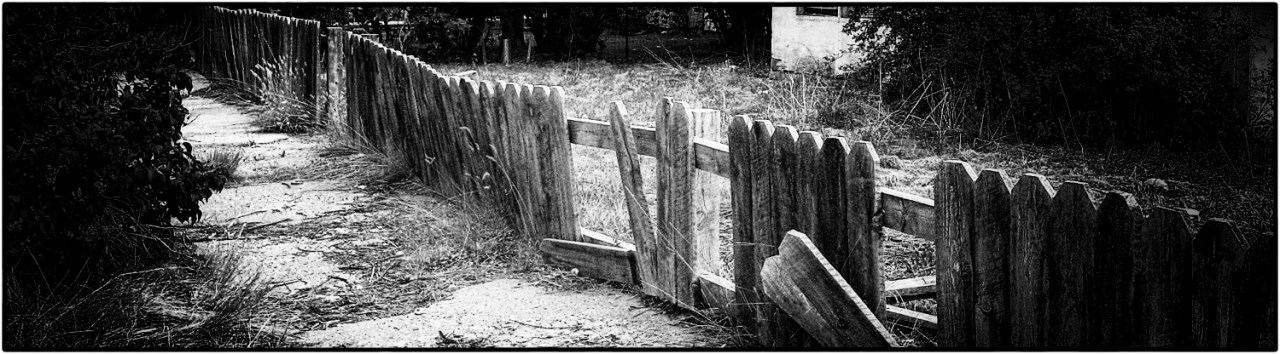
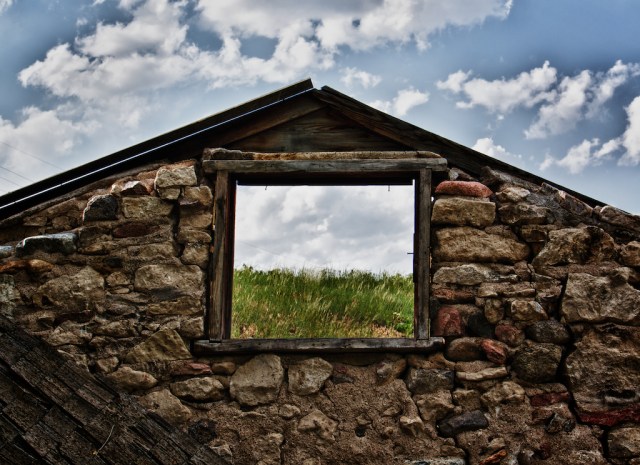
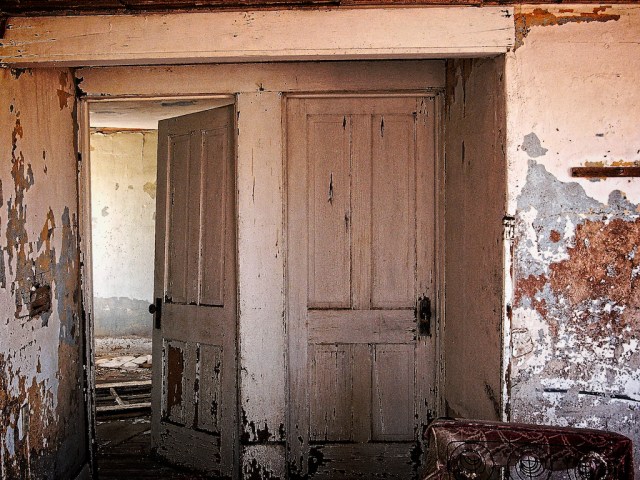
Images that speak of solitary … alone … by one’s self evoke feelings of contemplative sadness.

Leya has extended a lens-artists challenge: setting a mood

*cited: Translator: Anonymous. The Project Gutenberg Ebook of the Jade Flute, by Various

wow…words of wisdom

Even in Kyoto-

hearing the cuckoo’s cry-

I long for Kyoto. ~Bushō

“Solastalgia conveys the distressing homesickness we experience without leaving home, when home has altered beyond recognition, such as when seeing a familiar and beloved environment that has been destroyed by drought, fire or flood, by the extremes of climate change.”

cited: Dharma Talk bySensei Deirdre Eisho Peterson – Red Rocks Zen Circle

Note: “Solastalgia” was coined by a contemporary Australian environmental philosopher named Glenn Albrecht, and it is a word that comes out of the climate crisis.  This word solastalgia combines the words solace, desolation and nostalgia.

Paula’s Lost in Translation Words of Wisdom