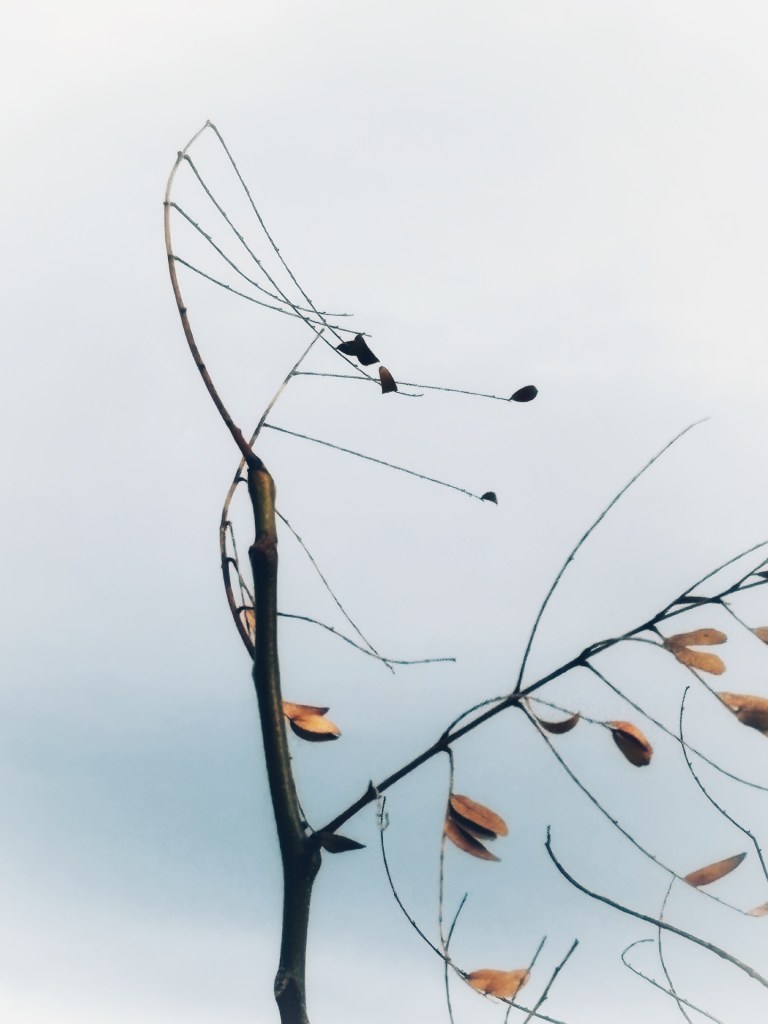
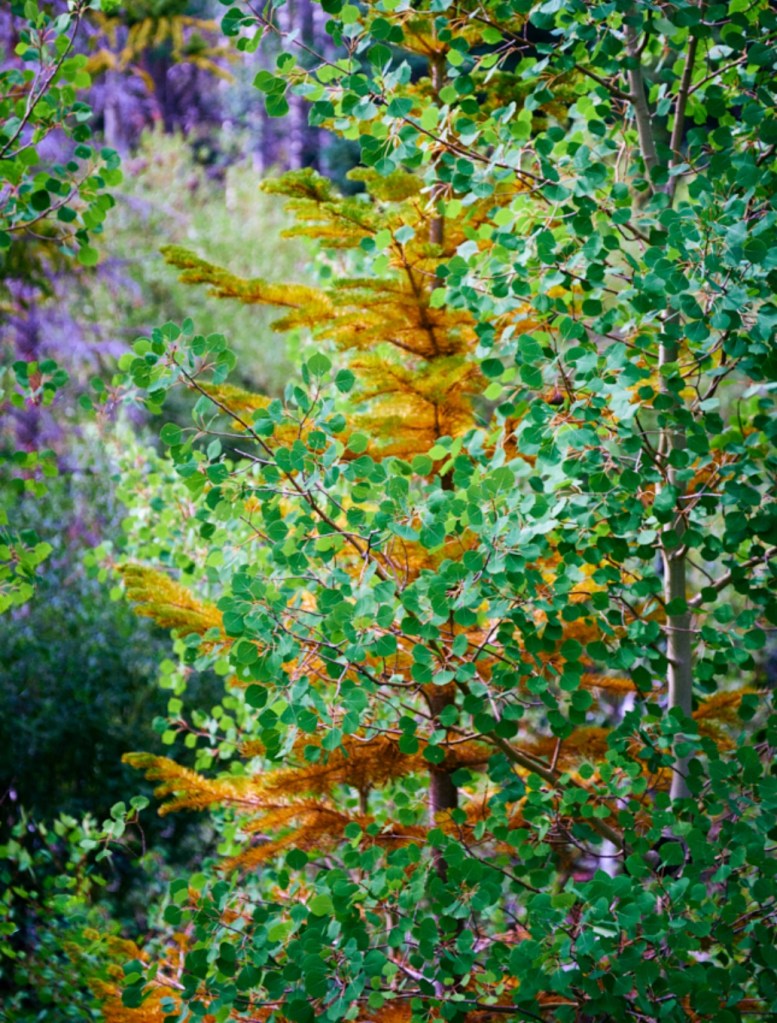
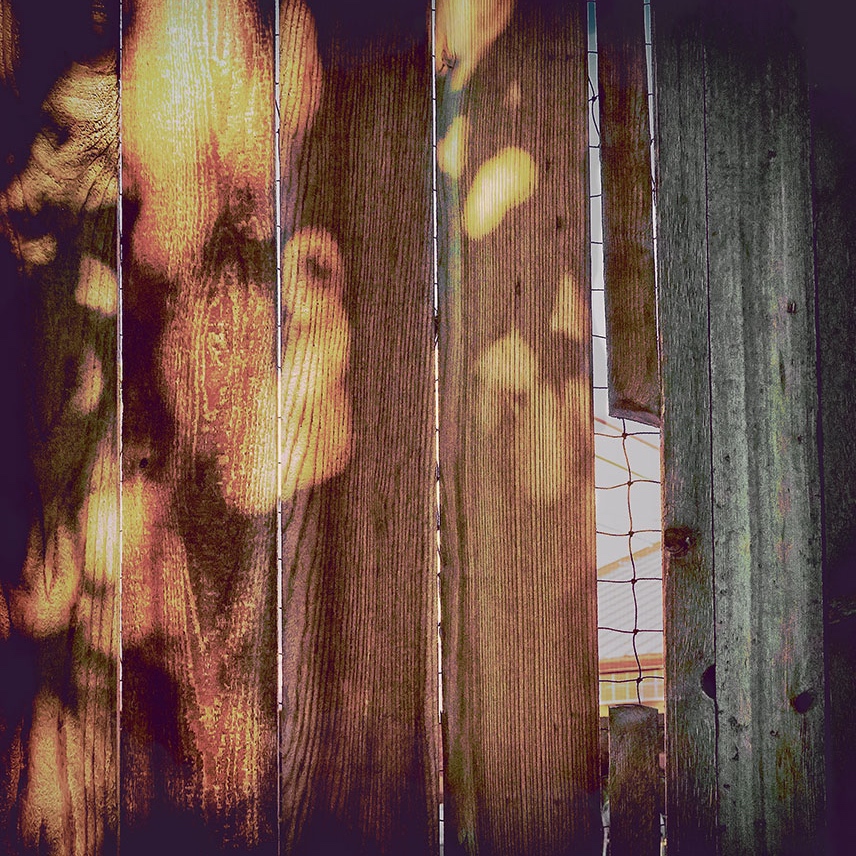
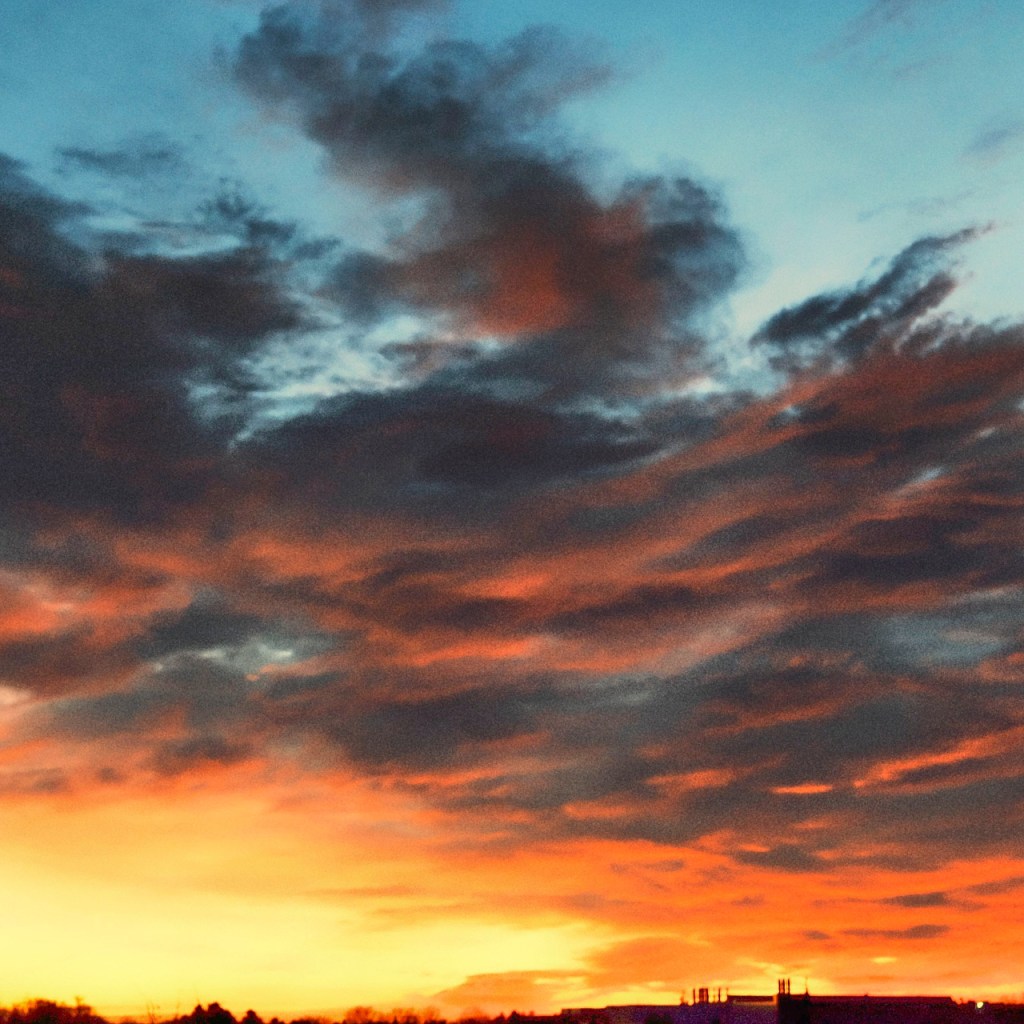
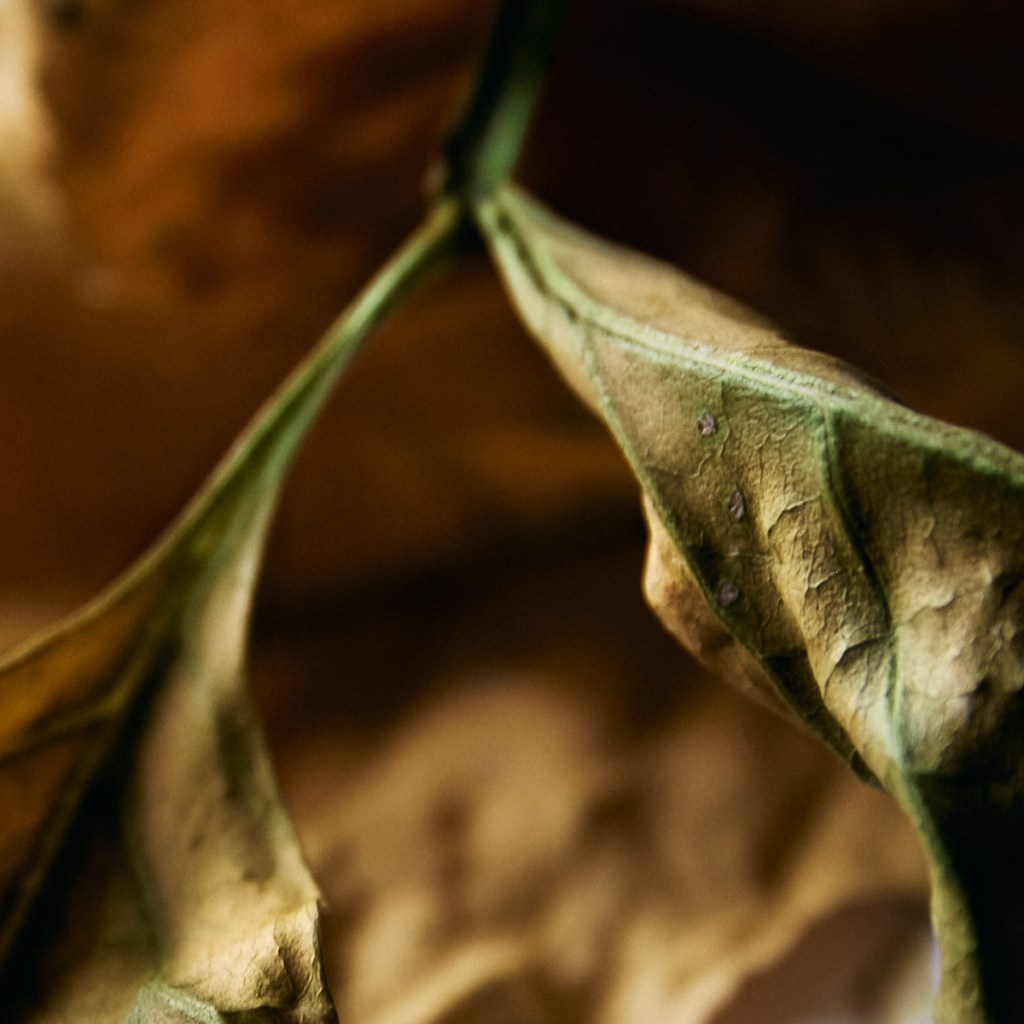
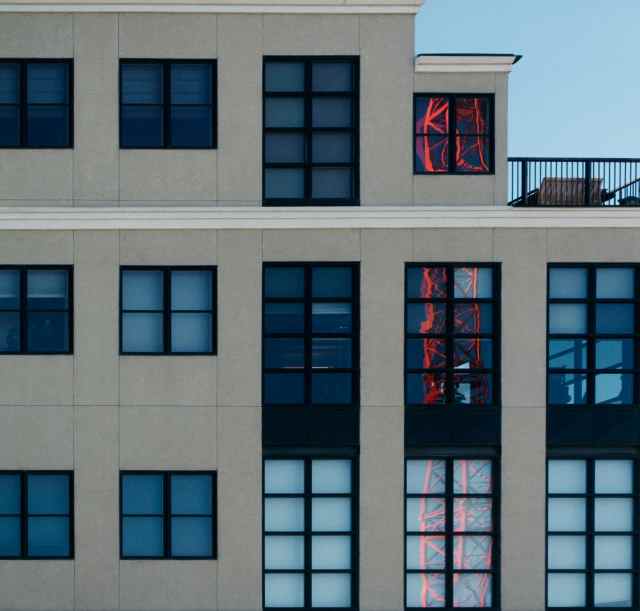
This is the third of four editing challenges for Leanne and Joanne’s invitation to choose one image and then for four weeks share one edited change to that image. “You can do whatever you like with it, just do something different each week.”
For awhile I found myself in a puzzle … how to create this image into something different? After a number of false starts I decided to insert a moon into the center with Snapseed’s double exposure and then to edit with their expand option. A unique image, I must say!
My second image for Leanne and Joanne’s invitation to choose one image and then for four weeks share one edited change to that image. “You can do whatever you like with it, just do something different each week.”
This week the editing began with cropping the image which brought the center of the flower to be the main focus area. I then finished in Silver Efex Pro 2.
My first edit was to crop the image and then explore structure, brightened mid tones, and chose golden bright in color balance. I slightly brought out the shadow within the center. I ended with vignetting.
He often complained in his last year that he didn’t understand what it really consisted of, the loneliness we all feared so much.
Fujifilm X-T4: f/4 1/75 s 60.8 mm 400 ISO
What is it that we call loneliness, he said, it can’t simply be the absence of others, you can be alone and not lonely, and you can be among people and yet be lonely. So what is it? … All right, he said, it isn’t only that others are there, that they fill up the space next to us.But even when they celebrate us or give advice in a friendly conversation, clever, sensitive advice: even then we can be lonely. So loneliness is not something simply connected with the presence of others or with what they do. Then what” What on earth? (cited: Night Train to Lisbon, p 319.)
My first image for Leanne and Joanne’s invitation to choose one image and then for four weeks share one edited changes to that image. “You can do whatever you like with it, just do something different each week.”
The photo below is my initial image that was auto adjusted within Capture One…white balance, exposure, contrast and brightness, high dynamic range, and levels. I cannot recall which of Fujifilm’s film simulations that was used during this photo walk.
Fujifilm X-T4: f/4.5 1/900 s 80 mm 400 ISO
My first edit was to crop the image and then explore structure, brightened mid tones, and chose golden bright in color balance. I slightly brought out the shadow within the center. I ended with vignetting.
I think I was much more creative during the time of Robyn’s challenge. Maybe over time this will change.
If memory serves, there was also a similar challenge that ended in 2016. This discussion brings to mind a quote I once heard, “no matter how much things change, they still remain the same.”
Photo composition is an essential element of any photographic image. A photograph has only two essential elements, subject, and composition (not camera settings). By composition, we refer to the way we place all the elements of the photograph inside the four sides of our frame. ~George Tatakis
Lines are horizontal, vertical, diagonal, organic, and implied. Ted Forbes (The Art of Photography) wrote that while lines don’t actually exist in nature they are most likely the most basic element of visual composition. He further noted:
Lines serve many purposes in visual composition. They can divide the composition, they can direct the viewers eye, they can define shapes and they can make a statement to the feel or interpretation of the image by the viewer. Line’s speaking to the feel of a composition is extremely important.
For me going beyond the intellectual understanding of color theory: that is, to feel, see, sense, and be engaged with the multiple interactions of color within an image is a challenge.
It is my understanding that patterns are the repetition of shapes that are pretty basic and similar to each other. We will see them repeating at regular intervals within nature, design, works of art, architecture, and photography.
Thank you John (journeyswithJohnbo) for this invitation to refresh my understanding of these three tools of composition
As an autodidact, individuals who choose the subject they will study, their studying material, and the studying rhythm and time, in 2018 I began blogging a 52-week Photo Study that explored topics such as visual composition, creativity, point of view, the photographer, street photography, contemplative photography, landscape photography, and developing a personal style,
YOUR FIRST 10,000 PHOTOGRAPHS ARE YOUR WORST.” ~Henri Cartier-Bresson
After reading Henri Cartier-Bresson’s quote, I realized that one may just mindlessly click away 10,000 times with hope that…maybe, just maybe…accidentally…one image will be an A+ A+ A+ photograph (see the movie, “A Christmas Story”).
Then…a shower thought…maybe that one triple A+ image really only arises after 10,000 intentional shutter releases. Can you just image being present to, thinking through, and connected with each transient moment 10,000 times? In reality this would be like setting out on a journey of 10,000 steps knowing that one will never reach their destination.
Yet, what is an important part of a 10,000 endeavor? To create a triple A+ image? Or to undertake a photo study journey accompanied by fun, education, knowledge, experience, and exploration? I’ll go with the fun of creating and opening myself to the beauty of Mother Earth so this photo study blog journey is an encouragement to–not create a triple A+ image– but to be more intentionally present with each click of the shutter.
Thank you Tina (travels and trifles) for this week’s photo challenge to explore and share one’s lifetime journey of learning.
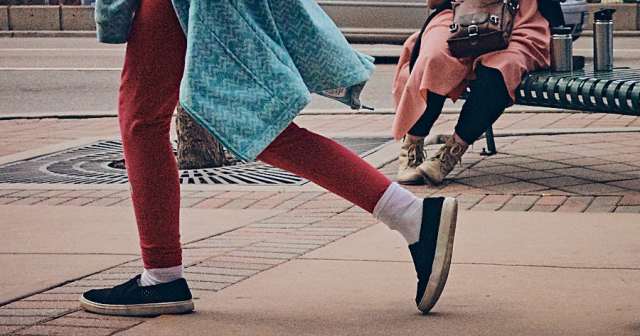
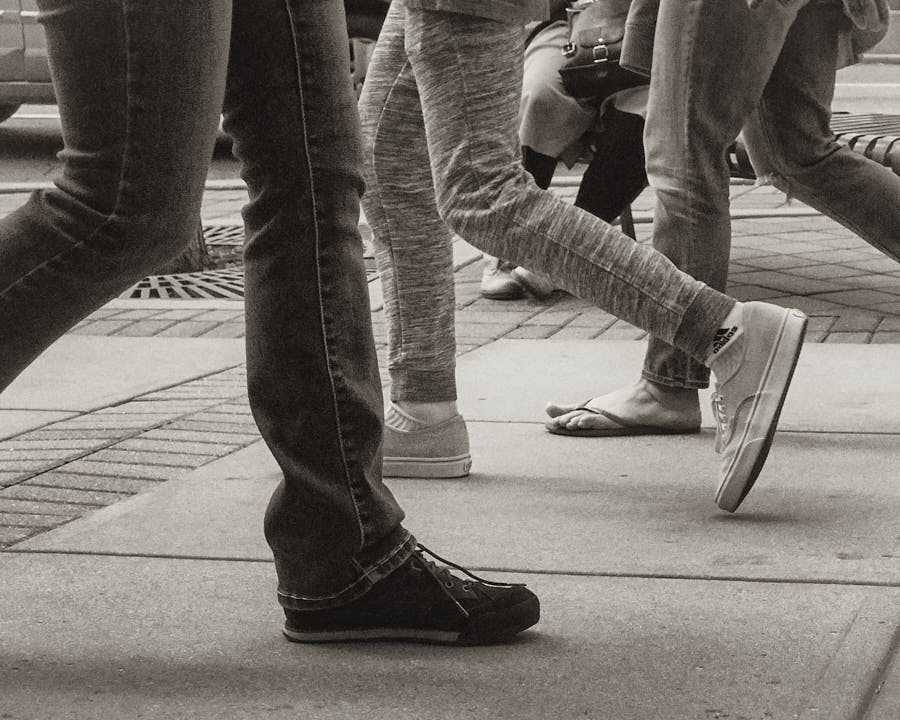
Encounters between people, it often seems to me, are like crossings of racing trains at breakneck speed in the deepest night.
We cast fleeting, rushed looks at the others sitting behind dull glass in dim light, who disappear from our field of vision as soon as we barely have time to perceive them. Was it really a man and a woman who flitted by there like plantoms in an illuminated window frame, who arose out of nothing and seemed to cut into the empty dark, without meaning or purpose? ~ Pascal Mercier, Night Train to Lisbon, pg. 94
“Was it possible that the best way to make sure of yourself was to know and understand someone else?
One whose life had been completely different and had had a completely different logic than your own? How did curiosity for another life go together with the awareness that your time was running out? …” Pascal Mercier, Night Train to Lisbon, pg 97.
This week Leya invites lens-artists to “share a link to the old post, and then create a new post on the same subject” Oh how fun!
After viewing the WP listing of a hundred and sixty-seven Lens-Artist’s challenges … no creativity challenge. “Oh! I must have been absent that weekend? What to do? Take a different road to creativity? Will I be forgiven?”
Calling upon the courage needed to search outside Leya’s guidelines, I found, a 2018 post – A photo study: contemplative photography.
Creativity begins as we begin to think differently, move out of our comfort zone, start to use our head over the camera, and go beyond all apparent possibilities.
iPad f/1.8 1/50 sec ISO 64
Creativity is the ability to make or do something new…the ‘something’ can be an object, a skill, or an action. To be creative, the object, skill, or action cannot simply be bizarre or strange; it cannot be new without also being useful or valued, and not simply be the result of [an] accident. …an important form of creativity is creative thinking, the generation of ideas that are new as well as useful, productive, and appropriate. The second is that creative thinking can be stimulated by teachers’ efforts…
Pablo Picasso once said, “Every child is an artist. The problem is how to remain an artist once we grow up.”
Found object art began to take shape in 1912 when Picasso made his cubist constructions from various scavenged materials, adding such things as matchboxes and newspapers. Dada and surrealist artists then made extensive use of found objects. And now, the art form continues to thrive among mixed-media artists.
…our ordinary vision is limited…our conventional consensus of reality is not the only version of reality…the mind…in its attempt to provide meaning (security), continually rearranges the world to fit individual needs. The failure to recognize the constructive nature of the mind can be a major obstacle to artistry and creativity.
~Tao of Photography, Gross & Shapiro
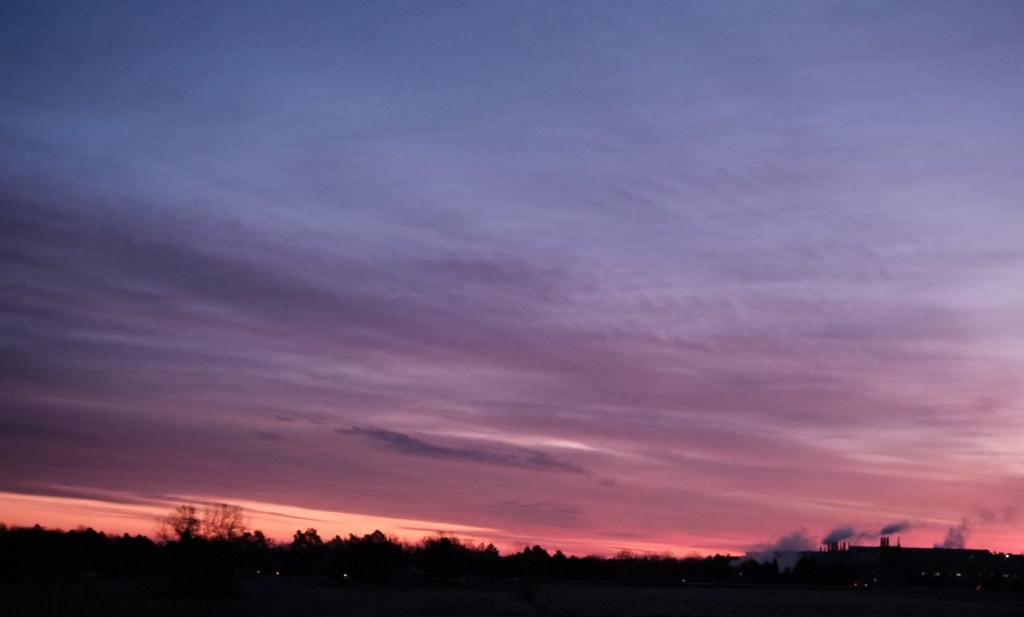
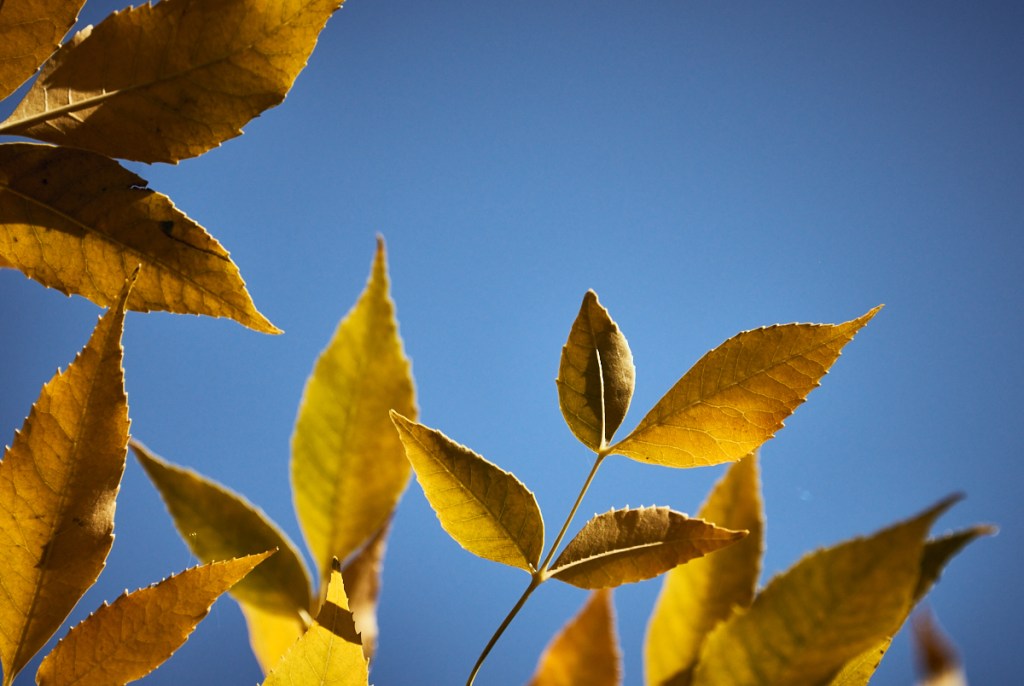
Nature gifts us with her ever-changing dynamic paint brush upon the canvas of life
You must be logged in to post a comment.