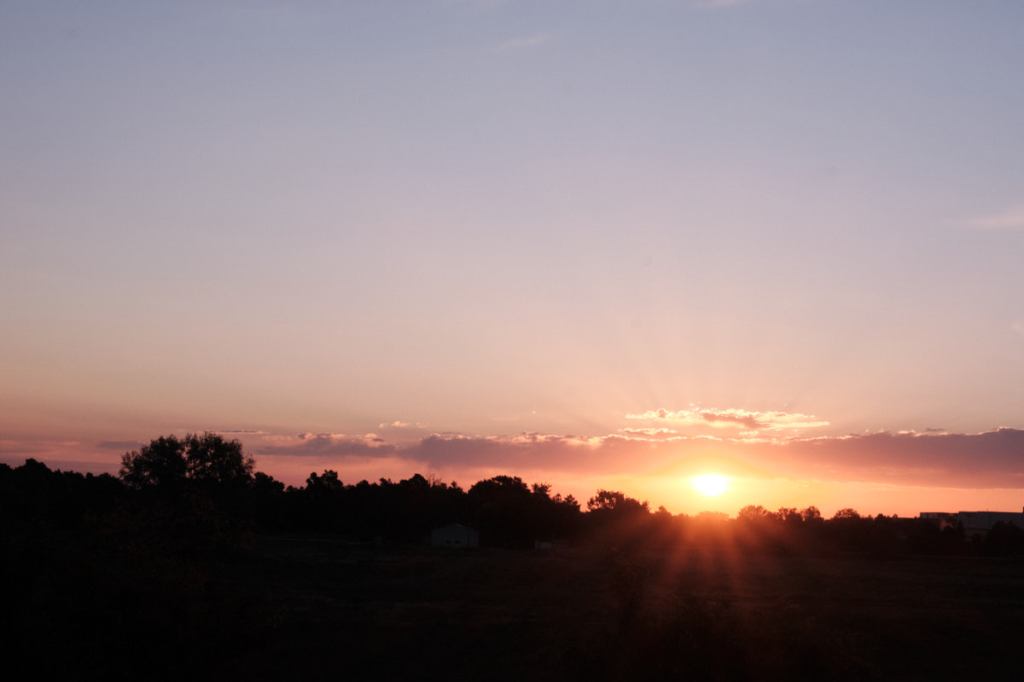
trailed with clouds
the layered memories
of time forever gone
stands between us now
in this spring dawn
There is an earth-shattering moment that barges into a life, unexpectedly, shifting and tearing apart everything … everything in the heart held to be true. After the denial, disassociation, and numbing begin to ease, there is a knowing that the “before you” has been ripped away and now an “ongoing emerging you” has begun a never-ending search for THE door of clarity and resolution. Within that search life continues. Life with its births and deaths. Life creating pathways of sorrow and joy. Pathways of contemplation created through photography and haiku.

rain falls
memories of lost years
left by a cloud
My mother’s passing in the spring of 2016, expected yet unexpected, occurred during this journey with WordPress. The intention to validate my mother’s life opened a gate of posting 100 days of contemplative photography and haiku to remember, honor, and share the life of a woman, my mom.
meandering tales
beyond a haze of tear drops
my mother’s face – mine.
Memories of my mom often come to visit…they are remembered moments that announce her arrival, not as the frail woman with a fierce determination that time had transformed formed but the woman who carried with her the stature of Danish Vikings…warriors, explorers, conquerors, survivors.
morning haze
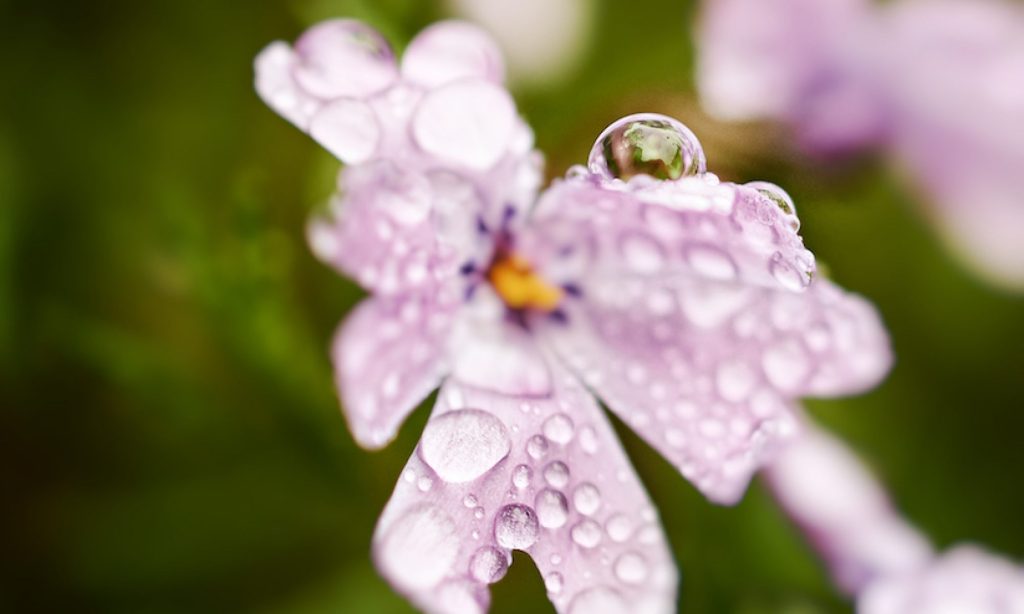
jewels of rain, falling
in a dream


In our next spring
let’s meet as butterflies
afield



Though we are parted,
If on Casper Mountain Peak
I should honor the sound
of the pine trees swaying there –
with the summer breeze.


After my mother’s memories fade and life’s present moments come into focus I often wonder … if we had met – not as mother-daughter – but as children in a playground would she have wanted to be my friend? I know she would have been my bestest of friends.
Thank you Anne (Slow Shutter Speed) for the invitation to share what has “enriched and/or changed” my life.
















You must be logged in to post a comment.