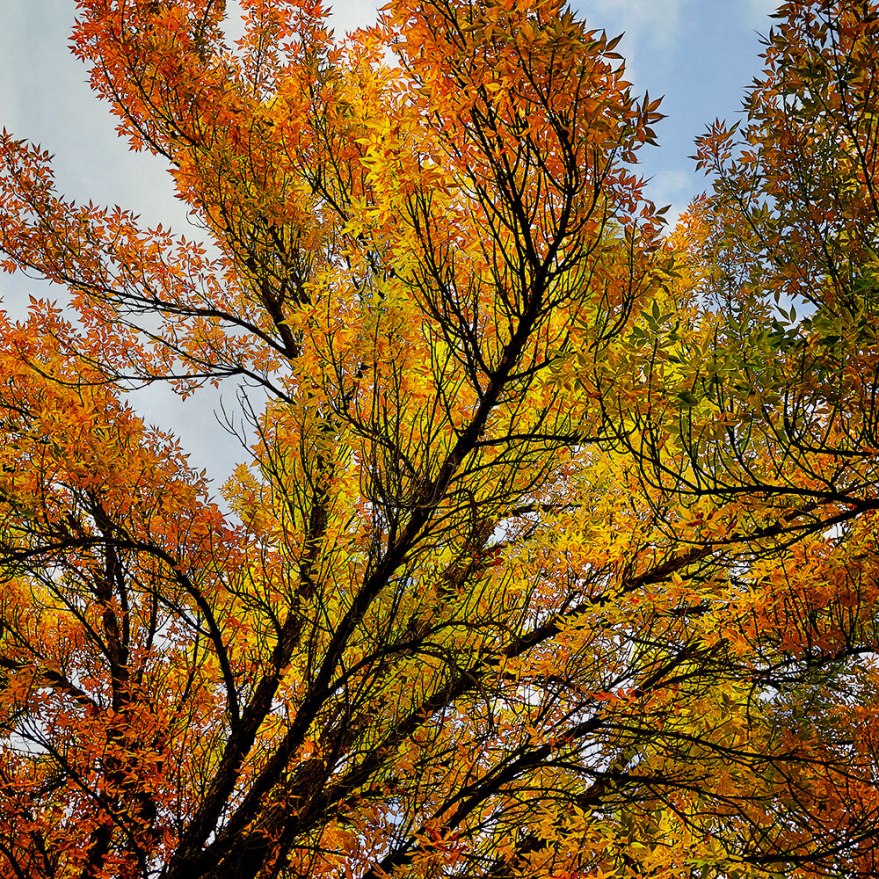
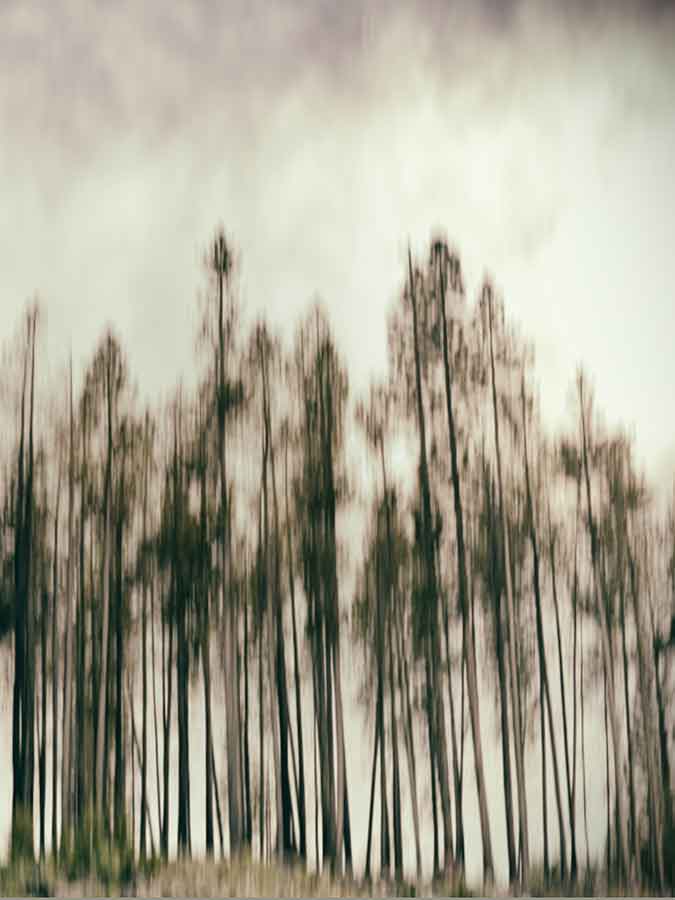
syme

Have we now come to the time in which to honestly acquaint

ourselves with private inner and outer moral guiding principles

and within this solitude with self

foresee how our individual choices/actions may impact the future of humanity?

I begin this contemplation with a clear knowing that I do not wish to wake from this time of mistrust and uncertainty to the prison bars of moral shame.

Stay at Home Order … day 24 plus 14 seclusion retreat days

“… Syme could hardly see for the patterns of sun and shade that danced upon them. Now a man’s head was lit as with a light of Rembrandt, leaving all else obliterated; now again he had strong and staring white hands with the face of a negro. The ex-Marquis had pulled the old straw hat over his eyes, and the black shade of the brim cut his face so squarely in two that it seemed to be wearing one of the black half-masks of their pursuers. The fancy tinted Syme’s overwhelming sense of wonder. Was he wearing a mask? Was anyone wearing a mask? Was anyone anything? This wood of witchery, in which men’s faces turned black and white by turns, in which their figures first swelled into sunlight and then faded into formless night, this mere chaos of chiaroscuro (after the clear daylight outside), seemed to Syme a perfect symbol of the world in which he had been moving for three days, this world where men took off their beards and their spectacles and their noses, and turned into other people.
That tragic self-confidence which he had felt when he believed that the Marquis was a devil had strangely disappeared now that he knew that the Marquis was a friend. He felt almost inclined to ask after all these bewilderments what was a friend and what an enemy. Was there anything that was apart from what it seemed? The Marquis had taken off his nose and turned out to be a detective. Might he not just as well take off his head and turn out to be a hobgoblin? Was not everything, after all, like this bewildering woodland, this dance of dark and light? Everything only a glimpse, the glimpse always unforeseen, and always forgotten. For Gabriel Syme had found in the heart of that sun-splashed wood what many modern painters had found there. He had found the thing which the modern people call Impressionism, which is another name for that final scepticism which can find no floor to the universe.
As a man in an evil dream strains himself to scream and wake, Syme strove with a sudden effort to fling off this last and worst of his fancies. …

cited: The Project Gutenberg Ebook of The Man Who Was Thursday, by G.K. Chesteron

The above photographs were created with a Nikon D750, f1/8, 35mm, 100 ISO. Shutter speeds of 1/3200 to 1/4000.
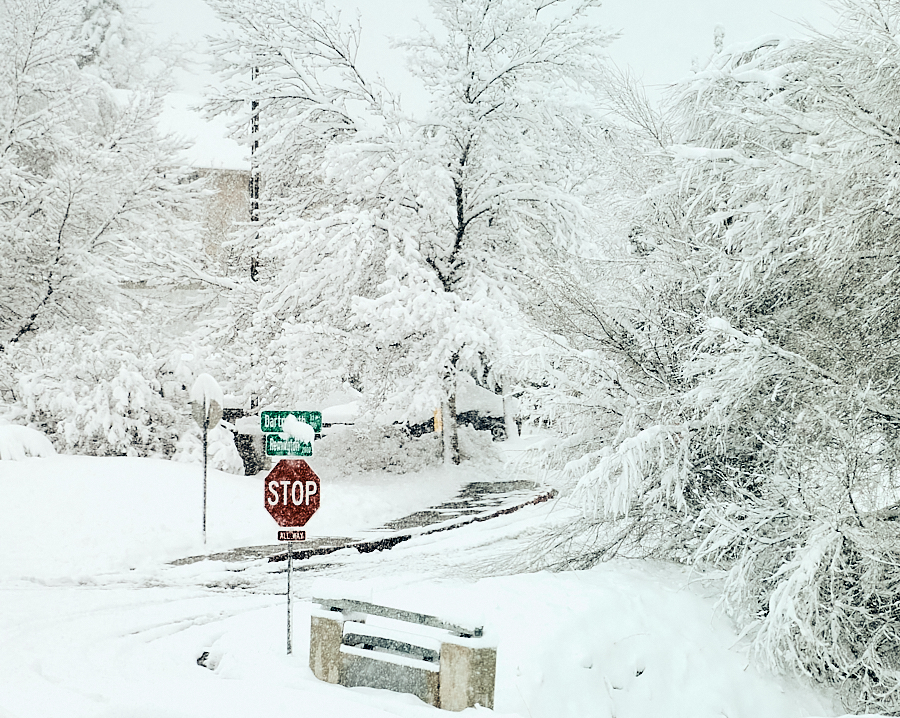
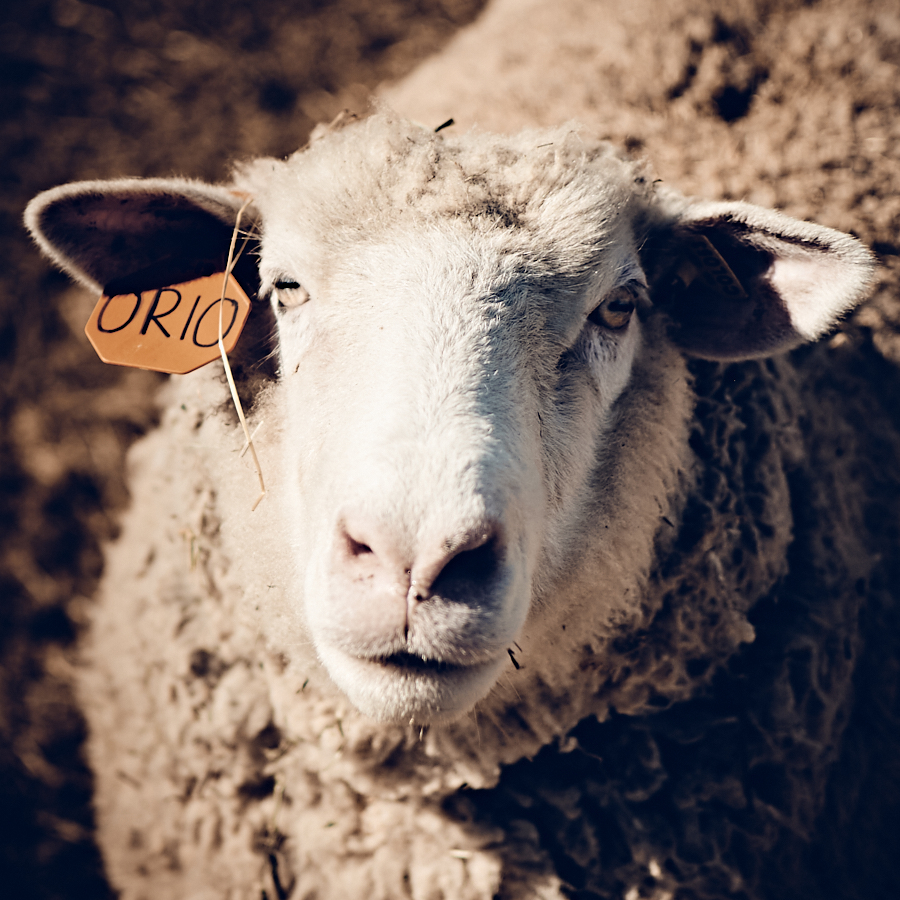
this is because that is

Stay at Home Order … day 14 plus 14 seclusion retreat days

leaving the town

breathing easier…

firefly ~Issa (cited: haikuguy.com)

Nikon D750 f/1.8 1/4000 35mm 200 ISO

“The rapid increase of carbon dioxide concentration in Earth’s modern atmosphere is a matter of major concern. But for the atmosphere of roughly two-and-half billion years ago, interest centres on a different gas: free oxygen (O2) spawned by early biological production. The initial increase of O2 in the atmosphere, its delayed build-up in the ocean, its increase to near-modern levels in the sea and air two billion years later, and its cause-and-effect relationship with life are among the most compelling stories in Earth’s history.”

(cited: Lyons, Timothy W.; Reinhard, Christopher T.; Planavsky, Noah J. The rise of oxygen in Earth’s early ocean and atmosphere: Nature, Volume 506, Issue 7488, pp. 307-315 (2014).

“The oxygen holocaust was a worldwide pollution crisis that occurred about 2,000 million years ago. Before this time there was almost no oxygen in the Earth’s atmosphere. The Earth’s original biosphere was as different from ours as that of an alien planet. But purple and green photosynthetic microbes, frantic for hydrogen, discovered the ultimate toxic waste, oxygen. Our precious oxygen was originally a gaseous poison dumped into the atmosphere. … (The atmospheres of Mars and Venus today are still more than 95 percent carbon dioxide; the Earth’s is only 0.03 percent.)…”

(cited: Lynn Margulis, Dorion Sagan Microcosmos: Four Billion Years of Microbial Evolution

marcescence

Solitude Retreat … 9th day

In the Hida Mountains

the village pawnshop is closed –

a winter evening

~Buson (cited: Y Sawa & E M Shiffert, Haiku Master Buson

Nikon D750 f/1.8 1/1600 35mm 200 ISO

you just can’t go and ask a tree

“Fall is so wonderful because of the change in the colors of the leaves, and [during the autumn months], the deciduous trees pretty much shed their leaves and become bare—well, most of those trees. …

“The process of shedding leaves is really interesting and shows the intricate evolution of nature as a way to survive through all seasons. When the days grow shorter and the amount of sunshine available to leaves decreases, the process that makes food for the trees ends. Chlorophyll begins to break down, the green color disappears, and we get those splendid colors of the fall before most trees drop their leaves.

“The process of leaf drop is also a neat little trick of nature. At the base of their stem (referred to as the petiole), leaves have a zone called the abscission layer, located near the branch to which they are attached.

“The word abscission (sounds like scissors) comes from the Latin ‘to cut away’. The abscission zone has special cells that act like scissors, cutting the leaf off from the main part of the tree in autumn. The part of the leaf stem, or petiole, nearer the leaf contains a separation layer of thin-walled cells that break readily, allowing the leaf to drop. On the branch or twig side of the petiole, there’s another special layer of cells that have a corky structure, which forms a protective layer on the tree, neatly closing up the break to prevent injury or disease. So, the cold of winter gets sealed out, while precious water that the tree continues to use through the winter is sealed in. When spring finally arrives, the return to rapid growth from the trees limbs makes leaf buds expand and swell, and the old leaves finally break off if they haven’t already. Nature is so cool!

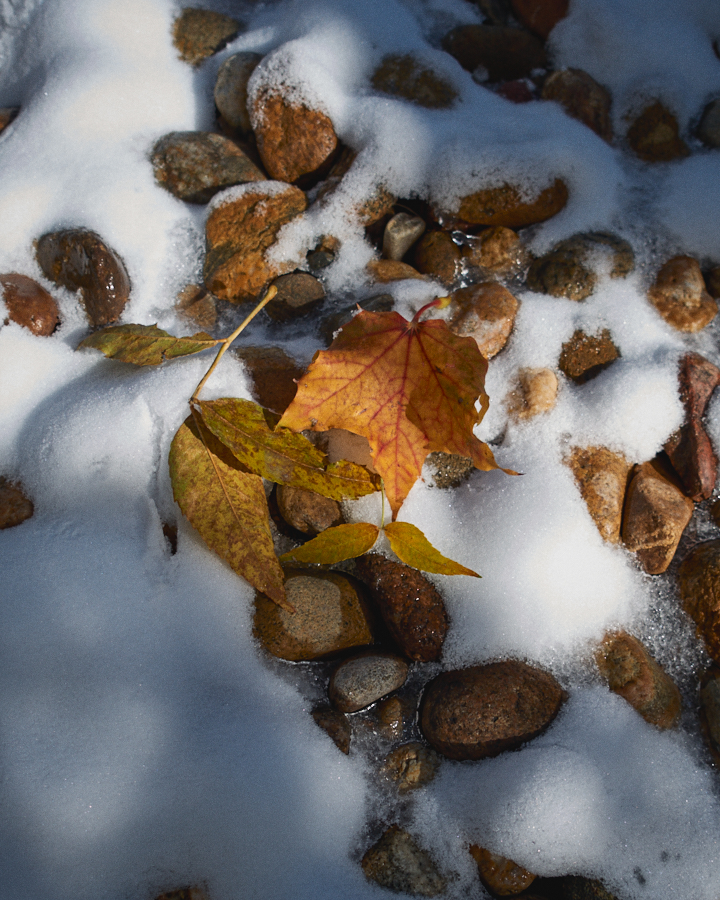
“Most, but not all, deciduous trees go through the abscission process. But there are a number of species that exhibit marcescence, or the retention of their leaves, to some degree through the winter months. That’s what you may see when you walk through the forest in the winter. Marcescence is most common by far in the beech, followed by many species of oak as well as hornbeam

“Scientists have not established the exact reason why certain trees exhibit marcescence—you just can’t go and ask a tree. However, there are some common theories. A few of those theories are based on the observation that marcescent leaves are found most often on younger or smaller trees or on the lower limbs of bigger trees.

“One theory suggests trees may keep their leaves to deter deer and other browsing animals from eating the nutrient-rich twigs. The leaves may conceal sumptuous new buds. In fact, researchers have found that the dried leaves are less nutritious than the twigs, and that characteristic might keep the animal from trying to munch on the lower twigs of trees.

Nikon D750 f/1.8 1/1600 35mm 200 ISO

“Researchers suggest another possibility for trees holding their leaves through the winter. It relates to the availability of nutrients for trees as they head into the growing season in the spring. When leaves drop in the fall, the nutrients from those leaves that accumulate on the forest floor are pretty much gone by the next spring when the tree needs food to kick off the growing season. This mulch layer would also hold in precious moisture for the trees. If the tree holds its leaves until spring, then releases them to the ground below, they may act as quick-start nutrients as the growing season begins, and this is most important for the smaller trees under much of the canopy from larger trees.

“On a related note, in some years, rapid onset of early frosts or freezes may halt the abscission process and cause many other deciduous trees to hold their leaves into part of the winter season. This would include varieties of maples and other species, but as the winter wears on most of these trees finally do lose their leaves.

“There’s no debate that the muted browns and yellows of marcescent leaves provide a beautiful backdrop in the bare forests of the winter. In addition, one benefit of trees like the beech, which keep most of their leaf canopy during the winter, is for birds who can seek shelter from the cold winter temperatures and winds among those clumps of leaves.

“For those who choose to take that wonderful saunter through a forest path during the winter, you now know why there are trees who choose “not to go naked” during the season, but wait to complete a quick change as nature’s spring fashion season swings into full gear.”

cited: Weather Underground,Tom Niziol. Marcescence: why some trees keep their leaves in winter, January 22, 2020

Wet’suwet’en’s resistance

As the Government refuses to move an inch continuing the resistance is critical! 

facebook
Nikon D750 f/4.5 1/2000s 85mm 800 ISO

“The BC and Federal Governments have abruptly stepped away from talks that were scheduled for this week as the Wet’suwet’en Hereditary chiefs justly stated they would not ask other Nations to stand down as a precondition to having Nation to Nation talks. 

“Powerful actions and a widespread will to struggle against injustice have proliferated in response to the raid on Tyendinaga as anger grows at the Government’s use of force and steadfast refusal to negotiate in good faith. 

“The Government’s demand that blockades end for talks to begin illustrate how powerful this movement is and how afraid they are of widespread and sustained Indigenous resistance. The Wet’suwet’en Hereditary chiefs have asked for people to continue to act in support of their demands.   

“… people have risen up in defiance of colonial injunctions and set up new rail and road blockades across the country: Over 500 people shut down rail traffic in Toronto, The Port of Vancouver was shut down for over 24 hours, Kahnawake Mohawks reinforced their barricades in response to an injunction, Indigenous youth retook the BC Legislature vowing to stay until Nation to Nation talks occur, and new rail blockades went up in Chase, Abbotsford, Maple Ridge, Hamilton, Gitxsan territory, Lennoxville among many other incredible actions. 

“As police begin to act more aggressively towards new blockades many people have made tactical temporary retreats avoiding arrests and setting themselves up to continue to struggle in a sustained fashion.” 

cited: facebook

lens-artists challenge: capital

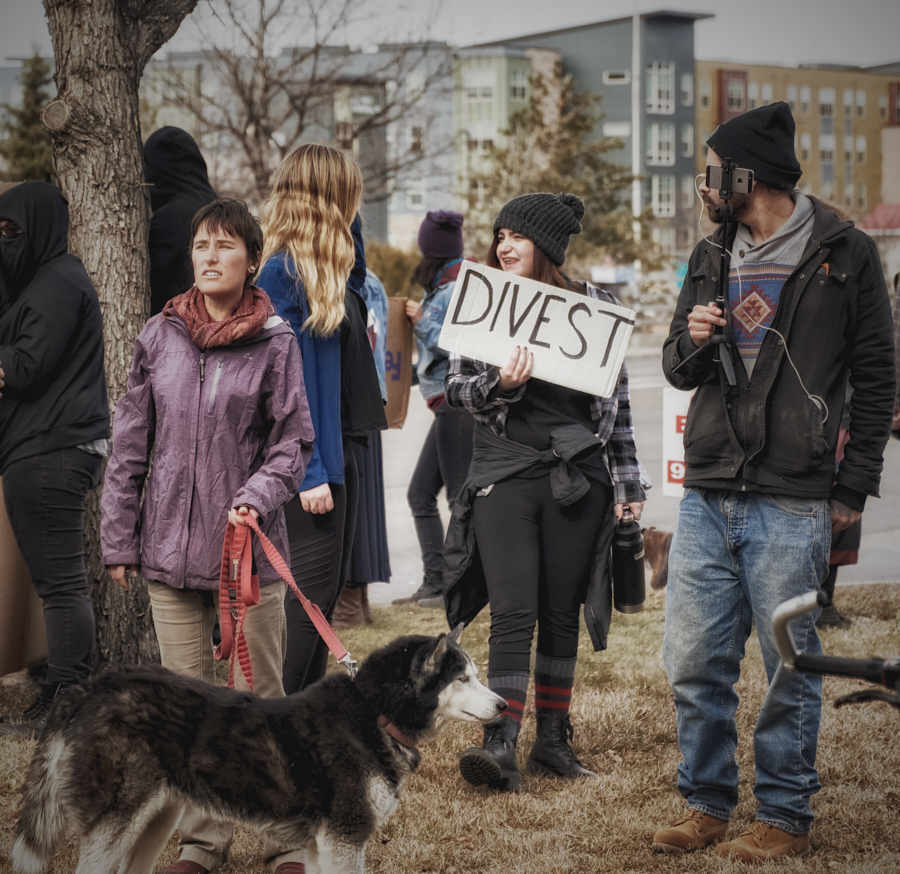
Solidarity Action with Unis’tot’en Water Protectors

(Yinka Dini – People of this Earth) Unis’tot’en – People of the Headwaters

The Unis’tot’en (C’ihlts’ehkhyu / Big Frog Clan) are the original Wet’suwet’en Yintah Wewat Zenli distinct to the lands of the Wet’suwet’en. Over time in Wet’suwet’en History, the other clans developed and were included throughout Wet’suwet’en Territories. The Unis’tot’en are known as the toughest of the Wet’suwet’en as their territories were not only abundant, but the terrain was known to be very treacherous. The Unis’tot’en recent history includes taking action to protect their lands from Lions Gate Metals at their Tacetsohlhen Bin Yintah, and building a cabin and resistance camp at Talbits Kwah at Gosnell Creek and Wedzin Kwah (Morice River which is a tributary to the Skeena and Bulkley River) from seven proposed pipelines from Tar Sands Gigaproject and LNG from the Horn River Basin Fracturing Projects in the Peace River Region

The Unist’ot’en Camp is an indigenous re-occupation of Wet’suwet’en land in northern “BC, Canada.” The Camp is on high alert in response to the Coastal Gaslink’s application for an injunction, as well as served notice for a civil lawsuit to claim financial damages for “occupying, obstructing, blocking, physically impeding or denying access” against the Camp on their own unceded territory and denying the collective hereditary leadership of the Wet’suwet’en.

‘Wiggus’, the Wet’suwet’en word for respect. In the landmark Supreme Court Decision of Delgamuukw Gisday’wa Wiggus it was defined as “respect for all living-beings, starting with oneself”.

The Unist’ot’en Camp has been a beacon of resistance for nearly 10 years. It is a healing space for Indigenous people and settlers alike, and an active example of decolonization. The violence, environmental destruction, and disregard for human rights following TC Energy (formerly TransCanada) / Coastal GasLink’s interim injunction has been devastating to bear, but this fight is far from over.

Who is bankrolling the Coastal Gaslink Pipeline

Coastal GasLink is a project of TransCanada Pipelines Ltd., the same subsidiary of TransCanada behind the controversial Keystone XL tar sands pipeline. The 420-mile Coastal GasLink pipeline would carry fracked gas from northeast British Columbia to LNG Canada, a massive proposed liquefied natural gas (LNG) terminal that exemplifies the sector’s climate and human rights impacts.

JPMorgan Chase

Bank of Montreal

Deutsche Bank

Canadian Imperial Bank of Commerce

Go to Mazaskatalks.org to see if your bank is invested in fossil fuels

Divestment is the opposite of investment. It is removing your funds, benefits, capital and stock from companies and approaching institutions asking them to remove their money out of companies for either ethics and/or financial reasons.

In this era of “reconciliation”, Indigenous land is still being taken at gunpoint. INVASION is a new film about the Unist’ot’en Camp, Gidimt’en checkpoint and the larger Wet’suwet’en Nation standing up to the Canadian government and corporations who continue colonial violence against Indigenous people. 

Fossil fuels have been utilized as our primary energy source since the industrial revolution in the mid 18th century. Fossil fuels have provided jobs as well as heat and electricity before and during our lifetimes. The problem is that the extraction process and burning of fossils fuels have caused extreme pollution of low income (indigenous, Black and People of color) communities, threatened sensitive ecosystems and is causing green house gases to climb at all-time highs. The world is now heating at an unprecedented rate: storms, hurricanes and other natural disasters are becoming more frequent and powerful than we have ever seen. In the midst of the 6th mass extinction and overall threat of climate change, we need to oppose all future fossil fuel expansion projects, and make a just and fast transition to renewable energy.

This week’s post was made in response to the lens-artist’s challenge by Vivekacapital. It was created to advance global awareness of the Costal Gaslink Project.

dogwood photography challenge – composition: viewpoint

Week 44 Composition: Viewpoint (Changing your viewpoint creates a different perspective and is often used by photographers to create interest. Shoot this week from the viewpoint of another person.)

United Nations notified of the U.S. intent to withdraw from the Paris climate agreement

A formal withdrawal is reversible, however, if a future administration chooses to rejoin the Paris Agreement and pick up where the U.S. left off with its emissions reduction promises.

NPR, All Things Considered, Rebecca Hersher, November 4, 2019

A 3-minute listen U.S. Formally Begins to Leave The Paris Climate Agreement, NPR Rebecca Hersher, November 4, 2019

Image submitted in response to Dogwood Photography’s annual 52-week photography challenge.

earth friday

Communities in the Four Corners — where the borders of Colorado, Utah, New Mexico and Arizona meet — have been bouncing between desperately dry and record-breaking moisture since the winter of 2017, forcing people dependent on the reliability and predictability of water to adapt

“We’ve set records almost every year, good or bad. So hot, so dry. So much snow, the river’s too high. It’s just incredibly bipolar”

Luke Runyon, KUNC . “Climate Whiplash Test Four Corners Communities’ Ability to Adapt.” October 9, 2019.

Autumn

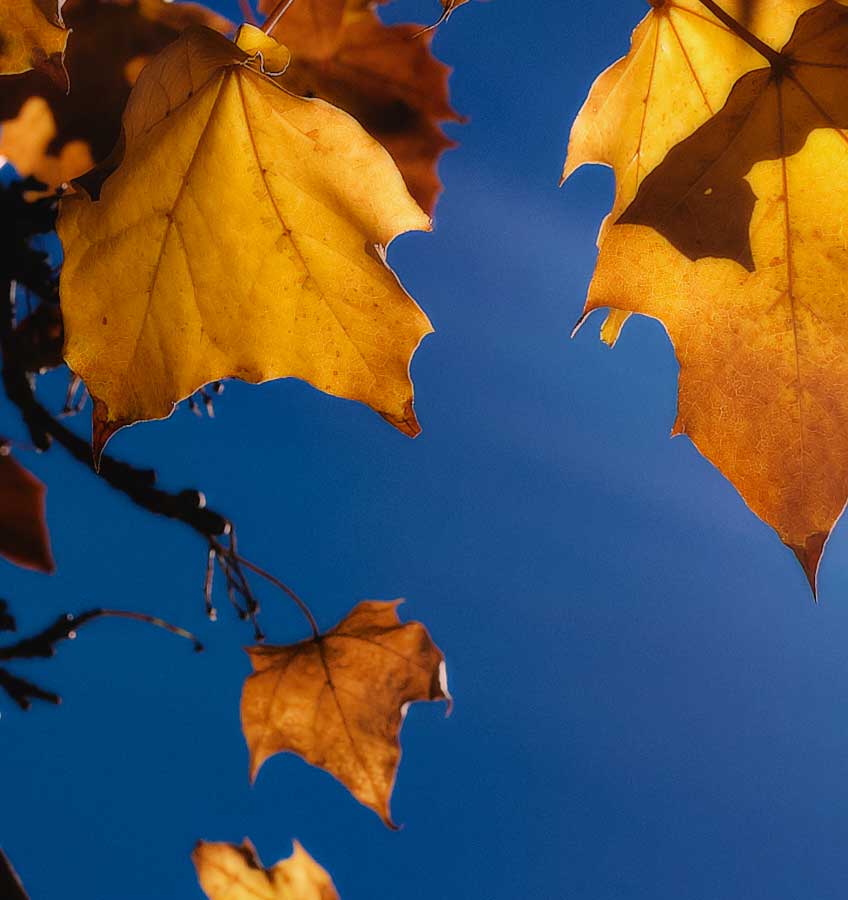
autumn 2019 Sony RX1003 f/2.8 1/125s 12.2mm 80 ISO

Land Acknowedment:

Colorado State University acknowledges, with respect, that the land we are on today is the traditional and ancestral homelands of the Arapaho, Cheyenne, and Ute Nations and Peoples. This was also a site of trade, gathering, and healing for numerous other native tribes. We recognize the indigenous peoples as original steward of this land and all the relatives within it. As these words of acknowledgment are spoken and heard, the ties nations have to their traditional homelands are renewed and reaffirmed.

earth friday

If there be no little pines in the field
How shall I find the symbol of 1000 ages?

~The Diary of Murasaki Shikibu (cited: Diaries of Court Ladies of Old Japan)

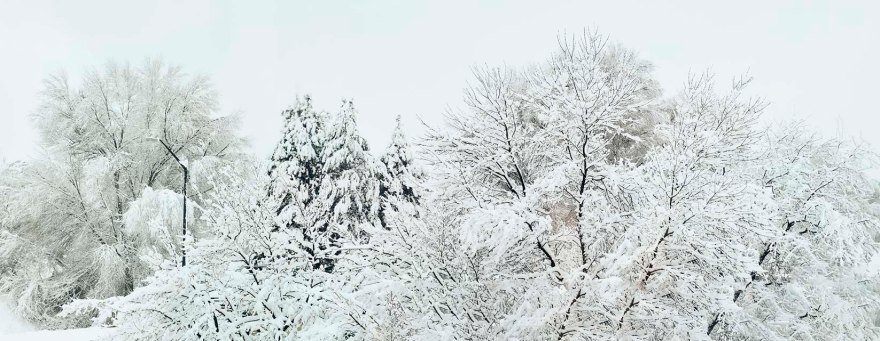
Snowy Range, Wyoming (2018) … Nikon D750 f/4 1/2000 34mm

“These lands, siblings of the Rockies,

hold many lessons and ways of being.”

D Martinez & L Schnider (CSU) The Land Holds Memories, September 2019

“Where the prairie converges with the plains, the foothills watch. They have long been the relatives of these lands and witnesses to all adventures, explorations, and settlings. The plains and prairie have also long been partners in this space; they are the original innovators, the knowers and teachers. The foothills remain present as protectors of those west winds and incubators of the snow and rain that feed these spaces, peoples, and purposes.

Our sense of this place, our sense of this land, is beckoned through this convergence and their an­cestral traditions. Waters flow in snake rivers, are cradled in valleys where corn and long grasses, such as Indian ricegrass and needlegrass, grew and grow, dozens of flowers, includ­ing prickly poppy, yucca, rabbitbrush, and prairie sunflowers, bloom and nestle; these are the homes for the bison, prong­horn, and deer, as well as swift fox, burrowing owls, and gold­en eagles.

These lands, siblings of the Rockies, hold many lessons and ways of being. The clay still holds knowledge and foot­prints of beings, events, and experiences. It, the clay, waits for new stories and new understandings. Communities were here over 12,000 years ago; those were the times of the mammoth. And, although they are often called the Paleo-Indians, they were here: relatives, ancestors of societies and knowers of land, sensors of place, and practitioners of purpose….”