When I take the path
To Tago’s coast, I see
Perfect whiteness laid
On Mount Fuji’s lofty peak
By the drift of falling snow. ~Yamabe no Akahito*
*cited:Kuniyoship Project
When I take the path
To Tago’s coast, I see
Perfect whiteness laid
On Mount Fuji’s lofty peak
By the drift of falling snow. ~Yamabe no Akahito*
*cited:Kuniyoship Project
to yours:
May the dawn’s light fill your home with joy

May each day’s greeting speak of loving-kindness
May each tear be soothed with compassion
May the night blanket your home with equanimity
Throughout the year

Fujifilm X-T4: f/11 1/60 s 80 mm 3200 ISO
Travel with Me invites photographers to explore leading lines within monochrome photography

Through Brazilian Eyes has invited lens-artists to illustrate silence through images…

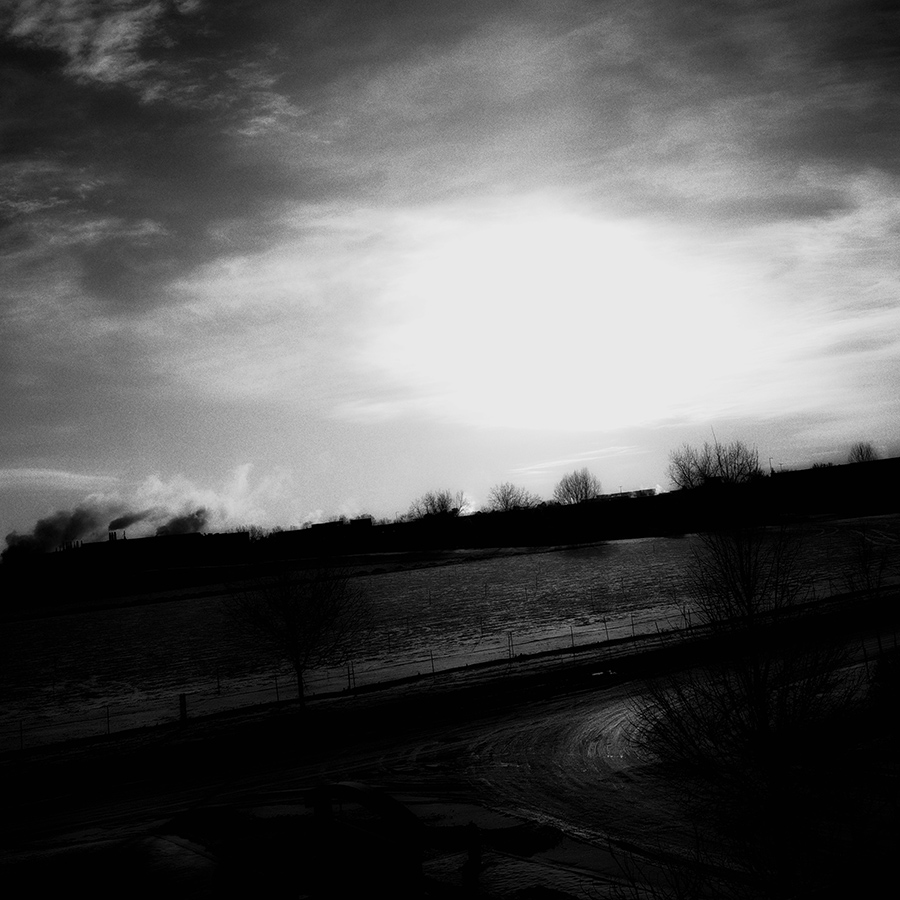
Living in the country, waking to snow left during the night, feeling the silence – the stilled silence, and then gasping and sharing with delight the sight of footprints left by silent night visitors. Memories.
I once read that the silence after a snowstorm isn’t just our imagination — all those tiny flakes actually trap the sounds of your surroundings.
“Chris Bianchi, a meteorologist at Weather Nation, described the phenomenon as a sort of citywide cup of tea: After a big storm, we can take a few minutes to relax and take in the quiet.


“The science behind that quiet comes down to how sound waves travel (or, more accurately, don’t travel) through snowflakes.
“‘Snowflakes, when they’re spaced further apart, there’s little gaps, obviously invisible to the naked human eye,’ Bianchi said. ‘But there are these little gaps within the snow and those are very efficient at absorbing sound.’
“The sound waves from cars, buildings and people get trapped in those small places between the snowflakes.
“Not just any snow can trap noise. It has to be the freshly fallen, light and fluffy. Wet and heavy snow doesn’t leave those spaces for sound to be trapped.
“One study found a couple of inches of snow can absorb as much as 60 percent of sound. Snow can act as a commercial sound-absorbing foam when it’s in that fluffy, freshly fallen state.
“As the snow starts to melt, those little sound-catching spaces start to go away too.
“(When snow melts) it compacts, and that compaction reduces the amount of little crevices and nooks and crannies that sound is able to be trapped in,” Bianchi said.
“So, for at least a few hours or even a day after a snowstorm, we can get some reprieve from all that noise around us.
“‘It’s calming, it’s relaxing, it’s tranquil,’ Bianchi said. ‘Life is kind of forced in a sense to slow down.’”
cited: CPR News, Claire Cleveland and Andrea Dukakis, “Yes, it really is quieter when it snows. Here’s the science behind the calm after the storm. February 4, 2020.
And then, the crunching sounds of footsteps ending silence.


Fujifilm X-T4: f/4.5 1/14000 s 69.8 mm 640 ISO
Fujifilm X-T4: f/16 1/210s 46.4mm 640ISO
Who knows why?
But cool somehow is the glow
of fireflies. ~Inawashiro Kansai*

*cited: Steven D Carter, Haiku Before Haiku
This week’s Lens-Artists, walking the neighborhood, challenge is offered by Travels and Trifles.
During the heat of the summer, walks occurred during the early morning with its cool(er) temperatures. This time of day parking lots are mostly empty, one may greet people who rise early to walk their dogs or to begin their day in quiet contemplation. Well … there are people who are multi-tasking on these morning photo walks as they open their eyes to see life through a camera lens and begin the challenge of 10,000 steps walking to the groceries to buy Skyr and raspberries … hum. Skyr, blackberries and nuts … hum, hum. Blue berries, anyone?
As my great-granddaughter is known to have said, “It sounds like a parfait!” I read that parfait is the French word for “perfect.” Creamy vanilla skyr is the best! Hum, hum, hum!


Thank you Tina for this challenge. It was fun.
About a year ago, I moved into 55+ apartment … second floor with east facing windows. East facing windows offer moments of awe as the sky transitions from night to dawn.
Most days I feel tied to this apartment since Jeff passed. This sense of being tethered brings to mind the work of Frank Meadow Sutcliffe. With a brief review of his life and a collection of his work within Aperture I read:
Choose one subject, anything will do — your own house, or the house opposite, or the next house — and in place of a tripod, drive a stake into the ground, nail a board on top of this, and make a screw hole in the board for the screw of your camera . . . Photograph your subject at every hour of the day, on fine days, and at intervals on dull days, photograph it after it has been rained on for weeks, and after it has been sun-dried for months. (cited: Frank Meadow Sutcliffe, the Aperture History of Photography Series: Aperture 1979).
While I dreamt of photo trips during those long-hours filled with work and family responsibilities, I find Frank Sutcliffe’s creative work serves to move me toward greater acceptance of being “tethered” during this time of transition with the challenge to open myself to the “transitory effects” of nature that transforms the landscape close to home.
For the second seven squares, there was a personal invitation to explore landscape minimalism with 7 different Fujifilm film simulations offered through the FujiXWeekly app. The first is image was created with the Retro Gold recipe.

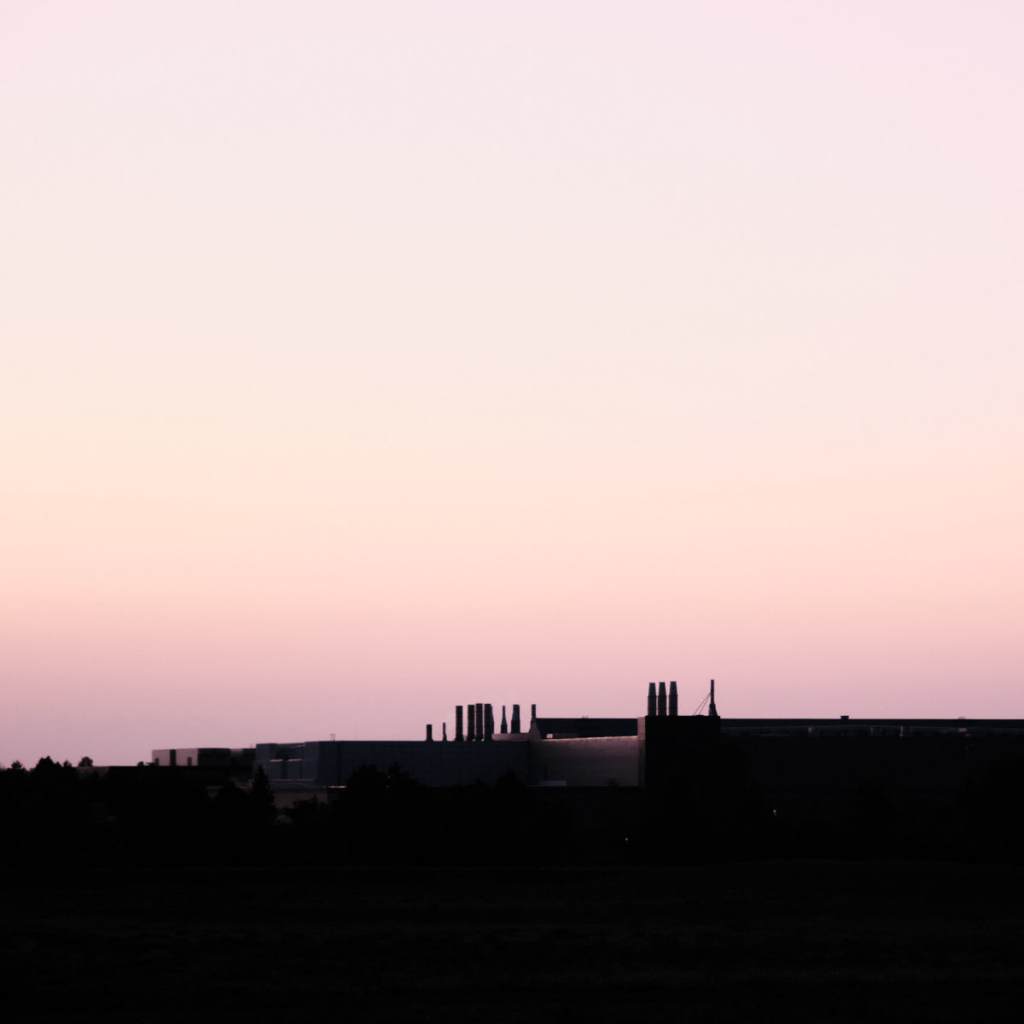


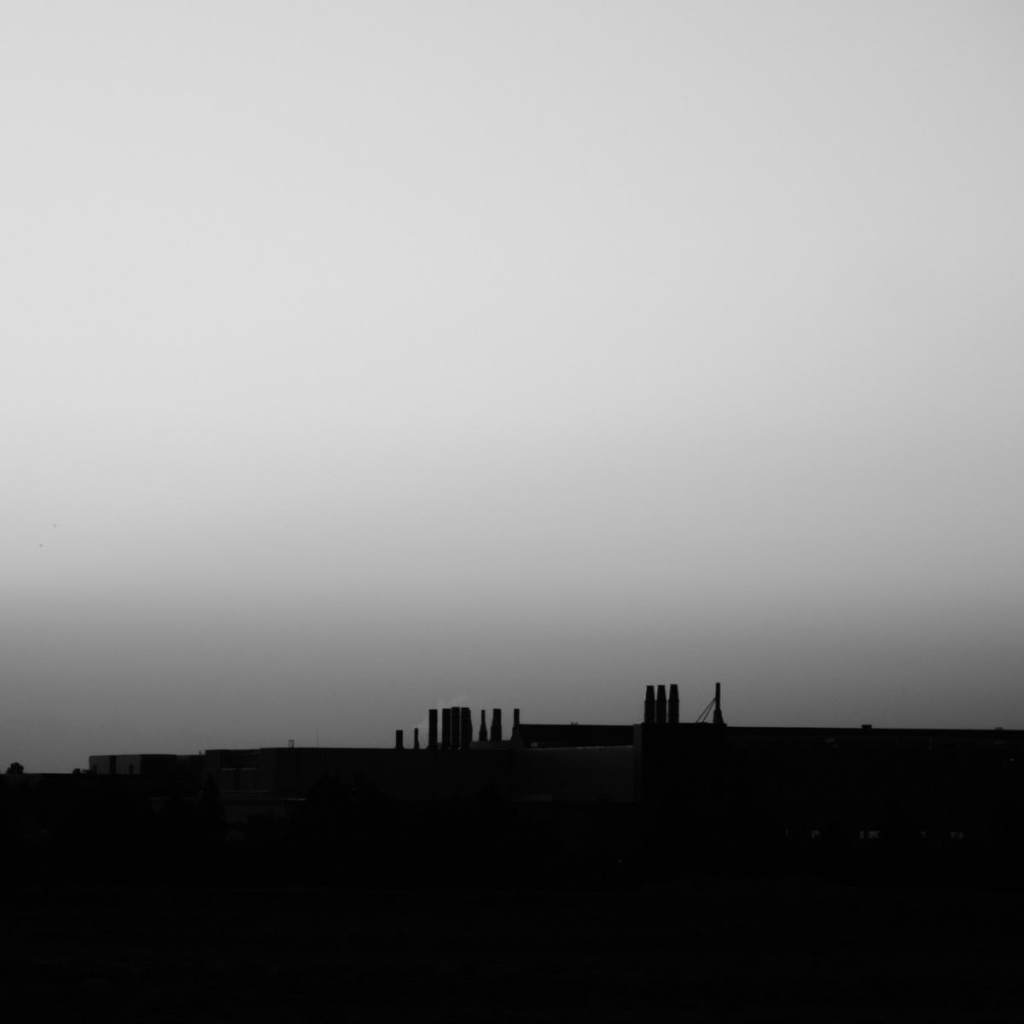
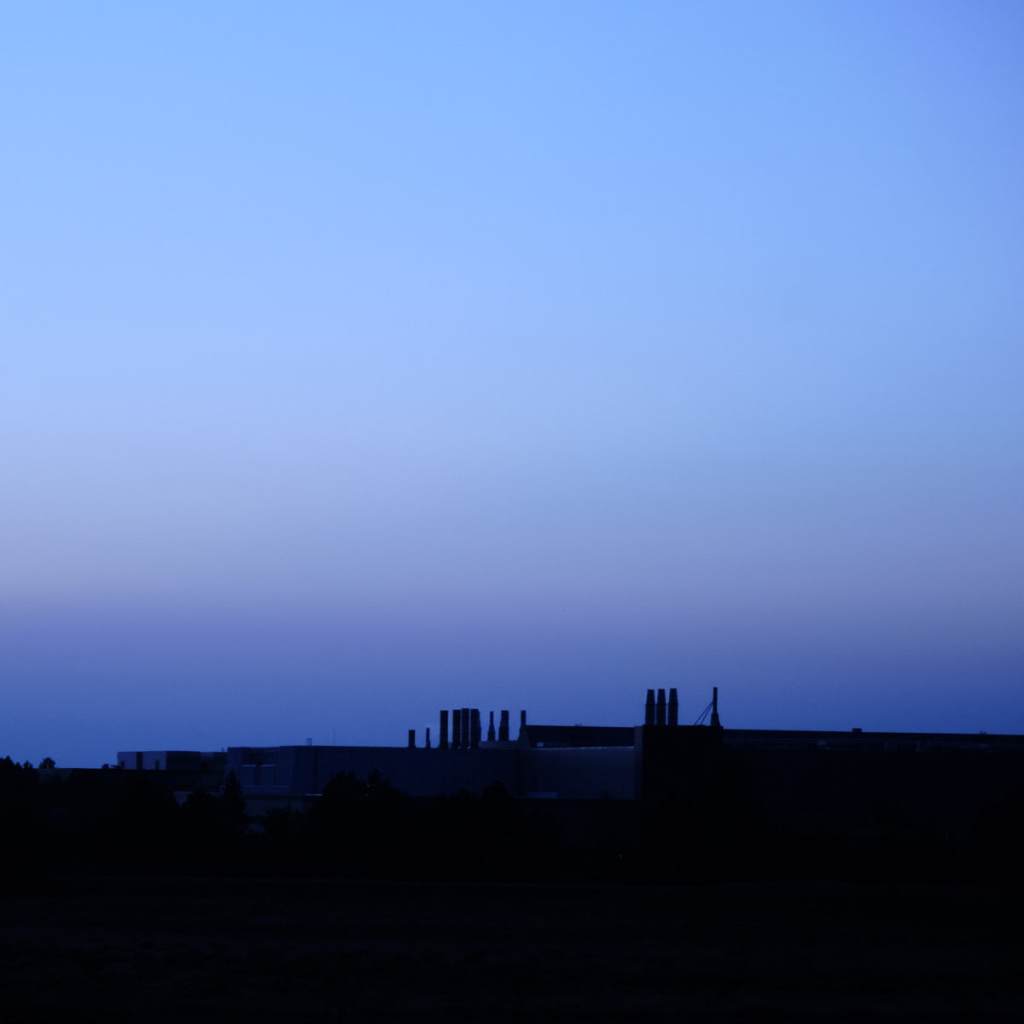
I appreciate The Life of B’s seven squares challenges as they invite me to stretch this emotional tether and open an awareness to the beauty around me. Thank you

Sofia has invited photographers to explore the use of scale with images. She writes that scale is “… something that attracts our eyes more often than we think and intuitively we look for ways to convey the size of what we’re seeing.”
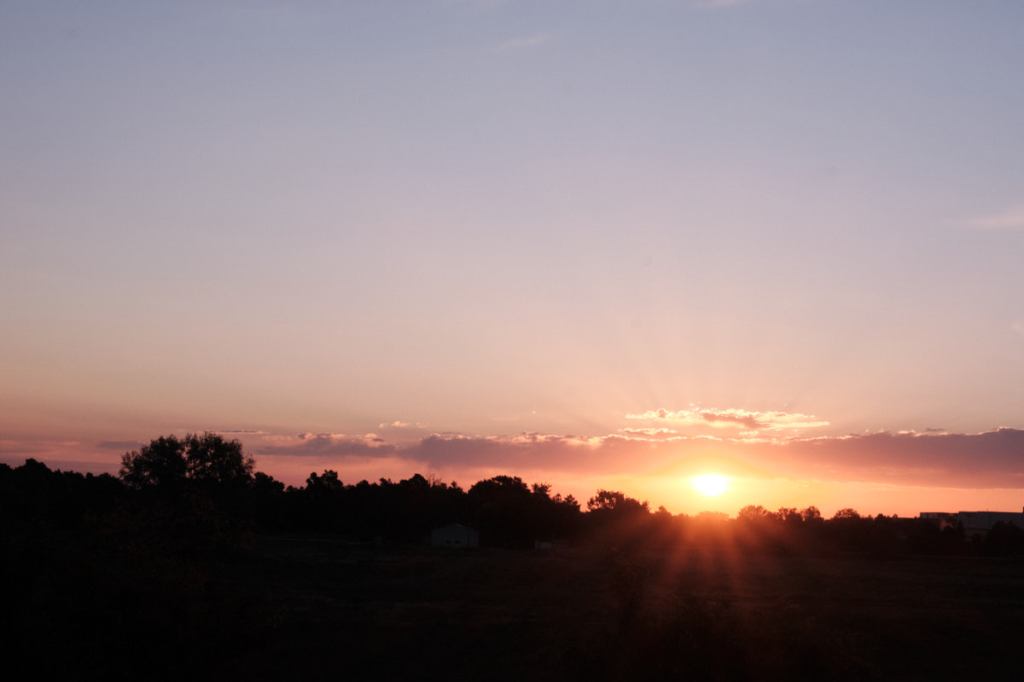
While the sun appears small within the wide expansion of the sky, the sun’s dawn invites an awareness of the expansive nature of the morning’s horizon.

Thank you Sofia for this invitation to explore sense of scale.
O for a friend–that we might see and listen together!
O the beautiful dawn in the mountain village!–
The repeated sound of cuckoos near and far away.~The Sarashina Diary*

*cited: Diaries of Court Ladies of Old Japan
 a meditative journey
You must be logged in to post a comment.