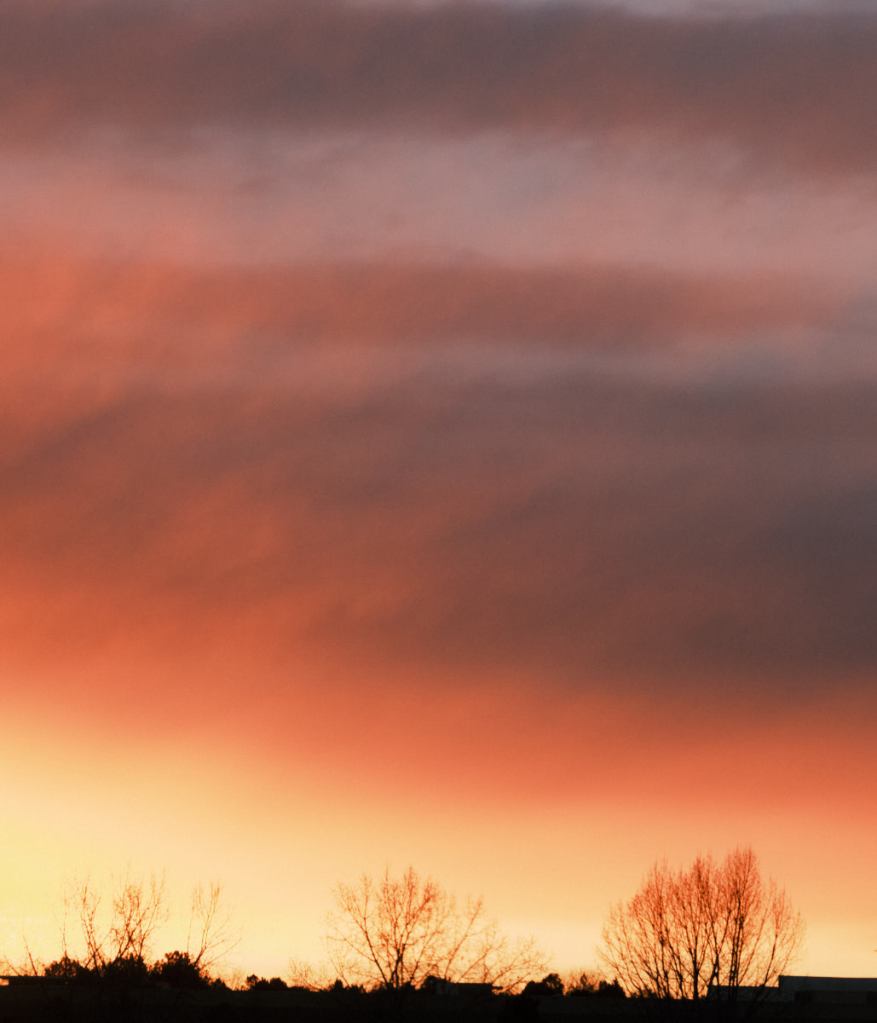
Sutcliffe rarely left Whitby [a port and resort community on the Yorkshire coast], where his portrait studio kept him busy, and said that he was ‘tethered for the greater part of each year by a chain, at most only a mile or two long.’ To most modern photographers this would seem a crippling restriction, but Sutcliffe gradually realized that it was an asset to him as a photographer since it forced him to concentrate on the transitory effects that could transform familiar scenes. …photographers should always aim for something more than ‘mere postcard records of facts.’ ‘By waiting and watching for accidental effects of fog, sunshine or cloud,’ he advised, ‘it is generally possible to get an original rendering of any place. If we only get what any one can get at any time, our labour is wasted; a mere record of facts should never satisfy us.’
cited: Frank Meadow Sutcliffe, The History of Photography Series, p 8
Horsetooth Reservoir
Journeys with John invites lens-artists to “share where you go or what you do to help lift those spirits when this old world starts getting you down”.
As I spent part of the afternoon revisiting photo files in response to Tina’s invitation to share five favorite photographs, I began to ponder, “What are the variables within photographs that come together to create a place within the heart of the eyes?”
Photographs tell of silent, vague, faded memories. Photographs are of visual moments that have grasped one’s attention. Photographs share times of exploration, of travel, of life. Photographs are representations of impermanence, light and shadow, fantasy, composition, challenges, points of view, …
Even in Kyoto— hearing the cuckoo’s cry— I long for Kyoto. ~Buson
an image created in 2013 that awakens memories of 1960s
an unforgettable smilea telling of impermanence a pear
a time of light and shadow
Thank you Tina for this quiet Sunday of reflection.
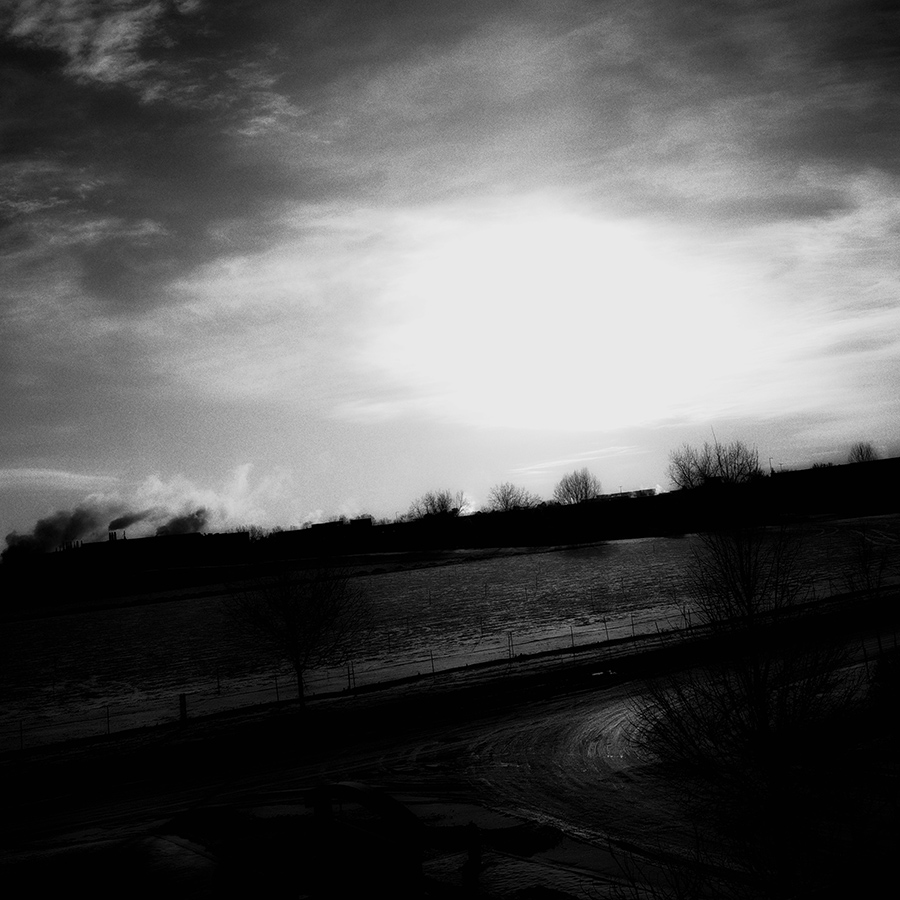
One picture … an image holding a shared moment during a winter’s drive … a silent memory of the time … the time before hearing … hearing the diagnosis … prostate cancer, stage 4.*
*A 2013 study conducted at the Portland VA Medical Center and Oregon Health and Science University found that Veterans exposed to Agent Orange are not only at higher risk for prostate cancer, but they are more likely to have aggressive forms of the disease. (cited: US Department of Veteran’s Affairs)
Leya’s lens-artists challenge: “use only ONE picture. One that you find important, meaningful to you, maybe sending a message – and then explain why you picked just that picture.”
The month of January is named for Janus, the god of doors, gates, and transitions. Janus represented the middle ground between both concrete and abstract dualities.
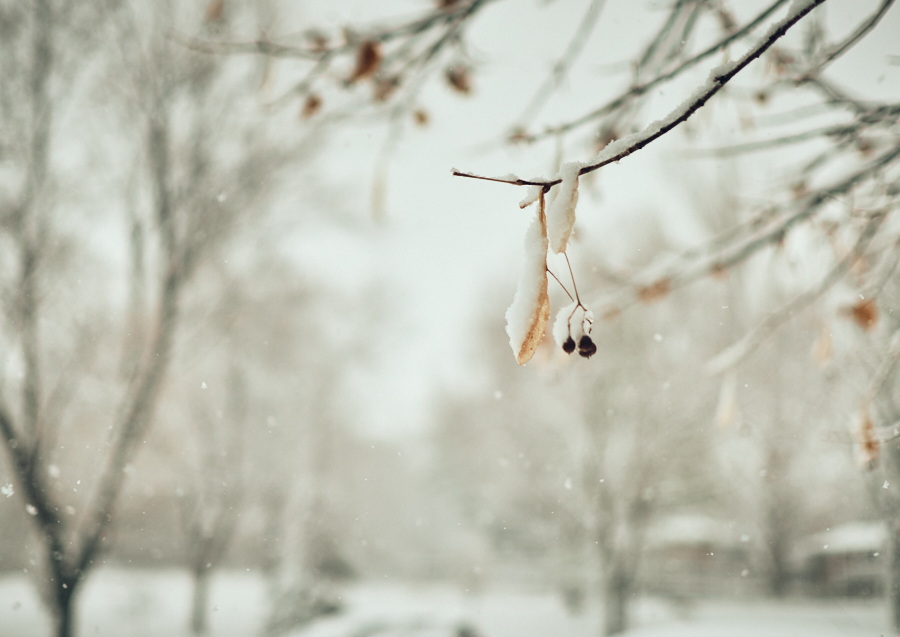
Living in the country, waking to snow left during the night, feeling the silence – the stilled silence, and then gasping and sharing with delight the sight of footprints left by silent night visitors. Memories.
I once read that the silence after a snowstorm isn’t just our imagination — all those tiny flakes actually trap the sounds of your surroundings.
“Chris Bianchi, a meteorologist at Weather Nation, described the phenomenon as a sort of citywide cup of tea: After a big storm, we can take a few minutes to relax and take in the quiet.
snowisolation
“The science behind that quiet comes down to how sound waves travel (or, more accurately, don’t travel) through snowflakes.
“‘Snowflakes, when they’re spaced further apart, there’s little gaps, obviously invisible to the naked human eye,’ Bianchi said. ‘But there are these little gaps within the snow and those are very efficient at absorbing sound.’
“The sound waves from cars, buildings and people get trapped in those small places between the snowflakes.
“Not just any snow can trap noise. It has to be the freshly fallen, light and fluffy. Wet and heavy snow doesn’t leave those spaces for sound to be trapped.
“One study found a couple of inches of snow can absorb as much as 60 percent of sound. Snow can act as a commercial sound-absorbing foam when it’s in that fluffy, freshly fallen state.
“As the snow starts to melt, those little sound-catching spaces start to go away too.
“(When snow melts) it compacts, and that compaction reduces the amount of little crevices and nooks and crannies that sound is able to be trapped in,” Bianchi said.
“So, for at least a few hours or even a day after a snowstorm, we can get some reprieve from all that noise around us.
“‘It’s calming, it’s relaxing, it’s tranquil,’ Bianchi said. ‘Life is kind of forced in a sense to slow down.’”
cited: CPR News, Claire Cleveland and Andrea Dukakis, “Yes, it really is quieter when it snows. Here’s the science behind the calm after the storm. February 4, 2020.
And then, the crunching sounds of footsteps ending silence.


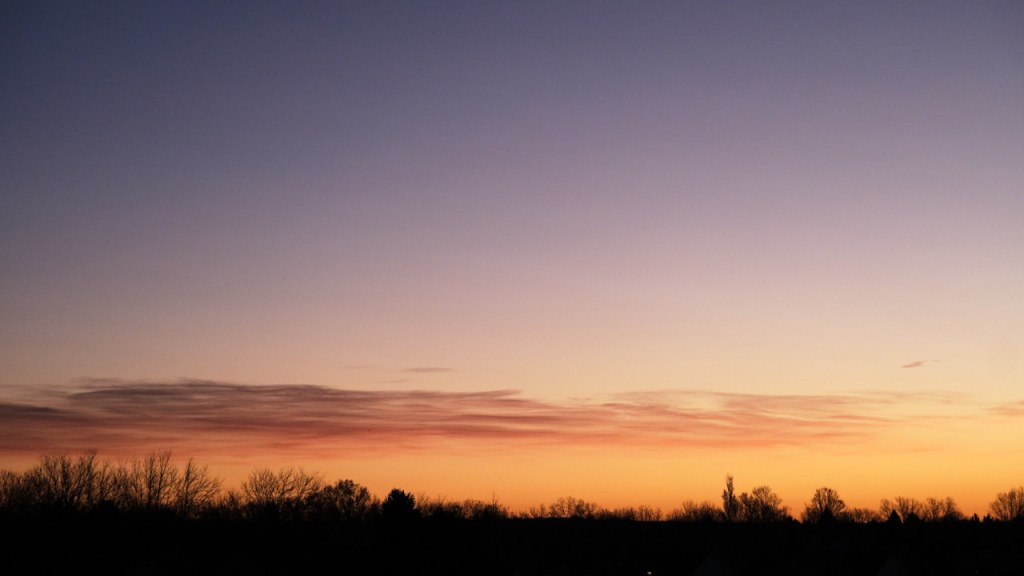


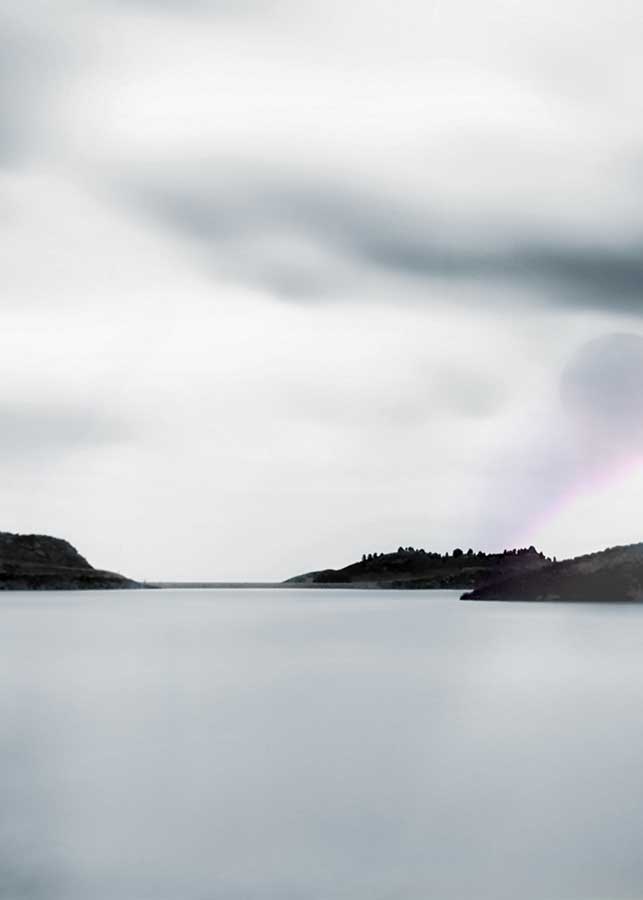
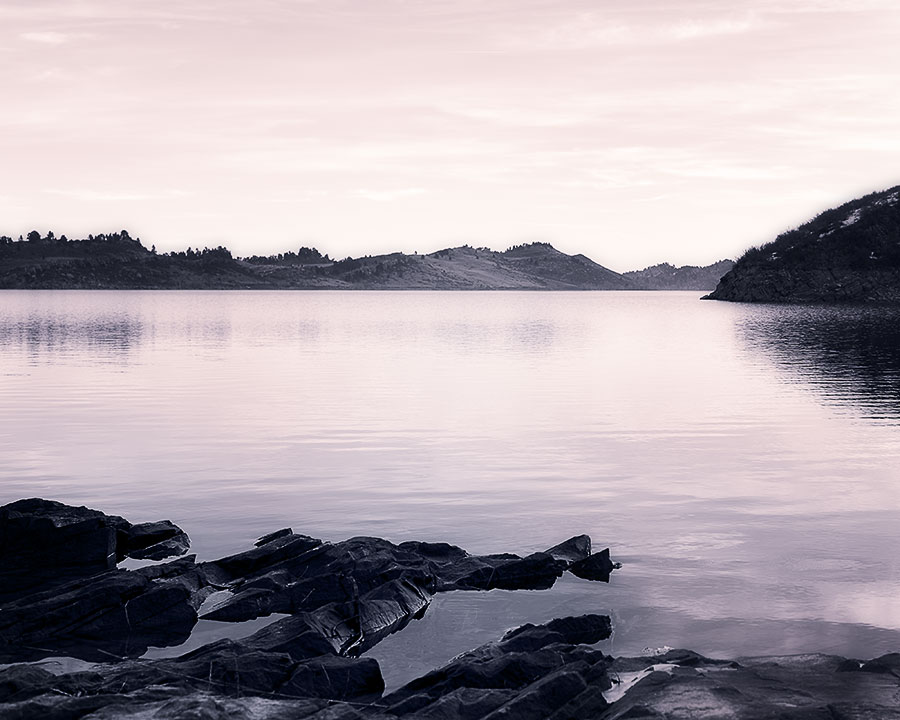


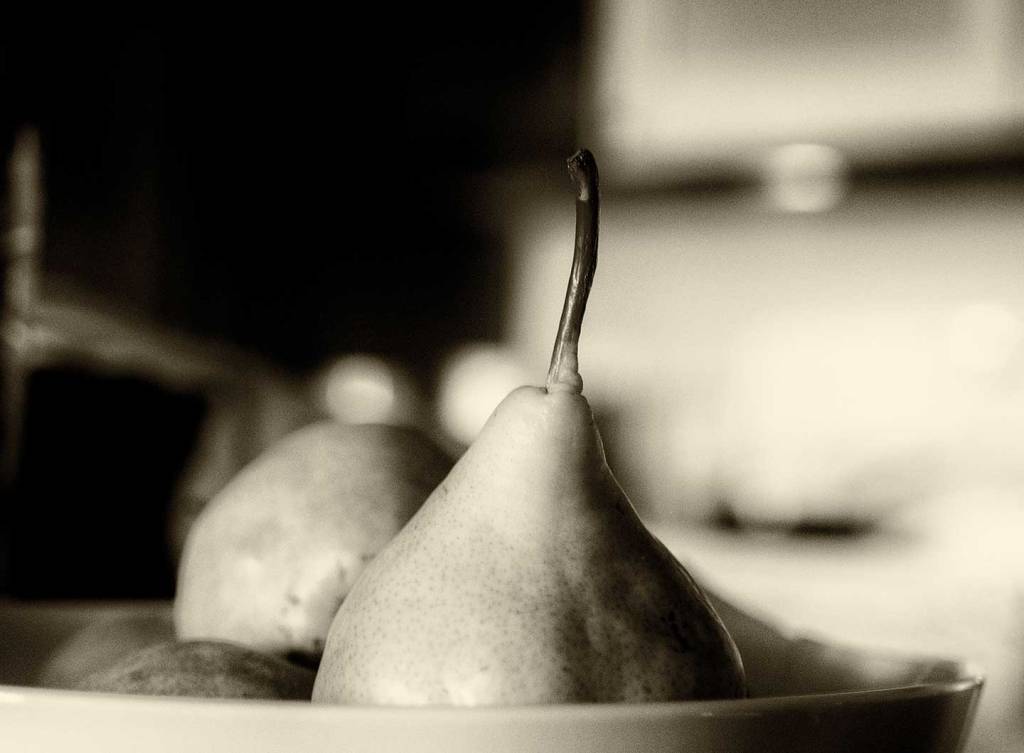








 a meditative journey
You must be logged in to post a comment.