
Ricoh GR III… f2.8 1/40 s 50 mm ISO 400
Edited: Snapseed
Ricoh GR III… f2.8 1/40 s 50 mm ISO 400
Edited: Snapseed
Ritva writes that “we work so hard to learn the photography rules, at least I do but now it is time to BREAK them!! The problem is just that in order to break a rule, you must know that there is a rule in the first place!”
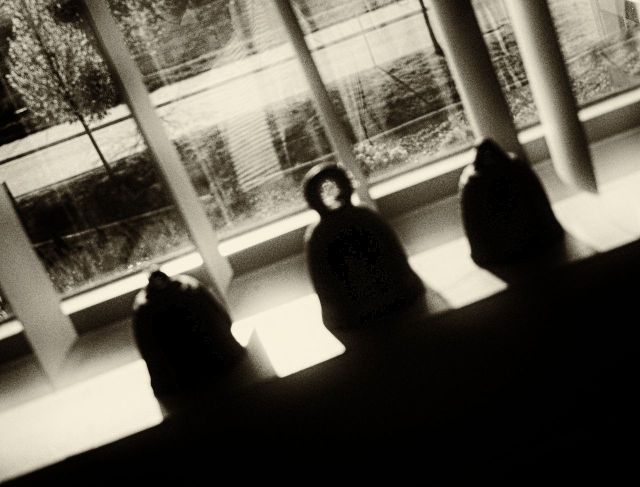
The composition guidelines (rules) used within this image:
Sub-framing – a picture in a picture is a technique which invites a viewer’s eye into an image through the use of natural or man-made elements. This invitation to the viewer to be guided from the foreground to the background also adds depth to an image. They may take multiple shapes or forms and may either dominate an image or constitute a small component in a wider composition.
Does the composition of this image invite you to be guided from the foreground to the framed tree in the left upper corner?
Rule of odds – guideline created by how the composition within an image may gift us with the balance we unconsciously seek
Does the three blurry bells gift you with a sense of balance? Or does the line composition have a negative affect on balance? I find that my head tilts in an attempt to fit the image into a sense of expectation.
Rule of thirds: the element of composition that begins with dividing an image into thirds, horizontally and vertically, creating nine imagined sections.
This image is created with five layers, do you find that the composition may have some how upset the rule of thirds?
Who speaks the sound of an echo?
Who paints the image in a mirror?
Where are the spectacles in a dream?
Nowhere at all — that’s the nature of mind!
~Tree-Leaf Woman
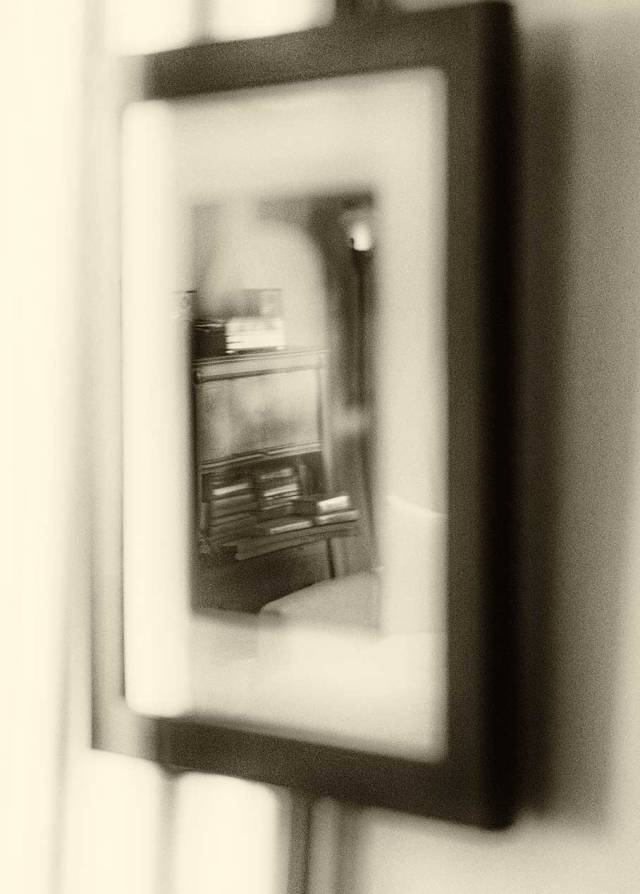
The morning’s sun light created a reflection of a room while the actual image within the photograph is transformed into a ghosty presence.
Margaret’s (From Pyrenees to Pennines) Monochrome Madness: Mirror


Leya (To See a World in a Grain of Sand) invites lens-artists to share what they saw during their outings and what they brought.
As I turned into an alley on my way to the library with hopes there would be a hard copy of Umberto Eco’s, The Name of the Rose, I found wall paintings of joy-filled companionship. Images speaking of metaphors, puns, riddles, memories?

“The question, …, was whether metaphors and puns and riddles, which also seem conceived by poets for sheer pleasure, do not lead us to speculate on things in a new and surprising way ..” (cited: Umberto Eco, The Name of the Rose)

As I spent part of the afternoon revisiting photo files in response to Tina’s invitation to share five favorite photographs, I began to ponder, “What are the variables within photographs that come together to create a place within the heart of the eyes?”
Photographs tell of silent, vague, faded memories. Photographs are of visual moments that have grasped one’s attention. Photographs share times of exploration, of travel, of life. Photographs are representations of impermanence, light and shadow, fantasy, composition, challenges, points of view, …
Even in Kyoto—
hearing the cuckoo’s cry—
I long for Kyoto. ~Buson


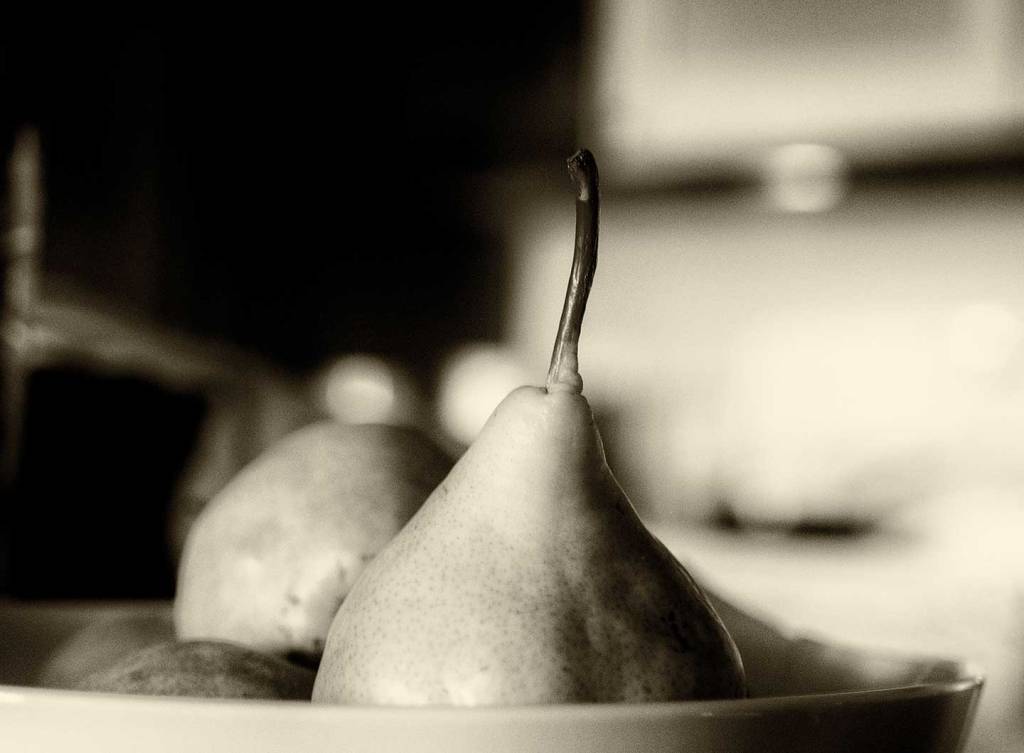

Thank you Tina for this quiet Sunday of reflection.
Ritva has invited photographers “to capture the essence and personality of your subjects. Whether you choose to ask a stranger, do a self-portrait, take the portrait of a friend, family member, or acquaintance, or photograph animals and birds, the goal is to connect with another person or subject and tell their story through your image.”

This past year has engulfed my family into intense grief with the passing of my husband and son-in-law. Both these two men, the bedrocks of the family, endured intense suffering and left us with a deeper understanding of acceptance, compassion, and suffering. There is also gratitude … gratitude for the grounding companionship of emergency response teams, doctors, nurses, support staff, military personnel.

Over the past year, the beauty of the dawn has been a source of encouragement to begin each day anew. An important part of welcoming each new day … its challenges and unknowns … has been photography.

Thank you Rita for this challenge as it invited me to spend a few minutes to play as I explored new ways to perceive life.
One picture … an image holding a shared moment during a winter’s drive … a silent memory of the time … the time before hearing … hearing the diagnosis … prostate cancer, stage 4.*

*A 2013 study conducted at the Portland VA Medical Center and Oregon Health and Science University found that Veterans exposed to Agent Orange are not only at higher risk for prostate cancer, but they are more likely to have aggressive forms of the disease. (cited: US Department of Veteran’s Affairs)
Leya’s lens-artists challenge: “use only ONE picture. One that you find important, meaningful to you, maybe sending a message – and then explain why you picked just that picture.”
This week Patti invites photographers to explore a couple of questions in regards to black and white vs color images: 1) When is it best to use one vs the other? 2) What’s the benefit of each one?
First I have to admit that even though I have read various articles about what types of photographs are ideal for black and white, I generally move in and out of an experimental flow of emotional responses.
For example the first image was edited in Capture One from a raw file to a jpg. The black and white image was edited in Silver Efex Pro2. The last was edited in Color Efex Pro 4 which, for me, invokes a stimulus response of soft and gentle.

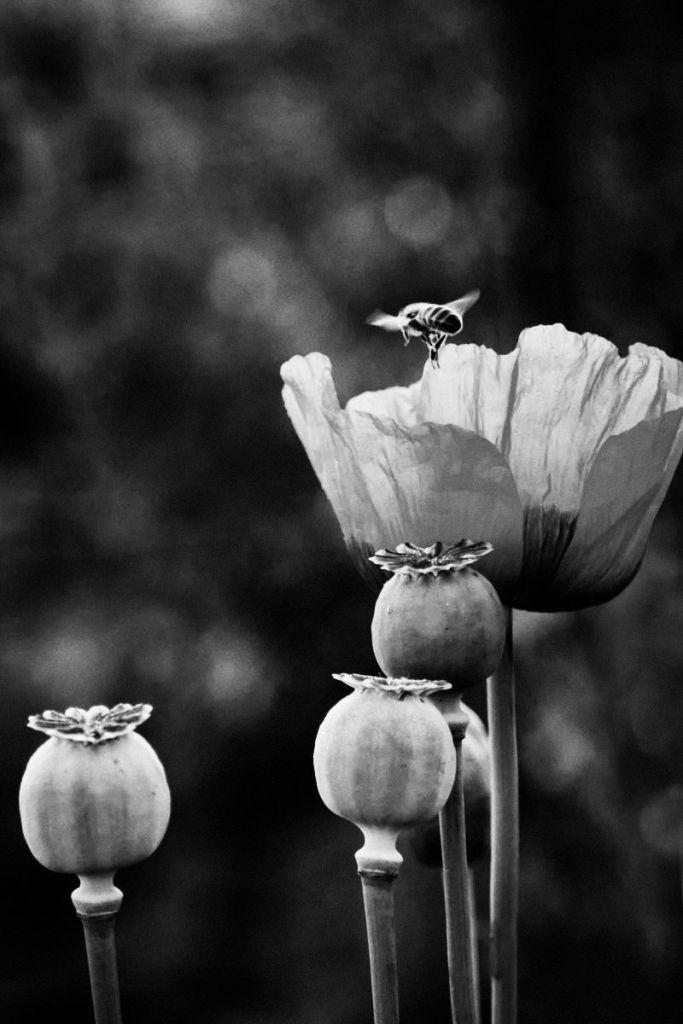

As I’ve been experiencing difficulties using Photoshop and Capture One due to upgrades, I made the very difficult decision to cancel both subscriptions. Anyone have any recommendations for editing programs that will work with an ISO 13.7.3?
Thank you for visiting.


 a meditative journey
You must be logged in to post a comment.