



joining B’s challenge for September: seven squares

Ritva Sillanmäki invites an exploration of “Taking the mundane and shining a different light on it. Highlighting an object or scene that we normally pass by without notice, and making it something special. This process allows us to appreciate the beauty and significance of everyday things that often go overlooked. By giving attention to these ordinary elements, we can find inspiration and joy in the simple moments of life”.
I once read that a photograph of a peanut taken at a distance is just an image of a peanut. A photograph of a peanut that fills the image space is art.
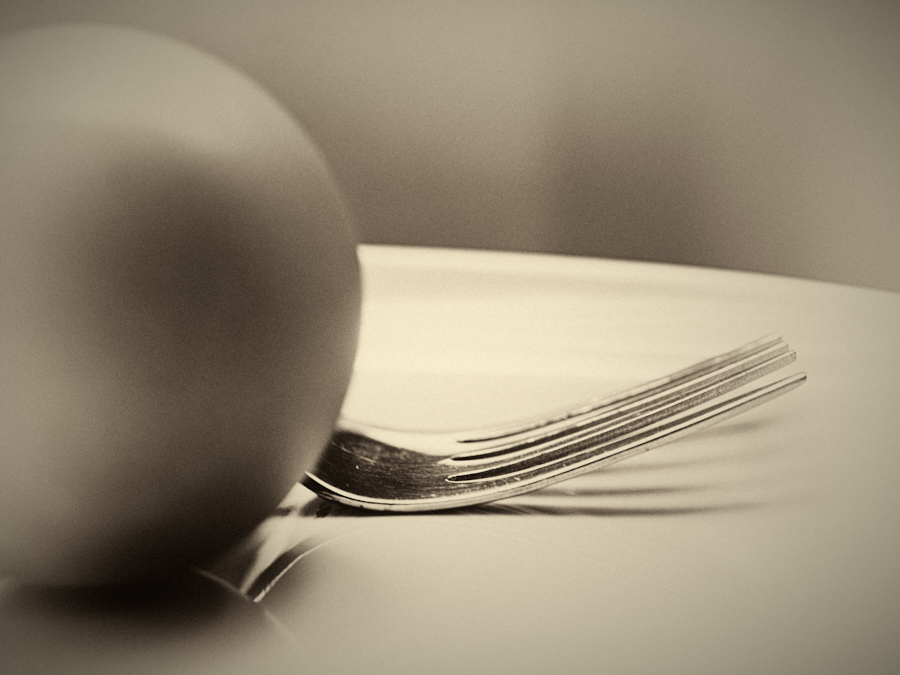
This week’s lens-artists challenge is sponsored by Egidio (Through Brazilian Eyes) who writes, “By two rectangles, I mean you have two dominant rectangular areas in your image. For many people, this is one of those compositional tools we use without thinking about it. These rectangles give balance, harmony, and unity to a composition.”
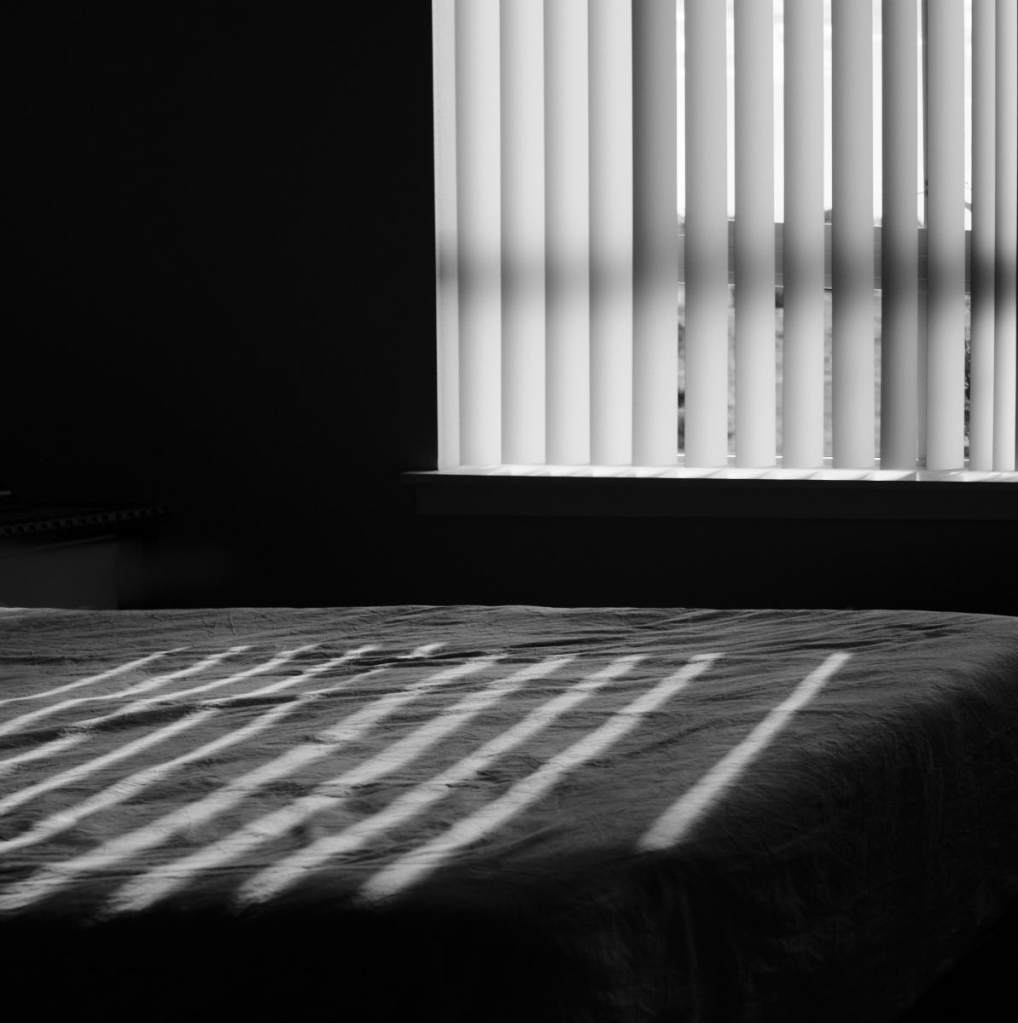
Egidio shared a compositional tool used by Renaissance artists, “Renaissance artists used the technique called the Rabatment (also known as rebatement and rabattement) of the rectangle. One can think of Rabatment as putting a square inside a rectangle. Your composition is more potent when your subject falls on that line inside the square. The Rabatment concept helps guide the photographer’s eye to position elements harmoniously and organized within the rectangular frame. It’s not a rigid rule or grid but a tool to achieve a pleasing composition.”


are the geese yearning
to depart…
or not? Issa*

*cited: haikuguy.com

“Photography is all about evoking feelings and emotions. They can be hidden and obscure, or specific and obvious. They flow right on the surface of a photograph, slapping you across the face, or swim below, awaiting discovery.”~Peter Grof*


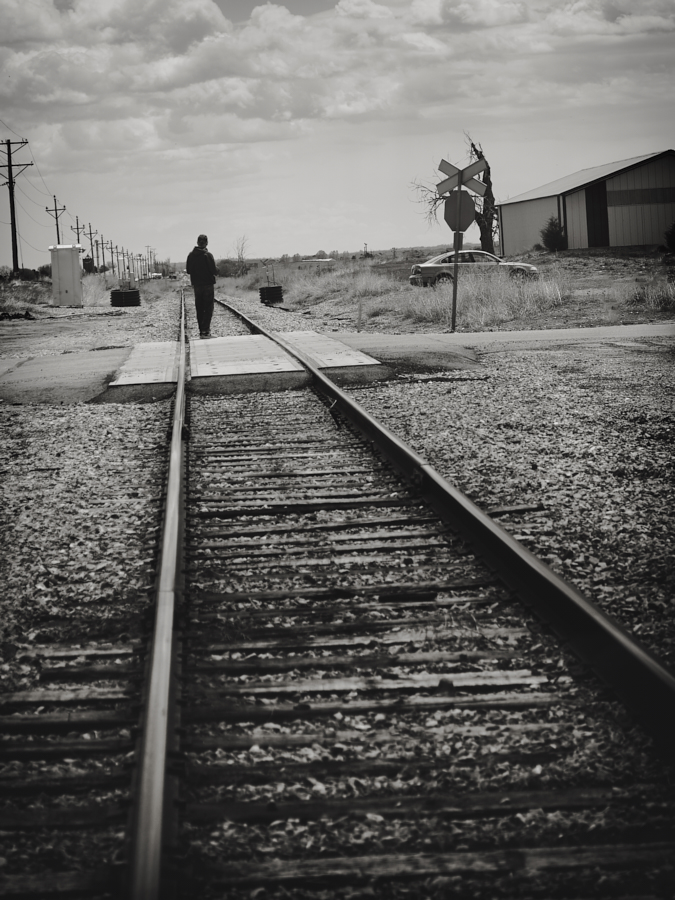

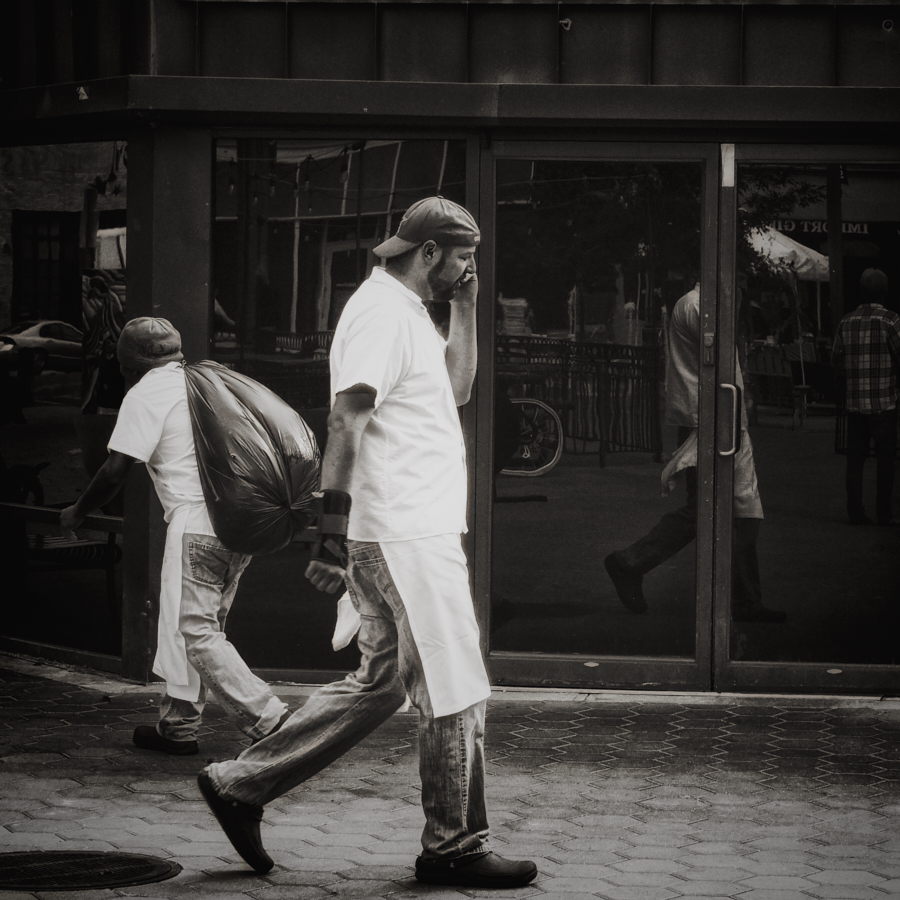


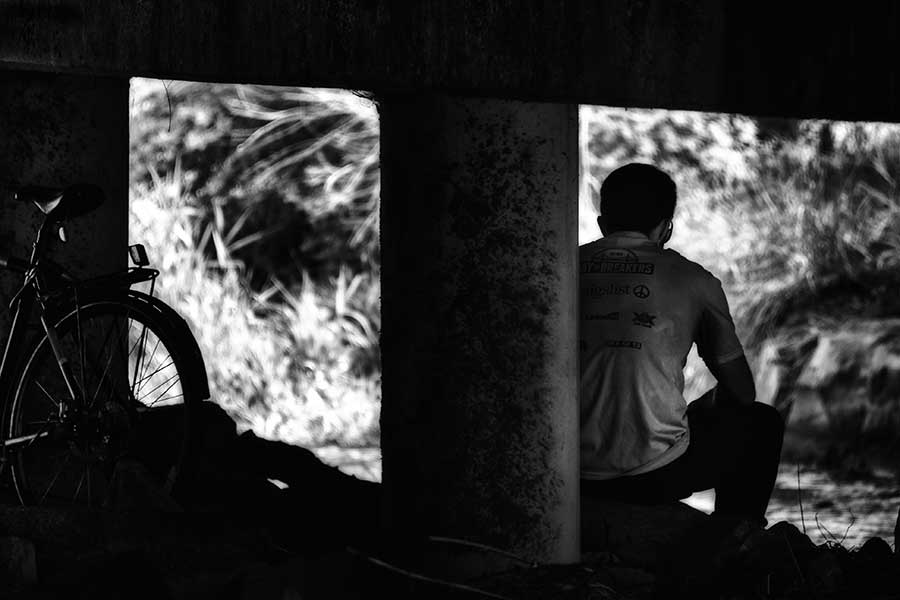
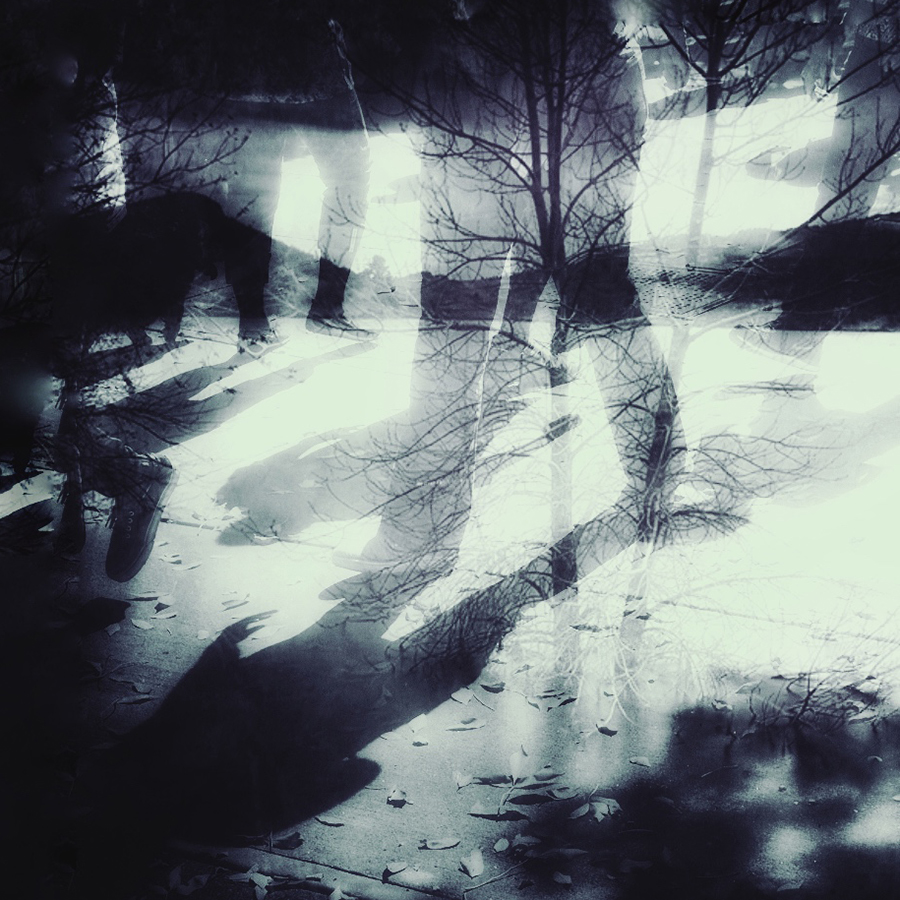
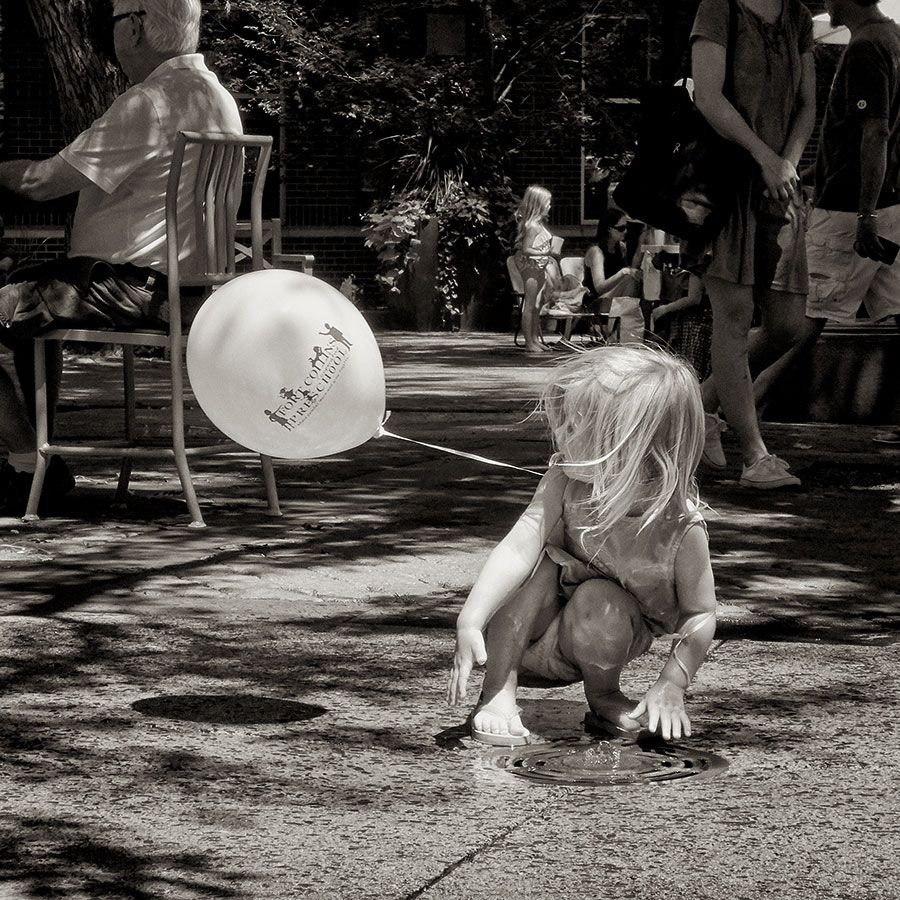
“And a woman who held a babe against her bosom said, Speak to us of Children.

“And he said:
“Your children are not your children. …
They are the sons and daughters of Life’s longing for itself. …
“You may give them your love but not your thoughts.


“For they have their own thoughts.
“You may house their bodies but not their souls,
For their souls dwell in the house of tomorrow, which you cannot visit, not even in your dreams. …”*
Images posted in response to Tina’s lens-artists challenge: to be young again.
*cited: Kahlil Gibran, The Prophet, pg. 17
saturday morning with Kahlil Gibran
“Then a woman said, Speak to us of Joy and Sorrow.
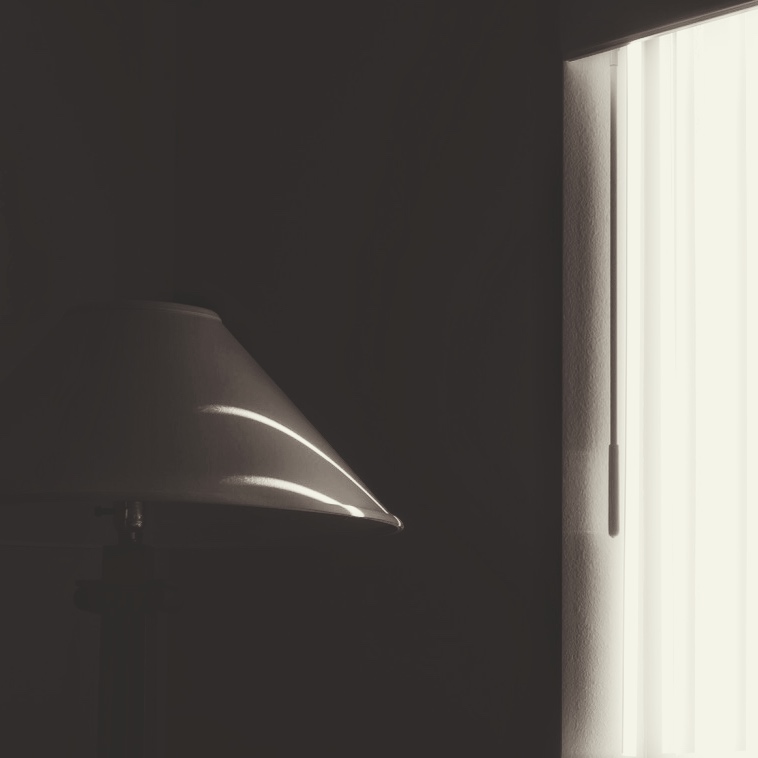
… Your joy is your sorrow unmasked.
And the selfsame well from which your laughter rises was often times filled with your tears.
… The deeper that sorrow carves into your being, the more joy you can contain.
…Some of you say, “Joy is greater than sorrow,” and others say, “Nay, sorrow is the greater.”
But I say unto you, they are inseparable.
… Verily you are suspended like scales between your sorrow and your joy.
Only when you are empty are you at stand still and balanced.” …*
*cited: Kahlil Gibran, The Prophet, 1973. pp 29-30
Leica V-Lux 5, f/4 … 1/60 s … 32.65 mm … 125 ISO

My abode is
in winter seclusion
on this white mountain in Echigo.
No trace of humans
coming or going.
~Ryokan*

*cited:
Sky Above, Great Wind
K Tanahashi
John’s lens-artists’ challenge invited me to open up my photographer’s eyes to the compositional elements of shape, form, texture, and light. I thought to expand this challenge to include Ted Forbes’ invitation to “think in pairs” … the page spread. Ted Forbes notes that thinking in pairs is the “building block” of a printed body of work as well as an invitation to image how photographs might speak visually to one another,
So jumping into this challenge…which has indeed been a challenge.
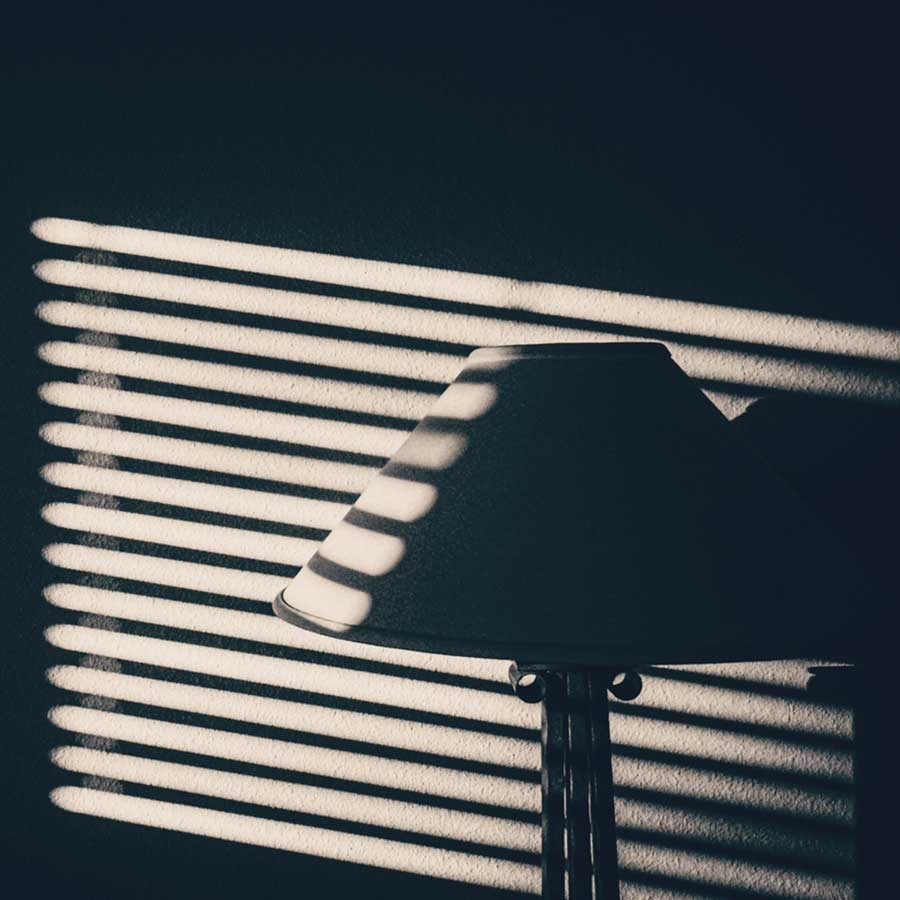
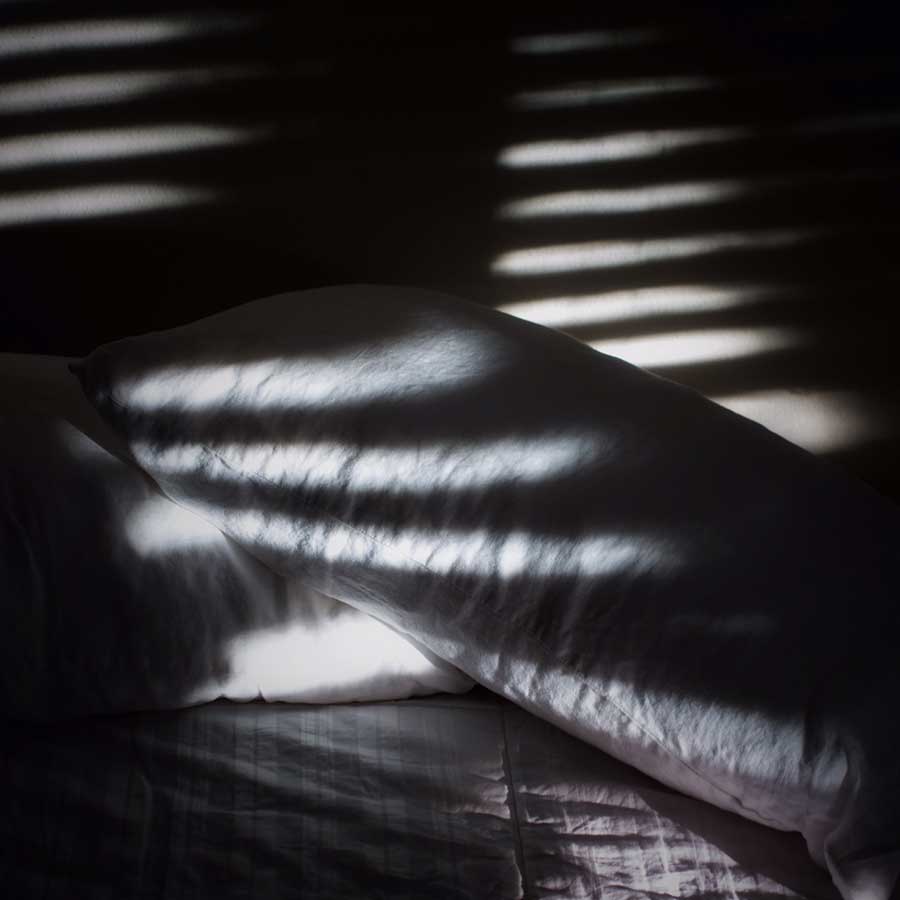
The first pair of images includes the use of light to form horizontal lines. Also my eye sees a triangle form and shape within in both images.


The second pair of images include circular shapes, as well as, a bit of texture and the use of monochrome.
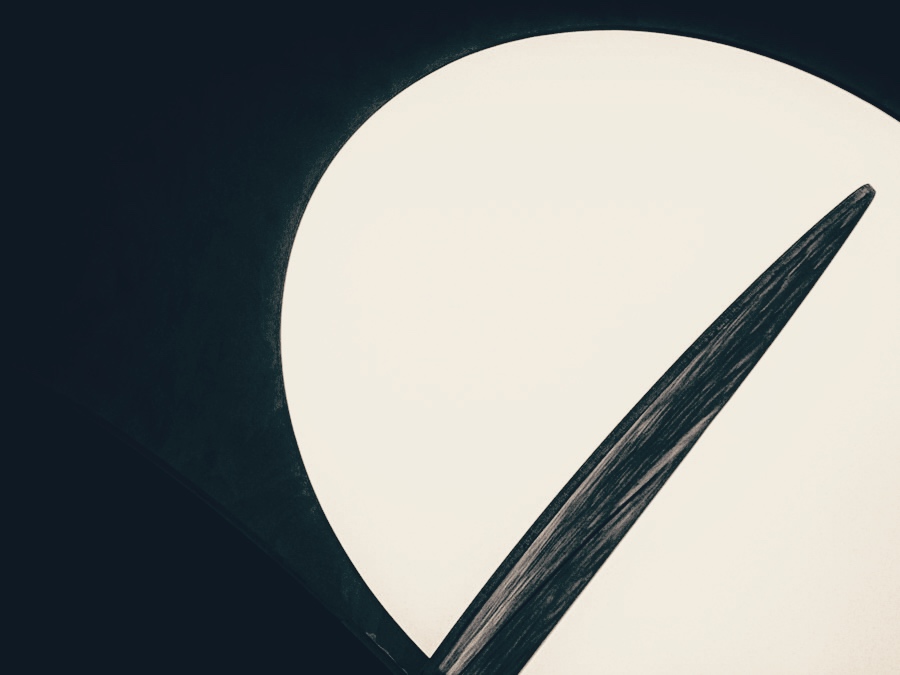
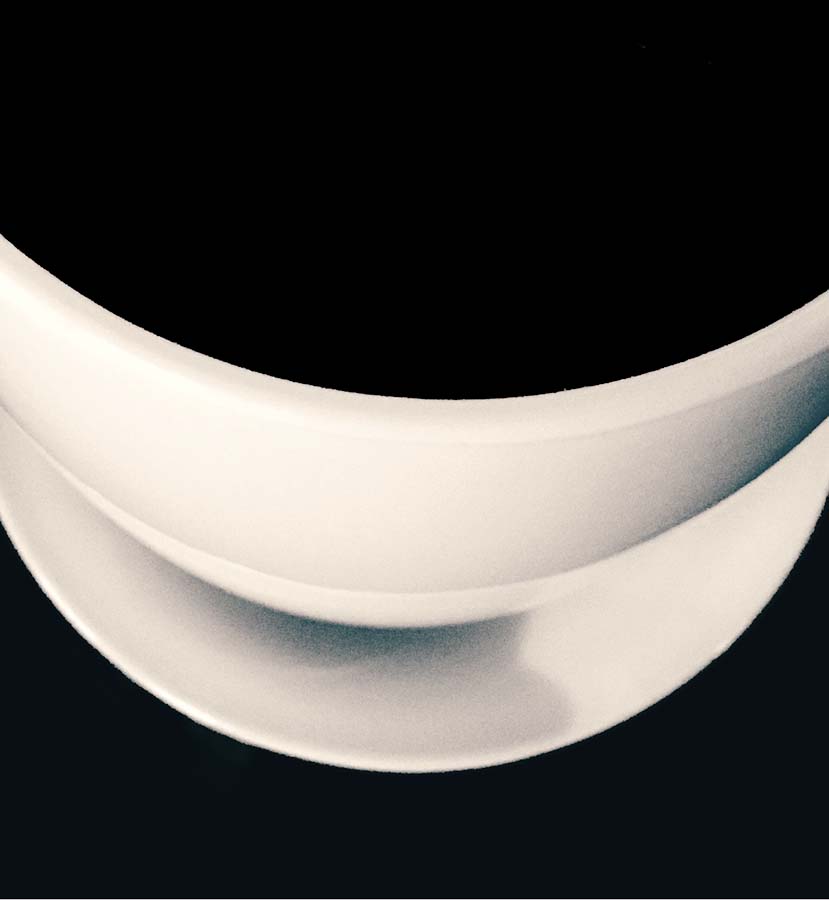
The third pair of images (which is my favorite) includes the use of triangles and texture (sidewalk and jeans).
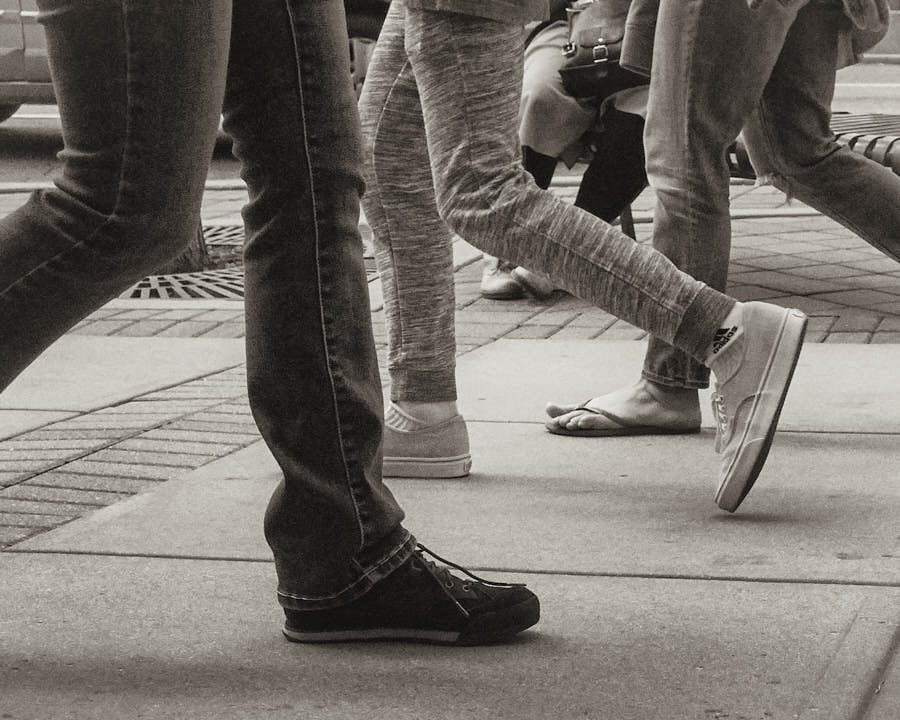

The fourth pair is composed of still life photographs that includes the use of shapes, texture, light and shadow, and form. The element within both images that brought them together for me is the stems.
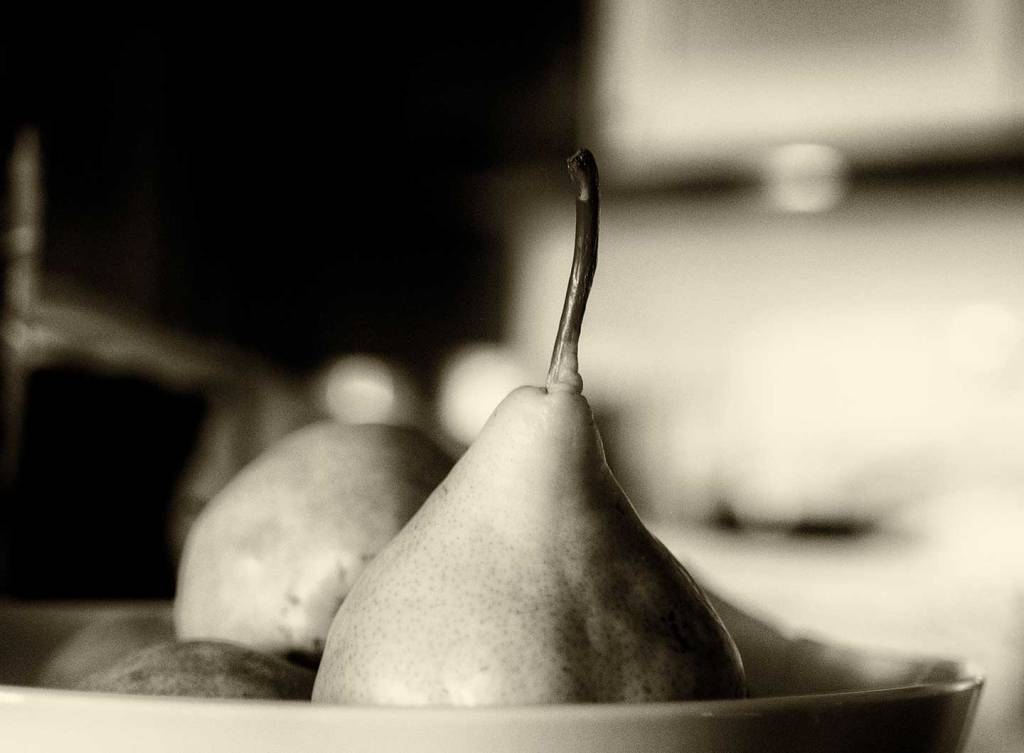

Journeys with Johnbo’s lens-artists challenge invites photographers to see the compositions of shape, form, texture, and light


You must be logged in to post a comment.