carving aged faces
sunset by sunset – whitening streaked hair
days of yesterdays

carving aged faces
sunset by sunset – whitening streaked hair
days of yesterdays
If I say
this or that,
how ordinary grief becomes –
broken cries are the words
that sorrow’s voice demands
~Izumi Shikibu*
*cited:
The Ink Dark Moon
Trans: J Hirshfield & M Aratani
How peaceful is
Every single dawn;
I gaze out, yet
Still in the depths of night
I dream…a grief, indeed.
~Princess Shokushi*
“The sight of the leaves ever reminds me strangely of my own sadness. I cannot go within, but lie on the veranda; mayhap my end is not far off. I feel a vague anger that others are in comfortable sleep and cannot sympathize with me. Just now I hear the faint cry of a wild goose.* Others will not be touched by it, but I cannot endure the sound.
How many nights, alas!-
Sleepless-
Only the calls of the wild geese-
~The Diary of Izumi Shikibu (cited: Diaries of Court Ladies of Old Japan)

*Footnote within the Diary of Court Ladies of Old Japan notes that the “wild geese visit Japan in Autumn and fly away northwards in the early spring. They are never alone, and their cries calling to each other make the solitary woman feel loneliness more keenly.”
“For remembrance of her I wanted to write about her,”… but I stopped short with the words, “Ink seems to have frozen up, I cannot write any more.” *
How shall I gather memories of my sister?
The stream of letters is congealed.
No comfort may be found in icicles
~The Sarashina Diary (Diaries of Court Ladies of Old Japan)

*The continuous writing of the cursive Japanese characters is often compared to a meandering river. “Ink seems to have frozen up” means that her eyes are dim with tears, and no more she can write continuously and flowingly.
braids, ponytails, bangs
such are the things of the past-
winter’s memories

People … communicating through their silence … speaking through through their nonverbal actions
Issa speaking through time through his poetry:
people are people
I am me…
in my cool house ~Issa*
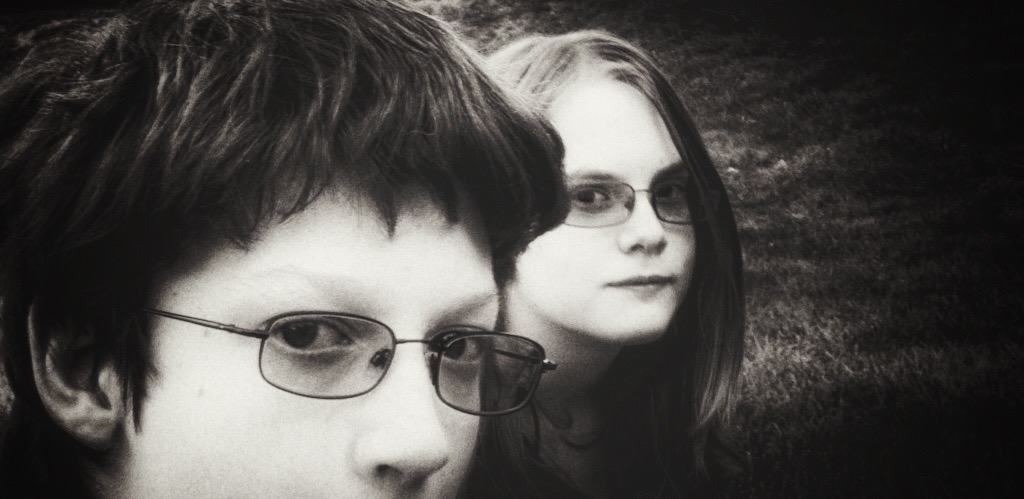


Travels and Trifles’ lens-artists challenge: people here, there, and everywhere
*cited: http://www.haikuguy.com
O for a friend–that we might see and listen together!
O the beautiful dawn in the mountain village!–
The repeated sound of cuckoos near and far away.~The Sarashina Diary (1009-1059)*
*cited: Trans: A S Omori & K Dot, Diaries of Court Ladies of Old Japan
Leica V-Lux 5: f/4 …. 1/125 s … 146 mm … 640 ISO
on a light breeze,
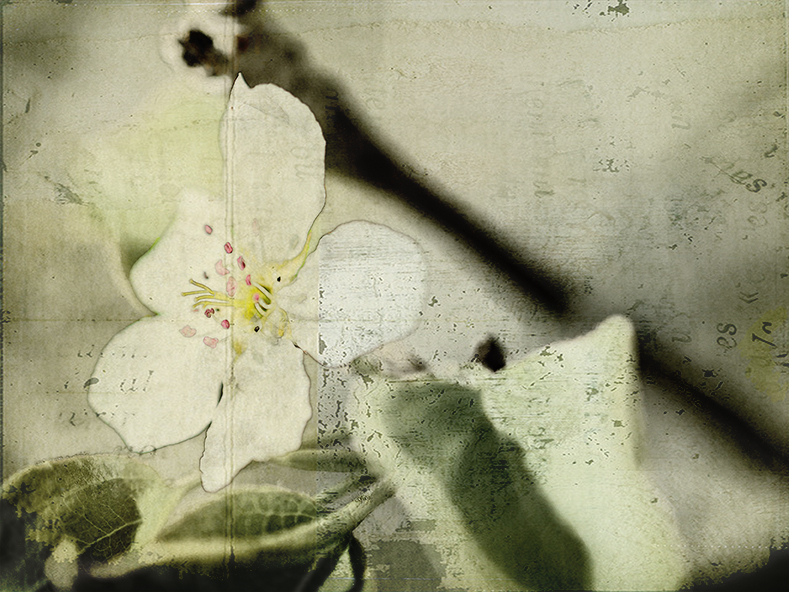
the heavy scent of blossoms
at morning ~Mitsuhiro*
*cited:
Haiku before Haiku
S Carter
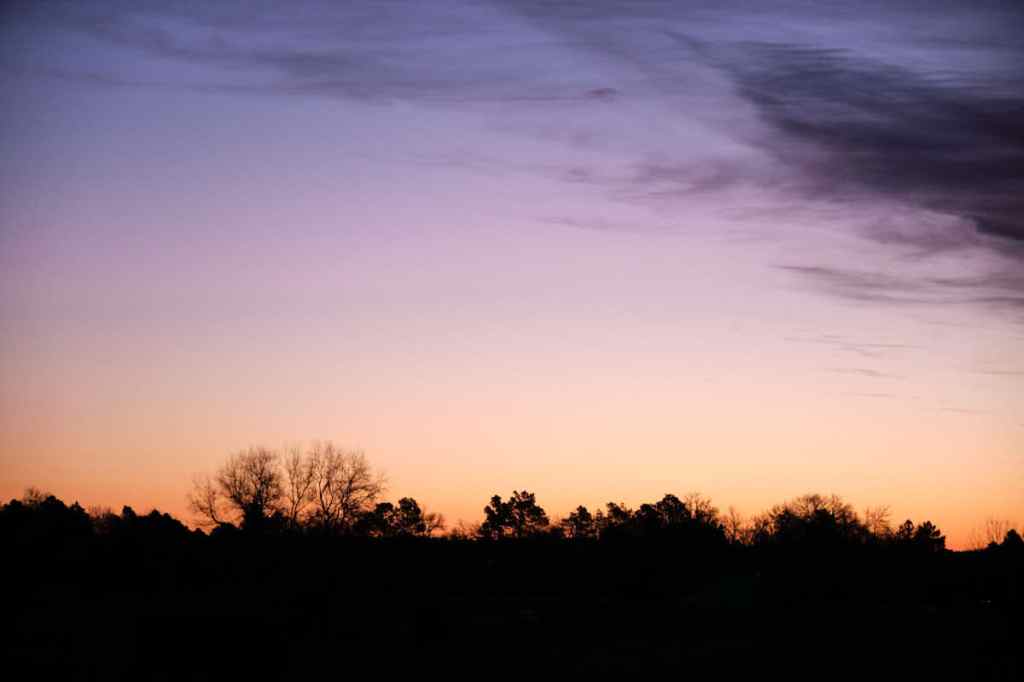
‘”I anxiously waited for the dawn with uncertain hope.”‘
The temple bell roused me from dreams
And waiting for the starlit dawn
The night, alas! was long as are
One hundred autumn nights.‘ ~ The Sarashina Diary
*cited: Trans: A. S. Omori & K Dot, Diaries of Court Ladies of Old Japan
morning coffee
wind chimes, whispering
second awakening
 The ocean of suffering is immense, but if you turn around, you can see the land. The seed of suffering in you may be strong, but don’t wait until you have no more suffering before allowing yourself to be happy. When one tree in the garden is sick, you have to care for it. But don’t overlook all the healthy trees. Even while you have pain in your heart, you can enjoy the many wonders of life — the beautiful sunset, the smile of a child, the many flowers and trees. To suffer is not enough. Please don’t be imprisoned by your suffering. … When you have suffered, you know how to appreciate the elements of paradise that are present. If you dwell only in your suffering, you will miss paradise. Don’t ignore your suffering, but don’t forget to enjoy the wonders of life. For your sake and the benefit of many beings.
When I was young, I wrote this poem. I penetrated the heart of the Buddha with a heart that was deeply wounded.
My youth
an unripe plum.
Your teeth have left their marks on it.
The tooth marks still vibrate.
I remember always,
remember always
Since I learned how to love you,
the door of my soul has been left wide open
in the winds of the four directions.
Reality calls for change.
The fruit of awareness is already ripe,
and the door can never be closed again.
Fire consumes this century,
and mountains and forest bear its mark.
The wind howls across my ears,
while the whole sky shakes violently in the snowstorm.
Winter’s wounds lie still,
Missing the frozen blade,
Restless, tossing and turning
in agony all night.
I grew up in a time of war…Once the door of awareness has been opened, you cannot close it. The wounds of war in me are still not all healed. … Embrace your suffering, and let it reveal to you the way to peace.
~Thich Nhat Hanh (The Heart of the Buddha’s Teaching, pp. 3-5)


You must be logged in to post a comment.