“…Woke up in the middle of the night. And suddenly remembered my important dream. A few minutes of intense effort to bring it back. Gluttonous. Greedy. Had the feeling that the dream was part of my personality, that I had the right to hang on to it, that I must not let it escape me, that I had to be certain of it if I am to be a rounded and whole person.*
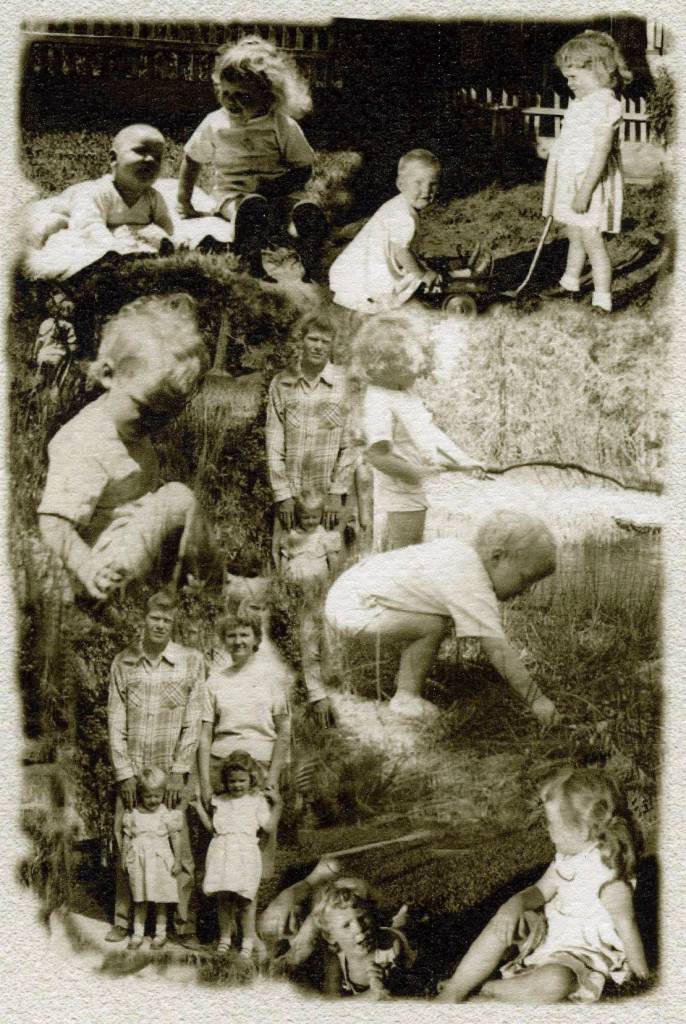
The personal story is a narrative of our unique sense of identity. We create our identities through the stories we weave onto a tapestry that is formed against the background of our family mythologies.
We pull threads from of an assemblage of recalled details from our pasts and weave them into images that cast us in whatever role corresponds with our current situations, feelings, thoughts, or actions. The colored threads of this tapestry are often re-embroidered to reflect the creative and dynamic process of our perspectives as we shift in, out, and between various roles, feeling states, and cognitions. As we reflect on our self-created images we are in turn affected by them; therefore, there is an unconscious re-weaving of our tapestries.
Excerpt: Koeford, B., A Meditative Journey with Saldage
“Artists are people driven by the tension between the desire to communicate and the desire to hide.” ― Donald Woods Winnicott
Blogging despite living within a continuum of a drive to communicate through art and an emotional need to be hidden behind one’s art … is an act of courage.
“It is a joy to be hidden, and disaster not to be found.” ― D.W. Winnicott
“… ‘What is REAL?’ asked the Rabbit one day, when they were lying side by side near the nursery fender, before Nana came to tidy the room. ‘Does it mean having things that buzz inside you and a stick-out handle?’
‘Real isn’t how you are made,’ said the Skin Horse. ‘It’s a thing that happens to you. When a child loves you for a long, long time, not just to play with, but REALLY loves you, then you become Real.’
‘Does it hurt?’ asked the Rabbit.
‘Sometimes,’ said the Skin Horse, for he was always truthful. ‘When you are Real you don’t mind being hurt.’
‘Does it happen all at once, like being wound up,’ he asked, ‘or bit by bit?’
‘It doesn’t happen all at once,’ said the Skin Horse. ‘You become. It takes a long time. That’s why it doesn’t happen often to people who break easily, or have sharp edges, or who have to be carefully kept. Generally, by the time you are Real, most of your hair has been loved off, and your eyes drop out and you get loose in the joints and very shabby. But these things don’t matter at all, because once you are Real you can’t be ugly, except to people who don’t understand.’
The Rabbit sighed. He thought it would be a long time before this magic called Real happened to him. He longed to become Real, to know what it felt like; and yet the idea of growing shabby and losing his eyes and whiskers was rather sad. He wished that he could become it without these uncomfortable things happening to him.” ~The Velveteen Rabbit, M. Williams
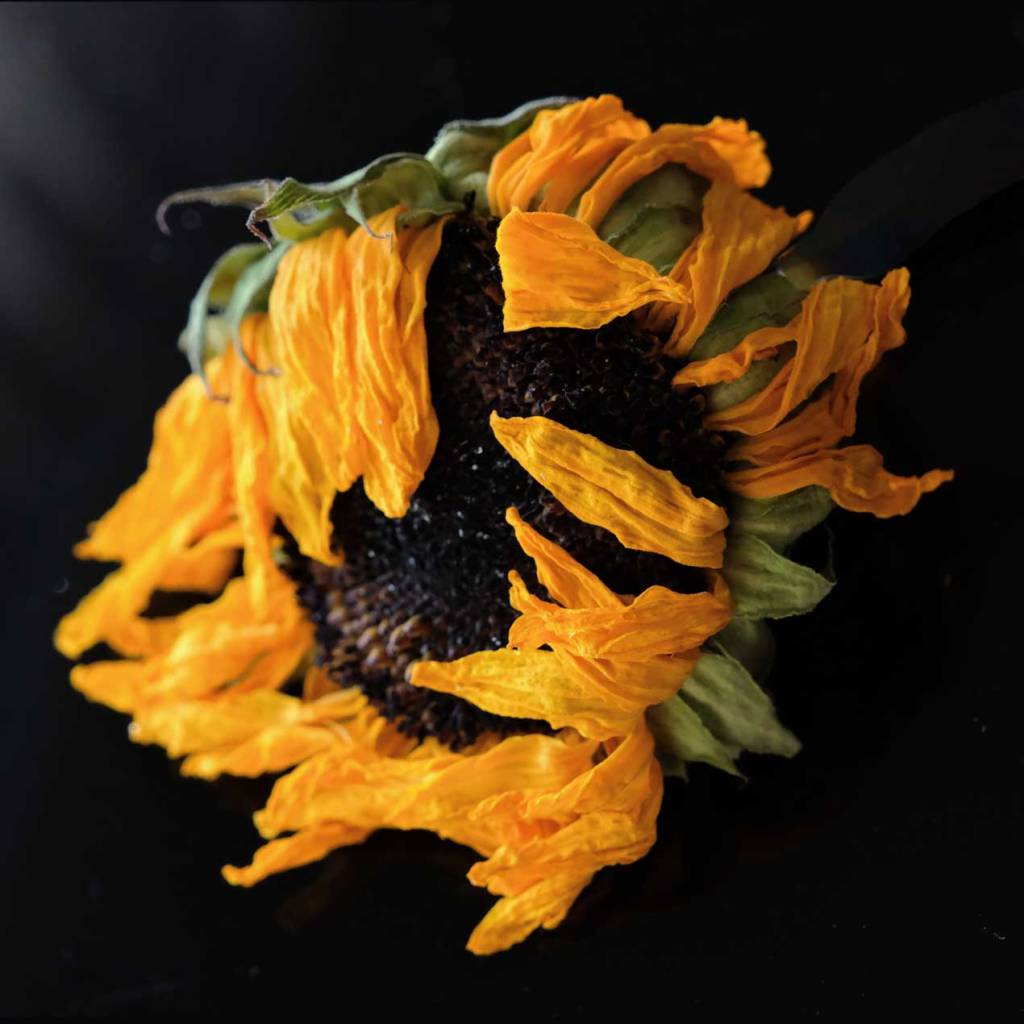
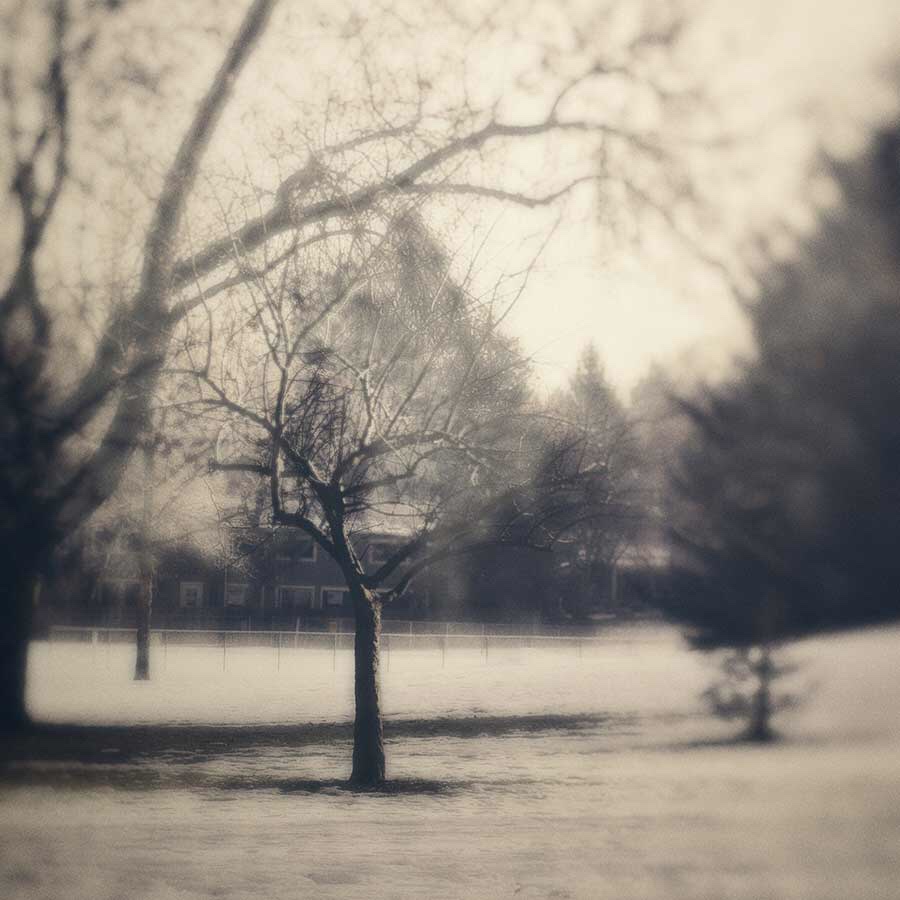
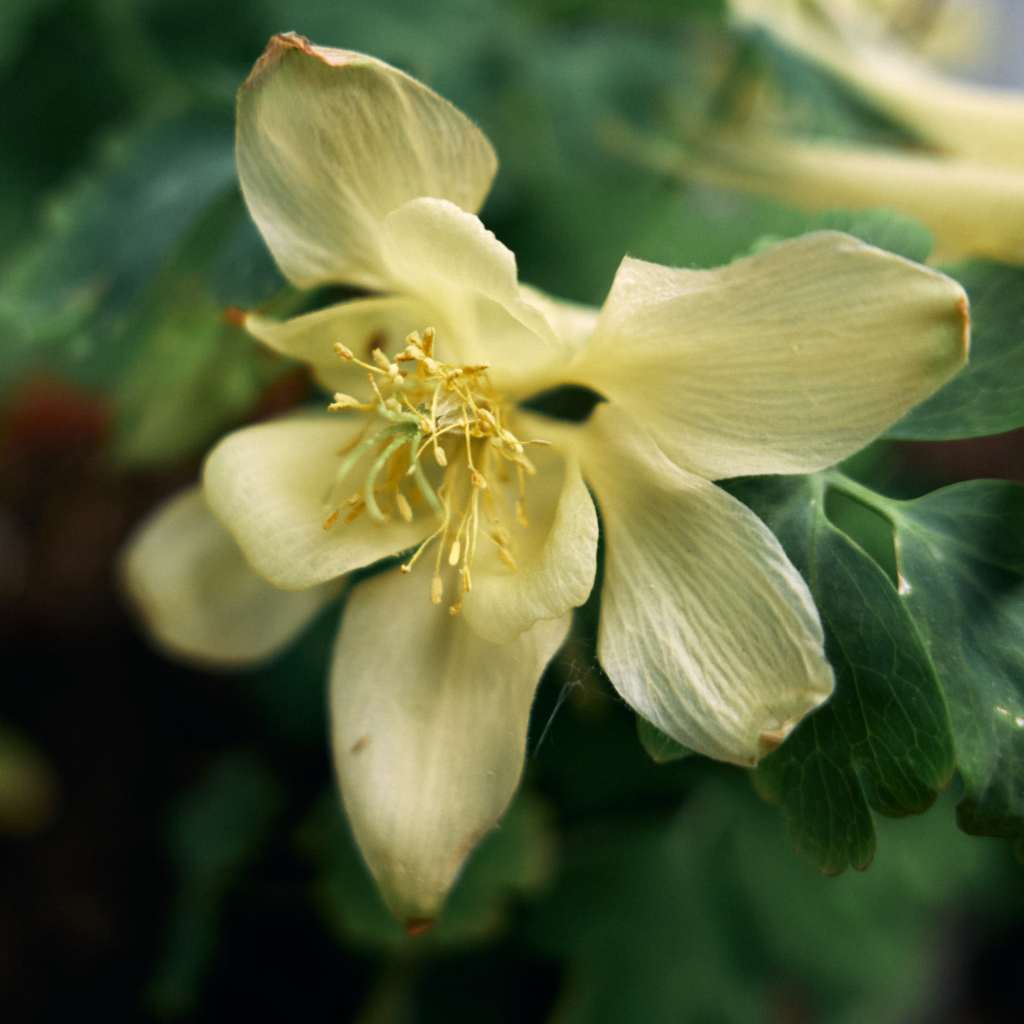
Images and quote The Velveteen Rabbit by Margery Williams submitted in response to Becky’s (The Life of B) walking squares.
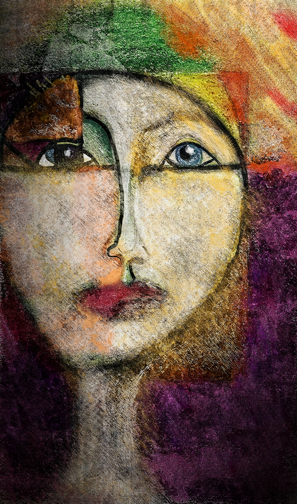
self portraiture created through the use of mixed media
In China a person who will not forget the past is described as ‘one who did not drink Old Lady Meng’s soup.’ Borrowed from Buddhist folklore, Old Lady Meng dispenses the Broth of Oblivion to souls leaving the last realm of the underworld on their way to reincarnation. After drinking her soup, the soul is directed to the Bridge of Pain that spans a river of crimson water. There, two demons lie in wait: Life-Is-Not-Long and Death-is-Near. They hurl the soul into waters that will lead to new births.
Old Lady Meng is more than a quaint antidote for the Greeks’ Mnemosyne. She embodies a psychological understanding about the forces that promote, indeed demand, forgetting for the sake of ongoing life. It is not enough to note that water is linked with amnesia in Chinese folklore as much the same way that the river Lethe is associated with forgetting in Greek mythology. The challenge here is to make sense of the distinctively Chinese attachment to remembrance in spite of the benefits of Old Lady Meng’s soul.
In Jewish tradition, too, the benefits of amnesia were acknowledged along with the sacred commitment to recollection. There is a midrash, or Torah-based story, that teaches us a lesson similar to that of Lady Meng: ‘God granted Adam and Eve an all-important blessing as they were about to leave the Garden of Eden: I give you, He said, ‘the gift of forgetfulness.” What is so precious about amnesia? Why would God, who demands fidelity to memory, offer the relief from recollection?Perhaps it is because without some ability to forgive and forget we might become bound by grudges and hatred. To remember everything may be immobilizing. To flee from memory, however, leads to an ever more debilitating frenzy.(40-41)**
“…is it the wish—the dreamlike, bombastic wish—to stand once again at that point in my life and be able to take a completely different direction than the one that has made me who I am now?
“There is something peculiar about this wish, it smacks of paradox and logical peculiarity. Because the one who wishes it—isn’t the one who, still untouched by the future, stands at the crossroads. Instead, it is, the one marked by the future become past who wants to go back to the past, to revoke the irrevocable. And would he want to revoke it if he hadn’t suffered it. …it’s the absurd wish to go back behind myself in time and take myself—the one marked by events—along on this journey.” ~P Mercier (Night Train to Lisbon, pp. 51-54)
“No man ever steps in the same river twice, for it’s not the same river and he’s not the same man.” ~ Heraclitus
When my heart came to rule in the world of love, it was freed from both belief and from disbelief.
On this journey, I found the problem to be myself.
When I went beyond myself, the pathway finally opened. ~Mahsati Ganjavi
self portraiture created through the use of mixed media
In China a person who will not forget the past is described as ‘one who did not drink Old Lady Meng’s soup.’ Borrowed from Buddhist folklore, Old Lady Meng dispenses the Broth of Oblivion to souls leaving the last realm of the underworld on their way to reincarnation. After drinking her soup, the soul is directed to the Bridge of pain that spans a river of crimson water. There, two demons lie in wait: Life-Is-Not-Long and Death-is-Near. They hurl the soul into waters that will lead to new births.
Old Lady Meng is more than a quaint antidote for the Greeks’ Mnemosyne. She embodies a psychological understanding about the forces that promote, indeed demand, forgetting for the sake of ongoing life. It is not enough to note that water is linked with amnesia in Chinese folklore as much the same way that the river Lethe is associated with forgetting in Greek mythology. The challenge here is to make sense of the distinctively Chinese attachment to remembrance in spite of the benefits of Old Lady Meng’s soul.
In Jewish tradition, too, the benefits of amnesia were acknowledged along with the sacred commitment to recollection. There is a midrash, or Torah-based story, that teaches us a lesson similar to that of Lady Meng: ‘God granted Adam and Eve an all-important blessing as they were about to leave the Garden of Eden: I give you, He said, ‘the gift of forgetfulness.” What is so precious about amnesia? Why would God, who demands fidelity to memory, offer the relief from recollection?Perhaps it is because without some ability to forgive and forget we might become bound by grudges and hatred. To remember everything may be immobilizing. To flee from memory, however, leads to an ever more debilitating frenzy.(40-41)**
Individuals have within themselves vast resources for self understanding and for altering their self concepts, basic attitudes, and self directed behavior; these resources can be tapped if a definable climate of facilitative psychological attitudes can be provided. ~ Carl Rogers
I am acquainted with a mind filled with multiple crosscurrents of unfinished thoughts, stifled emotions, and passing moods. There is also a growing recognition that at times I am overwhelmed by discursive thoughts that are formed by habitual ways of thinking, led by my own various prejudices, impacted by personal preferences or aversions, colored by laziness or selfishness, and intensified by faulty or superficial observations. Sometimes I awaken to myself to find that while engaged in a behavior, my mind has entered a dreamlike state, and therefore events and conversations are vague and fragmentary.Sometimes I acknowledge this process or attribute it to boredom, anxiety, doubt, impatience, exhaustion, misjudgments, and self-salient triggers.
Protecting oneself, one protects others; protecting others, one protects oneself . . . And how does one, in protecting oneself, protect others? By the repeated and frequent practice of meditation.
And how does one, in protecting others, protect oneself? By patience and forbearance, by a non-violent and harmless life, by loving kindness and compassion.” But self-protection is not selfish protection. It is self-control, ethical and spiritual self-development. ~ The Buddha
Every healing intervention is motivated by suffering and hope – be it of the individual, family, friends, or a community agency.The value within suffering is that it contains a message of incongruence that awakens the motivation to heal. William James wrote that life is the manifestation of behaviors that attempt to avoid, overcome, or remove that which is seen to block us from that which we desire.
The personal story is a narrative of our unique sense of identity.We create our identities through the stories we weave onto a tapestry that is formed against the background of our family mythologies. We pull threads from of an assemblage of recalled details from our pasts and weaved them into images that cast us in whatever role corresponds with our current situations, feelings, thoughts, or actions. The colored threads of this tapestry are often re-embroidered to reflect the creative and dynamic process of our perspectives as we shift in, out, and between various roles, feeling states, and cognitions.As we reflect on our self-created images we are in turn affected by them; therefore, there is an unconscious re-weaving of our tapestries.
Our self-stories as well as our family mythologies create and maintain our identities and thus influence how we anticipate experiences, act, and subsequently interpret our situation.Becoming aware of the tapestry and images we are creating frees us to review patterned behaviors, reframe our story through different colored concepts, and to release rigid interpretations.
…
Within … a supportive and non-judgmental environment, each is invited into a process of bare attention that is non-coercive as they uncover the seeds of their suffering and thus begin to strengthen their recovery with renewed energy.It is after a meeting during the quiet of one’s alone time that each attendee begins a process of dismissing what is personally invalid, questioning harmful behavioral patterns, or replacing painful concepts with constructive meanings.They, through their own individual reflection, take what is helpful for them at the moment and let the rest flow away.
Through this process of externalization, validation, and reformation an individual is being invited to become other to herself as if she were the audience in a movie theatre watching her life story being retold on a screen.Consequently, a new relationship with the self is formed that lessens the suffering that comes out of subjective rigidity, alienation of self as “the only one”, and attachment to shame and guilt.
Excerpts: Koeford, B., A Meditative Journey with Saldage
In all things, the Way does not want to be obstructed, for if there is obstruction, there is choking; if the choking does not cease, there is disorder, and disorder harms the life of all creatures ~Chuang-Tzu*
When I chisel a wheel, if the blows of the mallet are too gentle, the chisel slides and won’t take hold. But if they’re too hard, it bites in and won’t budge. Not too gentle, not too hard–you can get it in your hand and feel it in your mind. You can’t put it into words, and yet, there’s a knack to it somehow. I can’t teach it to my son, and he can’t learn it from me. ~Wheelwright P’ien*
excerpt: Jens Peter Jacobsen, Niels Lyhne. A Project Gutenberg of Australia ebook. *
“Niels Lyhne … was not in his poems; he merely put the verses together. But now a change came over him. Now that he wooed a woman and wanted her to love him–him, Niels Lyhne of Lönborggaard, who was twenty-three years old, walked with a slight stoop, had beautiful hands and small ears, and was a little timid, wanted her to love him and not the idealized Nicolaus of his dreams, who had a proud bearing and confident manners, and was a little older–now he began to take a vital interest in this Niels whom he had hitherto walked about with as a slightly unpresentable friend. He had been so busy decking himself with the qualities he lacked that he had not had time to take note of those he possessed, but now he began to piece his own self together from scattered memories and impressions of his childhood and from the most vivid moments of his life. He saw with pleased surprise how it all fitted together, bit by bit, and was welded into a much more familiar personality than the one he had chased after in his dreams. This figure was far more genuine, far stronger, and more richly endowed. It was no mere dead stump of an ideal, but a living thing, full of infinite shifting possibilities playing through it and shaping it to a thousandfold unity. Good God, he had powers that could be used just as they were! He was Aladdin, and there was not a thing he had been storming the clouds for but it had fallen right down into his turban.”
skyscape: Nikon D750 f/8 1/125s 92mm 400 ISO edited Capture One 20
*This ebook is made available at no cost and with almost no restrictions whatsoever. You may copy it, give it away or re-use it under the terms of the Project Gutenberg of Australia License which may be viewed online at http://gutenberg.net.au/license.html.




















 a meditative journey
You must be logged in to post a comment.