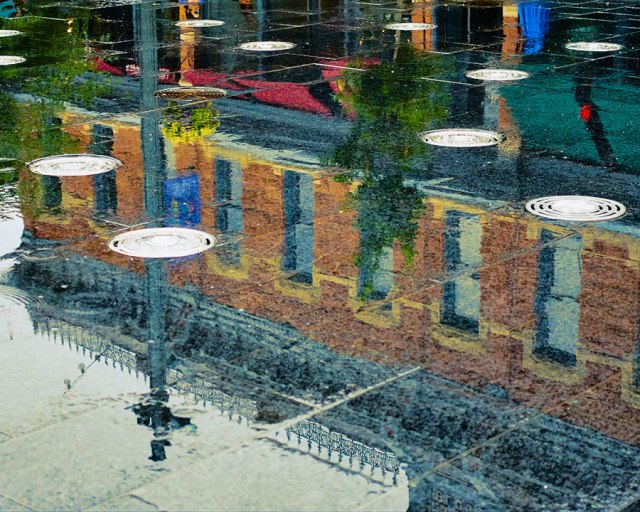
visit Travels and Trifles to join Tina’s photo challenge: colorful
visit Travels and Trifles to join Tina’s photo challenge: colorful
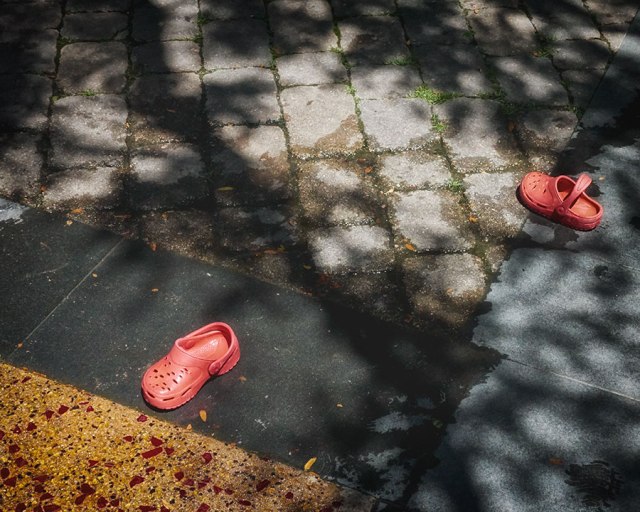
Sony RX100 III f/6.3 1/320 17.9m 800 ISO
Beyond the clouds
My gaze goes on and on;
The endless sea:
What lies beyond is unknown
As my gloomy thoughts…
~Lord Suetsune (cited: http://www.wakapoetry.net)
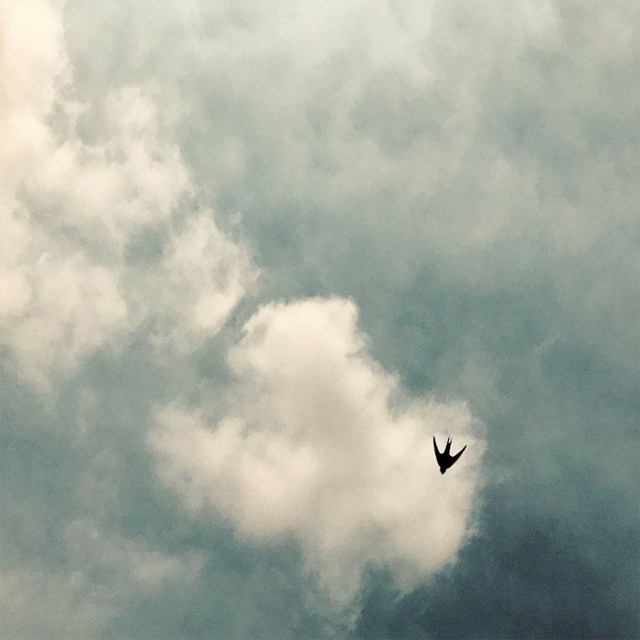
sparrow… Apple iPad f/1.8 1/12000s 20 ISO
This week’s photo study was inspired by Howard Zehr, (Contemplative Photography seeing with wonder, respect, and humility). He invites us to consider,
“… how we might use the medium of photography to stimulate our imaginations, to develop our intuitive and aesthetic sensibilities, to gain new insights. …to stop and look and be refreshed. In order to do this, [he] asks us to ‘re-image’ how we envision and carry out photography.
“Rarely do we spend enough time with an image to ‘mine’ all of its visual, emotional, and spiritual potential. Rarely are we aware of its impact on the emotional as well as the intellectual level. Too often our tendencies to judge and evaluate get in the way of appreciating what we see.”
Photo Assignment:
Discipline yourself to make at least one photograph each day.
Once a week, spend at least 10 minutes with one of the photographs.
As you do, consider three topics in this order:
I see — describe each object, each detail, the light, etc., Then associate: what are you reminded of by the shapes, juxtapositions, etc.
I feel — What do you feel as you look at the image?
I think — Interpret and analyze.
Keep a journal about this and any insights you gain.
“The practice of contemplative photography does not end when you finish shooting… The first thing you should do after [photographing] is spend some time with each of your images. Try to see which ones work and which do not. Don’t be in a hurry to delete the ones you don’t like, but try to learn from them. See if you can remember what was going on in your state of mind when you [pressed the shutter].” ~ A Karr & M Wood (The Practice of Contemplative Photography)
I am looking forward to seeing your image that was inspired by Howard Zehr’s photo assignment. Let’s tag with #aphotostudy.
Jenn’s (Traveling at Wits End) photo challenge for this week is to open our eyes to “shades of neutral grey…that we normally pass right by.”
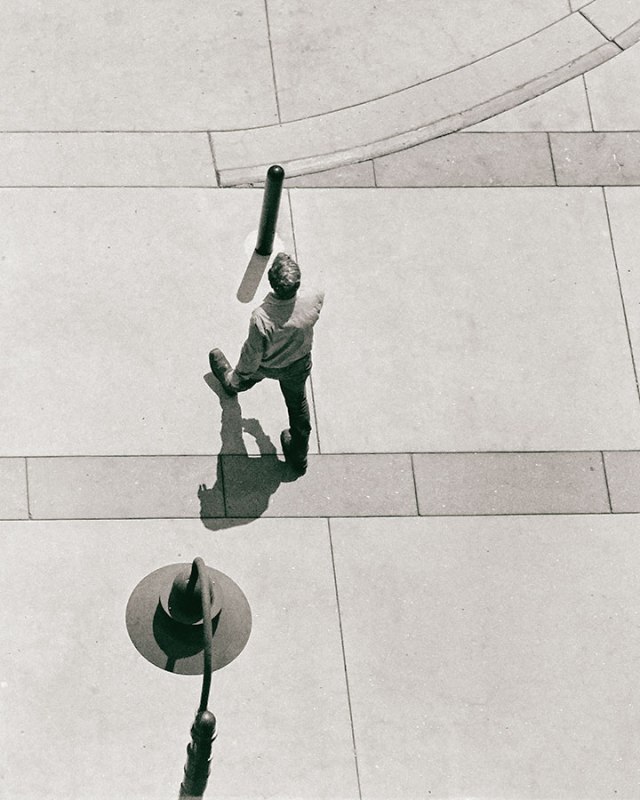
Pass Right By

Lake Marie, Medicine Bow National Forest
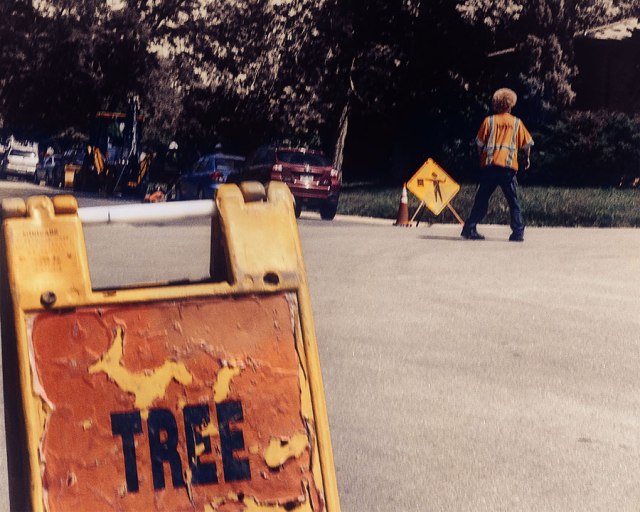
Sony RX100 III f/11 1/250 25.7m 800 ISO

Nikon D750 f/4.5 1/800s 24mm 100 ISO
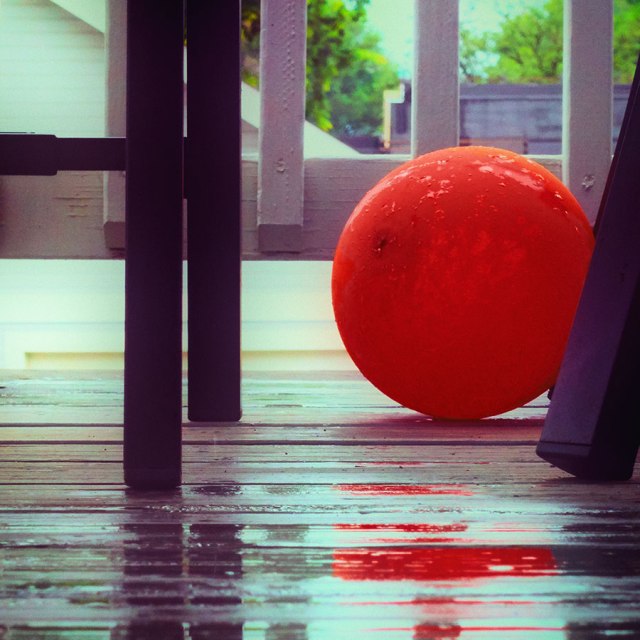
in a stream of thoughts
a memory rippling,
languishing, soothing.

Libby Creek in Medicine Bow National Forest

Thus you can throw yourself flat on the ground, stretched out upon Mother Earth, with the certain conviction that you are one with her and she with you. You are as firmly established, as invulnerable as she, indeed a thousand times firmer and more invulnerable. As surely as she will engulf you tomorrow, so surely will she bring you forth anew to new striving and suffering. And not merely ‘some day’: now, today, every day she is bringing you forth, not once but thousands upon thousands of times, just as every day she engulfs you a thousand times over. For eternally and always there is only now, one and the same now, the present is the only thing and that has no end.
~Edwin Schrödinger (My View of the World)

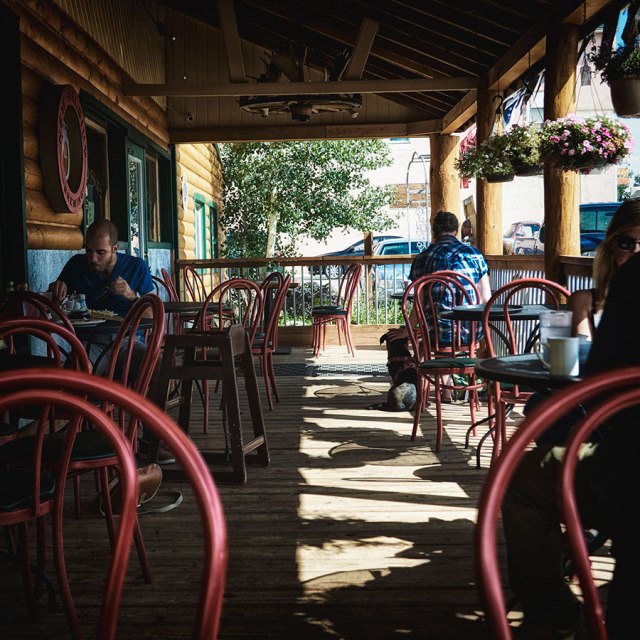
A Push or a Save?….Sony RX100 III f/10 1/320 25.15m 800 ISO
While on a recent camping trip, we stopped in Walden, Colorado for a bit to eat at the Moose Creek Cafe. Eating…an everyday moment…at home or on the road.
Hop on over to The World is a Book to join this weekly photo challenge.

I longed for snow while we were staying there, but just then I had to go home to my parents. Two days after retiring from the Court a great snow came. The old familiar trees of my home reminded me of those melancholy years when I used to gaze upon them musing when the colours of flowers, the voices of birds, the skies of Spring and Autumn, moon shadows, frost and snow, told me nothing but that time was revolving, and that I was menaced with a dreary future. ~The Diary of Murasaki Shikibu (cited: Diaries of Court Ladies of Old Japan)
 a meditative journey
You must be logged in to post a comment.