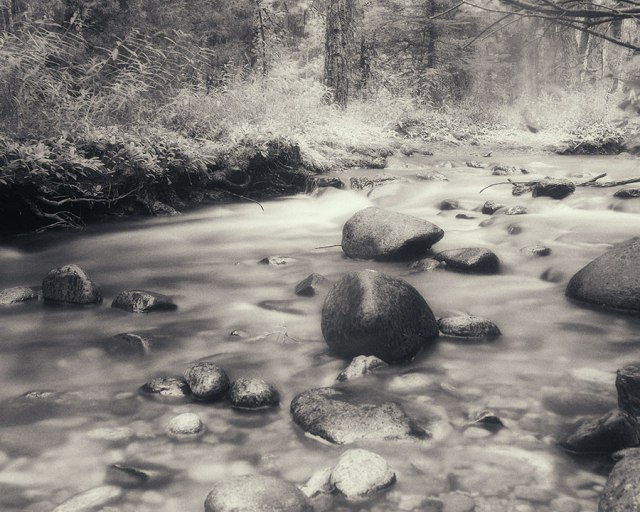
Cache la Poudre River… Nikon D750 f/5.6 13s 24mm 100 ISO
Cache la Poudre River… Nikon D750 f/5.6 13s 24mm 100 ISO

Nikon D750 f/7.1 1/800s 24m 100 ISO
Every time
These thoughts emerge at
Izumi River,
Awaiting the moon;
There was one who crossed before…
~Shunzei gosha hyakushu (cited: http://www.wakapoetry.net)
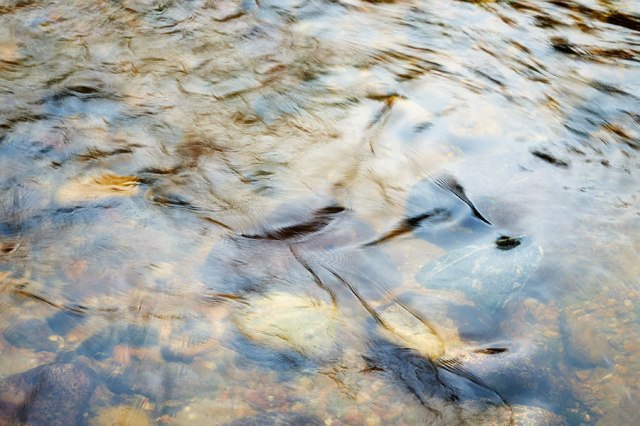
Ripples…Nikon D750 F/7.1 1/13s 45mm 100 ISO
Image submitted in response to Traveling at Wits End’s photo challenge.
Though I would hide it,
In my face it still appears–
My fond, secret love.
And now he questions me:
“Is something bothering you?”
~Taira no Kanemori
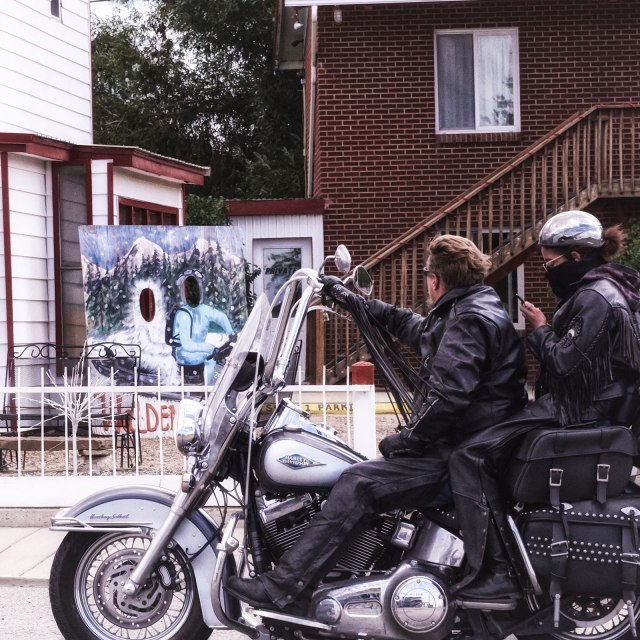
Nikon D750 f/7.1 1/3200s 85m 2200 ISO
The peaks of clouds
Have crumbled into fragments–
The moonlit mountain.
~Basho (Trans: D. Keene, The Narrow Road to Oku)
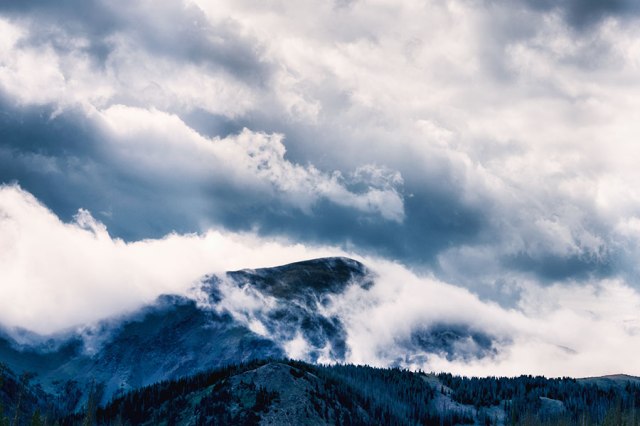
Cameron Pass… Nikon D750 f/7.1 1/800 80 mm 125 ISO

Sony RX100 III f/11 1/250s 25.7mm 800 ISO
Hop on over to Leya’s to participate in this week’s photo challenge: patterns
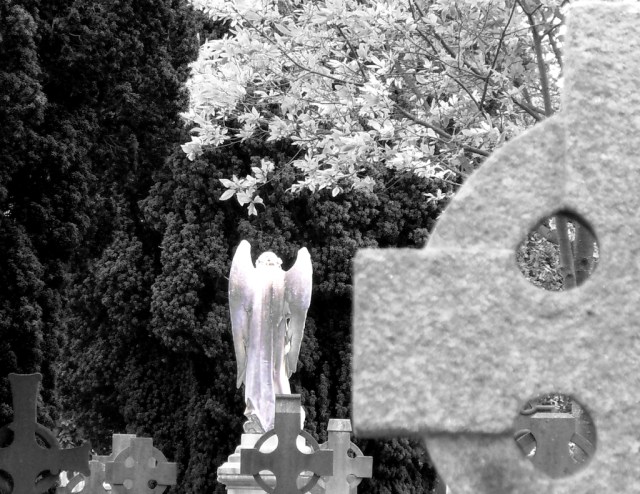
2012
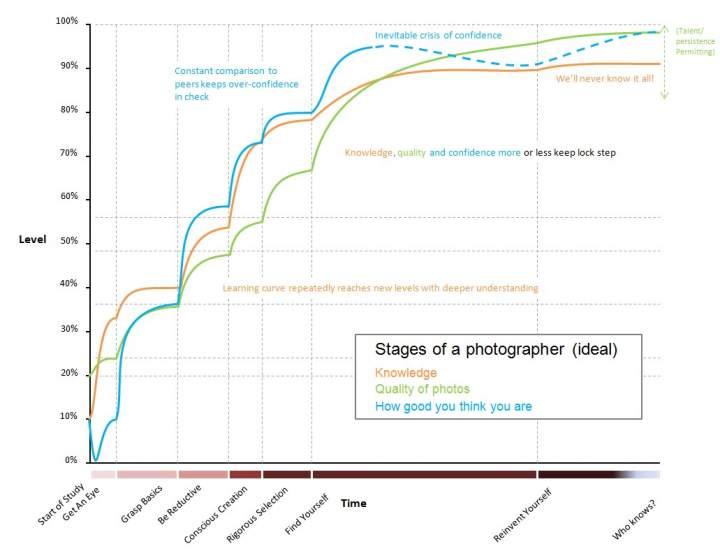
When I first saw the “Stages of a Photographer” graph, I laughed with the memories of expectations that came with my first Nikon purchase in 1984; in no time, I would be creating images equal to those in the National Geographic. Cringe.
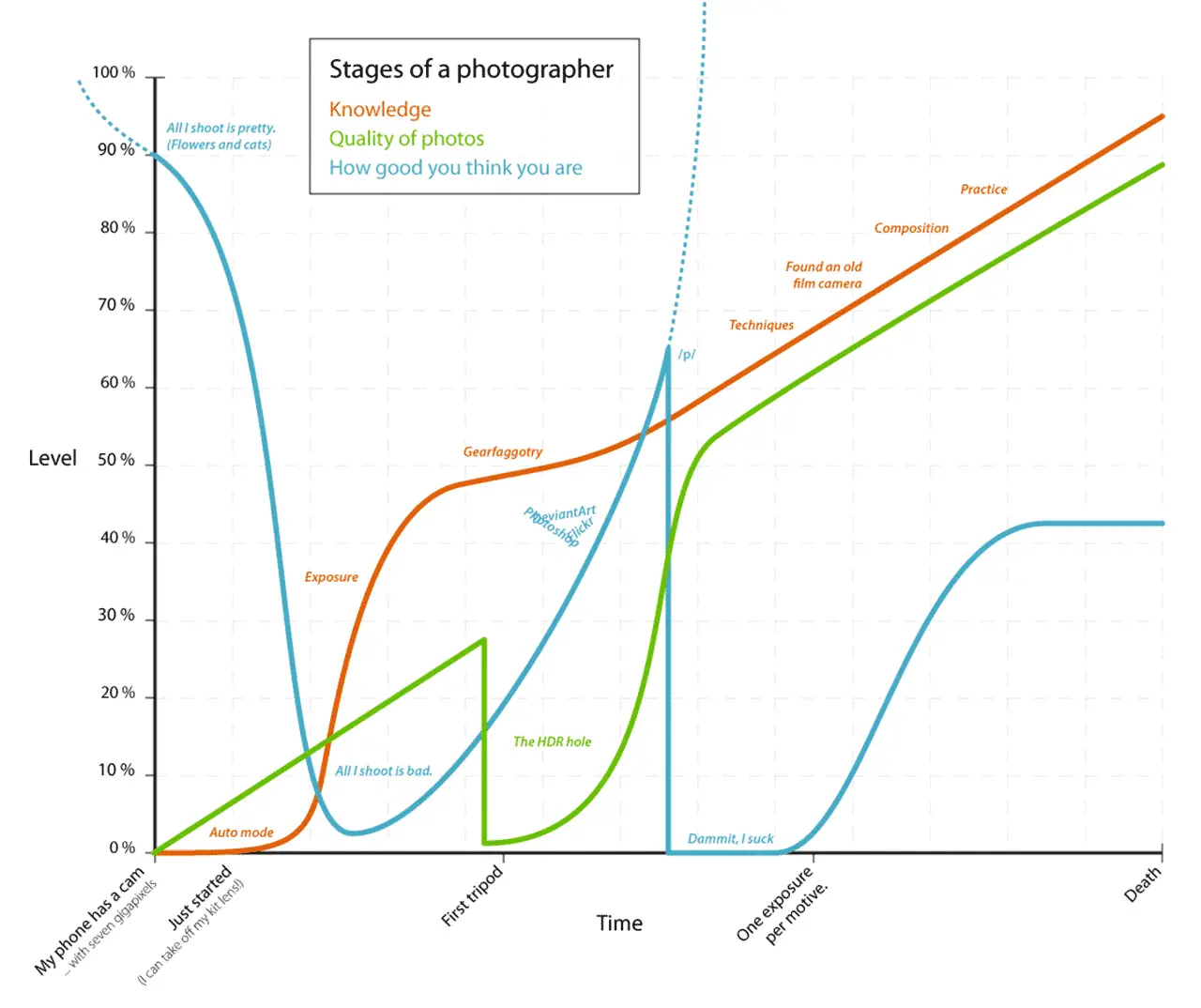
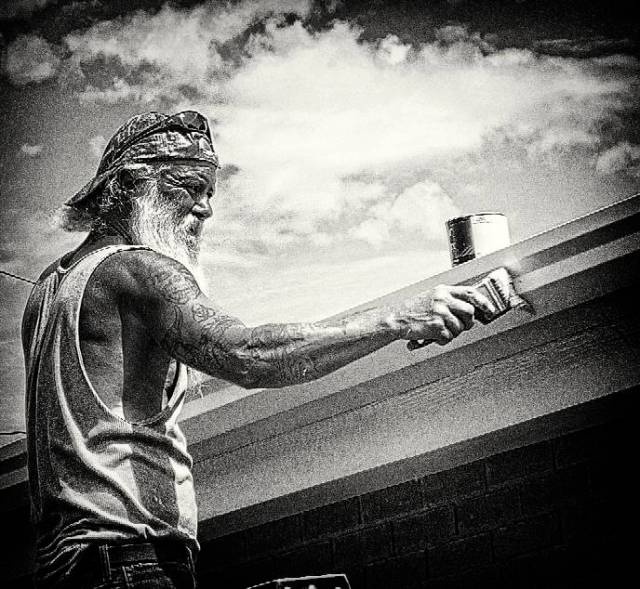
2013
The Stages graph inspired me to explore Youtube videos of photographers who share their learning journey and this search led me to the website, Japan Camera Hunter who features Dan K’s, A Learning Framework for Photography.
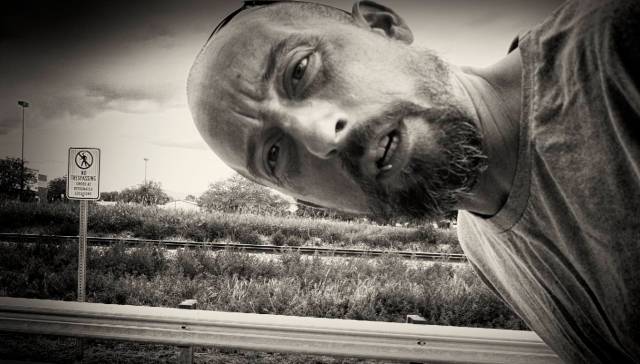
2014
Step I Get an Eye for Photography
A reasonably acute Artistic Eye should be the fundamental foundation upon which your photography should be built, rather than something you will get round to once you’ve topped out on your technical expertise.
Focus, sharpness, depth of field, lightening, color, all that kind of thing is embellishment. Even composition is subordinate to the engagement, to the message and to the reaction that you hope to elicit…
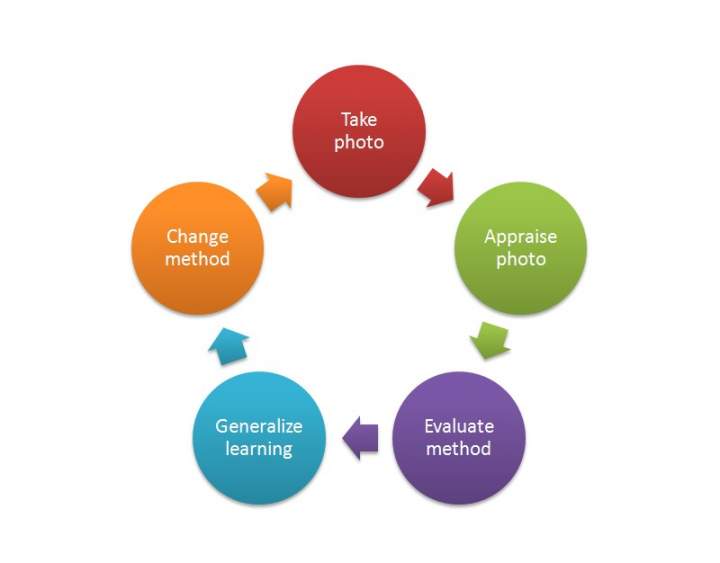
Feedback and learning is what separates an improving photographer from someone that sprays-and-prays but never improves…the learning process never finishes.
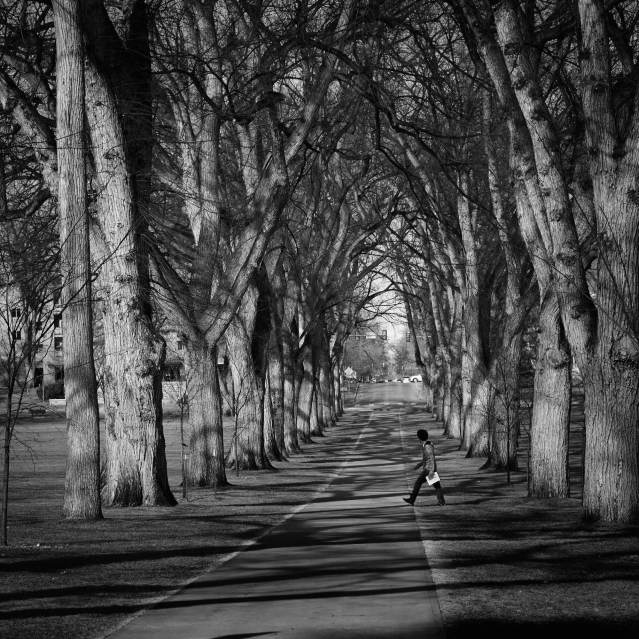
At the end of this step you should have a fair understanding of what an interesting and compelling image looks like and how to make one, even if the execution is rudimentary.
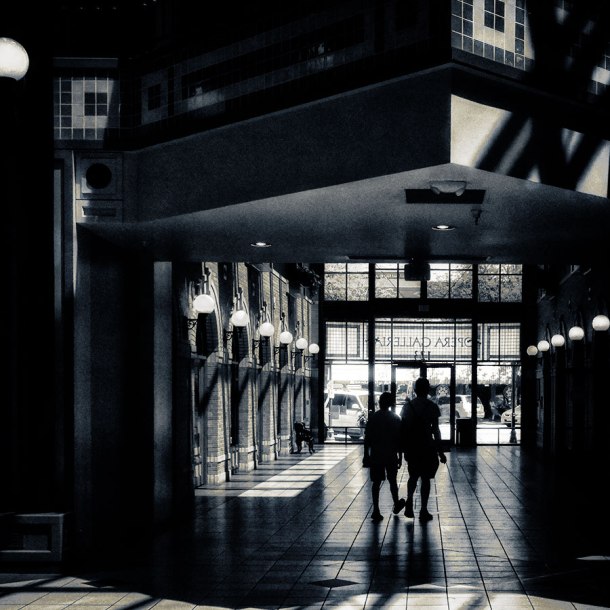
By starting out right, with an understanding of what a good photo looks like, confidence may take a beating at first but you’ll be on the right path with less time wasted with follies into unnecessary gear or special effects.
2018
Dan K’s learning steps 2 through 7 guidelines will be covered in next week’s A Photo Study. If yo wish to share, I would love to hear about or see examples of your personal photo journey. Let’s tag with #aphotostudy.
I hope you enjoy Sean Tucker’s personal narrative of his journey
“We must look deeply to identify the real suffering of our times and to understand how it has come to be. Our modern way of living brings tension, stress and pain to our body; we are exposed to anger, violence, and fear; we live with the threat of terrorism, the destruction of the ecosystem, war and famine, climate change, the economic crisis, recession, poverty, social injustice, broken families and divorce, and so much more.

Toy Store… Nikon D750 f/1.8 1/25s 35m 100 ISO
How are we living? How are we consuming? What violence, fear, and anger are we ingesting every day through the media around us? How is our lifestyle polluting the environment and creating a toxic level atmosphere for our bodies and our minds, for our families and for future generations? If we can call the suffering, the real ill-being of our times, by its true names and if we an see how it has come to be, we will know exactly what kind of medicine, what kind of healing we need in order to deal with it. The truth of ill-being will reveal the end of ill-being.” ~Thich Nhat Hanh (The Other Shore)

Sony RX100 III f/11 1/250s 25mm 800 ISO
Gone down, I thought–
’til the moon emerged again
between clouds
~ Shua


 a meditative journey
You must be logged in to post a comment.