lens-artists: habitat

This week’s lens-artists challenge is offer by Tina who invites us to share images/stories of habitats.

The Oxford Languages defines habitat as 1) the natural home or environment of an animal, plant, or other organism or 2) a person’s usual or preferred surroundings.

I understand the Earth to be the natural home for all the amazing diversity of life; from the Posidonia australis (the largest living organism on Earth: it is spread across 180 whopping square kilometres) to bacteria which are the smallest living organisms on earth (an average of 2 micrometres long and 0.5 micrometres thick).

But then again, the Guinness World Records recognizes the Nanoarchaeum equitans as the smallest living organism. Their habitat is a hydrothermal vent off the coast of Iceland on the Kolbeinsey Ridge by Karl Stetter.

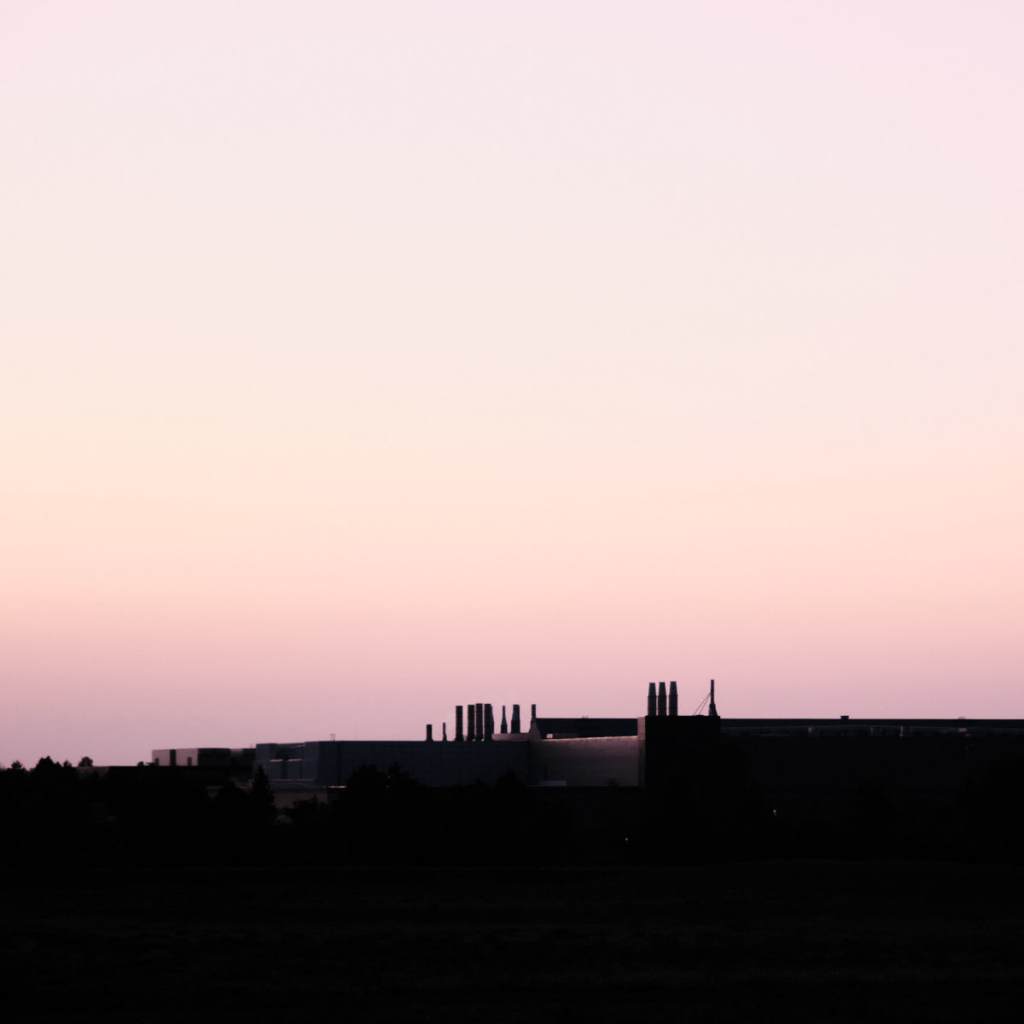
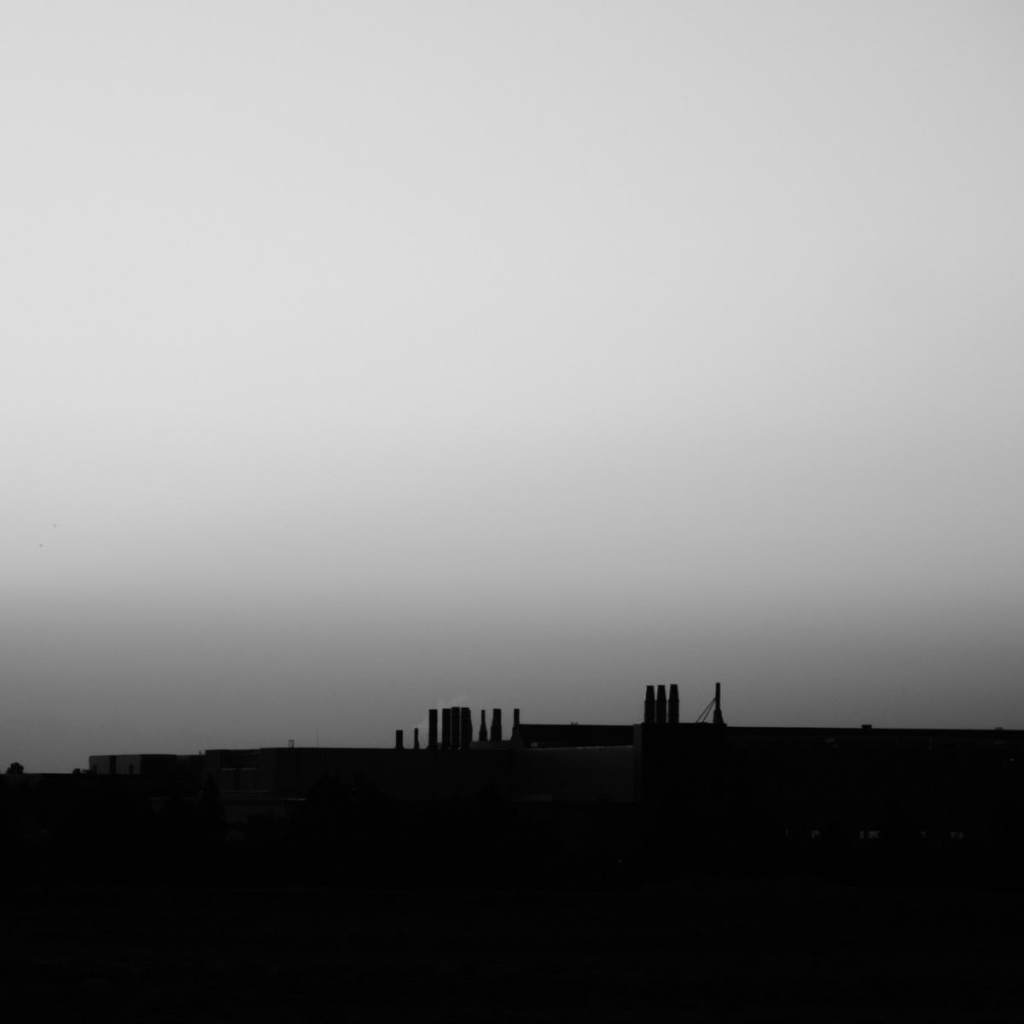
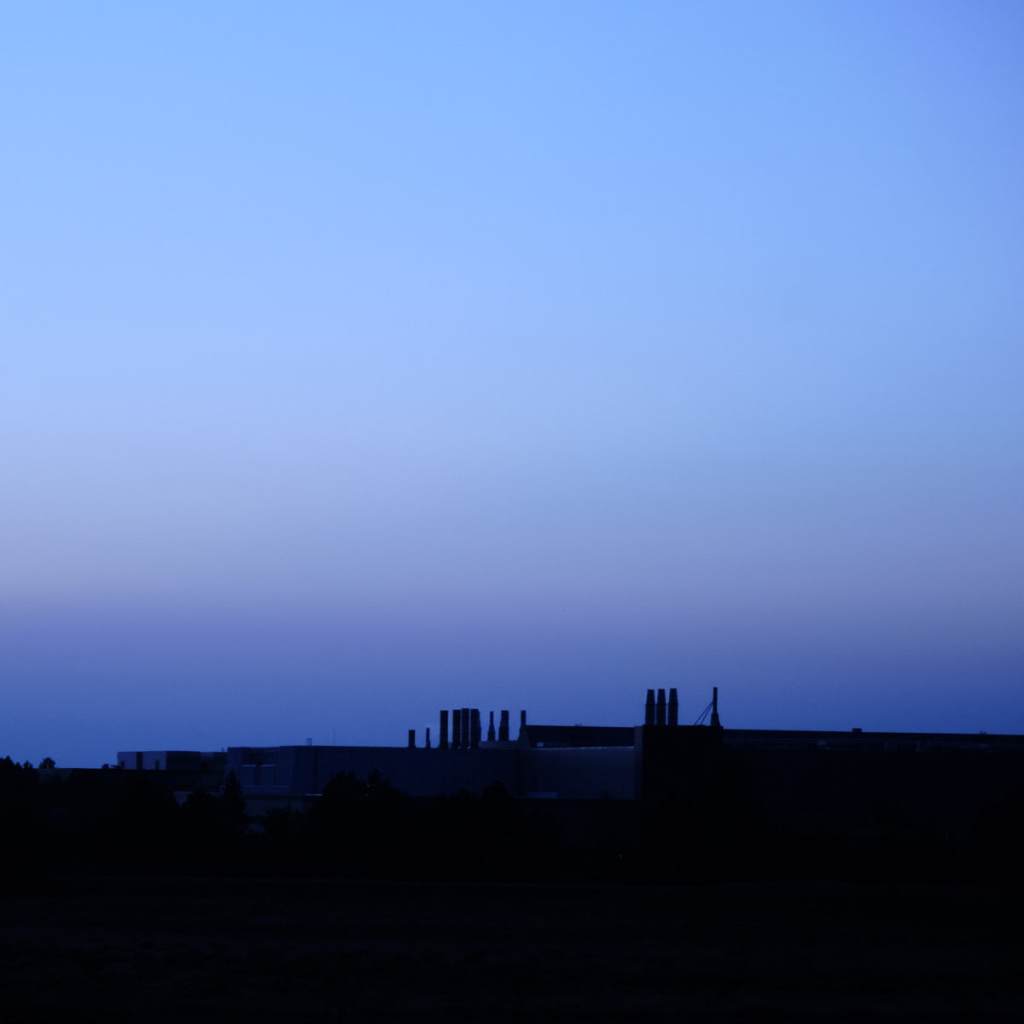
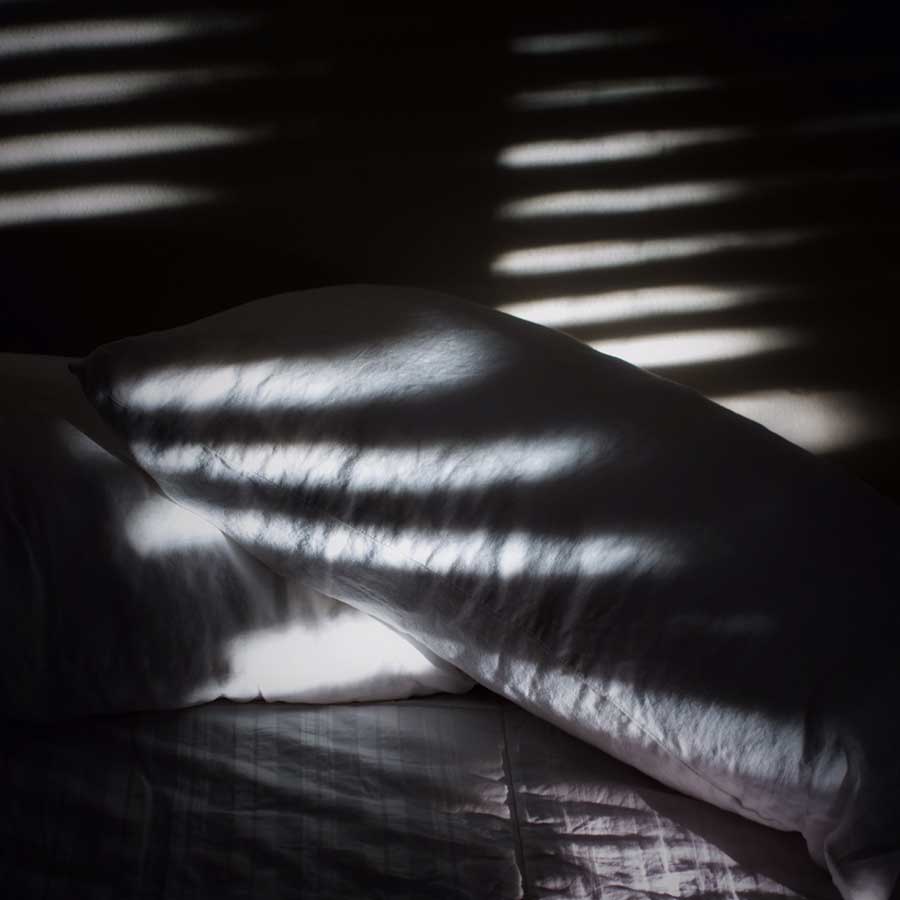
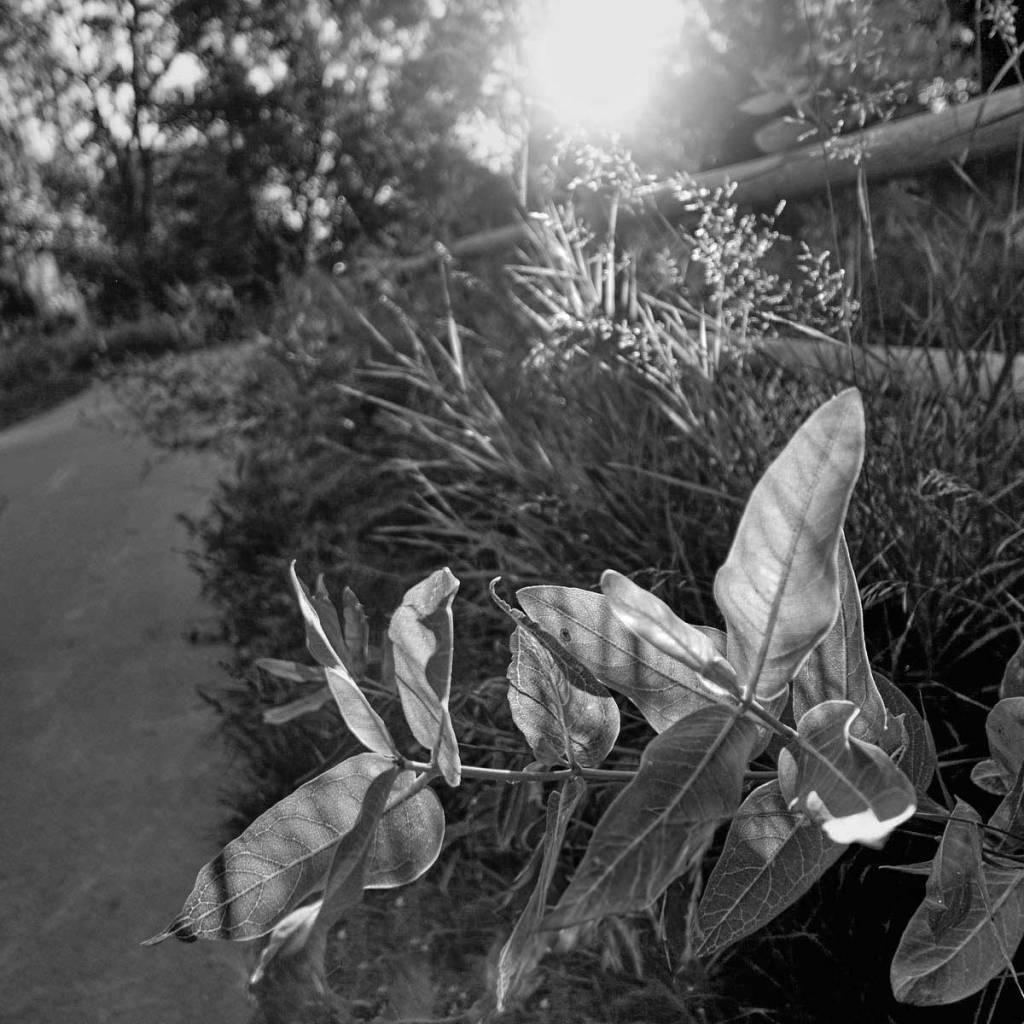
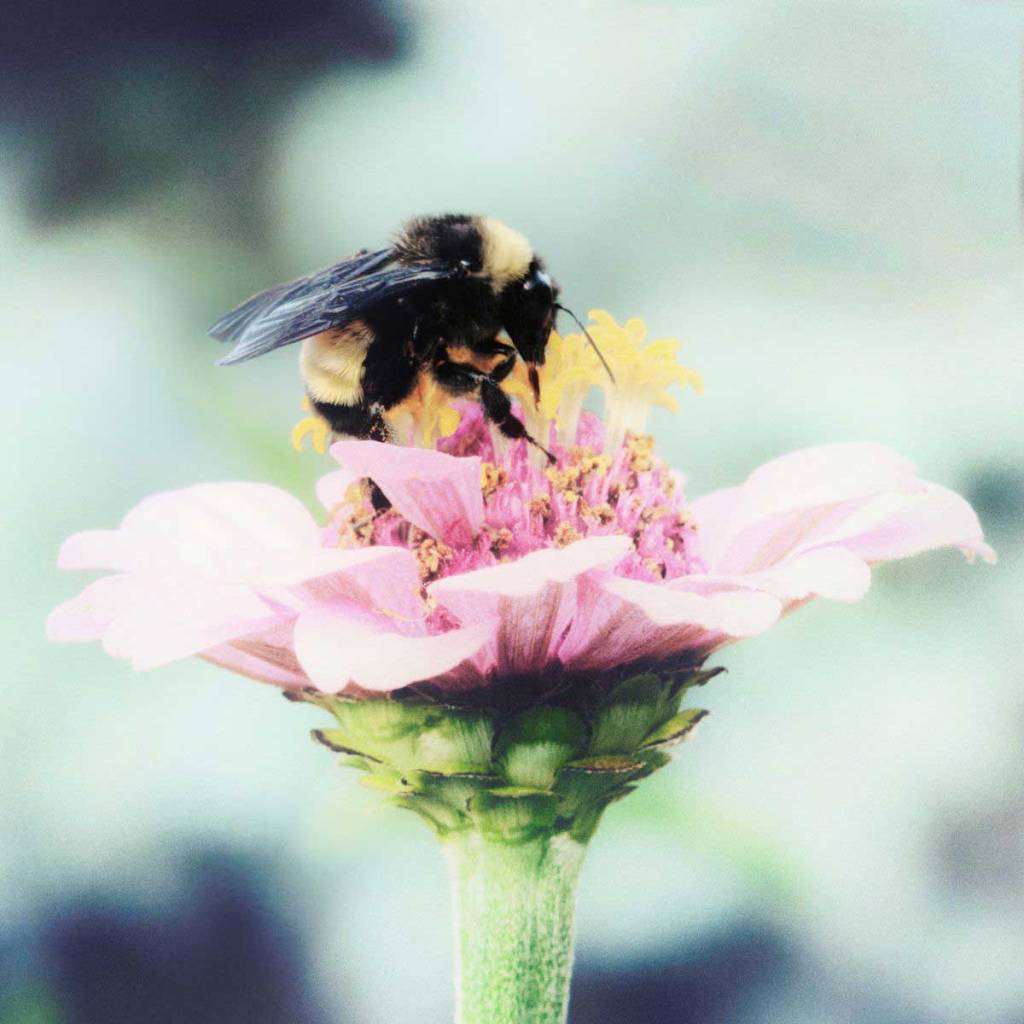
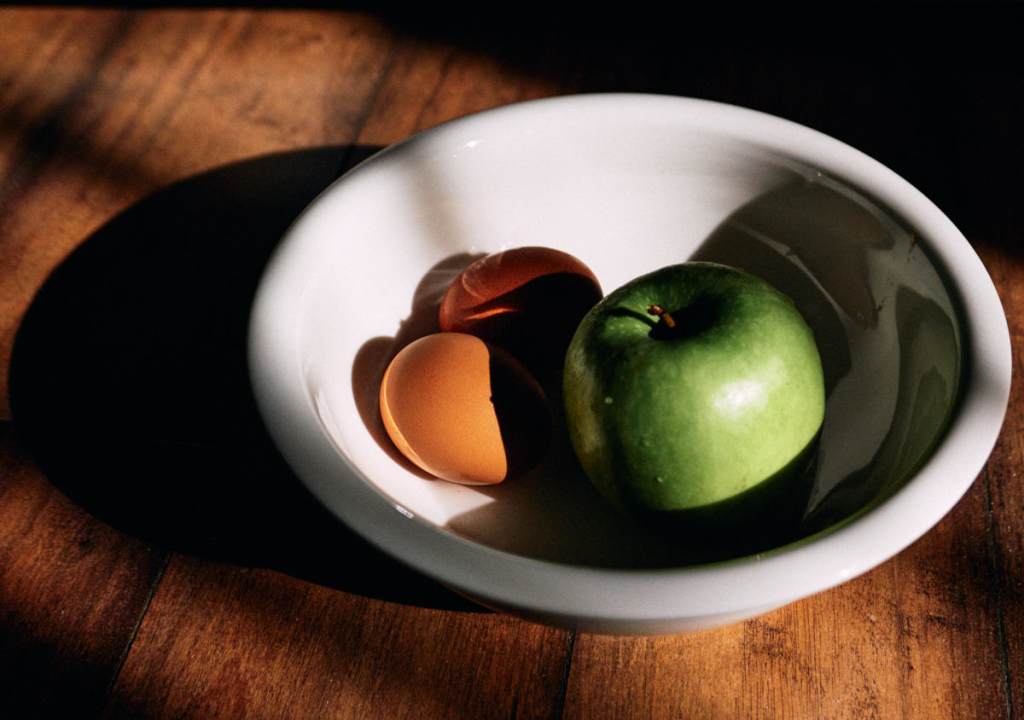
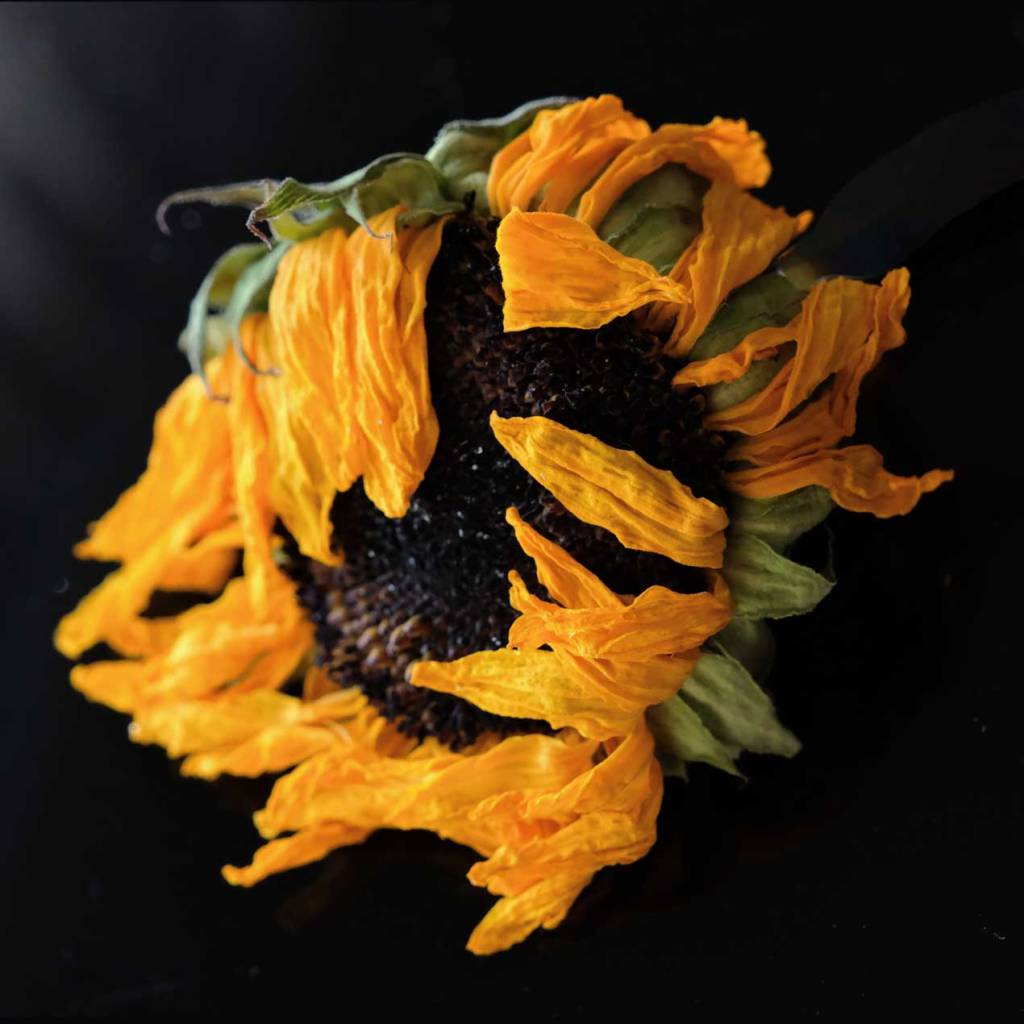
For today, I will share these four examples of my usual or preferred surroundings, (sub-habitats of the earth?)

Thank you Tina.

lens-artists: two rectangles

This week’s lens-artists challenge is sponsored by Egidio (Through Brazilian Eyes) who writes, “By two rectangles, I mean you have two dominant rectangular areas in your image. For many people, this is one of those compositional tools we use without thinking about it. These rectangles give balance, harmony, and unity to a composition.”

Egidio shared a compositional tool used by Renaissance artists, “Renaissance artists used the technique called the Rabatment (also known as rebatement and rabattement) of the rectangle. One can think of Rabatment as putting a square inside a rectangle. Your composition is more potent when your subject falls on that line inside the square. The Rabatment concept helps guide the photographer’s eye to position elements harmoniously and organized within the rectangular frame. It’s not a rigid rule or grid but a tool to achieve a pleasing composition.”

lens-artists: behind

This color street image was created by using the reflection of a retail window. The buildings create the background while the foreground is created by both the man holding a phone and the tables/chairs. The three figures offers us a mid-ground. It is my thinking that the composition of this image is an example of using layers within a photograph.

The first image demonstrates the use of light and shadow to create a background. Where as in the second the foreground defines the background.

I hope you enjoyed these variations of layering in photography.

This week’s lens-artists challenge is hosted by Ritva

lens-artists: delicate

Today life feels exceptionally delicate.

Relationships are delicate

The wings of the butterfly are delicate. Their wings are made up of thousands of scales that can fall off if touched. Without these scales to protect their wings, the underlying tissue can tear, preventing them from flying. The scales are unable to regrow once damaged.

Migrating is delicate. Each fall, millions of monarch butterflies migrate from Canada to Mexico. The monarch migration is a brilliant demonstration of nature’s ingenuity, but the delicate creatures face many perils, and the number of migrating monarchs is declining sharply.

Peace is delicate.

Submitted for this week’s lens-artists challenge: delicate

saturday morning with alan lightman

Fujifilm X-T4 f/5.6 1/60 s 60.8 mm 800 ISO

“In a world where time is a sense, like sight or like taste, sequence of episodes may be quick or may be slow, dim or intense, salty or sweet, causal or without cause, orderly or random, depending on the prior history of the viewer. Philosophers sit in cafés on Amthausgasse and argue whether time really exists outside human perception. Who can say if an event happens fast or slow, causally or without cause, in the past or future? Who can say if events happen at all? The philosophers sit with half-opened eyes and compare their aesthetics of time.

Fujifilm X-T4 f/5.6 1/60 s 46.6 mm 800 ISO

Some few people are born without any sene of time. As consequence, their sense of place becomes heightened to excruciating degree. They lie in tall grass and are questioned by poets and painters from all over the world. These time-deaf are beseeched to describe the precise placement of trees in the spring, the shape of snow on the Alps, the angle of sun on a couch, the position of rivers, the location of moss, the pattern of birds in flock. Yet the time-deaf are unable to speak what they know. For speech needs a sequence of words, spoken in time.”*

*cited: Alan Lightman, Einstein’s Dreams

life’s passages … 103

over the fields of

last night’s snow–

plum fragrance.

                                                                                      ~Okano Kin’emon Kanehide*

plums and raindrops
a spring rain shower

*cited:

Japanese Death Poems

Yoel Hoffmann


life’s passages … 102

shapes-42web

Imagine the dimension of time as a vertical line. Place yourself in the present on that line with the past above you and the future below you. Establish yourself in time. See all your ancestors that have come before you. The youngest generation of your ancestors is your parents. All of them are above you on this line of time. Then below you, see all your dependents, your children, your grandchildren, and all their future descendants. If you have no children, your descendants are the people you have touched in your life, and all the people they in turn influence. 

In you are both your blood ancestors and your spiritual ancestors. You touch the presence of your father and mother in each cell of your body. They are truly in you, along with your grandparents and great-grandparents. Doing this, you realize their continuation. You may have thought that your ancestors no longer existed, but even scientist will say that they are present in you, in your genetic heritage, which is in every cell of your body. 

plums

Look into a plum tree. In each plum on the tree there is a pit. That pit contains the plum tree and all previous generations of plum tree. The plum pit contains an eternity of plum trees. Inside the pit is an intelligence and wisdom that knows how to become a plum tree, how to produce branches, leaves, flowers, and plums. It cannot do this on its own. It can only do this because it has received the experience and heritage of so many generations of ancestors. You are the same. ~Thich Nhat Hanh (No Death, No Fear, 137-138)

baseballcaps3

This posting  was created in memory of Dustin, Bob, Elberta, Donna, Chris, Larry, Margaret, Thella, John, Clive, and Jeff who all live on within the lives of my beloved.