morning coffee
wind chimes, whispering
second awakening

morning coffee
wind chimes, whispering
second awakening
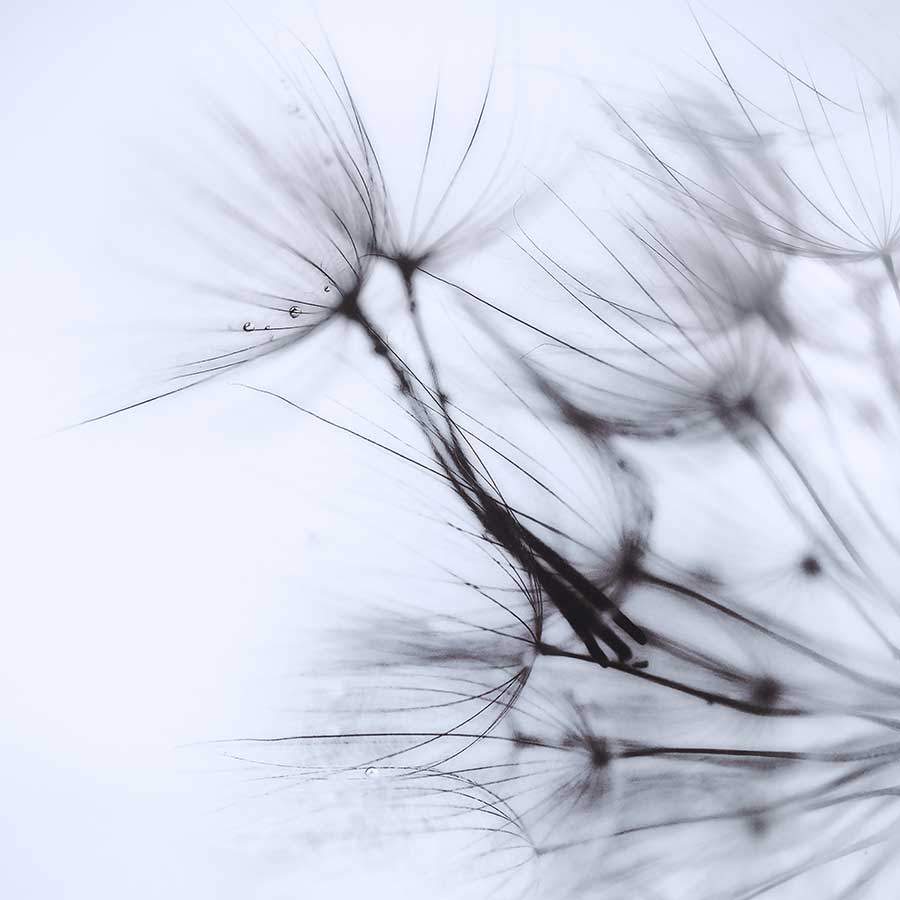 The ocean of suffering is immense, but if you turn around, you can see the land. The seed of suffering in you may be strong, but don’t wait until you have no more suffering before allowing yourself to be happy. When one tree in the garden is sick, you have to care for it. But don’t overlook all the healthy trees. Even while you have pain in your heart, you can enjoy the many wonders of life — the beautiful sunset, the smile of a child, the many flowers and trees. To suffer is not enough. Please don’t be imprisoned by your suffering. … When you have suffered, you know how to appreciate the elements of paradise that are present. If you dwell only in your suffering, you will miss paradise. Don’t ignore your suffering, but don’t forget to enjoy the wonders of life. For your sake and the benefit of many beings.
When I was young, I wrote this poem. I penetrated the heart of the Buddha with a heart that was deeply wounded.
My youth
an unripe plum.
Your teeth have left their marks on it.
The tooth marks still vibrate.
I remember always,
remember always
Since I learned how to love you,
the door of my soul has been left wide open
in the winds of the four directions.
Reality calls for change.
The fruit of awareness is already ripe,
and the door can never be closed again.
Fire consumes this century,
and mountains and forest bear its mark.
The wind howls across my ears,
while the whole sky shakes violently in the snowstorm.
Winter’s wounds lie still,
Missing the frozen blade,
Restless, tossing and turning
in agony all night.
I grew up in a time of war…Once the door of awareness has been opened, you cannot close it. The wounds of war in me are still not all healed. … Embrace your suffering, and let it reveal to you the way to peace.
~Thich Nhat Hanh (The Heart of the Buddha’s Teaching, pp. 3-5)
morning’s sunrise

peace within one’s self; peace in the world – Thich Nhat Hanh
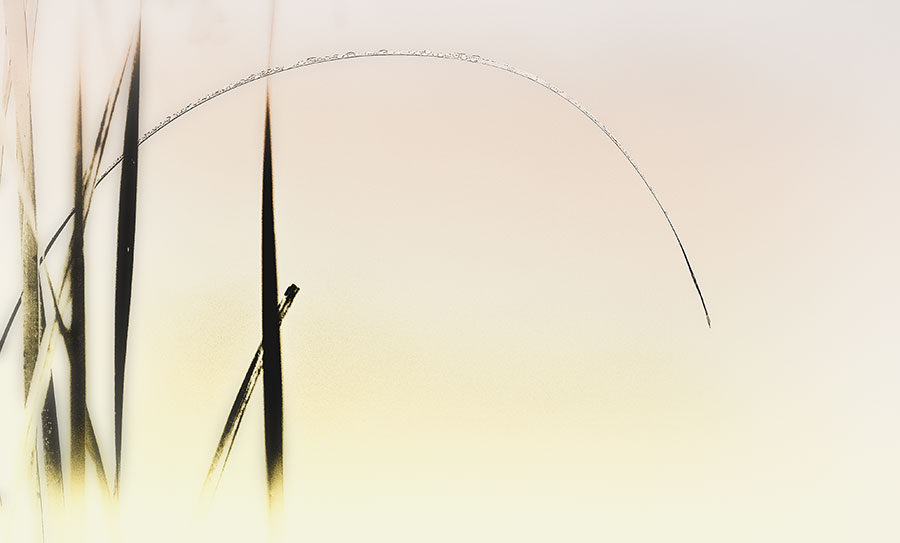
…and may we in a moment of “external” silence also hear a peaceful quiet within.
Is none but I
This autumn eve. ~ Basho*

cited: Jonathan Clements, The Moon in the Pines
Who speaks the sound of an echo?
Who paints the image in a mirror?
Where are the spectacles in a dream?
Nowhere at all — that’s the nature of mind!
~Tree-Leaf Woman*

*cited:
Women in Praise of the Sacred
Ed: Jane Hirshfield
June brings to mind the summer between the fifth and six grades when a family move felt like an earthquake…an unexpected event that shattered my pre-adolescent footing.
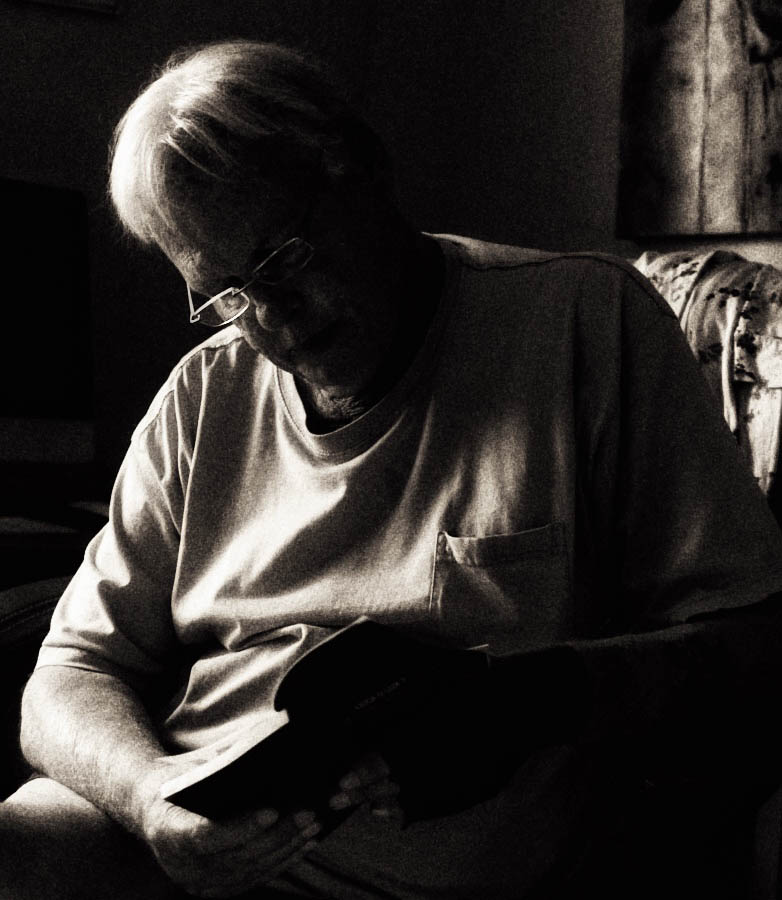
Life seems to be filled with those moments…those moments when the phone or doorbell rings and in the summoned steps between here and there we are, unknowingly, moving towards a voice…a presence that messages the unimagined without a return to the life we embraced. These life changing moments occur throughout our lives…some of them are, in hindsight, minor losses that resolve through a period of resistance, anger, tears, and sleep. Then, there are those losses and deaths that first numb us and then leave us so shaken that our life view…our life scape is forever altered.

On Monday, of last week, once again a shattering moment as I walked from there to here. A cancer diagnosis, accompanied with many discussions of the potentiality of death…its meaning, its resolution, its fear, its expectations, its imprisonment, its choice, its loss of consciousness…but never, ever its actual moment of being.
In the past, I found that the resistance to these moments has the potential to open doors to new understandings that will, in time, bring an acceptance to or intensify the various elements of grief and loss. These sacred journeys also have the potential to inspire creative endeavor that gives voice to loss that is heard and felt by others and begins to ease an unimagined loneliness.
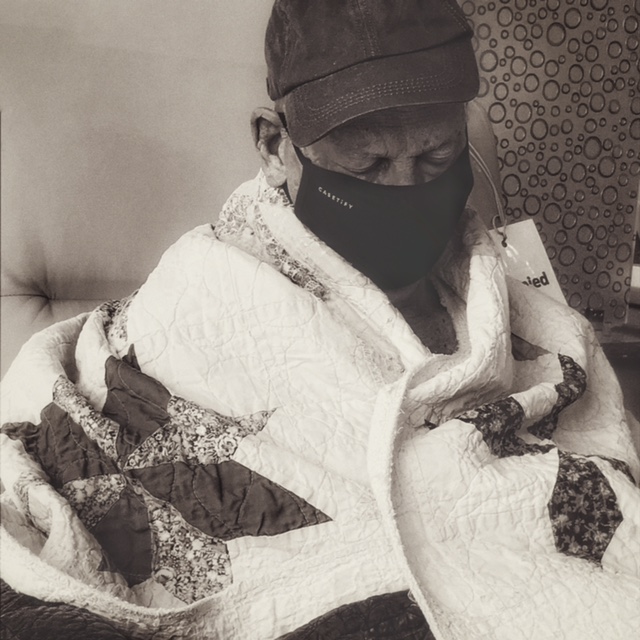
But, not today…not today as my body trembles with grief-driven anxiety. My mind is shaken with a constant flow of unanswerable questions. My total being is pushed again and again by the expectations of others and an undercurrent sense of denial pleading that this is another navel deployment.

There was a time when the words an instructor interrupted my wondering mind, “there is no perfect justice and, then later, no perfect circle.” Again, a world view punctured.
Photo challenges that encourage a photo walk in search of a particular color (red is an easy color as it is often used within advertisement) or a particular composition element in photography are heaps of fun.
Circles, I find, are like the color red…they are everywhere.


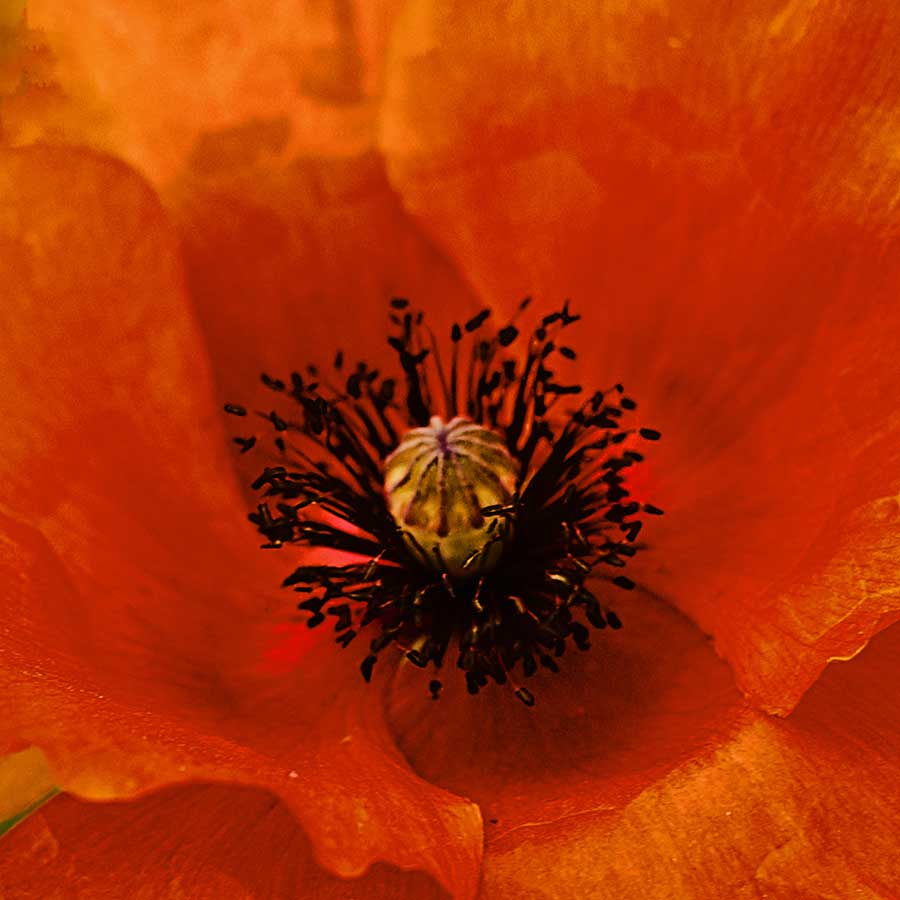


circled by a hedge
of wild roses…
mountain home ~Issa (www.haikuguy.com)
Thank you Leya for this invitation to open my eyes to the world of circles.
A sunflower taller than
your dad, uncle, and grandpa,

A sunflower reaching to touch a trees’ branches half-way up to the crown.
Though, I do imagine, an ant wandering about on the sunflower would believe it touched the blue-blue sky.
Nearby a yellow garden spider lunching on a white butterfly … sunflower yellow.
Fuji X-T4 … f/4 . 1/750 . 32.5mm . 160 ISO Edited: Capture One
The storm at the window
has escalated its roaring,
the sounds of children
muffled in the dim,
tells us night is far from gone ~ Unknown

I have found myself slipping and sliding along a fragile thread of feelings, anger at one end and at the opposite…oddly enough…moments of joy. Within anger, the sensations of this unpleasant state of being, finds itself standing at a crevice throwing curses into the wind. Curses that rise from the politicans’ and medias’ detached words of intimate stories of war and victims of war, hunger, homeless, negation of human rights, grief and loss. The reported justification of words and actions my head cannot get around.
Standing there looking into this great void of leadership, compassion, and truth tellers brings forth a powerlessness that forms an expanding curse that repeats again and again — resisting a call to return to the flow of the in-breath and out-breath, blocking an invitation to return to the present. It screams, louder and louder, despite the knowing that no one hears,
“As the night settles within your home, may the nightmares begin with a silence, a silence that only the dead know, that invites eyes – pair of eyes … eyes empty of life and filled with despair, fear, betrayal, anger, confusion intermixed with increasing variations of the voices, the human beings (mothers, fathers, children, grandparents, aunts, uncles, cousins, nieces, nephews) filling your inescapable nights with the depths of their grief and loss. And may it come to be that these nightmares sit upon the graves of all that come after you.”
Mindful of the flow of the in-breath and out-breath…the duration of the breath’s movement…like the movement of ocean waves…absorbing and releasing. Mother Earth, our true healer, absorbing these physically unpleasant feelings I’ve identified as anger and releasing me from anger’s tension and pain. Tears…tears…silent tears that emerge from my soul…my own acquaintance with grief, powerlessness, despair, confusion, loss of trust.
Yes, loss of trust. Yearning for those days of innocence…of ignorance of the shadow within humans…of faith in those of position of trust. Crumbling, fragmented trust…as I hear the unspoken dispassionate words, “Let the market rule.”
Returning to the breath…to the present…to the belief that my empowerment comes from the choice to seek solitude, to connect with family/friends, to welcome the morning sun, to appreciate the beauty of the seasons in their transition, to find expression through the arts, to silence this horrid reality as I escape inhumanity, to have deep gratification for all first responders who witness human anguish, to smile with the joy that arises when I hear from family and friends, to express gratitude to the many unknown subers whose translations open the door to escape through foreign dramas, to open myself to the wisdom of Thich Nhat Hanh as I find refuge within the teachings of the dharma and the sharing and listening to the hearts within sangha.
Joy…the positive sensations of joy.
Anger…joy. One unpleasant, one pleasant, connected together by a thread of life. I do hope that my shadow…the hidden aspect of me finds comfort with the flow of my in-breath and out-breath and is embraced by the warmth of human compassion, loving-kindness, and inclusiveness.
May this curse find solace and fade…fade…fade.
May the thread connecting, suffering and joy, two diverse sensations never be severed.
May I continue to find peace and joy within the movements of the in-breath and out-breath.
May the trust I place within compassion and loving-kindness guide me through these uncertain times.
May you know peace and joy.
May you be embraced by the warmth of trust and peace
May you find inclusiveness within these times of solitude.
My abode is
in winter seclusion
on this white mountain in Echigo.
No trace of humans
coming or going.
~Ryokan*

*cited:
Sky Above, Great Wind
K Tanahashi
Forgetfulness is the darkness,
mindfulness is the light. ~Thich Nhat Hanh
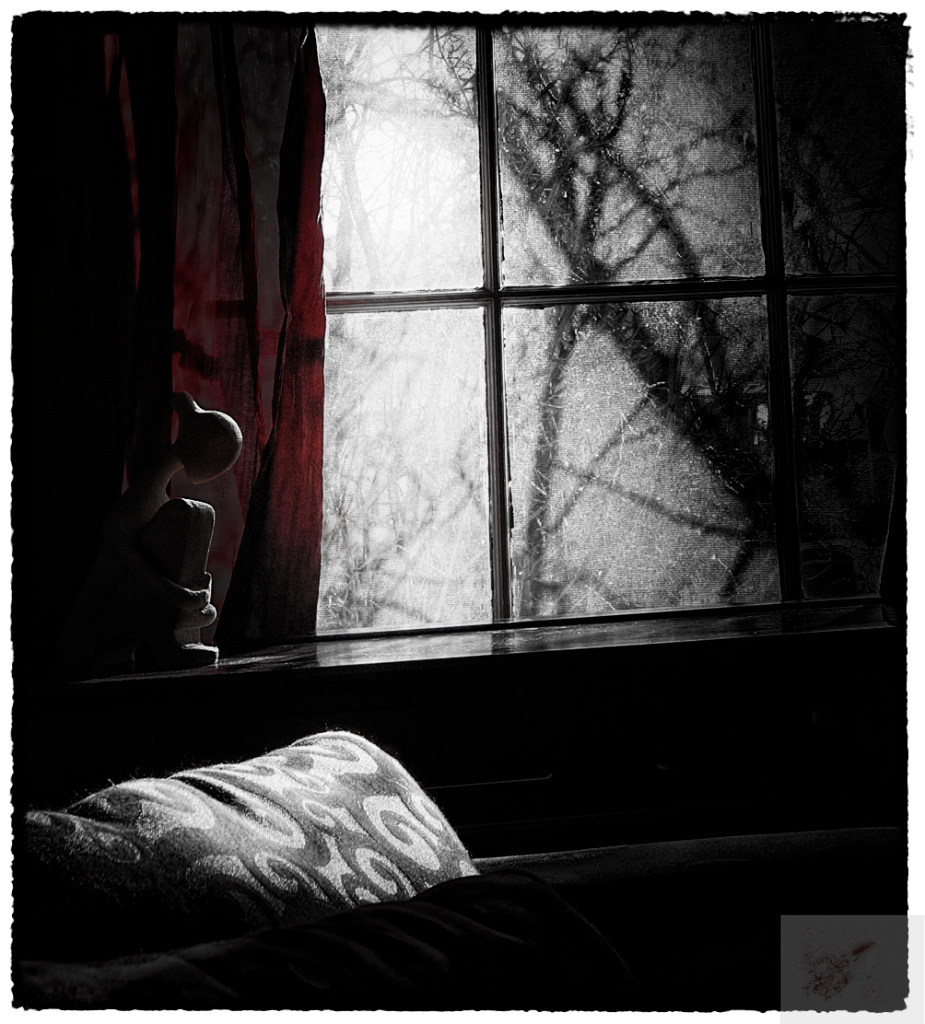
 a meditative journey
You must be logged in to post a comment.