it seems to wash
the summer mountains…
sunrise ~Issa*

Fujifilm X-T4: f/8 1/210s 80mm 400ISO
it seems to wash
the summer mountains…
sunrise ~Issa*
Fujifilm X-T4: f/8 1/210s 80mm 400ISO
Number 2: 2018 contemplative photography image.
It is interesting how one forgets images created during one’s yesterdays, “Oh, I remember that day!” accompanies the process of looking back and feeling an excitement of opening presents.
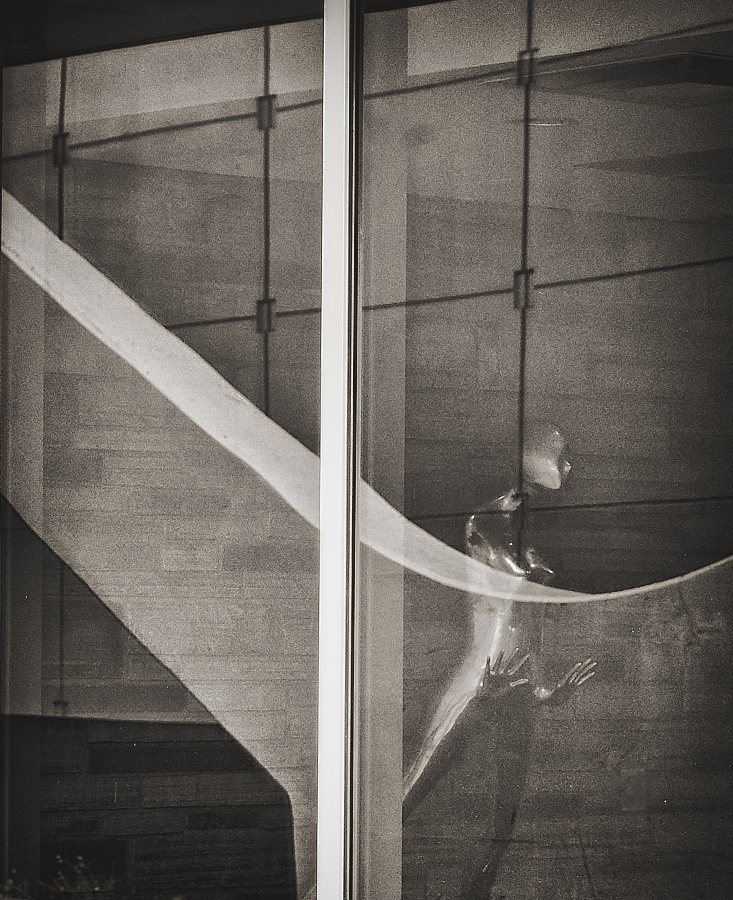
Nikon D750: f/5.6 1/400s 85mm
Revisiting contemplative photographs from 2018

2018 Sony DSC-RX100M3: f/5 1/2,000s 9.69mm

Fujifilm X-T4: f/4 1/45s 80mm 400ISO
that village’s
floating bridge of dreams…
spring frost ~Issa
Ann Christine from Leya invites lens-artists to share their interpretation of the theme Dreamy. She introduces soft dreamy photographs as images created with soft light, soft focus, delicate tones, and other gentle aspects to produce an ethereal picture.
The dark sky dulls my dreamy mind,
The down-dripping rain lingers–
O my tears down falling, longing after thee!
~The Diary of Murasaki Shikibu

Thank you Ann Christine for this challenge…sometimes life’s realities need to slumber and awaken the gentle nature of dreamy.
It stirs the soul
of even
the most
indifferent person –
first autumn winds ~Saigyo
Journeys with Johnbo takes us back to Patty’s June 2020 lens-artists photo challenge in which she invited artists “… join us … and share your images of this season. What does autumn look like in your part of the world? What does this season mean to you personally?”
Images of autumn, 2020

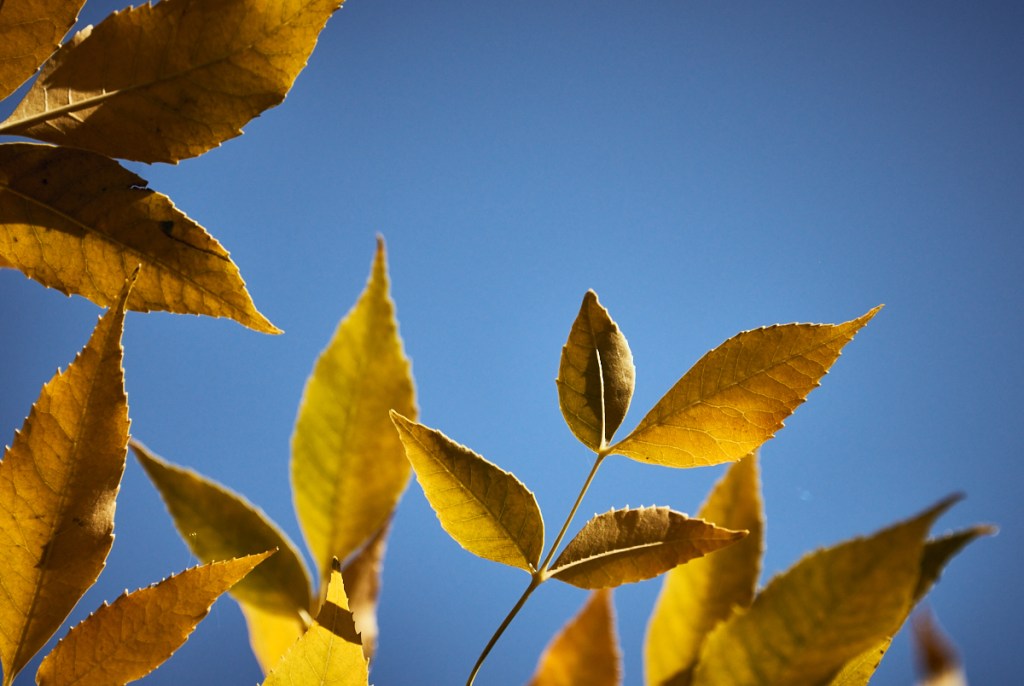

how I envy maple leafage
which turns beautiful
then falls ~Kagami Shikoo


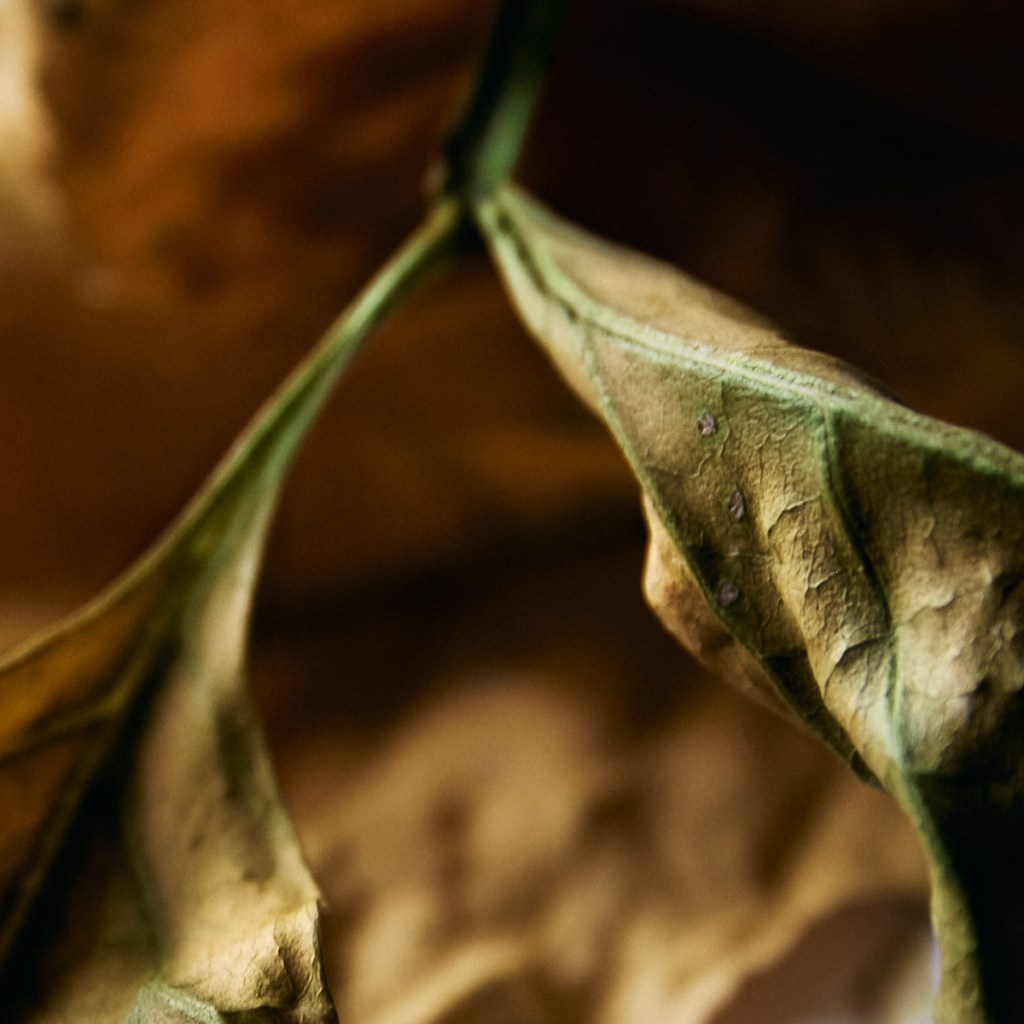
What is it about autumn that is personal … the joy of a new school year, crunchy sounds of leaves, sights of leaves swirling with autumn winds, memories of burning leaves and jumping into piles of leaves, scents of autumn, promises of snow, desires to fly with geese, and feeling autumn’s unique dryness.

This week’s lens-artists challenge is hosted by Joanne. She writes that “Often times we see something that inspires us” and wish others could see what we see. She invites lens-artist to share some inspiriting photographs of things/people/places.
At this time of my life my travels are through books. As I wander through pages of someone’s thoughts and imaginations, it is often that I think of someone to share inspiring passages.
The Practice of Contemplative Photography Seeing the World with Fresh Eyes” by Andy Karr and Michael Wood is one such book. To be introduced to their Two Ways of Seeing opens me to a new way of being…being present during photo walks. The images below were created during pond walks.
“To see clearly you need to untangle perception from conception. To distinguish them you need to take out your (metaphoric) microscope and look closely at each one.
“Visual images appear when consciousness connects with the eye. Mental images appear when consciousness connects with the conceptional mind. …

What appears to conceptual mind is only an abstract, general image that encompasses all the views and pictures of a thing that you have ever seen. It is a very different kind of object from the specific ones that appear to the non-conceptual senses.
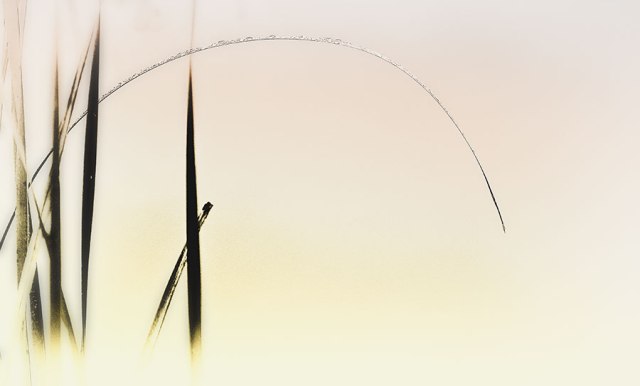
“The visual object that appears to the eye appears clearly, in great detail. You see–all at once–color, shape, texture, and the rest.
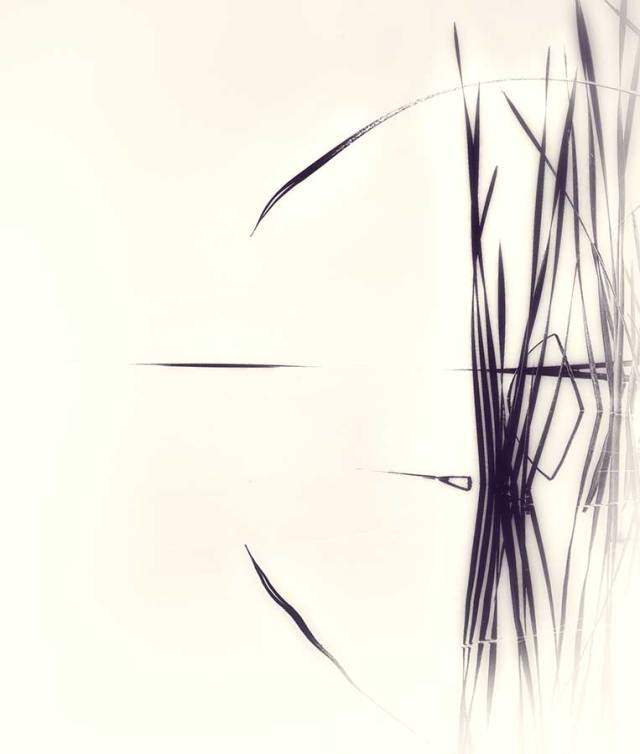
“The usual sequence of perception is that in the first moment, there is direct sensory experience. In the second moment, a concept and label arise, superimposed on the direct perception. …These moments of perception and conception are extremely brief. The sequence happens very quickly, so quickly that you don’t notice that a whole process is unfolding.”
Thank you Joanne for inviting me to continue my contemplation of how life is in a perception state of change and what I simply see within a moment transforms into an ideal/story/memory of a thing. What is difficult to embrace is possibility that no one actually sees what we see…

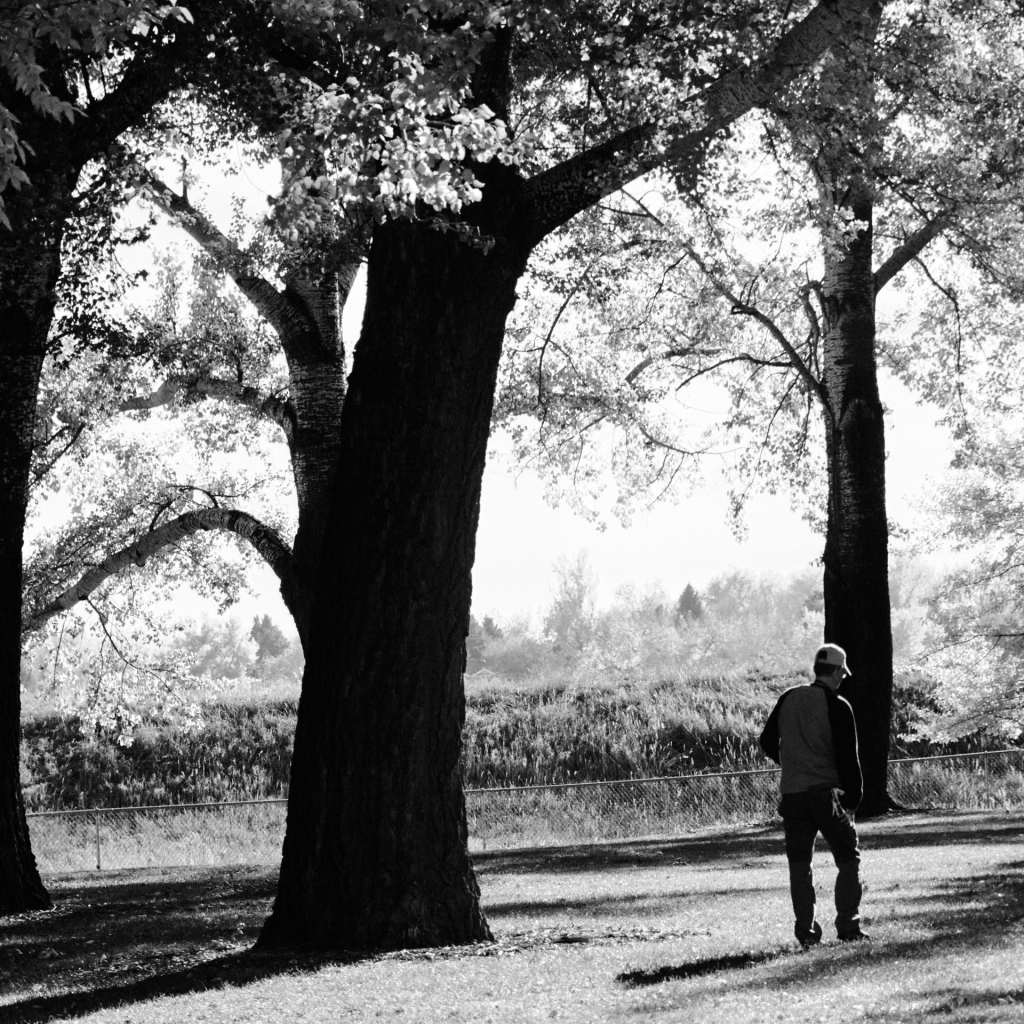
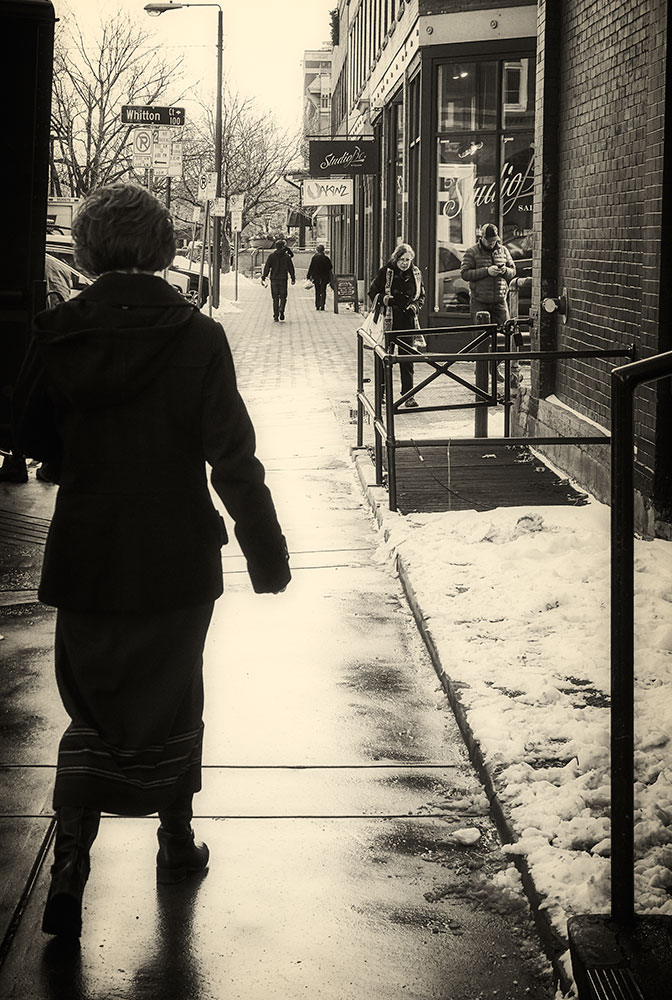
I was introduced to the Portuguese word, saudade, which has no immediate English equivalent about 30 years ago. Saudade is a word that feels intimate as it named a life-long companion. It touched upon a vague and constant desire for something that does not and probably cannot exit, for something other than the present, a turning toward to past or towards the future; not an active discontent or poignant sadness but an indolent dreaming, a wishfulness.


Over 30 years ago, I met a homeless woman who identified herself as a sundowner. She described how each evening’s sun invited her to settle down along the side of her life’s path so that her journey could begin afresh in the morning sun. She eloquently described an undercurrent of yearning that ebbed and flowed throughout her soul and how, in her past days, she found herself at the mercy of private memories, thoughts, and imaginations and had encountered, time and time again, various degree of discontent that wandered along side her aloneness.


As I heard the suffering within women who story their lives through the multi-colored threads of substance use, I find myself acknowledging a similarity within each of these unique stories with my own metaphysical search for someone, something, or some place that remains beyond the forever next horizon. Each of our unique narratives reveal an unending wandering with satchels of discontent that tell of a spiritual emptiness and an emotional intimacy wit, “a homesickness for a place one knows cannot be.”
Thank you Egídio for your invitation to wander through loneliness.
A virtual scavenger hunt! How creative! How fun! Thank you Anne (Slow Shutter Speed)!
something with glass
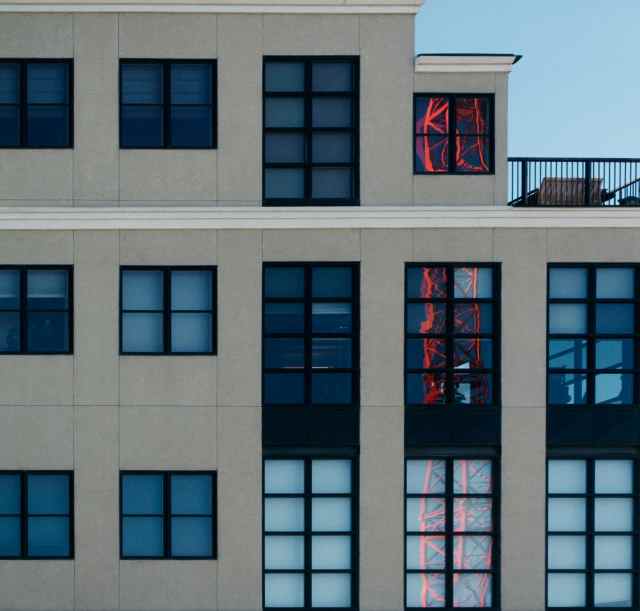
something with a bumpy texture
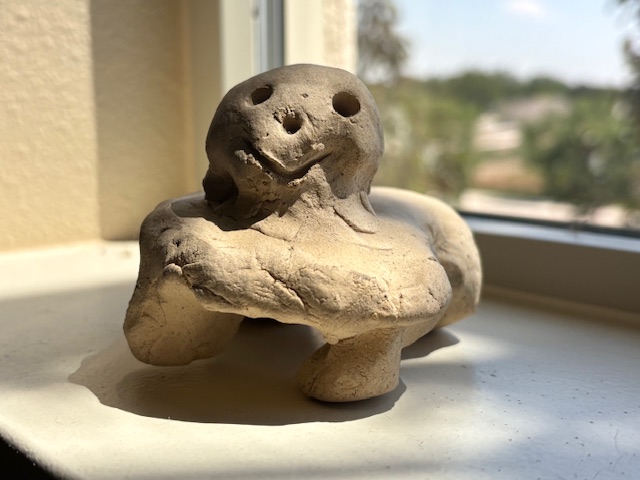
something with cool shadows

something with water

something with a pattern

This is the fourth of four editing challenges for Leanne and Joanne’s invitation to choose one image and then for four weeks share one edited change to that image. “You can do whatever you like with it, just do something different each week.”
Often times there is a stuck-ness that keeps me glued to a problem/challenge until a solution releases me … this fourth of four challenges has freed me from stuck-ness. This liberation has me dancing in the street – this wondrous misty-chilly morning!
A while back I found that Photoshop’s upgrades messaged that my computer had become ancient with a nonverbal suggestion that I either consider a new computer or explore alternative software editing programs. Enter Pixelmator Pro.
This fourth image invited me to explore Pixelmator Pro’s scale shape horizontally and vertically as well as the auto crop. Then I played around with the hue and saturation’s vibrance and then ended this editing challenge with color selection,

Fujifilm X-T4: f/4.5 1/900 s 80 mm 400 ISO
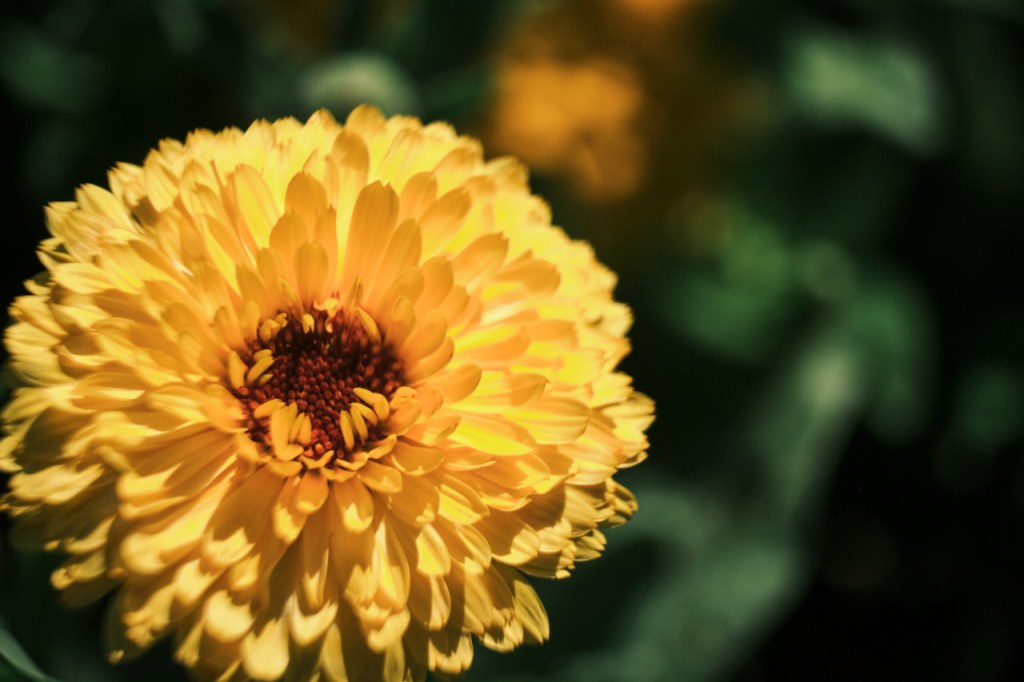


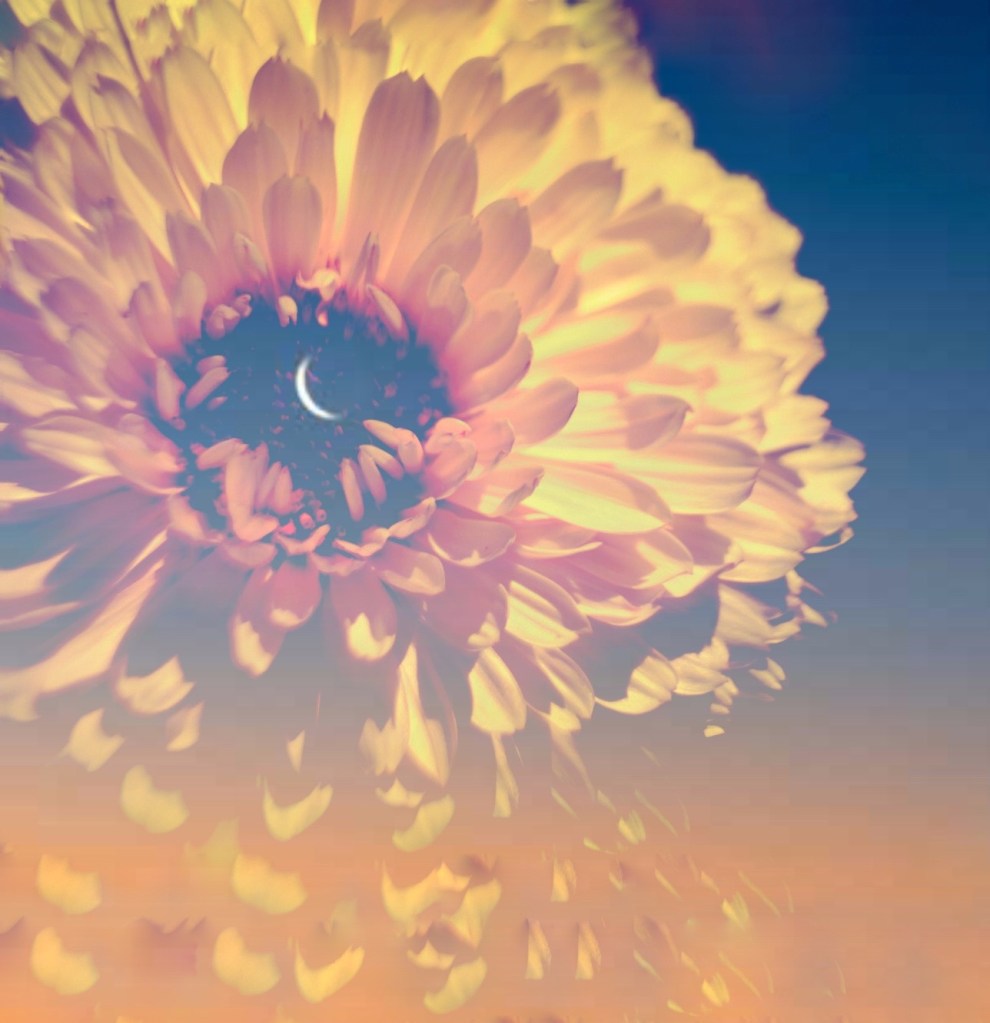
I hope you enjoyed this editing journey.
This is the third of four editing challenges for Leanne and Joanne’s invitation to choose one image and then for four weeks share one edited change to that image. “You can do whatever you like with it, just do something different each week.”
For awhile I found myself in a puzzle … how to create this image into something different? After a number of false starts I decided to insert a moon into the center with Snapseed’s double exposure and then to edit with their expand option. A unique image, I must say!
Fujifilm X-T4: f/4.5 1/900 s 80 mm 400 ISO

 a meditative journey
You must be logged in to post a comment.