
Ricoh GR III… f2.8 1/40 s 50 mm ISO 400
Edited: Snapseed
Ricoh GR III… f2.8 1/40 s 50 mm ISO 400
Edited: Snapseed
This week Egídio (Through Brazilian Eyes) invites lens-artists to share images of serenity. What is serenity?
In the stillness
Between the arrival of guests
The peonies. ~Buson

Transient

A gentle awakening to unintended stilled silence?

Hidden, evasive, denied as yearning seeks another state of being?
Ritva writes that “we work so hard to learn the photography rules, at least I do but now it is time to BREAK them!! The problem is just that in order to break a rule, you must know that there is a rule in the first place!”
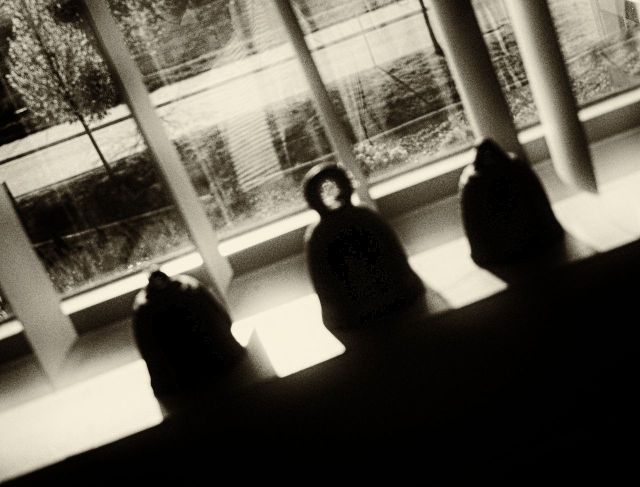
The composition guidelines (rules) used within this image:
Sub-framing – a picture in a picture is a technique which invites a viewer’s eye into an image through the use of natural or man-made elements. This invitation to the viewer to be guided from the foreground to the background also adds depth to an image. They may take multiple shapes or forms and may either dominate an image or constitute a small component in a wider composition.
Does the composition of this image invite you to be guided from the foreground to the framed tree in the left upper corner?
Rule of odds – guideline created by how the composition within an image may gift us with the balance we unconsciously seek
Does the three blurry bells gift you with a sense of balance? Or does the line composition have a negative affect on balance? I find that my head tilts in an attempt to fit the image into a sense of expectation.
Rule of thirds: the element of composition that begins with dividing an image into thirds, horizontally and vertically, creating nine imagined sections.
This image is created with five layers, do you find that the composition may have some how upset the rule of thirds?
“Is this what life is?” she questioned. “Is this the impermanence of one’s life, a shattering of beliefs, morals, guiding principles…indoctrinations of her life?”

“I anxiously waited for the dawn with uncertain hope.
The temple bell roused me from dreams
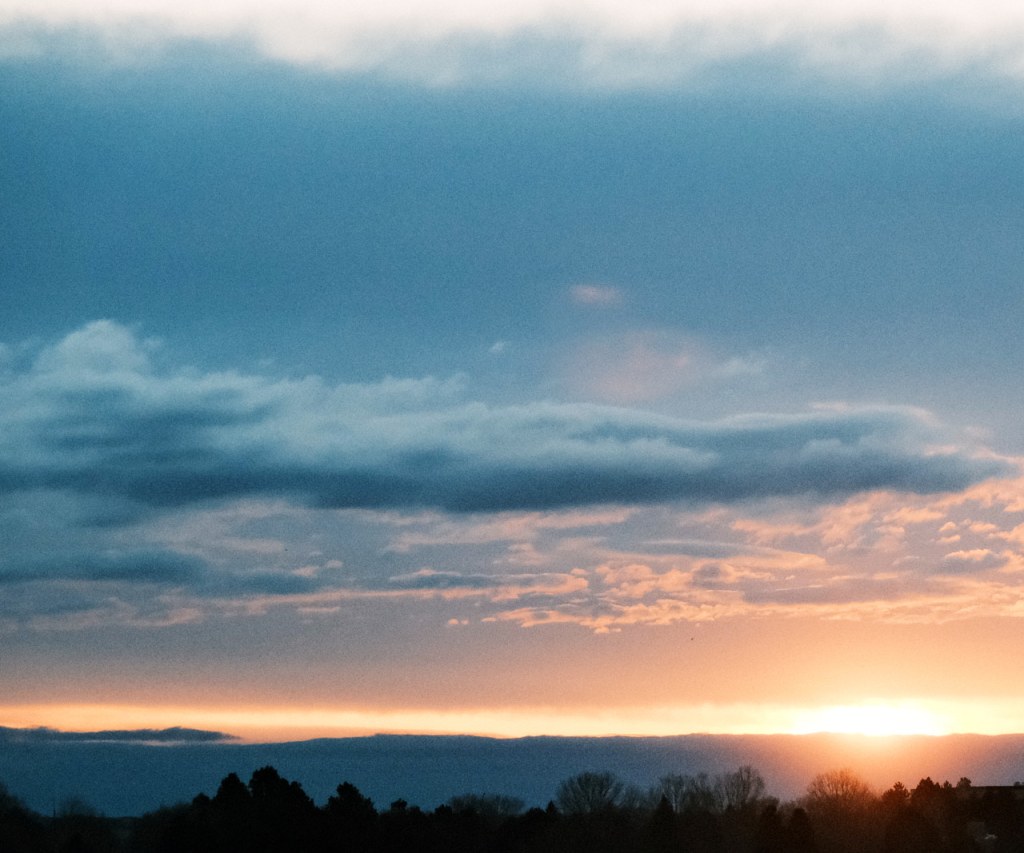
And waiting for the starlit dawn
The night, alas! was long as are
One hundred autumn nights” ~The Sarashina Diary*
*cited: Diaries of Court Ladies of Old Japan
“A dreamer is one who can only find his way by moonlight, and his punishment is that he sees the dawn before the rest of the world.” *
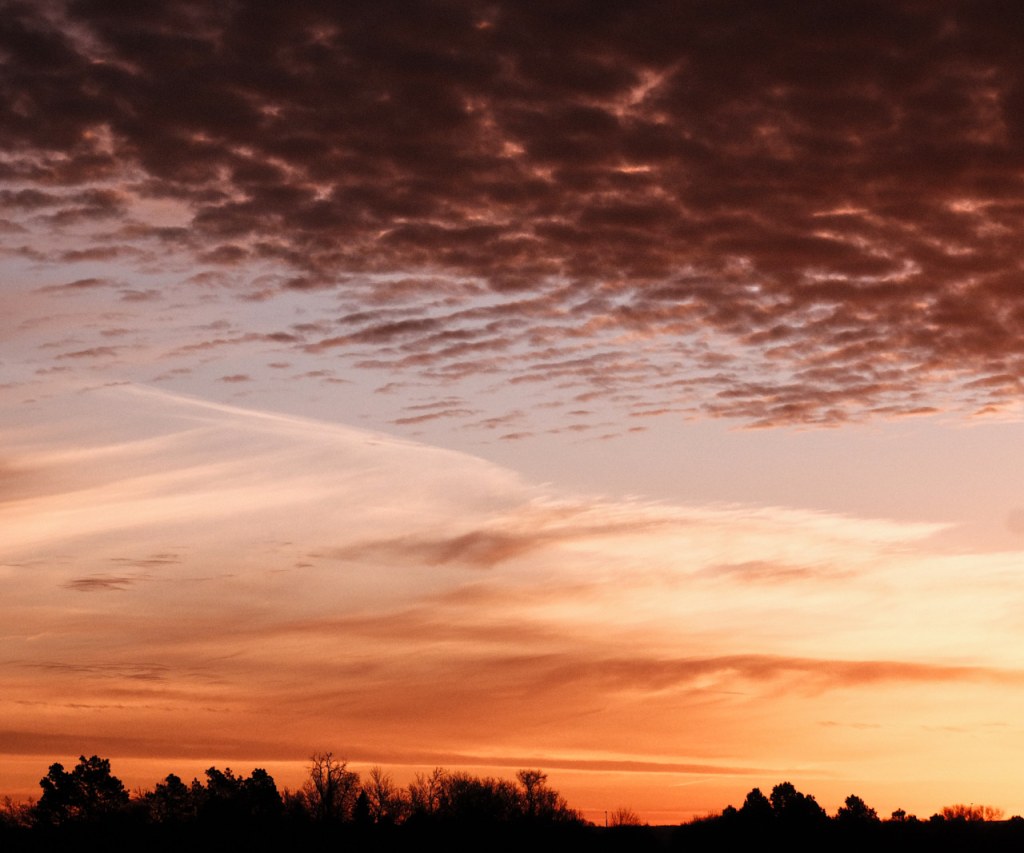
Fujifilm X-T4: f/8 1/120 s 80 mm 1250 ISO
*cited: Erin Morgenstern, The Night Circus
Who speaks the sound of an echo?
Who paints the image in a mirror?
Where are the spectacles in a dream?
Nowhere at all — that’s the nature of mind!
~Tree-Leaf Woman
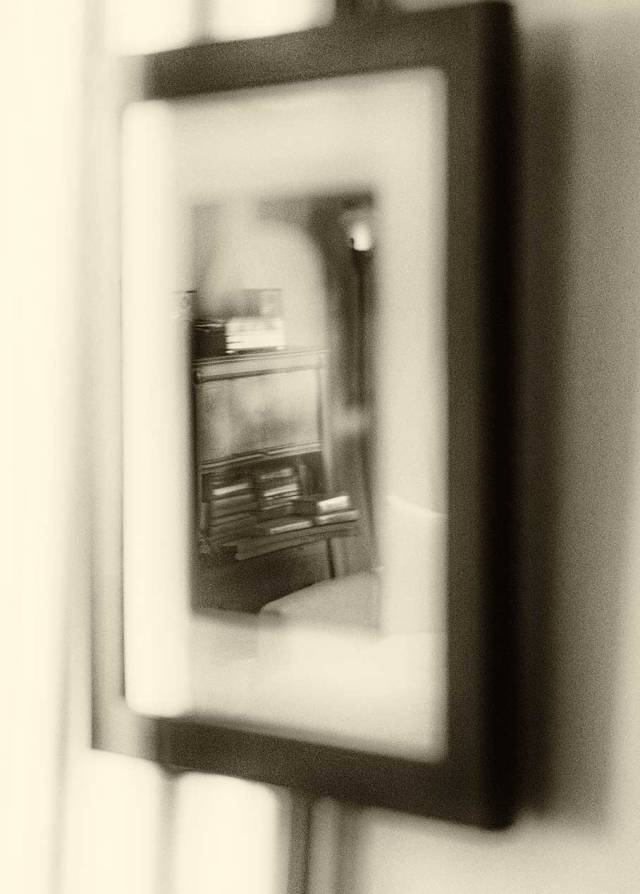
The morning’s sun light created a reflection of a room while the actual image within the photograph is transformed into a ghosty presence.
Margaret’s (From Pyrenees to Pennines) Monochrome Madness: Mirror
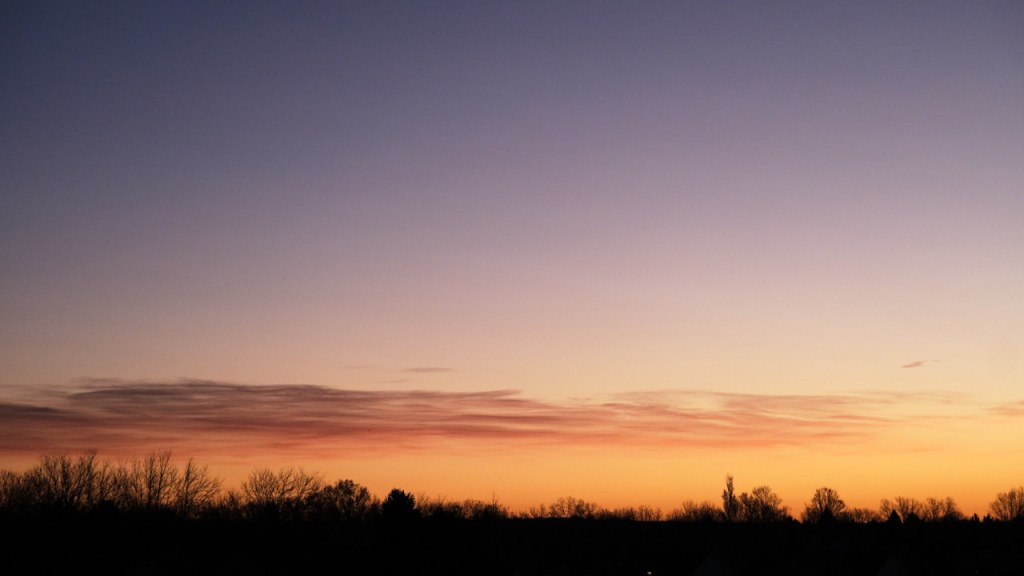
Dawns’ light


Sutcliffe rarely left Whitby [a port and resort community on the Yorkshire coast], where his portrait studio kept him busy, and said that he was ‘tethered for the greater part of each year by a chain, at most only a mile or two long.’ To most modern photographers this would seem a crippling restriction, but Sutcliffe gradually realized that it was an asset to him as a photographer since it forced him to concentrate on the transitory effects that could transform familiar scenes. …photographers should always aim for something more than ‘mere postcard records of facts.’ ‘By waiting and watching for accidental effects of fog, sunshine or cloud,’ he advised, ‘it is generally possible to get an original rendering of any place. If we only get what any one can get at any time, our labour is wasted; a mere record of facts should never satisfy us.’
cited: Frank Meadow Sutcliffe, The History of Photography Series, p 8
Horsetooth Reservoir

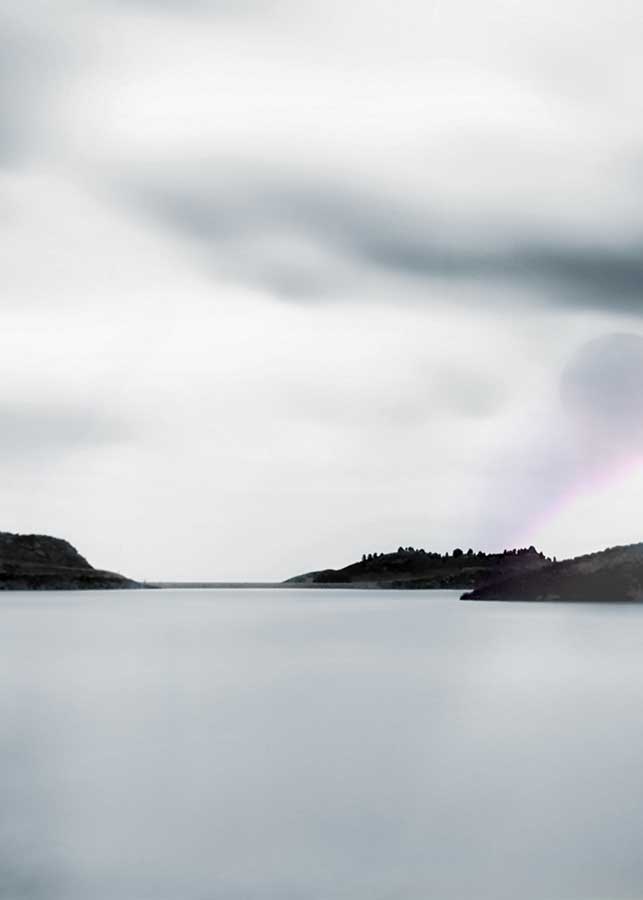
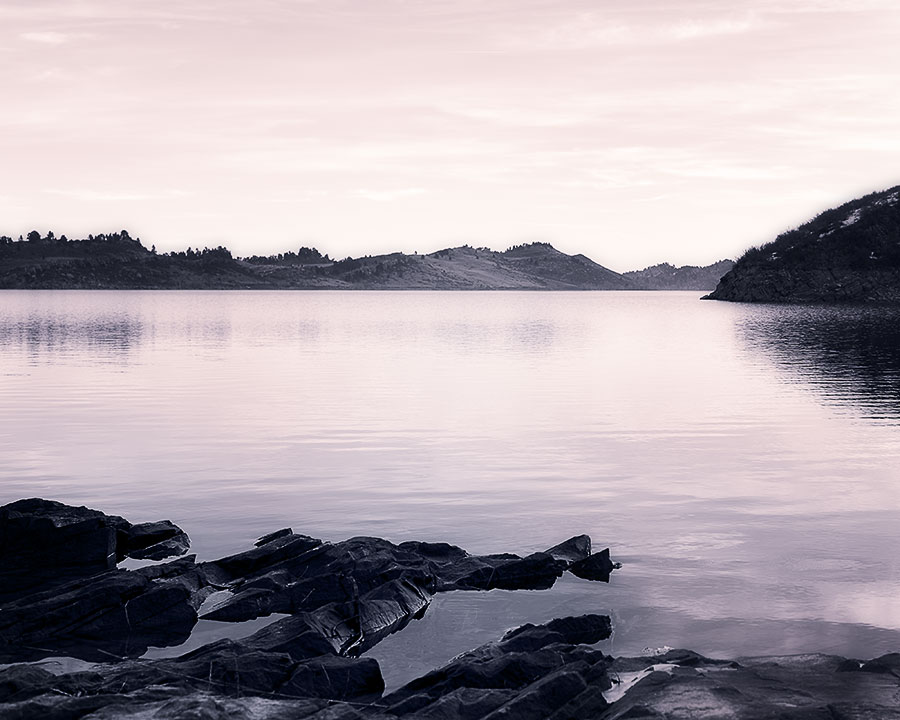
Journeys with John invites lens-artists to “share where you go or what you do to help lift those spirits when this old world starts getting you down”.
all are lonely
yet are you much more than any
you who still wait?
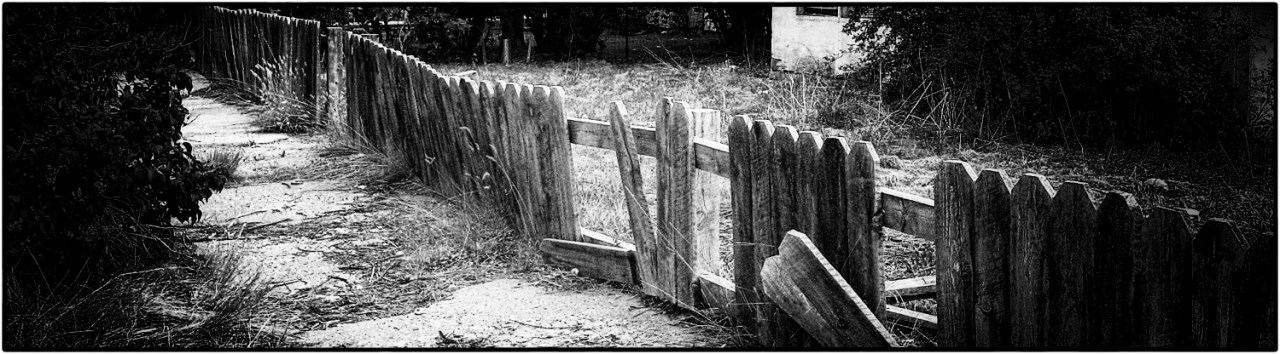
Houses, aged and fragile, once stood strong within their newness and sang of home, dreams, hopes, joys. tears, family.
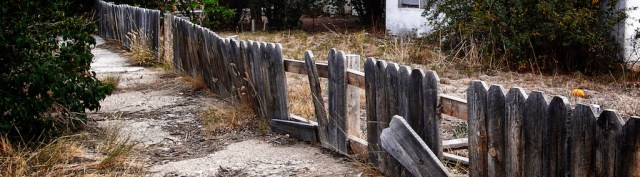
Houses that story homes of past years now silent.
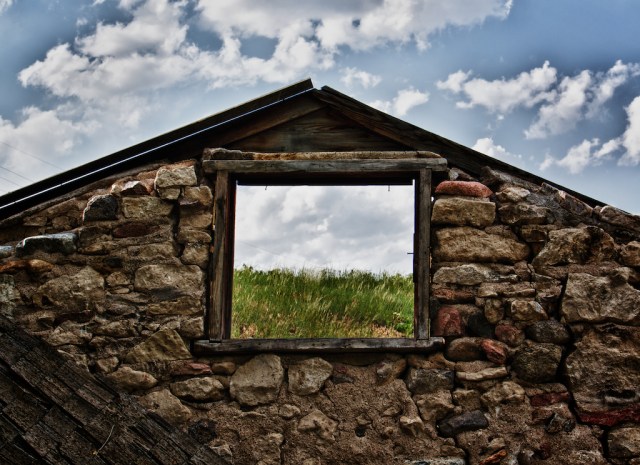
Absent are the sounds of togetherness, of spoken differences, of celebrations, of loss.

Houses, abandoned, speak to our soul, our imagination. They tell of impermanence.
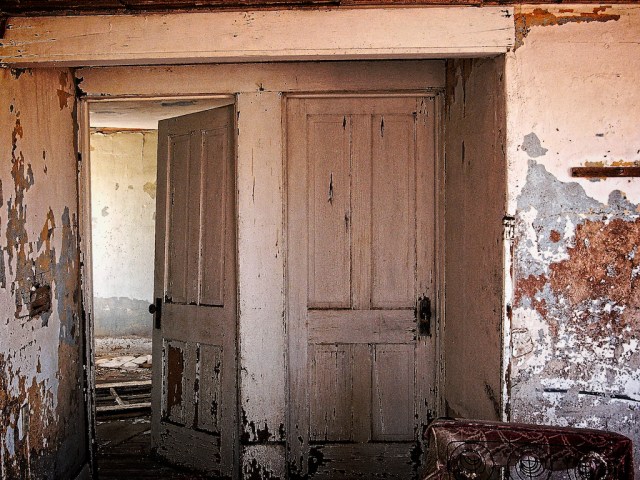
Yet, they seem to be waiting…waiting as they fade.
images and thoughts submitted in response to slow shutter speed’s challenge: abandoned


Leya (To See a World in a Grain of Sand) invites lens-artists to share what they saw during their outings and what they brought.
As I turned into an alley on my way to the library with hopes there would be a hard copy of Umberto Eco’s, The Name of the Rose, I found wall paintings of joy-filled companionship. Images speaking of metaphors, puns, riddles, memories?

“The question, …, was whether metaphors and puns and riddles, which also seem conceived by poets for sheer pleasure, do not lead us to speculate on things in a new and surprising way ..” (cited: Umberto Eco, The Name of the Rose)

 a meditative journey
You must be logged in to post a comment.